
Film
Kin-dza-dza!
A Soviet sci-fi comedy that yanks two ordinary Muscovites through a teleportation device to an alien desert planet. Surreal, inventive, and deeply weird, it's part absurdist fable, part buddy comedy, all strange. For anyone who thinks sci-fi should be clever rather than costly, and who laughs at the impossible.
Should you watch it?
Watch it if you enjoy deadpan absurdist comedy where the jokes come from characters taking bizarre rules and objects completely seriously, in the spirit of Kafka-tinged Soviet satire.
Skip it if you want a plot that moves briskly toward a goal; this is loose, meandering and happy to wander through long stretches of talk, bureaucracy and desert scenery.
What it asks of you: It runs a little over two hours at a leisurely pace, so it wants patience with slow setups and repeated gags, and rewards you for noticing small details rather than chasing the story.
Not sure? Find tonight's pick in a minute.
If you liked this
Stalker1979
Andrei Tarkovsky's philosophical science fiction asks what we actually want when we get what we've always desired. Hypnotic, patient, haunting—the thinking person's sci-fi odyssey.
But It moves at its own glacial pace with long passages of quiet contemplation. Expecting plot momentum will leave you frustrated.

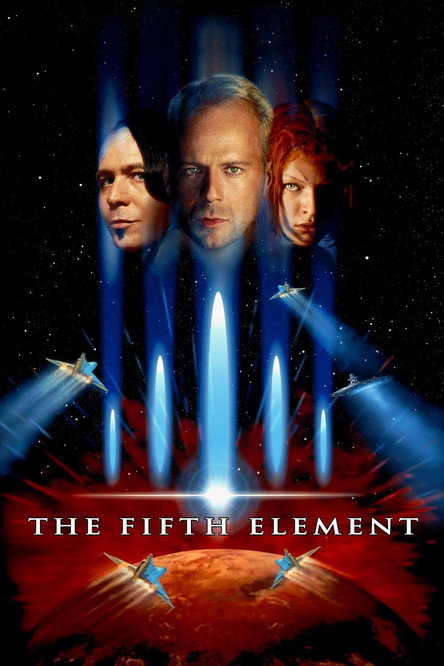
The Fifth Element1997
Luc Besson's operatic space adventure bursts with colour, invention, and genuine joy. It's built on the same principle: treat alien worlds as opportunities for visual anarchy and comic weirdness.
But It's very '90s and very loud. The plot mechanics are fairly straightforward, which some find shallow.
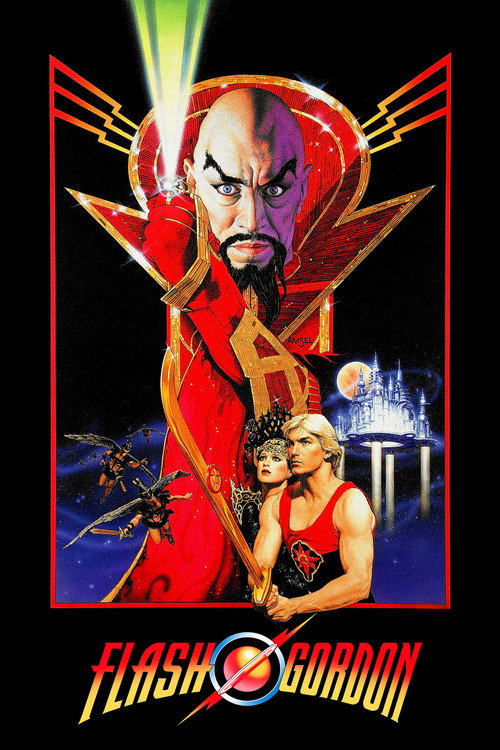
Flash Gordon1980
Mike Hodges and Queen create pure, unironic camp spectacle—a world where the absurd rules are treated as gospel. Gloriously silly in the same way, utterly committed to its own strangeness.
But The acting is broad and the dialogue is knowingly silly. If you need grounded realism, this is the opposite direction.
Not sure tonight? Get a pick in a minute, starting from Kin-dza-dza!
The wildcard
Something you would not have found on your own.
The Holy Mountain1973
Both are rigorous surrealist adventures that ask you to accept impossible logic without explanation, treating the absurd as absolutely real.
Jodorowsky's surrealist masterpiece uses dream logic, impossible imagery, and symbolic grotesquerie to create a journey that feels genuinely alien. Both films believe their own strangeness completely—that commitment is everything.
But It's genuinely difficult: non-linear, symbolic, deliberately confronting, and three hours long. There are scenes designed to unsettle rather than entertain.

More like this (8)
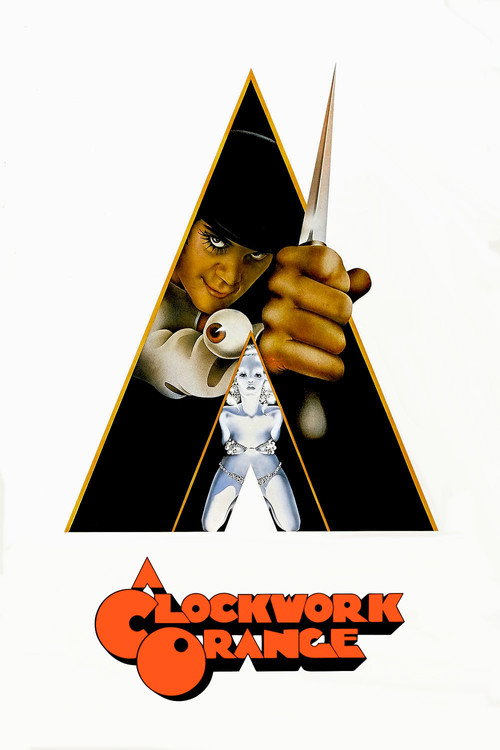
A Clockwork Orange1971
Kubrick uses invented language, brutal satire, and visual audacity to make us uncomfortable about society. Like Kin-dza-dza, it uses alienation (literal and tonal) as its primary tool.
But It's violent, disturbing, and deliberately designed to offend. The subject matter and aestheticization of brutality upset many viewers.
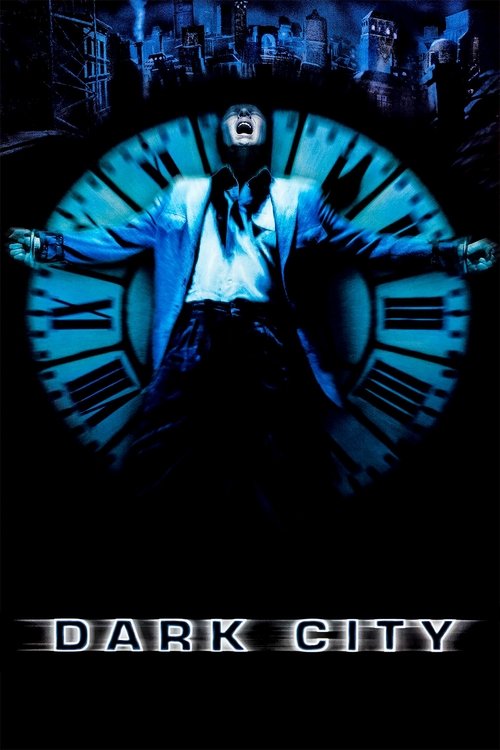
Dark City1998
A noir sci-fi film where the world itself is a character—strange rules, oppressive atmosphere, mystery at every turn. Visually stunning and genuinely disorienting in the best way.
But It's fairly bleak and doesn't offer easy answers. Some find the visual darkness exhausting over two hours.
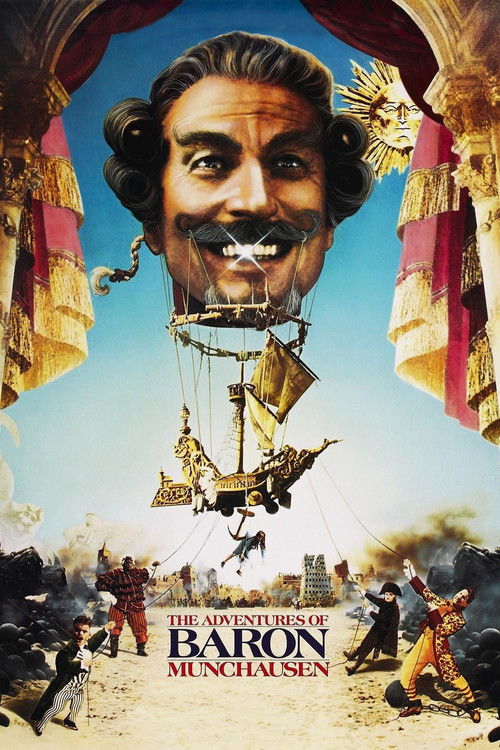
The Adventures of Baron Munchausen1988
Terry Gilliam's baroque fantasy treats impossible logic as absolute law. Wildly inventive production design and a similar commitment to making strangeness feel utterly normal.
But It's chaotic and sometimes incoherent. The plot barely matters; you must enjoy pure visual and tonal weirdness.
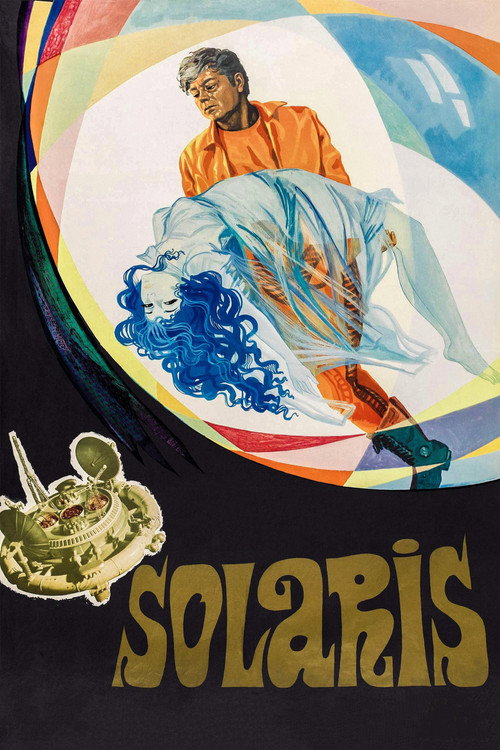
Solaris1972
Tarkovsky's meditation on consciousness, memory, and what it means to be human unfolds on an alien space station. Cerebral sci-fi that trusts the audience completely.
But Nearly three hours of quiet reflection and philosophical monologue. Modern viewers often find it slow to the point of testing.
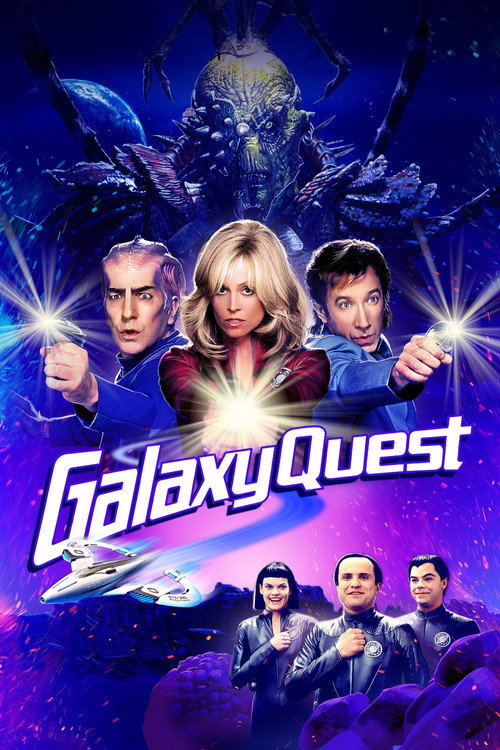
Galaxy Quest1999
A comedy that loves sci-fi tropes enough to both honour and skewer them. Warm, funny, and genuinely clever about how genre works.
But It's fundamentally a broad comedy. If you want serious extraterrestrial stakes, you'll find this too cosy.
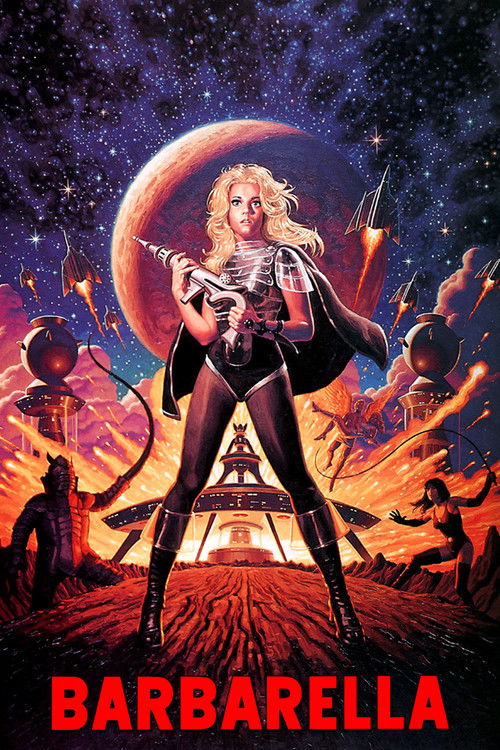
Barbarella1968
Roger Vadim's campy space romp treats lurid fantasy as fact. Costumes, sets, and tone so committed to their own ridiculousness that it becomes genuinely endearing.
But It's kitschy and deeply of its era. If you can't enjoy trashy aesthetics on purpose, it'll just look bad to you.
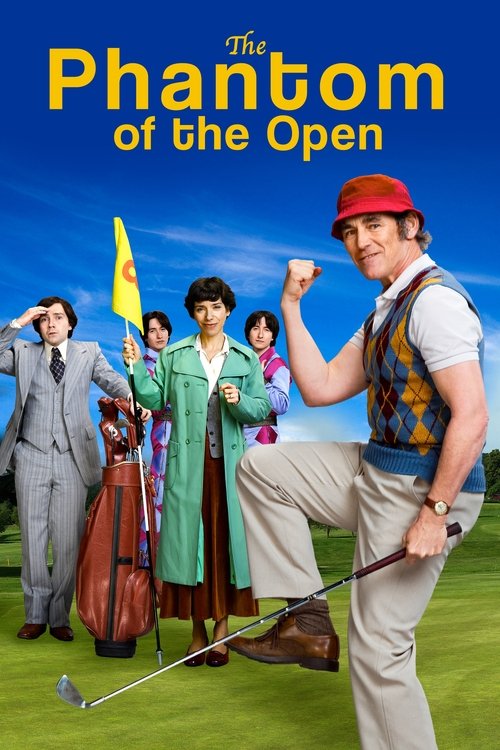
The Phantom of the Open2022
Both centre ordinary protagonists bewildered by closed systems with their own arcane rules and hierarchies; both find comedy and humanity in the gap between the person and the world.
A British comedy about an ordinary man entering a golf tournament, with warmth and humour that finds the profound in the mundane. Like Kin-dza-dza, it's about ordinary people navigating worlds with their own alien rules.
But It's small, gentle, and understated. Expecting cosmic scope or epic invention will leave you disappointed.
Come and See1985
Both are Soviet films from the mid-80s that use visual distortion and linguistic/sensory alienation to show someone lost in a world governed by logic they cannot fathom.
Elem Klimov's devastating war film uses Bruegel-like visuals and hallucinatory editing to make horror feel surreal rather than realistic. Shot in the same Soviet moment as Kin-dza-dza, it proves the era could do strange cinema in radically different registers.
But It documents atrocity with unflinching intensity. This is not entertainment; it's an assault on the viewer's sense of safety.

People
Cast
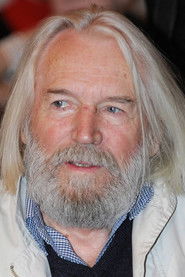 Stanislav LyubshinVladimir Nikolaevich Mashkov - 'Uncle Vova'
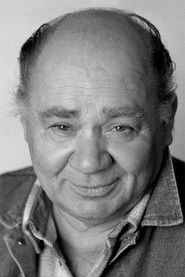 Evgeni LeonovWef - The Wandering Chatlanian Singer
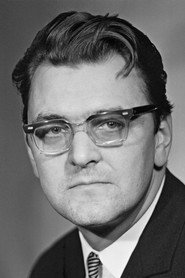 Yuriy YakovlevBee - The Wandering Patsak Singer
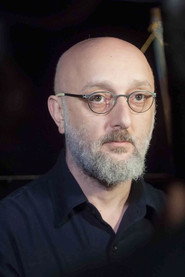 Levan GabriadzeGedevan Alexandrovich Alexidze - 'Fiddler'
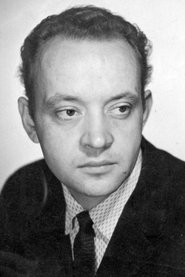 Lev PerfilovKyrr - The Chatlanian-Dissident
 Irina ShmelevaTsan - The Desert Stage-Cart Driver
 Olga MashnayaDecont - A Teleportation Officer at Alpha
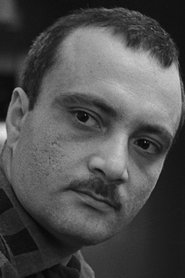 Georgiy DaneliyaAbradox - The Governor of Alpha
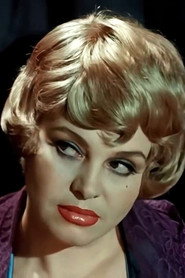 Aleksandra Dorokhinawoman in tunnel
 Galina Daneliya-YurkovaMashkov's wife
 Vladimir FyodorovYellow Pants

Directing
- Karen GevorkyanAssistant Director
- Leonid BitsAssistant Director
- Georgiy DaneliyaDirector
- Elena RemizovaFirst Assistant Director
- S. KhakhamFirst Assistant Director
Writing
- Lyubov GorinaScript Editor
- Georgiy DaneliyaWriter
- Revaz GabriadzeWriter
Production
- A. PritchinAdministration
- Eduard BelousovAdministration
- G. DavydovAdministration
- Sergey SendykAdministration
- Nikolai GaroExecutive Producer
Recommended by
The Last Starfighter, The Man Who Saved the World, Ocean Girl, Buck Rogers in the 25th Century, Мёртвые души, The World's Most Amazing Vacation Rentals, Kaiba, Gamera vs. Barugon, The Desperate Ones, Checkpoint, Visceral, The War of the Worlds: Next Century, Jungle Boy, Air Crew, A Visitor to a Museum, Dead Man's Letters, Proving Ground 1, T-34