
Film
The War of the Worlds: Next Century
- Alien contact
- Strange
Andrzej Żuławski's 1981 Polish sci-fi farce uses a Martian invasion as cover for skewering Soviet-era media control and state machinery. A TV newscaster becomes the aliens' propaganda mouthpiece, then discovers that defying extraterrestrials is safer than defying the bureaucracy. Darkly funny, visually baroque, deliberately frustrating—a film that uses genre as a Trojan horse for political rage.
If you liked this
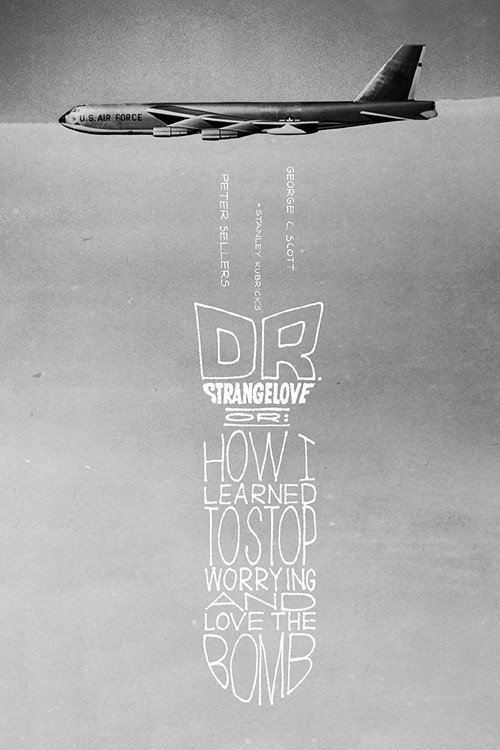
Dr. Strangelove or: How I Learned to Stop Worrying and Love the Bomb1964
A blueprint for using absurdism and satire to anatomize state power and institutional madness. Like Żuławski, Kubrick finds the comedy in systems that have become too rigid to function or stop themselves.
But The cold-war nuclear anxiety feels dated, and Sellers' accents may grate. The pacing is deliberate, almost stately—it's a dark sketch stretched to feature length.
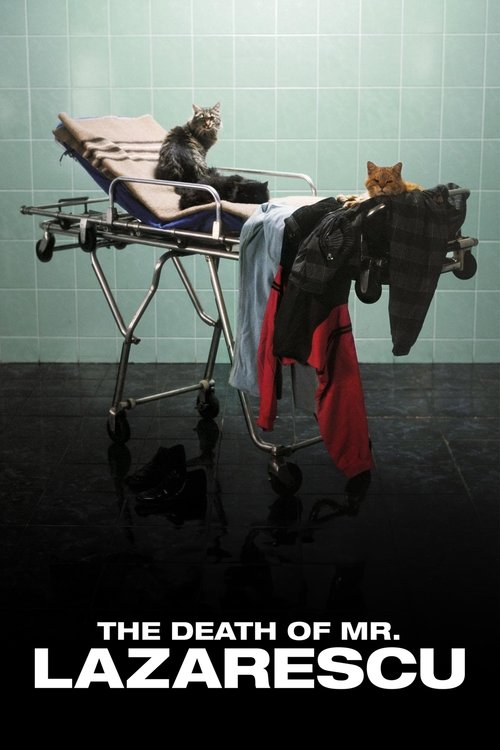
The Death of Mr. Lazarescu2005
A Romanian bureaucratic nightmare where a man dying of cancer bounces through an indifferent healthcare system. Like this film, it uses genre (here, dark realism) to expose how institutions consume human beings and spit them out unchanged.
But It's slow, repetitive, and designed to make you feel as helpless as the protagonist. That's the point, but enduring it requires patience most films never ask for.
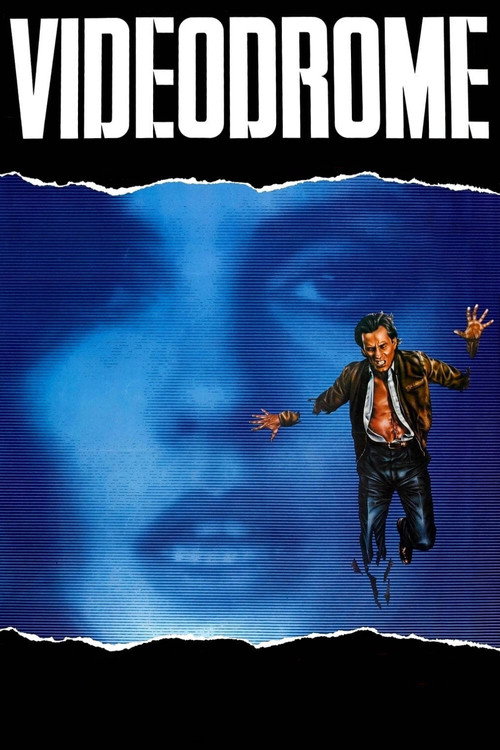
Videodrome1983
Cronenberg's media-poisoning nightmare shares Żuławski's conviction that television and propaganda are technologies of invasion. Both films distrust the apparatus of mass communication down to its DNA.
But It's visceral and grotesque in ways that feel dated now. If body horror and unclear reality leave you queasy rather than engaged, this will exhaust you.
Not sure tonight? Get a pick in a minute, starting from The War of the Worlds: Next Century
The wildcard
Something you would not have found on your own.
The Visit2021
Both use the arrival of a foreign or impossible presence as a mirror held up to a community's cruelty and self-deception. One uses aliens; one uses a mysteriously polite stranger. Same engine, opposite temperatures.
A Tomer Shushan miniseries about a man arriving in a small town and subtly destabilizing it. Like Żuławski's Martians, it's about an incomprehensible other whose presence reveals the town's buried violence and hypocrisy—but it's entirely mundane, grounded, and Israeli.
But The unsettling comes from nuance and social discomfort rather than spectacle. If you need genre clarity or resolution, this will feel deliberately unfinished.

More like this (6)
Stalker1979
Tarkovsky's Soviet sci-fi meditation on desire and the state uses genre tropes (the mysterious zone, the guide) to explore something far larger. Żuławski and Tarkovsky were arguing about the same Poland from opposite angles.
But It is very, very slow. Scenes hold on emptiness. If you need plot momentum or conventional drama, this will feel like watching paint dry in a bunker.

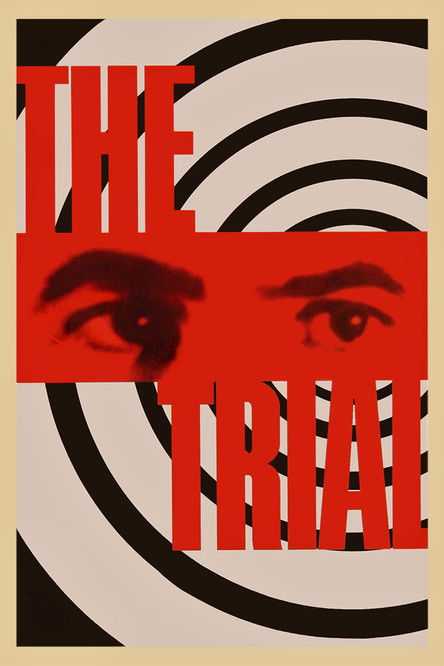
The Trial1962
Orson Welles' adaptation of Kafka captures the same paranoid claustrophobia: a man caught in a system that has its own logic, indifferent to his pleas. Both films make institutions the true antagonist.
But The black-and-white photography is deliberately alienating. The narrative loops and frustrates. Welles doesn't offer catharsis or clarity, only entrapment.
Man with a Movie Camera1929
Dziga Vertov's Soviet montage experiment is the ancestor of all propaganda deconstruction. It's about cinema itself as a tool of the state, made with visionary energy rather than dialogue.
But No plot, no characters, no conventional narrative. It's a visual argument, and if you need story to stay engaged, it will feel like homework.

3-Iron2004
Park Chan-wook's minimalist thriller about a man who inhabits other people's homes shares Żuławski's interest in invisible presences and the violation of private space by larger forces.
But It's almost entirely wordless. The plot is deliberately opaque. Some viewers find it meditative; others find it cryptic and cold.

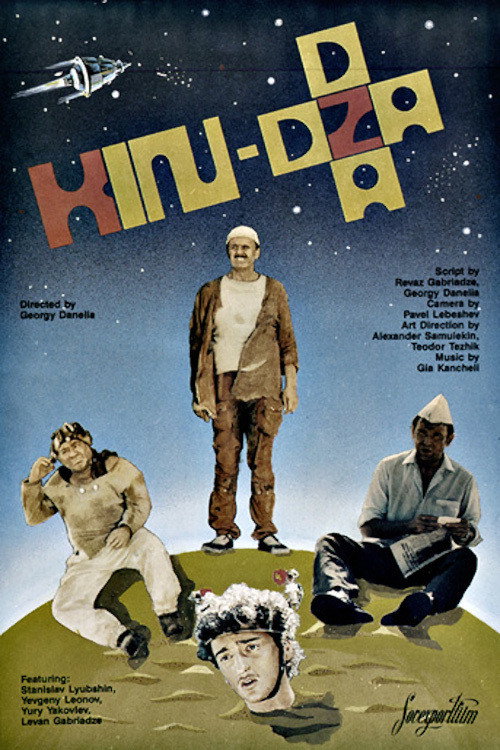
Kin-dza-dza!1986
Both are Soviet-era films using space opera as a container for state critique. Both find the true horror is not the aliens but the systems they mirror. Żuławski goes baroque; Daneliya goes carnivalesque. Same rage, different masks.
Georgy Daneliya's Soviet sci-fi comedy is Žuławski's evil twin: surreal, grotesque, politically scathing, but lighter on its feet. Two Soviet men are transported to an alien planet organized by class and protocol—and the aliens are just bureaucrats.
But It's visually chaotic and the humor is strange and specific. The Soviet context matters. If you watch sci-fi for spectacle or clear stakes, this will baffle you.
Synecdoche, New York2008
Both are about media, representation, and the way systems (state, theatrical, media) colonize consciousness. Both are visually overwhelming. Both suggest that living under control—whether alien or bureaucratic—means eventually you can't tell what you actually want anymore.
Charlie Kaufman's fever dream about a theatre director constructing an increasingly elaborate fake world inside a warehouse. Like Żuławski, it's about propaganda, control, and the impossibility of distinguishing the real from the performed when institutions hollow out language itself.
But It's dense, self-referential, and deliberately exhausting. Philip Seymour Hoffman's protagonist is passive and self-pitying. The film offers no comfort, only claustrophobia.

People
Cast
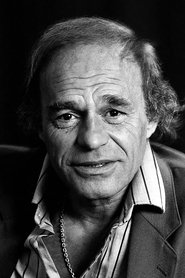 Roman WilhelmiIron Idem

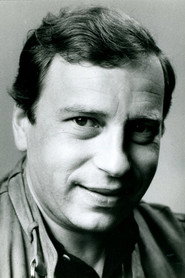 Jerzy StuhrAttorney
 Stanisław TymSecret Agent
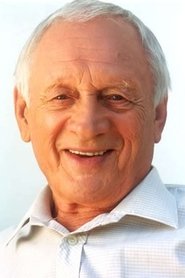 Witold PyrkoszJudge
 Zbigniew BuczkowskiPoliceman
 Bogusław SobczukTV News Presenter
 Mariusz DmochowskiHead of TV Station
 Marek WalczewskiCommittee Receptionist
 Bożena DykielNurse Drawing Blood
 Joanna ŻółkowskaWoman with Dog
 Wiesław DrzewiczOld Man