
Film
The Death of Mr. Lazarescu
- Medical drama
- Very dark
A 63-year-old man's night-long odyssey through Bucharest's hospital system transforms into a tragicomic portrait of bureaucracy, indifference, and the fragility of the powerless. Shot with documentary precision and dark humour, it's simultaneously infuriating and oddly beautiful—watching a system fail someone in real time.
Should you watch it?
Watch it if you want a long, unhurried look at a broken health system seen through one ordinary man's bad night, where the grim realism is rendered with a steady, almost documentary patience.
Skip it if you need drama to build toward a clear payoff, since this is mostly a long procession of waiting rooms and bureaucratic delay that can feel exhausting.
What it asks of you: Expect about two and a half hours spent almost entirely in one night, with long stretches of stillness and little relief, so it asks for patience above all.
Not sure? Find tonight's pick in a minute.
If you liked this
Ikiru1952
Kurosawa's masterpiece about a dying bureaucrat finding meaning in his final act. Like Lăzărescu, it finds profound humanity in quiet dignity amid institutional failure, but suffuses it with transcendent hope.
But A slow, meditative film from the 1950s with subtitled dialogue. The pacing asks patience that modern cinema often doesn't require.

The Turin Horse2011
Béla Tarr's bleak final film watches the world wind down with the same clinical, darkly comic observation. Both are about systems collapsing around solitary, helpless figures.
But Even more deliberately slow and visually austere. It's a film that actively resists comfort and closure.

In the Mood for Love2000
Wong Kar-wai's study of two people unable to connect despite proximity. Like Lăzărescu, it finds tragedy in the distance between bodies and souls, but frames it as longing rather than abandonment.
But Its beauty and style are immaculate but can feel distant. Some find the melancholy suffocating rather than moving.

Not sure tonight? Get a pick in a minute, starting from The Death of Mr. Lazarescu
The wildcard
Something you would not have found on your own.
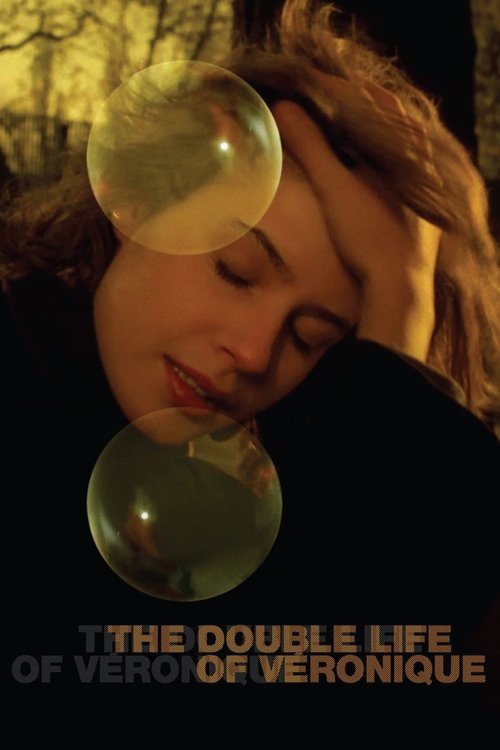
The Double Life of Véronique1991
Where Lăzărescu watches systems fail the visible, Véronique watches invisible forces act between the invisible. Both filmmakers believe ordinary life contains something that transcends the ordinary.
Kieślowski's mystical meditation on connection and coincidence shot in luminous colour. The connection: both use quotidian European settings as stages for examining isolation and the unseen threads binding strangers.
But It's dreamlike and symbolic rather than literal. If you need plot clarity and psychological realism, the abstraction will frustrate you.
More like this (7)
Come and See1985
Elem Klimov's unflinching chronicle of a boy's destruction during war. Both films document a protagonist's systematic dehumanization with unforgettable clarity and a refusal to look away.
But It's punishing—graphic violence, unbearable suffering. This is not cathartic; it's meant to wound and it does.

Winter Light1963
Bergman's film about a pastor confronting meaninglessness and institutional emptiness. Like Lăzărescu, it's about isolation within systems designed to help, rendered with sparse visual power.
But Extremely austere Bergman—minimal plot, maximum existential dread. Not for those seeking conventional narrative satisfaction.

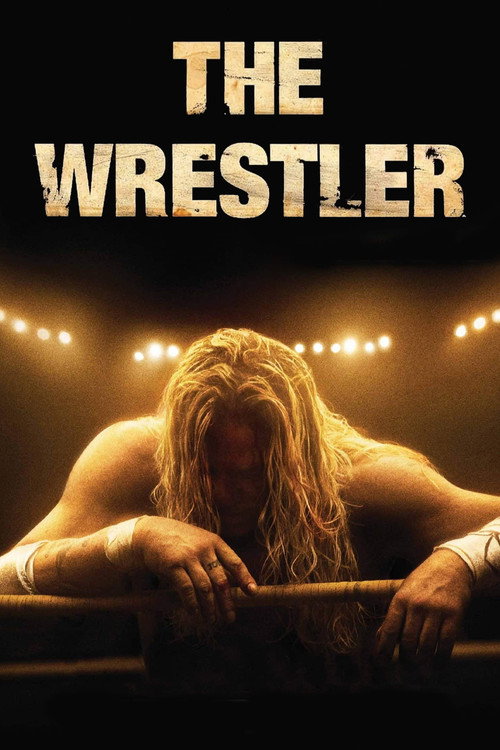
The Wrestler2008
Aronofsky's portrait of a man rejected by systems (healthcare, family, employment) trying to maintain dignity. Both balance mordant humour with genuine heartbreak about bodies and neglect.
But It's relentlessly grim about class, injury, and the body. The final scene haunts in ways some find unbearable.
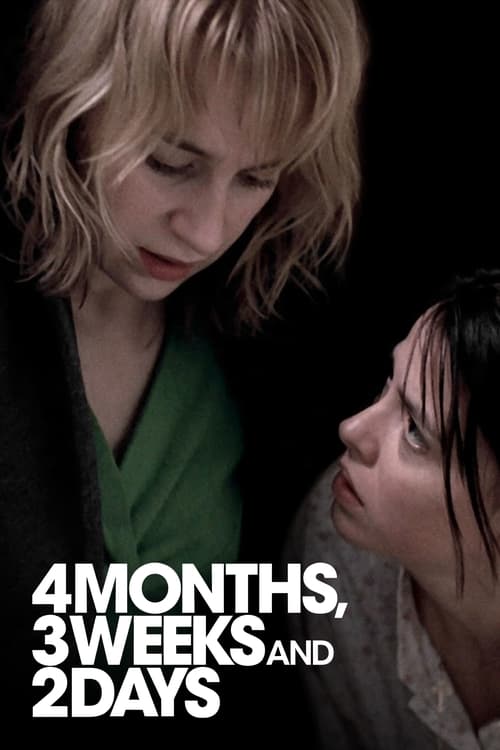
4 Months, 3 Weeks and 2 Days2007
Another Romanian masterwork from the same era; Mungiu's film shares its unflinching observation of human suffering and institutional cruelty, shot with the same penetrating clarity.
But Its subject matter—an illegal abortion under Ceaușescu—is difficult. The style is deliberately unglamorous and can feel clinical to the point of coldness.
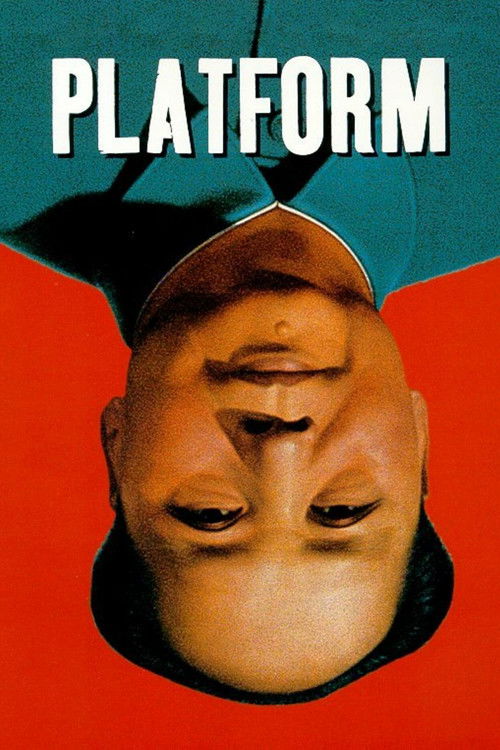
Platform2001
Zhangke Jia's three-hour chronicle of change and stagnation in post-Communist China. Both films are patient sociological documents about how systems grind down individual lives.
But It's genuinely plotless—a mood piece about a traveling theatre troupe over years. If narrative drive matters to you, it won't.
The Ballad of Little Jo1993
Maggie Greenwald's film about a woman surviving alone at society's margins. Like Lăzărescu, it's about resourcefulness and dignity amid systematic indifference.
But It's a smaller film, lesser-known, and some found its tone uneven between drama and frontier myth-making.

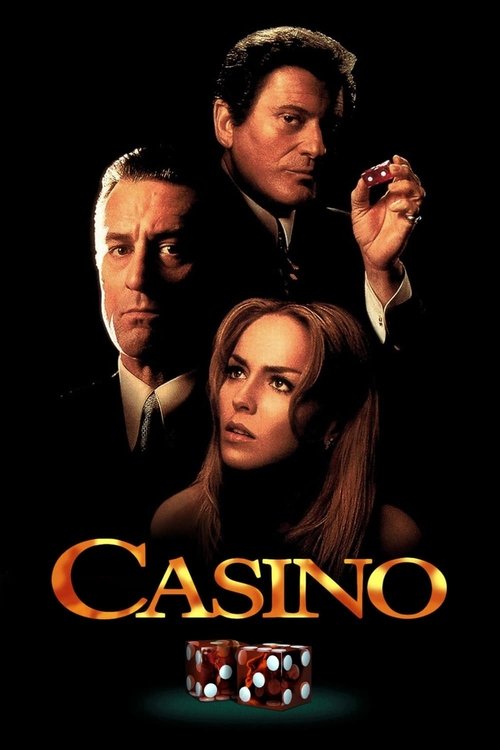
Casino1995
Scorsese shoots the American system of power and Cristi Puiu shoots the Romanian system of indifference, but both believe cinema's job is to document the slow crushing of individuals who cannot escape.
Scorsese's sprawling, operatic portrait of systems that corrupt everyone they touch. Its register is polar opposite—garish, violent, propulsive—yet structurally identical: watch a man ground to nothing by forces larger than himself.
But Three-and-a-half hours of 1990s excess, violent crime, and Pesci at his most unbearable. It's deliberately overheated where Lăzărescu is restrained.
People
Cast
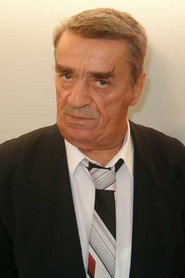 Ion FiscuteanuMr. Lăzărescu
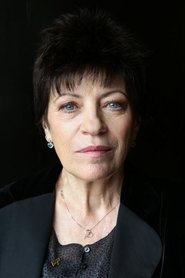 Luminița GheorghiuMioara Avram
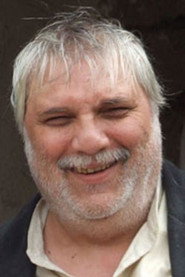 Doru AnaSandu Sterian
 Monica BîrlădeanuMariana
 Alina BerzunțeanuDr. Zamfir
 Alexandru PotoceanStretcher-bearer, Bagdasar Hospital
 Dana DogaruMIhaela Sterian
 Florin ZamfirescuDr. Ardelean
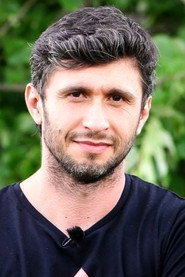 Dragoș BucurMișu
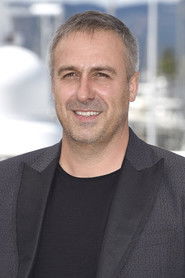 Mimi BrănescuDoctor Mirică
- Dan ChiriacTrial Medic at University Hospital
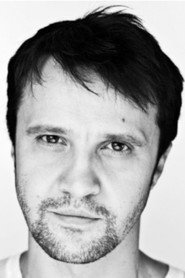 Dorian BoguțăParamedic
Directing
- Andreea PăduraruAssistant Director
- Radu JudeAssistant Director
- Cristi PuiuDirector
- Ana LunguScript Supervisor
Writing
- Cristi PuiuWriter
- Răzvan RădulescuWriter
Production
- Ana SzelCasting
- Alexandru MunteanuExecutive Producer
- Anca PuiuProducer
- Bobby PăunescuProducer
- Tudor HristescuProduction Manager
Recommended by
Henry: Portrait of a Serial Killer, I Am Cuba, Doc Martin, Southpaw, Monsieur Verdoux, Marcus Welby, M.D., 4 Months, 3 Weeks and 2 Days, L'Argent, Jean de Florette, Kanal, Nicholas Nickleby, 13 Tzameti, Manshin: Ten Thousand Spirits, Different from the Others, A Dangerous Method, Our Mutual Friend, The Visitor, Biutiful, The Working Class Goes to Heaven, Gods and Monsters, Boy A, Fat City, Séraphine, An American Tragedy, My Life, The Hours and Times, Poor Cow, Dirty Pretty Things, Xala, Satantango, An American Crime, Close, Daens, Woyzeck, The Respectful Prostitute, 35 Shots of Rum, Kuhle Wampe or Who Owns the World?, Hunger, Lan Yu, Berlin Alexanderplatz, Notes from Underground, Synonyms, Kontroll, Morphine, Outrage, Sick Girl, Dona Flor and Her Two Husbands, Memories of Underdevelopment, The War of the Worlds: Next Century, The Unjust, Spa Night, The Axe, Murder at Midnight, The Second Circle, The Trouble with Being Born, Blue, Pickpocket, Pikoo, Jackpot, The Circle, The Red and the White, Allegro Barbaro, Geethanjali, A Visitor to a Museum, The Reflecting Skin, The Ballad of Narayama, BARDO, False Chronicle of a Handful of Truths, The Last Lear, The Ballad of Jack and Rose