
Film
Xala
Ousmane Sembène's 1975 masterpiece uses sexual humiliation as a lens into post-colonial power, corruption, and the grotesque gulf between Senegal's elite and its people. It's savage, funny, and uncomfortable—a film that makes you complicit in its protagonist's shame. Essential viewing for anyone interested in African cinema or satire with teeth.
Should you watch it?
Watch it if you like sharp political satire that laughs at pomposity while keeping an eye on how postcolonial elites grab power, and you don't mind a joke that turns bitter.
Skip it if you want a brisk comedy with escalating gags; this is talky, deliberately stagey, and its satire is blunt enough to feel like a lecture at moments.
What it asks of you: Just over two hours of unhurried talk, crowded rooms and posturing, with a tone that slides from giggles toward unease; patience pays off more than speed does.
Not sure? Find tonight's pick in a minute.
If you liked this
A Prophet2009
Mathieu Kassovitz's prison drama dissects power structures and corruption with the same surgical precision Sembène brings to his satire. Both films show systems grinding individuals into shapes they never wanted.
But It's a long, interior French film about institutional brutality. Not exactly comfort viewing.

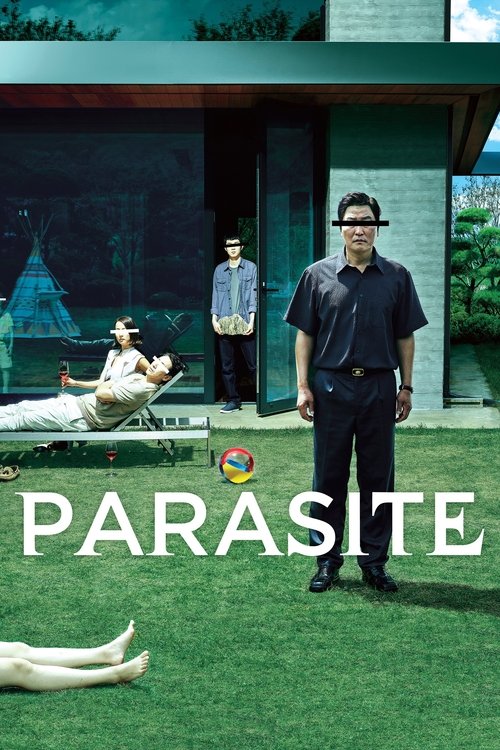
Parasite2019
Bong Joon-ho uses darkly absurdist comedy to expose class violence and hypocrisy. Like Xala, it makes you laugh while your stomach turns, and the humiliation is never really funny.
But The tonal shifts can feel jarring if you're expecting a straightforward thriller.
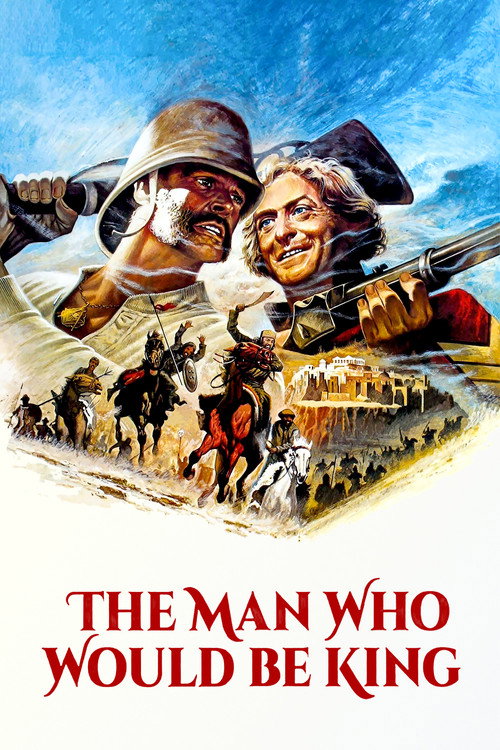
The Man Who Would Be King1975
John Huston's adventure film shares Xala's interest in how power corrupts and how men build false empires. Both explore masculinity and its catastrophic fragility.
But The colonial perspective is very much of its era—it rewards active interrogation, not passive viewing.
Not sure tonight? Get a pick in a minute, starting from Xala
The wildcard
Something you would not have found on your own.
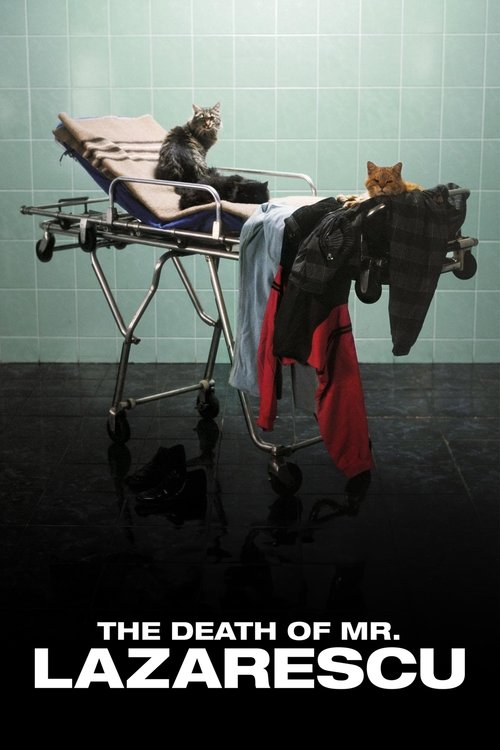
The Death of Mr. Lazarescu2005
Both films treat institutional humiliation not as plot but as their subject, and both trust the audience to sit with discomfort without resolution.
Cristi Puiu's Romanian film follows an old man through a hospital system's indifference with deadpan precision. Like Xala, it weaponizes banality and bureaucracy as tools of degradation, and finds terrible humor in how systems fail the powerless.
But It's deliberately slow and offers no catharsis. The accumulated helplessness can feel punishing rather than illuminating.
More like this (7)
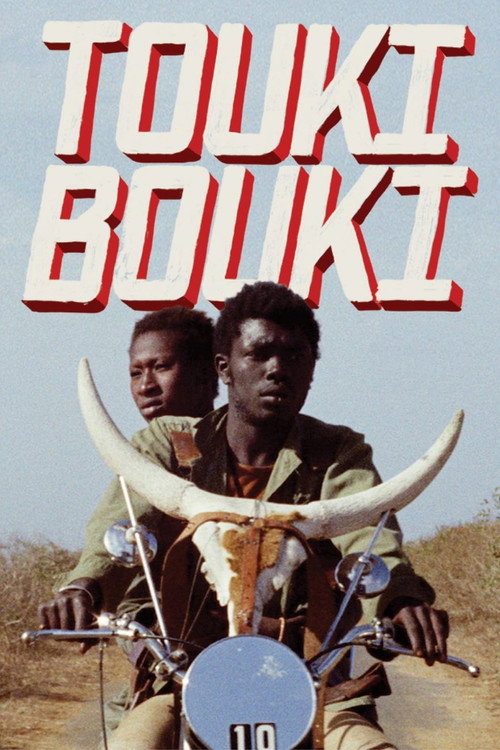
Touki Bouki1973
Djibril Diop Mambéty's Senegalese contemporary is equally hallucinatory and angry about post-colonial desire. Both films treat their country's contradictions as material for surreal, savage art.
But It's even more formally experimental than Xala. The narrative is dreamlike, bordering on impenetrable on first viewing.
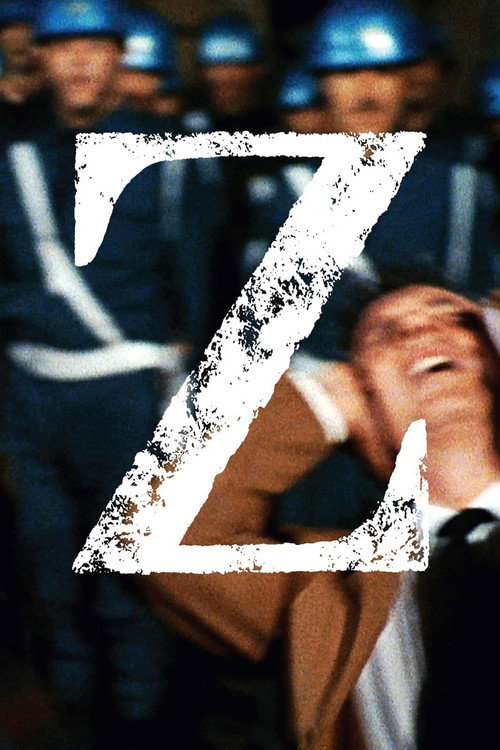
Z1969
Costa-Gavras uses political thriller machinery to expose state complicity and collective denial. It has the same righteous fury as Xala, though through a very different aesthetic.
But It's didactic by modern standards—the film wants you to *learn* something, and won't let you ignore it.
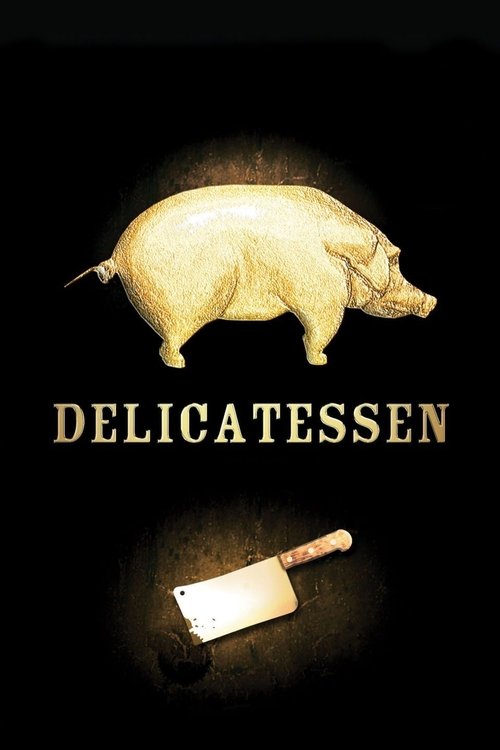
Delicatessen1991
Jeunet and Caro's cannibalistic dark comedy uses grotesque humor to skewer class and survival. Both films find the absurdity in systems designed to dehumanize.
But The visual style is maximalist and arch—it can feel affected if you're in the mood for restraint.
The Godfather Part II1974
Coppola parallels American and Sicilian corruption to ask if power and criminality are separable. Xala asks the same question about African elites and colonial inheritance.
But It's a long film about men in suits. If that genre description doesn't excite you, no amount of greatness will fix it.

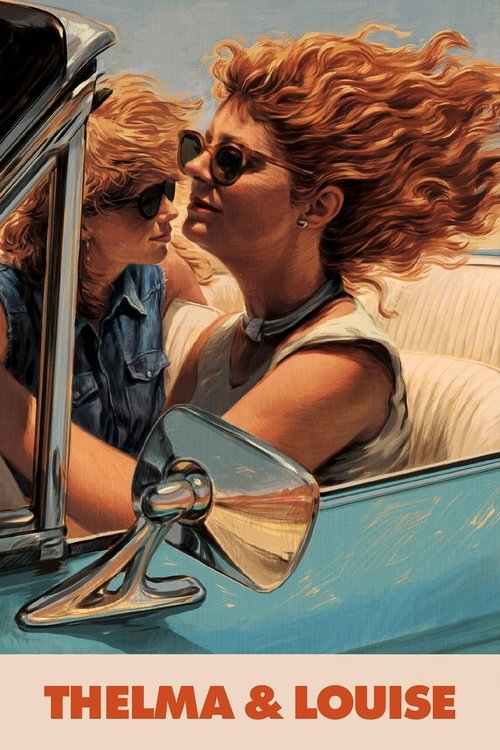
Thelma & Louise1991
Ridley Scott's film uses female violation and humiliation as a catalyst for revenge and complicity. Both films make the audience feel the weight of what systems demand.
But It's explicitly traumatic—there are scenes some viewers find too difficult to sit with.
Come and See1985
Elem Klimov's Soviet war film treats atrocity with the same unflinching gaze Sembène brings to degradation. Both refuse to let you distance yourself from what you're watching.
But It's genuinely one of the most traumatic films ever made. Not recommended for casual viewing or recovery days.

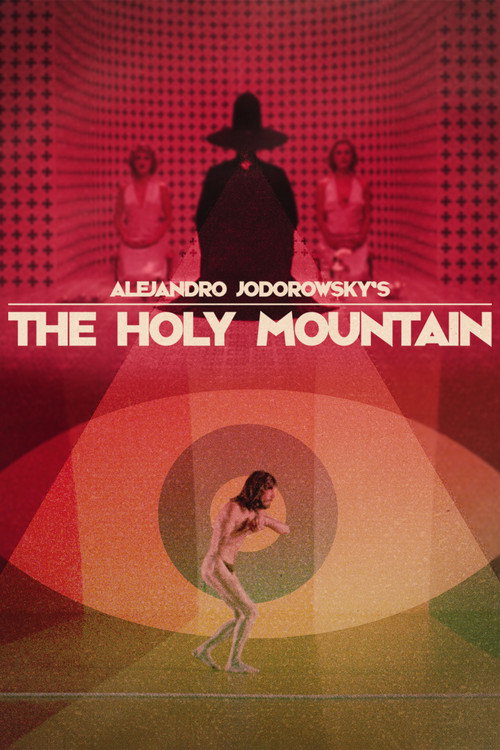
The Holy Mountain1973
Both films from 1973-75 use the body—especially male sexual dysfunction—as a direct metaphor for spiritual and social corruption, and both refuse to explain the metaphor.
Jodorowsky's surrealist masterpiece is mystical where Xala is material, but both use bodily dysfunction and surreal imagery to ask what systems demand of us and what price we pay. It's fever-dream satire of a different kind.
But It's nearly three hours of deliberately baffling symbolism. Most people find it either profound or unwatchable, with little middle ground.
People
Cast
- Thierno LeyeHadji Aboucader Beye
 Myriam NiangRama (as Miriam Niang)
- Seune SambAdja Assatu, Beye's wife
- Fatim DiagneSaleslady / Secretary
- Younousse SèyeAram, Second Wife
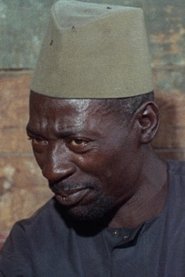 Mustapha TureThe Client
- Iliamane SagnaModu, El Hadji's chauffeur
- Dieynaba NiangLa Badiene
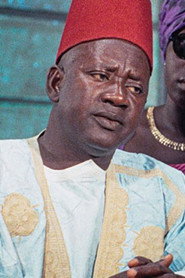 Makhouredia GueyeMinister Kebe
- Farba SarrBusiness Man
- Mamadou SarrBusiness Man
- Farba SarrBusinessman
Directing
- Ousmane SembèneDirector
Writing
- Ousmane SembèneWriter
Production
- Paulin Soumanou VieyraProducer