
Film
Black Girl
- Social drama
- Very dark
Ousmane Sembène's debut feature, often called the first sub-Saharan African film to reach international screens, is deceptively spare: 65 minutes, one apartment, one woman's slow suffocation. Diouana crosses an ocean expecting a life and gets a uniform instead. Sembène shoots it plain and cold, letting silence and a wooden mask do the screaming. Brief, blunt, unforgettable.
Should you watch it?
Watch it if you like films that let a single room's silences carry more weight than plot machinery, and you're happy to sit with a colonial household's quiet cruelty told through patient, close framing.
Skip it if you need steady incident to stay engaged, since its long static takes and sparse dialogue make it feel slow and withholding, even at barely an hour.
What it asks of you: Sixty-five minutes, mostly held shots and a slow build of unease; it wants you to sit with discomfort rather than be carried along by the story.
Not sure? Find tonight's pick in a minute.
If you liked this
Atlantics2019
Mati Diop, whose uncle Djibril Diop Mambéty worked alongside Sembène, returns to Dakar for a film about longing, migration and the sea that swallows those who leave. Eerie, tender, unmistakably Senegalese.
But It drifts into ghost story territory in its second half, which some viewers find a tonal swerve too far.

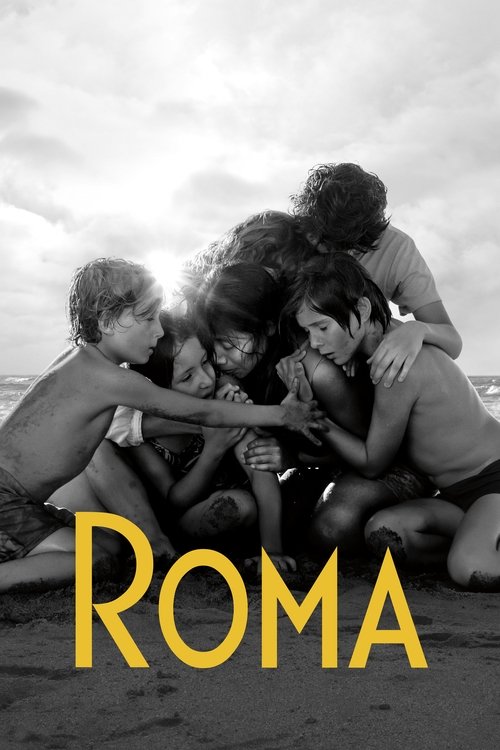
Roma2018
Alfonso Cuarón's black-and-white memory piece centres a live-in maid in a wealthy Mexico City household, watching the family's crisis from just outside it. Gorgeous, patient, devastating in its quiet moments.
But Long and deliberately uneventful; if you need plot momentum, its stillness will test your patience.
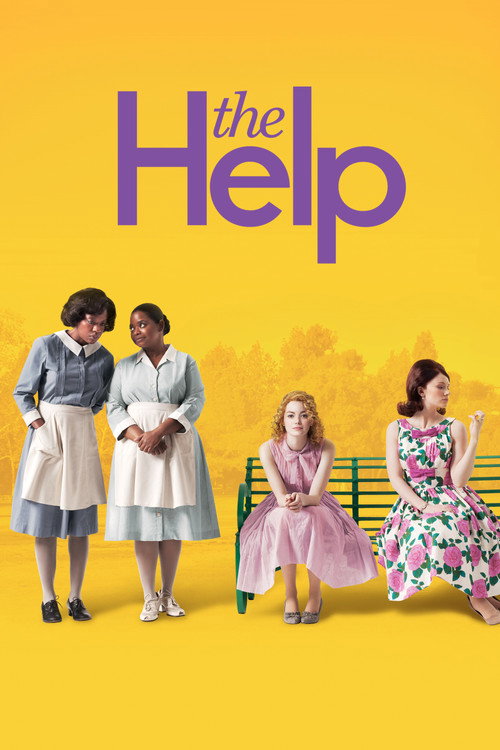
The Help2011
A more mainstream, crowd-pleasing look at Black domestic workers under white employers in the segregated American South, with performances that carry real anger under the polish.
But Criticised for centring a white writer's redemption arc rather than the maids' own voices - a real limitation, not just a nitpick.
Not sure tonight? Get a pick in a minute, starting from Black Girl
The wildcard
Something you would not have found on your own.
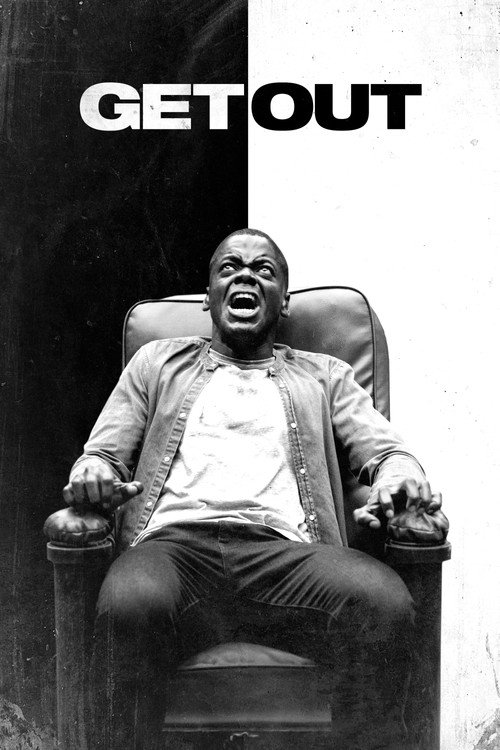
Get Out2017
Both films are about a Black person absorbed into a white household as an object of use rather than a person - one plays it as tragedy, the other as nightmare.
Jordan Peele's horror-satire about a Black man who discovers exactly how literally a white household intends to possess him. Terrifying, hilarious, and precise about the same dehumanisation Sembène depicts, just wearing a genre costume.
But It's a horror movie with jump scares and body horror - if you came to Black Girl for restraint, this swings hard the other way.
More like this (8)
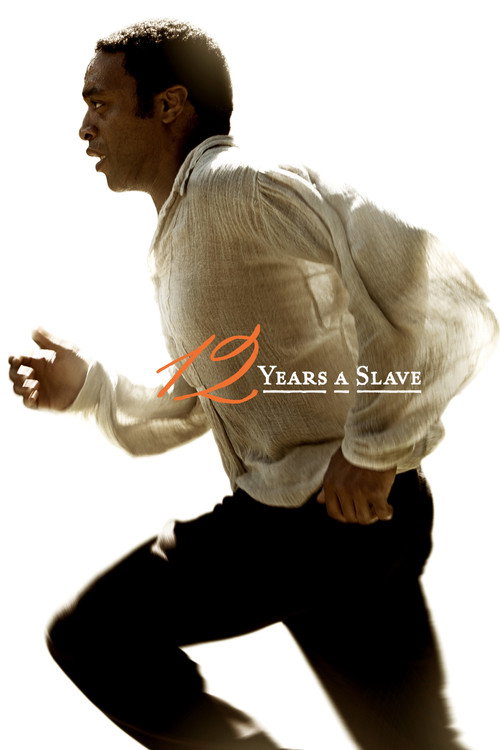
12 Years a Slave2013
Steve McQueen's unflinching account of a free Black man sold into slavery shares Sembène's refusal to soften the truth of being owned, watched, and reduced to labour.
But Genuinely harrowing; its violence is depicted with a clarity that some viewers find too much to sit through.
Belle2013
A mixed-race woman raised in an 18th-century aristocratic English household finds herself simultaneously privileged and permanently other - a costume drama with real teeth about belonging nowhere fully.
But Its romance-plot conventions occasionally blunt the sharper political questions it raises.

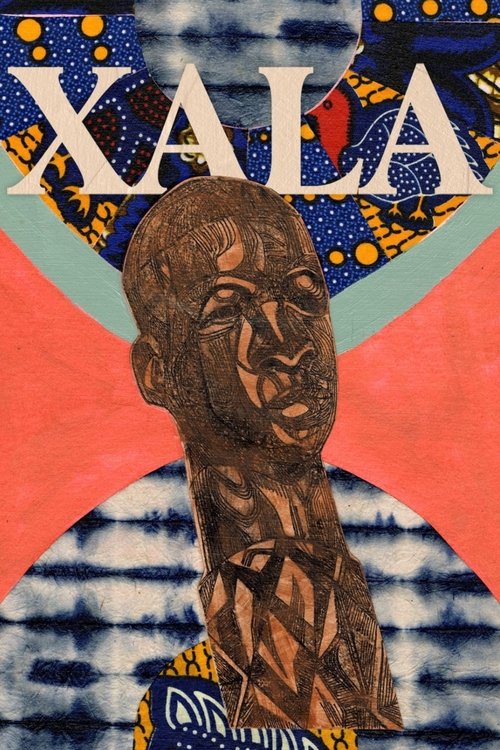
Xala1975
Sembène again, angrier and funnier this time, skewering Senegal's new Black bourgeoisie who've simply replaced their colonisers. A great companion piece for seeing how his politics sharpened.
But Broader and more satirical than Black Girl - if you wanted more of that film's quiet ache, this is a different register entirely.
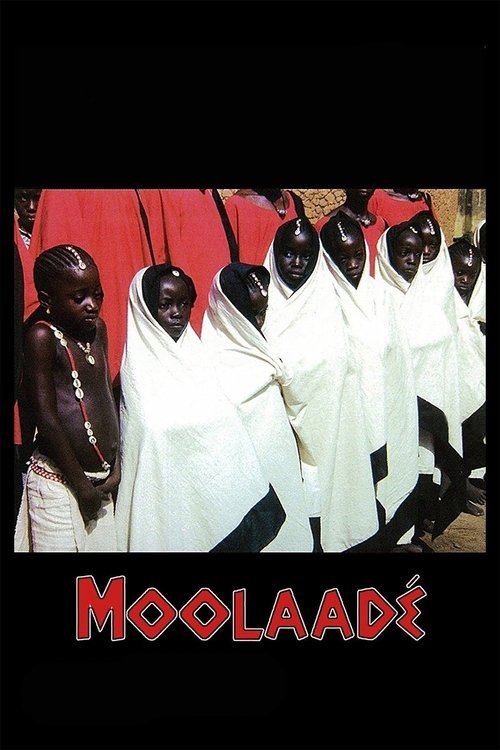
Moolaadé2004
Late Sembène, warmer and more communal, following a woman who shelters girls from female genital cutting. Shows the same director decades on, still fighting for the powerless.
But Its subject matter is difficult, and the pacing is unhurried even by arthouse standards.
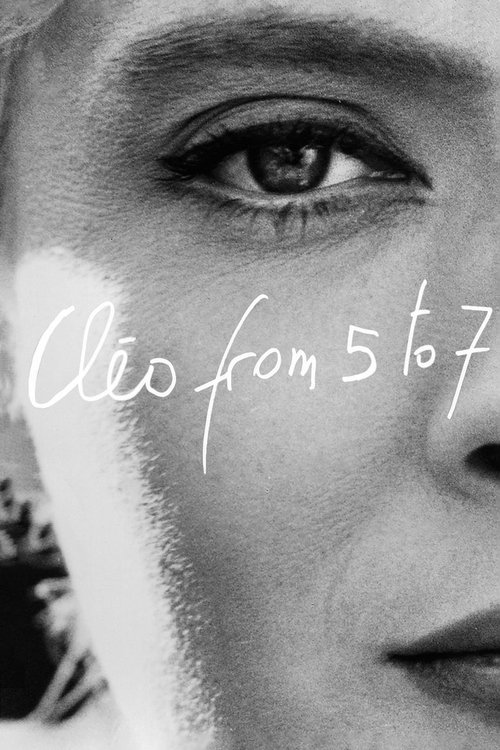
Cléo from 5 to 71962
A contemporaneous French New Wave film about a woman wandering Paris feeling like a stranger in her own life - useful for seeing what French cinema was doing at exactly the same moment, from the other side of the colonial relationship.
But Light and playful where Black Girl is heavy; the connection is more historical than emotional.
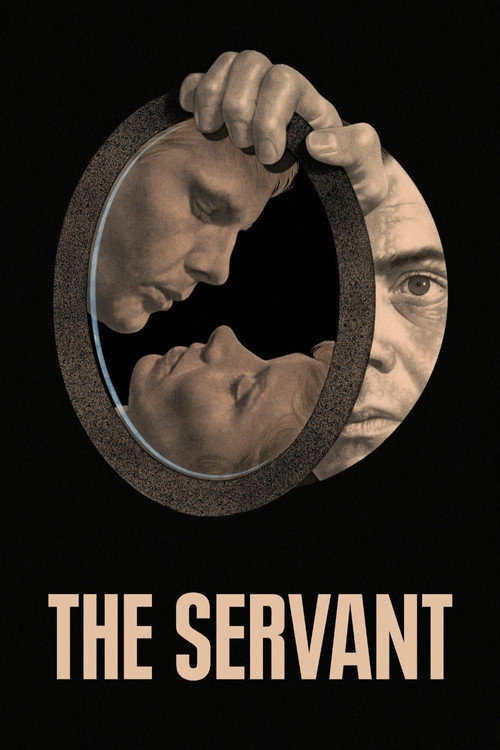
The Servant1963
A British class-and-power chamber piece where a manservant slowly upends his employer's household - the master-servant dynamic taken to a very different, colder conclusion.
But Its power reversal is almost the opposite point Sembène is making, so don't expect the same moral clarity.
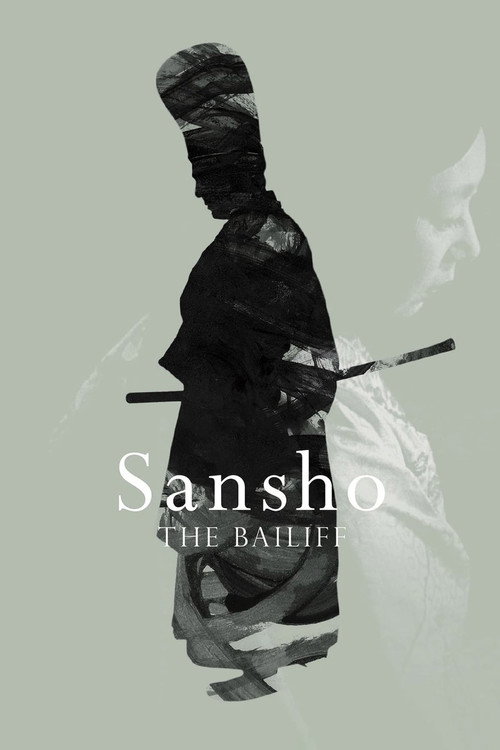
Sansho the Bailiff1954
Both films use bondage and servitude to ask whether a person's inner dignity can survive being owned by someone else - one did it a decade before the other, on the opposite side of the world.
Kenji Mizoguchi's medieval Japanese epic about a family sold into slavery and servitude does, twelve years earlier and on a different continent, exactly what Sembène attempts: showing dignity surviving total powerlessness through composed, unhurried images.
But It's slower and more formally austere, and its historical setting distances the cruelty a little compared to Sembène's contemporary bluntness.
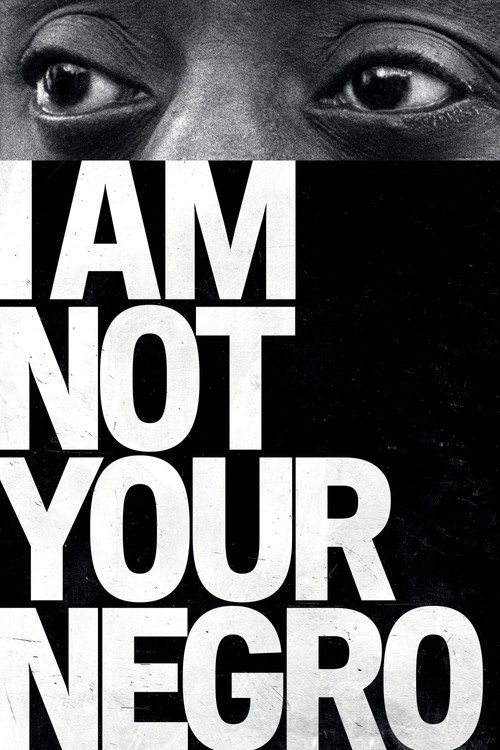
I Am Not Your Negro2017
Where Black Girl dramatises the experience of being seen as an object by white employers, Baldwin's words diagnose that same gaze directly and without fiction's distance.
Raoul Peck's documentary essay, built entirely from James Baldwin's unfinished manuscript, is the nonfiction cousin to Black Girl's fiction - a direct, furious meditation on being watched, judged and reduced by a white gaze.
But It's essay filmmaking, not narrative - no story to follow, just argument and archival footage, which some find less immersive than drama.
People
Cast
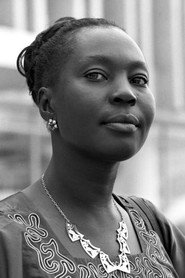 Mbissine Thérèse DiopDiouana
- Anne-Marie JelinekMadame
- Robert FontaineMonsieur
 Nar SeneDiouana's Boyfriend
- Ibrahima BoyBoy with Mask
- Bernard DelbardYoung Male Guest
- Nicole DonatiYoung Female Guest
- Raymond LemeriOld Male Guest
- Suzanne LemeriOld Female Guest
- PhilippeCouple's Oldest Son
- SophieCouple's Daughter
- DamienCouple's Youngest Son
Directing
- Ousmane SembèneDirector
Writing
- Ousmane SembèneNovel
- Ousmane SembèneWriter
Production
- André ZwobadaProducer
- André ZwobadaProduction Manager
Recommended by
The Exiles, Nothing But a Man, Daughters of the Dust, Sembene!, Return to Paradise