
Film
Sembene!
Sembene! is a documentary portrait of Ousmane Sembène, the Senegalese filmmaker and novelist who weaponized storytelling against colonialism and injustice. It uses archive footage, interviews, and film clips to show how this visionary artist shaped African cinema and consciousness. For anyone curious about cinema's power to change minds and the voices that built African modernity.
Should you watch it?
Watch it if you want to understand how a filmmaker's politics and craft grew out of one another, and you enjoy documentaries that let an artist's own voice and archive footage carry the argument.
Skip it if you want fast cutting or a lot of fresh interviews, because this one is unhurried and built largely around archive material that may feel static to some viewers.
What it asks of you: At 82 minutes it is short, but the pace is deliberate, and it lingers on old footage longer than you might expect.
Not sure? Find tonight's pick in a minute.
If you liked this
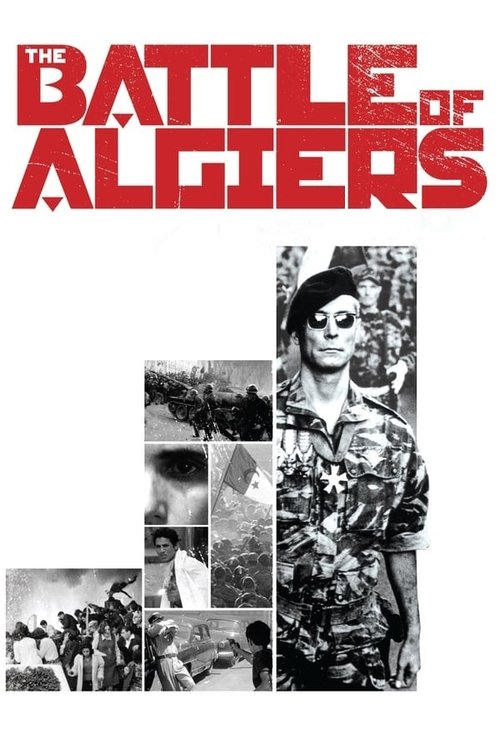
The Battle of Algiers1966
A masterpiece of political cinema that dramatizes anti-colonial struggle with formal brilliance. It shows what Sembène was fighting for: cinema that tells the stories colonizers wouldn't allow.
But Black-and-white, 1960s pacing; the politics are unambiguous, which some find didactic rather than exploratory.
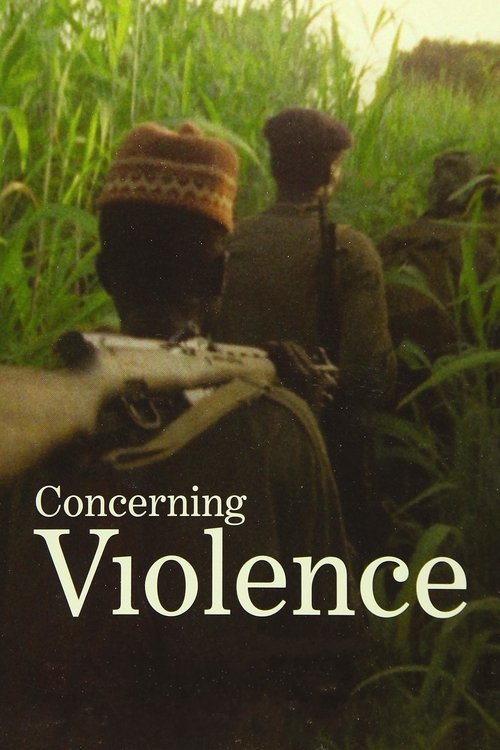
Concerning Violence2014
A documentary essay on decolonization that uses archival footage and Frantz Fanon's voice. It shares Sembène's conviction that cinema can reframe history and reclaim narratives stolen by the West.
But Densely theoretical; the montage is challenging and requires active attention rather than passive watching.
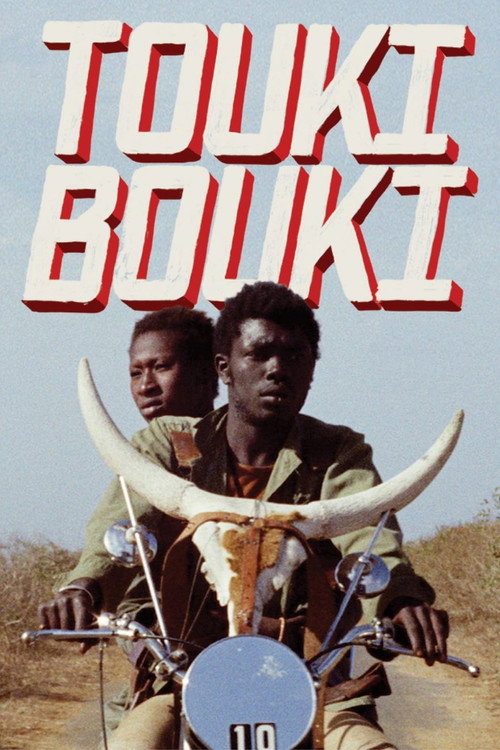
Touki Bouki1973
A Senegalese film (also by a peer of Sembène's era) about two young people dreaming of escape. It shows the visual poetry and lyric uncertainty that existed alongside Sembène's more direct political cinema.
But Surreal and associative rather than narrative-driven; slow. Not everyone clicks with its dream logic.
Not sure tonight? Get a pick in a minute, starting from Sembene!
The wildcard
Something you would not have found on your own.
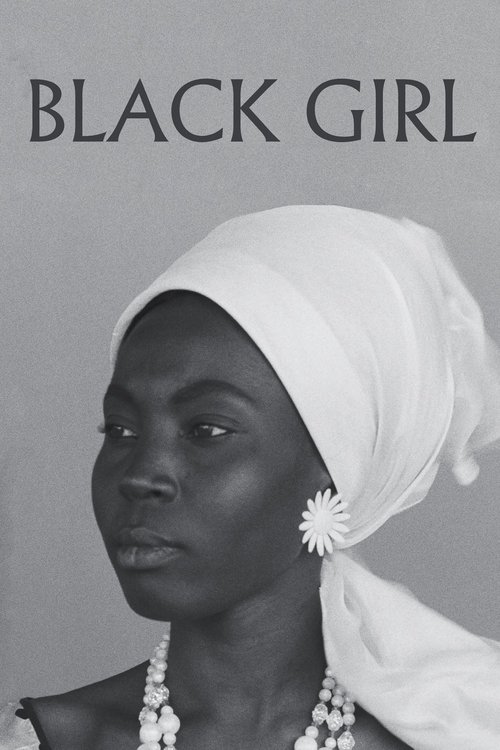
Black Girl1966
Not a recommendation *about* Sembène—it *is* Sembène. The documentary introduces him; this is the proof.
This is Sembène's debut feature itself—a searing 65-minute film about a young Senegalese woman working as a maid in Paris. Watch what he made, not just who he was. It's brutal, precise, and speaks louder than any documentary about him.
But Devastating in its portrait of colonialism's everyday cruelty; no catharsis, just truth. Some viewers find it too bleak to enjoy.
More like this (5)
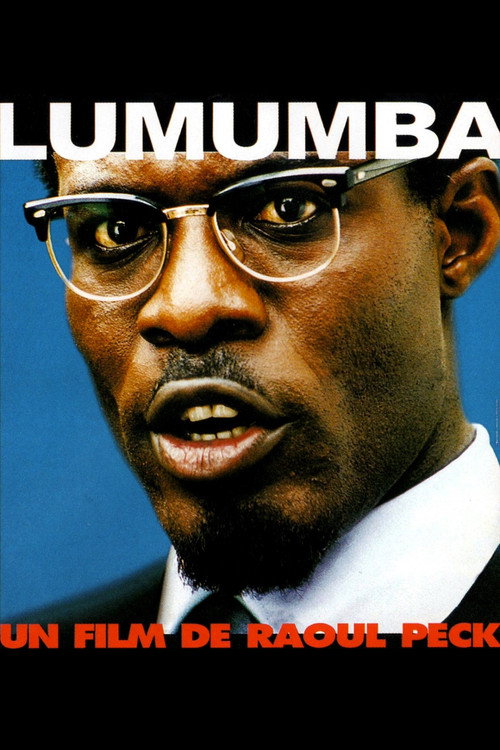
Lumumba2000
Raoul Peck's biography of the Congolese independence leader uses cinema to resurrect a silenced figure. It embodies the same urgency Sembène felt: tell the stories they tried to erase.
But Compressed, sometimes melodramatic; not subtle about its message, which irritates viewers seeking nuance in politics.
The Act of Killing2012
An unflinching documentary about Indonesian mass murder that lets perpetrators tell their story. It's about how cinema and testimony can force reckoning with historical horror.
But Graphic and morally vertiginous; watching killers perform is deliberately uncomfortable and disturbing.

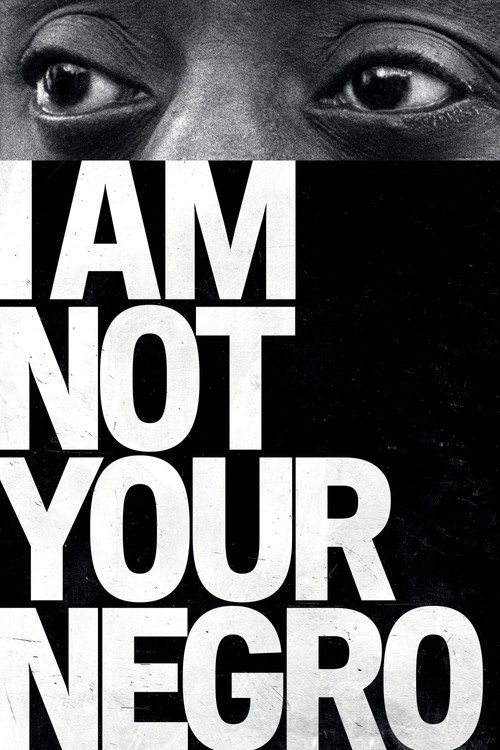
I Am Not Your Negro2017
Raoul Peck again, using James Baldwin's words and archive to interrogate American racism. It shows how a great essayist (like Sembène) can use media as argument and witness.
But Heavy and unflinching about racial violence in America; some viewers find it emotionally exhausting rather than clarifying.
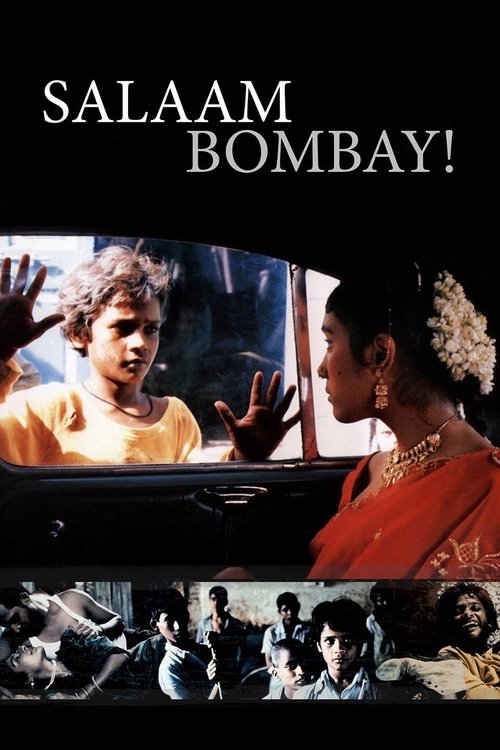
Salaam Bombay!1988
Both filmmakers weaponize realism and specificity against indifference. Nair learned from the African cinema pioneers Sembène helped establish.
Mira Nair's film about street children in Mumbai uses cinema to make the invisible visible—exactly Sembène's mission, but in a different continent and era. Humanizing the marginalized through the camera's unflinching gaze.
But Shot on location with real hardship on screen; it's immersive but can feel exploitative if you're skeptical of the director's intent.
Man with a Movie Camera1929
Both see cinema as a weapon against lies—Vertov fought Soviet invisibility, Sembène fought colonial erasure. Different enemies, same faith in the medium.
Dziga Vertov's Soviet silent film about cinema as revolutionary tool predates Sembène by decades, but shares his core belief: the camera can expose truth and reshape consciousness. A formal masterpiece that shows how form itself is argument.
But Silent, abstract, made nearly a century ago; the avant-garde methods require patience and an open mind to cinema as essay rather than story.

People
Cast
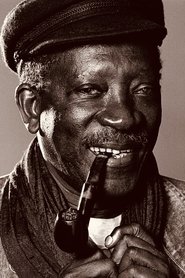 Ousmane SembèneHimself (archive footage)
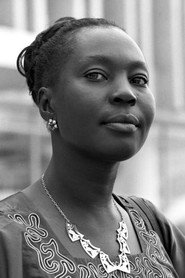 Mbissine Thérèse DiopDiouana (archive footage)
Directing
- Jason SilvermanDirector
- Samba GadjigoDirector
Writing
- Jason SilvermanWriter
- Samba GadjigoWriter
Production
- Dan CoganExecutive Producer
- Jenifer WestphalExecutive Producer
- William T. ConwayExecutive Producer
- Jason SilvermanProducer
- Samba GadjigoProducer