
Film
The Golden Dream
- Social drama
- Very dark
A Guatemalan-language drama following four teenagers on a perilous journey north toward the US border. Shot with unflinching documentary realism, it's a story of desperation, friendship, and the ordinary cruelties of migration. Made for anyone who wants to understand why people risk everything to leave home.
Should you watch it?
Watch it if you are drawn to slow, observant road stories where the journey itself is the subject, and you like young characters rendered with unforced tenderness rather than tidy plotting.
Skip it if you need a clear dramatic arc or fast momentum; long stretches here stay with ordinary moments and quiet waiting, and the mood rarely lifts for long.
What it asks of you: Roughly two hours of patience, with unhurried scenes that linger on faces and small routines, and a steady undertow of worry that asks you to sit with it.
Not sure? Find tonight's pick in a minute.
If you liked this
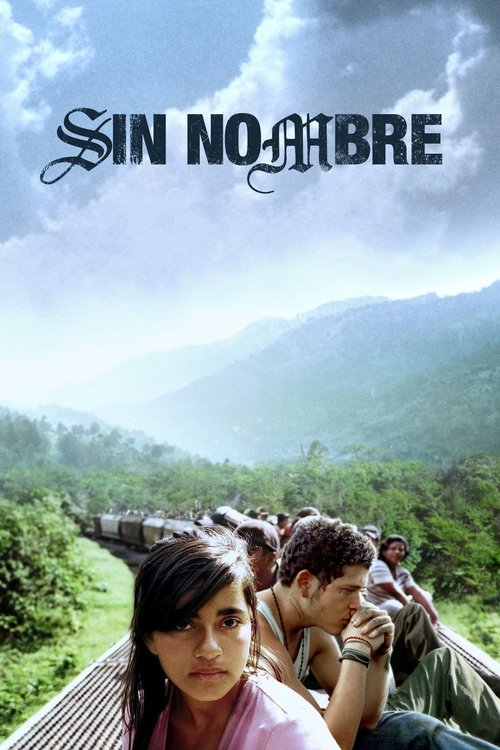
Sin Nombre2009
A Mexican gang member and a Honduran migrant girl's paths collide on a train heading north. Cary Fukunaga's film has the same unflinching eye for the machinery of migration, with a narrative momentum that never lets go.
But The violence is casual and sudden. There's no catharsis, only the grinding logic of systems that chew people up.
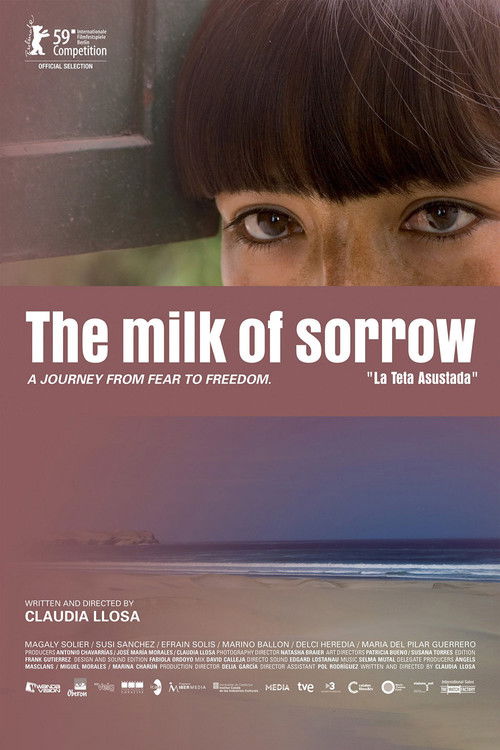
The Milk of Sorrow2009
A Peruvian magical-realist fable about inherited trauma and displacement. Where The Golden Dream is realist, this one dreams—but both understand how violence and displacement burrow into people's bones across generations.
But The symbolism is dense and the narrative deliberately fragmented. If you need straightforward storytelling, this will frustrate you.
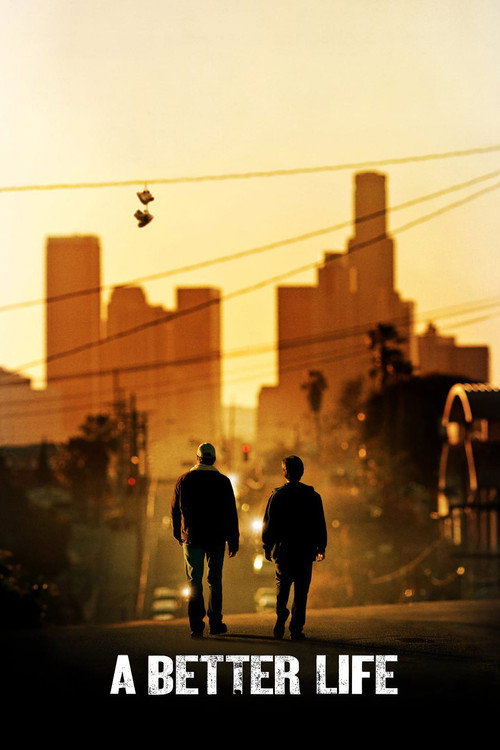
A Better Life2011
An undocumented Mexican immigrant and his son in LA—it's the aftermath of the journey The Golden Dream depicts. The film is tender about love and aspiration while staying honest about what the system allows.
But It can feel a bit small and domestic after the epic scope of the road. Some will find it earnest in a way that edges toward sentimentality.
Not sure tonight? Get a pick in a minute, starting from The Golden Dream
The wildcard
Something you would not have found on your own.
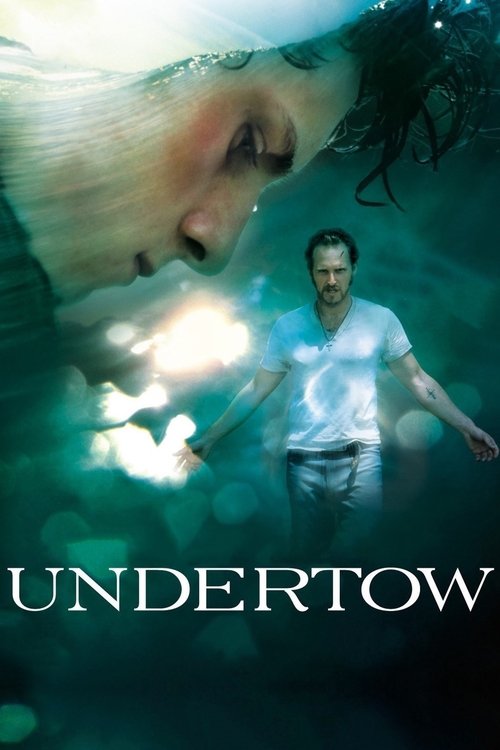
Undertow2004
Both are Central/South American films about young people in flight from violence, but where The Golden Dream is documentary-realist, Undertow lets myth and the natural world bleed into the story—same desperation, different grammar.
A Colombian film about two boys escaping downriver with their father and a mysterious stranger. It's a journey film like The Golden Dream, but one where magical realism and family secrets slowly surface from the water. Quietly devastating.
But The pacing is glacial and the plot moves by suggestion rather than action. Some will find it hermetic and slow.
More like this (7)
Coco2017
A love letter to Mexican culture and family that never shies from loss and displacement. The visual storytelling is sumptuous, and it trusts its audience to feel complex things about belonging and home.
But It's a Pixar film, so if you're looking for grittiness or moral ambiguity, you won't find it here. The film is fundamentally hopeful in a way The Golden Dream isn't.

American Honey2016
A runaway girl joins a roving sales crew and discovers a weird kind of freedom and family. Andrea Arnold shoots America like a fever dream—it's about displacement and finding your tribe among the dispossessed.
But It's deliberately loose and sometimes shapeless. The runtime stretches past two hours and some scenes feel indulgent. Patience required.

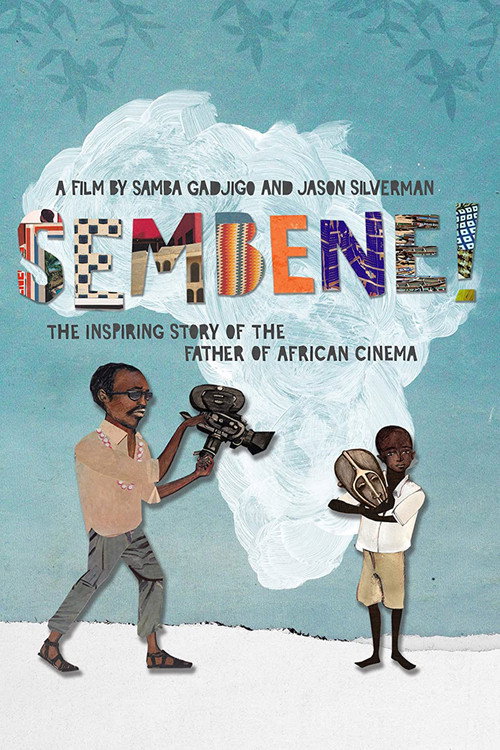
Sembene!2015
A documentary about Ousmane Sembène, the Senegalese filmmaker who made art about decolonization and migration. It's a portrait of an artist who refused easy answers about diaspora and belonging.
But It's a film about cinema for people interested in cinema. If you're not already thinking about how stories get told, it may feel academic.
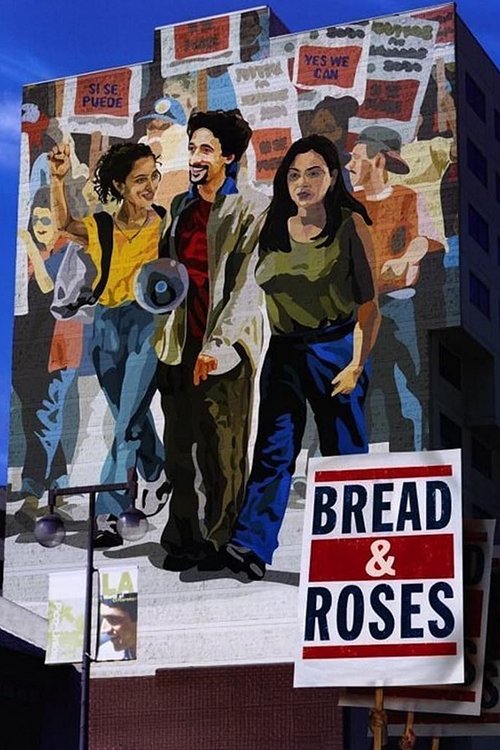
Bread and Roses2000
A young Mexican woman crosses the border to LA and joins a labor struggle. Ken Loach makes political films that center the actual lives of workers without turning them into arguments.
But The agitprop is visible. Some will feel lectured to. The ending is more politically satisfying than dramatically surprising.
Come and See1985
A Soviet film about a boy conscripted into WWII that refuses to look away from what war does to the human spirit. Brutal, essential, and about how systems destroy the innocent.
But It's genuinely hard to watch. The film uses sound and image to wound. You'll need to be in the headspace for something uncompromising and bleak.

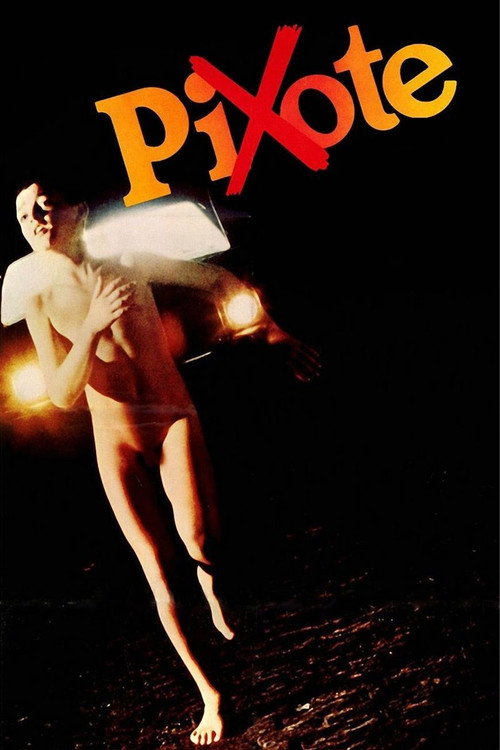
Pixote1980
Both center children trying to survive in systems designed to break them, but Pixote offers no journey, no border to cross—just the trap of the city closing in.
Hector Babenco's Brazilian film follows a street child through the criminal underbelly of São Paulo. It's shot with the same unflinching eye as The Golden Dream, but it moves through a world of exploitation and abandoned children with nowhere left to run.
But It's a hard watch and the film is almost entirely bleak. There's little light or hope, and the violence is endemic rather than dramatic.
The Act of Killing2012
The Golden Dream shows us the flight from violence; this film shows us how societies create that violence. One is witnessed escape, the other is perpetrator testimony—opposite angles on the same catastrophe.
A documentary where Indonesian death-squad executioners reenact their own killings for the camera. It's an interrogation of how societies rationalize atrocity and displacement. Completely different form, but asks the same question: what gets people to the point where they have to flee?
But It's a documentary, not a narrative, and deeply uncomfortable in different ways. Watching perpetrators perform their own violence will disturb you. It's an intellectual and moral reckoning, not an empathy machine.

People
Cast
 Karen MartínezSara
- Rodolfo DomínguezChauk
- Brandon LópezJuan
- Carlos ChajonSamuel
 Luis AlbertiHombre con Machete
 Gilberto BarrazaCoyote
Directing
- Diego Quemada-DíezDirector
- Carmiña CarballalScript Supervisor
Writing
- Diego Quemada-DíezScreenplay
- Gibrán PortelaScreenplay
- Lucía CarrerasScreenplay
Production
- Natalia BeristáinCasting
- Edher CamposProducer
- Inna PayánProducer
- Luis SalinasProducer