
Film
The Milk of Sorrow
- Drama
- Very dark
A haunting Peruvian film about inherited trauma, where a young woman carries a psychosomatic illness passed through her mother's milk—a metaphor for how violence echoes through generations. Visually poetic and deliberately strange, it transforms personal grief into something mythic. For those willing to sit with discomfort and ambiguity.
Should you watch it?
Watch it if you are drawn to patient, symbol-heavy films that let one haunting image carry a whole wound, and you don't mind sitting with grief rather than being rescued from it.
Skip it if you need story momentum or lighter company, since its pace is deliberate and its subject, sexual violence and inherited trauma, keeps the mood close to unbearable.
What it asks of you: It asks for patience across its 94 minutes, with long held shots, quiet stretches and a mood that stays heavy throughout.
Not sure? Find tonight's pick in a minute.
If you liked this
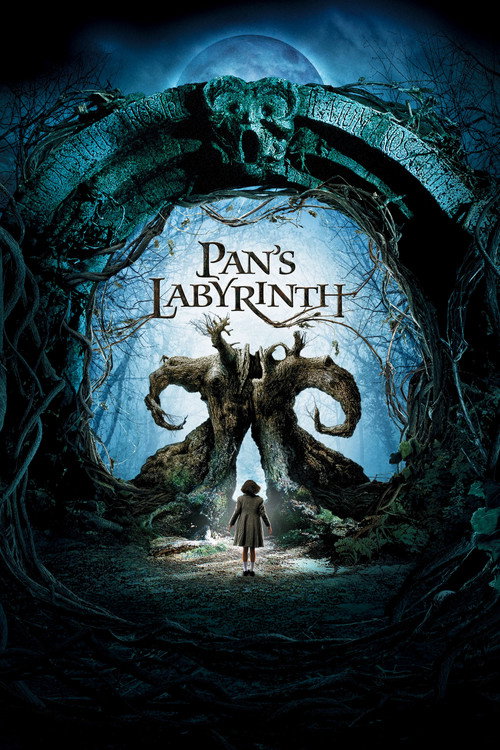
Pan's Labyrinth2006
A dark fairy tale set during Spanish fascism that uses magical realism to process trauma and loss. Like *The Milk of Sorrow*, it transforms horror into something beautiful and strange, grounding the surreal in genuine emotional stakes.
But It's bleak and violent in ways that won't resolve neatly. The fantasy elements might feel less earned if you're expecting straightforward narrative logic.
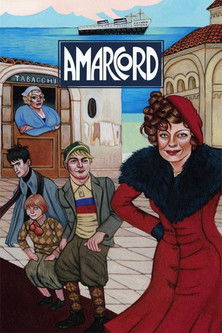
Amarcord1973
Fellini's memory-haunted film about a small Italian town under fascism. Both films use surrealism and the body to explore how history lives in us, mixing the grotesque with moments of unexpected tenderness and dark humour.
But It's a memory-collage rather than a plot. If you need forward momentum or clear dramatic structure, this will feel frustratingly opaque.
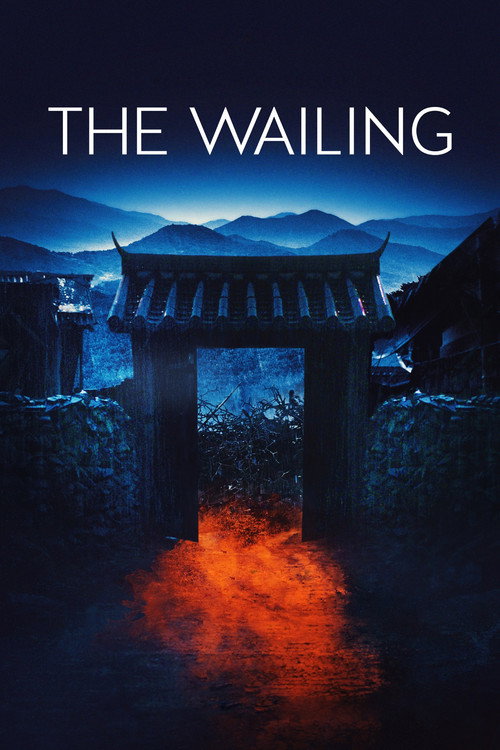
The Wailing2016
A Korean mystery that refuses easy answers, layering folk horror with spiritual dread and ambiguity. Like *Milk of Sorrow*, it trusts the audience to live with uncertainty and uses visual language to suggest meanings beyond words.
But Nearly three hours of mounting unease with no resolution. The logic is dreamlike, not rational—some find that liberating, others maddening.
Not sure tonight? Get a pick in a minute, starting from The Milk of Sorrow
The wildcard
Something you would not have found on your own.
The Holy Mountain1973
Both films use the surreal and the bodily grotesque to reach toward something sacred; both believe cinema can be ritual, not just narrative.
Jodorowsky's surrealist cathedral of grotesque symbolism and spiritual seeking. Where *Milk of Sorrow* uses inherited trauma as metaphor, *Holy Mountain* uses bodily transformation and alchemical violence to explore rebirth. Both films trust images over exposition.
But It's deliberately obscene and bizarre—shock as a form of spiritual language. If you want meaning handed to you clearly, this will feel like pretentious garbage.

More like this (7)
Come and See1985
Elem Klimov's Soviet masterpiece about a boy caught in WWII's horrors. Both films use the body and sensory detail to convey trauma that can't be spoken, though this one is far more directly brutal in its method.
But It's one of cinema's most punishing experiences. If you're exhausted, fragile, or need catharsis rather than devastation, this will leave you hollowed out.

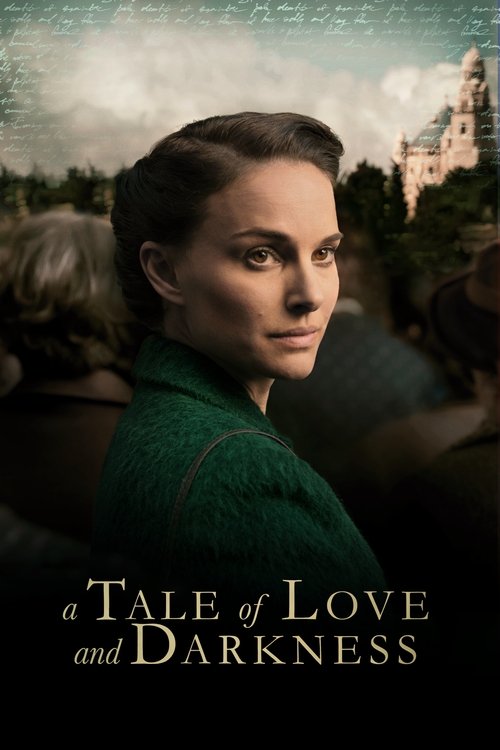
A Tale of Love and Darkness2015
Natalie Portman's meditation on her mother's suicide and inherited pain, told through Israeli mythology and childhood memory. It shares *Milk of Sorrow's* concern with how mothers' wounds shape daughters, filtered through cultural mythology.
But The ambitious visual language sometimes outpaces emotional clarity. It can feel precious in a way that undercuts its real subject matter.
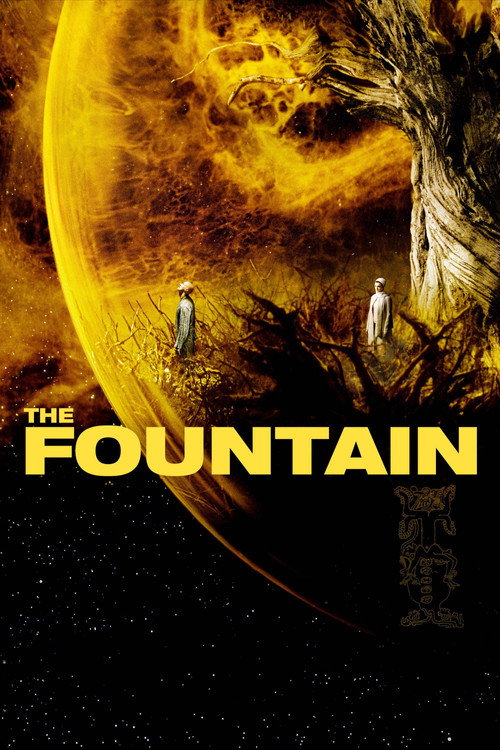
The Fountain2006
Darren Aronofsky's ambitious, grief-stricken film about death and mourning across centuries. Like *Milk of Sorrow*, it's visually baroque and uses symbolism instead of exposition, demanding you feel your way through meaning.
But It's deeply sincere about death in ways that can feel overwrought. If grand, abstract emotion leaves you cold, the film collapses.
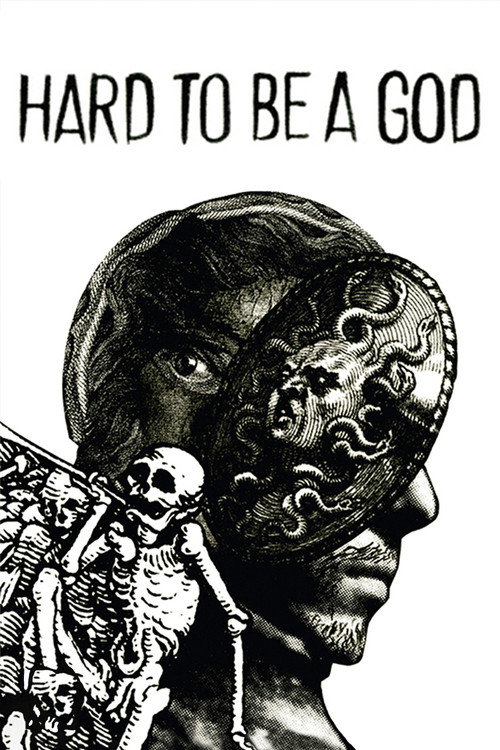
Hard to Be a God2014
Andrei Konchalovsky's mud-soaked film set on an alien planet that's actually medieval Earth—a meditation on whether anyone can resist becoming corrupted by violence. Shares *Milk of Sorrow's* commitment to strangeness as a form of truth-telling.
But It's nearly four hours of deliberate ugliness and opacity. You will work harder than most films ask, and some won't feel the work justified the reward.
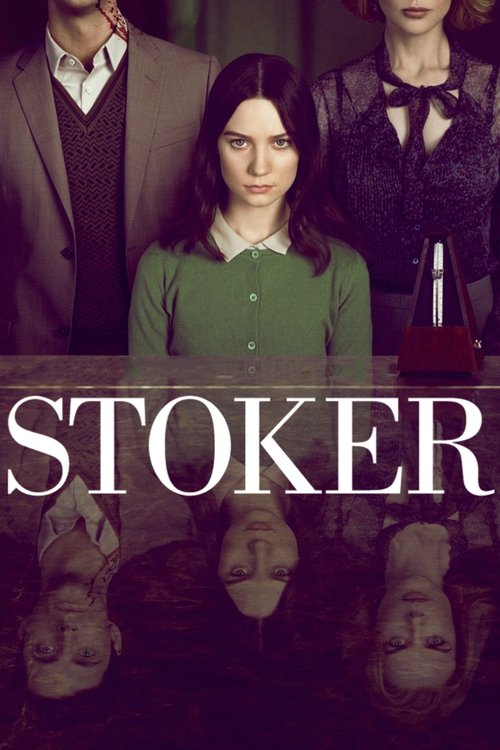
Stoker2013
Park Chan-wook's psychological thriller about a girl, her mother, and a mysterious uncle, told through sensory excess and perverse elegance. It shares *Milk of Sorrow's* use of the body as a text to be read, with violence operating at metaphorical and literal levels.
But The visual style can feel decorative, distancing you from genuine peril. Some see it as style substituting for substance—and they might be right.
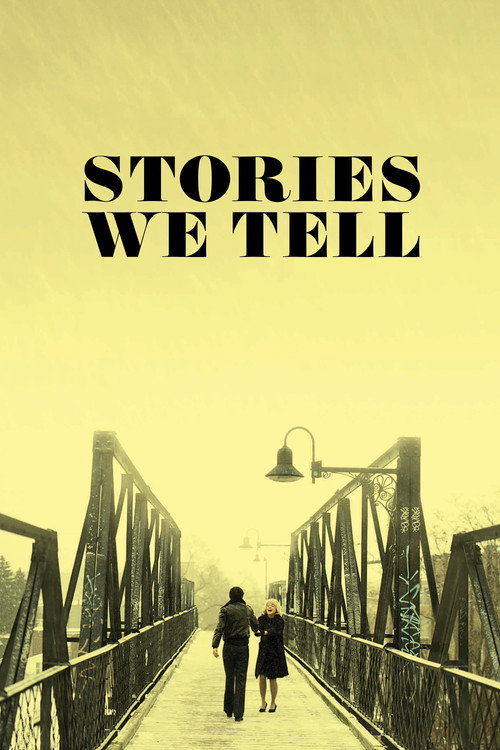
Stories We Tell2012
Both grapple with how trauma lives in silence and what we pass on to the next generation; one is imagistic and mythic, one is investigative and forensic.
Michael Haneke's documentary about his own family's mystery and the unreliability of memory and inherited stories. Unlike *Milk of Sorrow's* metaphorical approach, it directly examines how trauma passes through families and how we narrative our way through grief.
But It's a nonfiction film about private family dynamics, which means sometimes it's just... sitting with ordinary people discussing pain. The payoff is understanding, not catharsis.
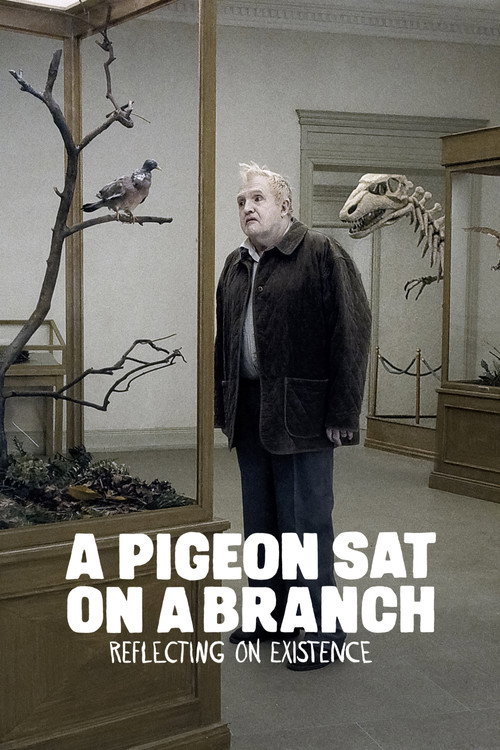
A Pigeon Sat on a Branch Reflecting on Existence2014
Both films refuse to separate the personal from the historical; both believe cinema's job is to show how small bodies carry big wounds, and that there's beauty in sitting with that.
Roy Andersson's Swedish dark comedy-meditation on mortality, loneliness, and the weight of history. It's closer in mood to *Milk of Sorrow*—sombre, strange, formally mannered—but uses deadpan humour instead of magic realism to make suffering bearable.
But It's extremely slow and repetitive by design, a test of tolerance for melancholy and strangeness. Many will find it pretentious or deliberately irritating rather than profound.
People
Cast
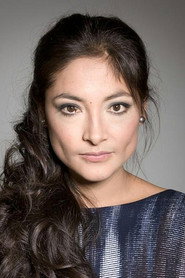 Magaly SolierFausta
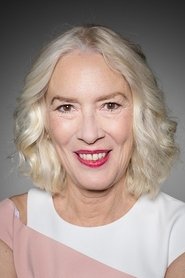 Susi SánchezAída
- Efraín SolísNoé
- Marino BallónTío Lúcido
Directing
- Claudia LlosaDirector
Writing
- Claudia LlosaScreenplay
Production
- Antonio ChavarríasProducer
- Claudia LlosaProducer
- José María MoralesProducer
Recommended by
María la del Barrio, Stranded: I've Come from a Plane That Crashed on the Mountains, Presumed Guilty, Even the Rain, Monos, Which Way Home, Bananas!*, Motherland, A Better Life, Cuna de lobos, Kamchatka, Song Without a Name, The Golden Dream, Nueba Yol: Por fin llegó Balbuena, Los Andes no creen en Dios, Prayers for the Stolen, Retablo, Undertow, Ixcanul, The Good Girls, Las acacias, El Amor No Tiene Precio, Esmeralda, Corazón Salvaje, Young Cassidy, El precio de la fama, Madeinusa