
Film
Young Cassidy
Young Cassidy is a Dublin-set bildungsroman about a poor man's scramble toward artistic ambition and self-invention in 1911. It's a lush, romantic film—visually gorgeous, emotionally restless—that captures the intoxicating moment when a young person realizes their life doesn't have to follow the script written for them. For anyone drawn to period dramas about artists finding their voice.
If you liked this
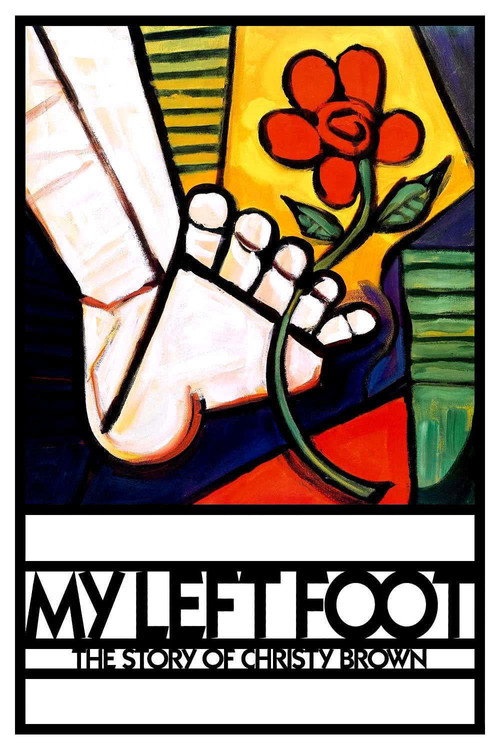
My Left Foot: The Story of Christy Brown1989
Another Irish drama about an impoverished artist fighting circumstance and social expectation to create. Daniel Day-Lewis delivers one of cinema's most ferocious performances, and the film has the same urgent, defiant energy.
But It's grittier and more visceral than Young Cassidy—less romanticism, more rage and bodily struggle. The tone is harsher throughout.
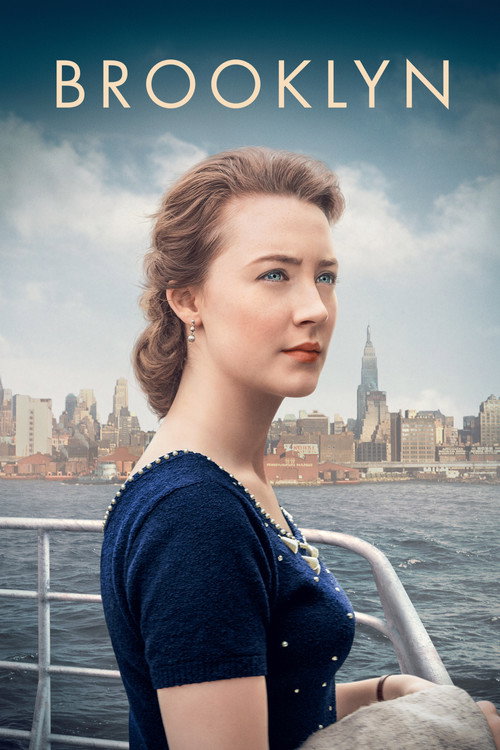
Brooklyn2015
A young person emigrating from poverty into possibility, finding love and artistic self-discovery in a new place. Saoirse Ronan is luminous, and the film captures that same bittersweet longing between two worlds.
But It's a smaller, quieter film—more interior life than social upheaval. If you want the rowdy Dublin energy and strikes, you'll miss that here.
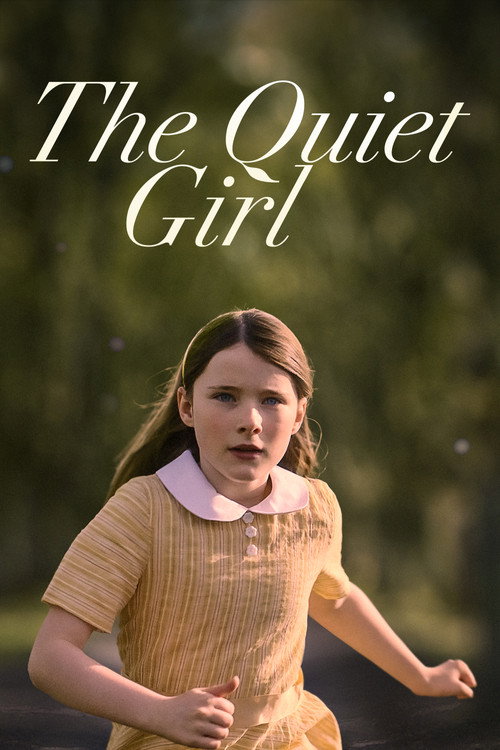
The Quiet Girl2022
An Irish film about a child discovering safety, belonging, and a richer life than poverty allowed. Gorgeously shot, deeply moving, and rooted in the same Irish landscape and social consciousness.
But It's restrained and melancholic where Young Cassidy is passionate and theatrical. The protagonist is a child, not a young man finding his voice through art.
Not sure tonight? Get a pick in a minute, starting from Young Cassidy
The wildcard
Something you would not have found on your own.
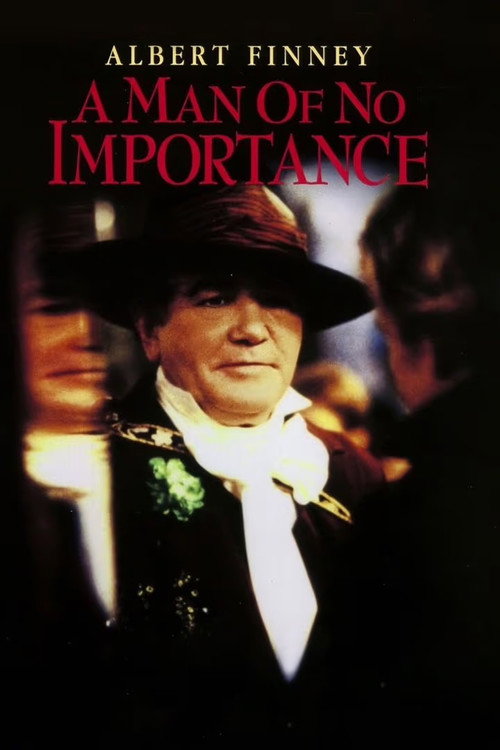
A Man of No Importance1994
Both are love letters to Dublin and the Abbey Theatre tradition, about men finding transcendence and identity through theatre despite (or because of) social constraint. One is becoming; one is concealing.
Albert Finney as a Dublin bus conductor in the 1960s directing amateur theatre productions—a secret artistic life hidden beneath his ordinary job. It's about the same city, the same passion for theatre and literature, the same yearning to transcend ordinary life through art.
But It's quieter, sadder, and more closeted. Your protagonist is discovering themselves; this one is hiding. The tone is melancholic rather than romantic.
More like this (8)
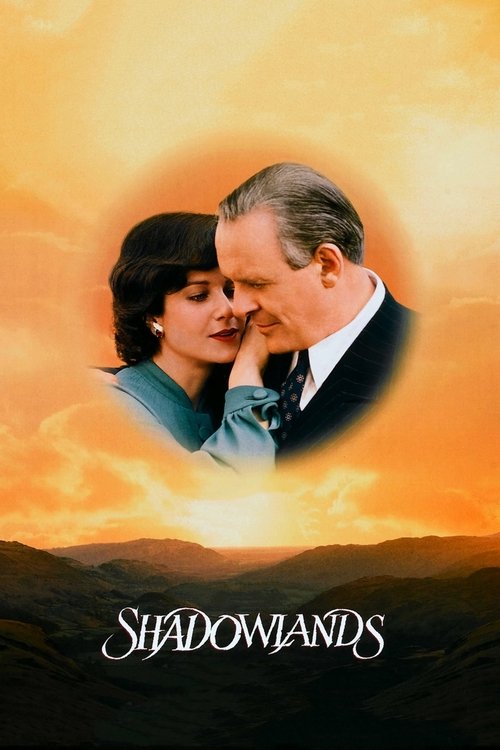
Shadowlands1993
Anthony Hopkins as C.S. Lewis in a film about writers, Oxford, love, and the cost of choosing an artistic life. It has that same literary romanticism and explores similar tensions between personal desire and public identity.
But It's set in a different era and country, and the tone is more elegiac than youthful. Less about finding your voice, more about losing what matters.
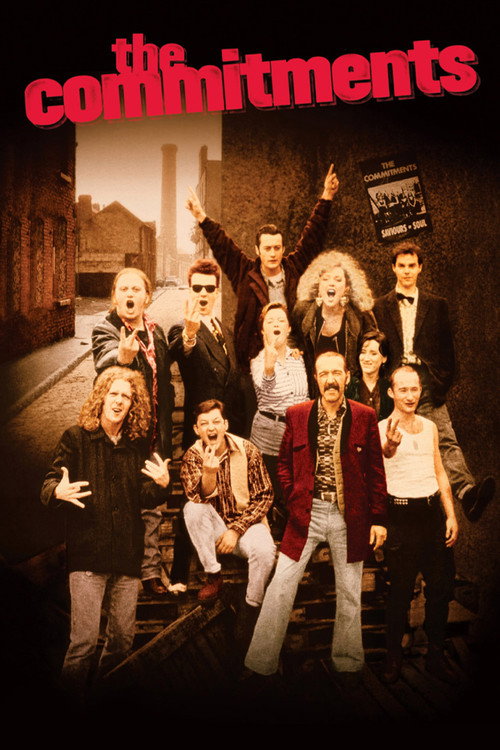
The Commitments1991
Another Dublin film about working-class people discovering music and ambition. It's raucous, funny, full of life and argument—captures the same scrappy Irish energy and dreams of transcendence.
But It's a comedy-drama about a soul band, not a literary artist. The tone is much lighter, and there's no romantic arc like Cassidy's with Nora.
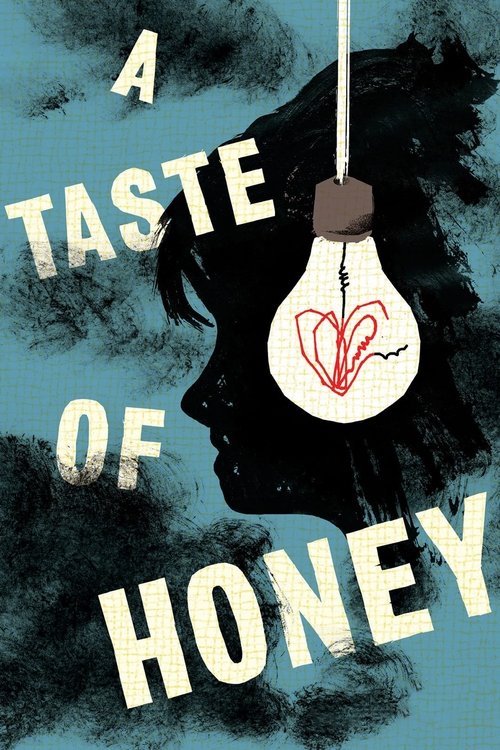
A Taste of Honey1961
A working-class young person in a grimy industrial city finding love, art, and escape through an unlikely mentor. The emotional core is similar—hope blooming in poverty, connection as salvation.
But It's bleaker and more claustrophobic, set in Manchester, not romantic Dublin. The protagonist is female and the stakes feel more desperate, less aspirational.
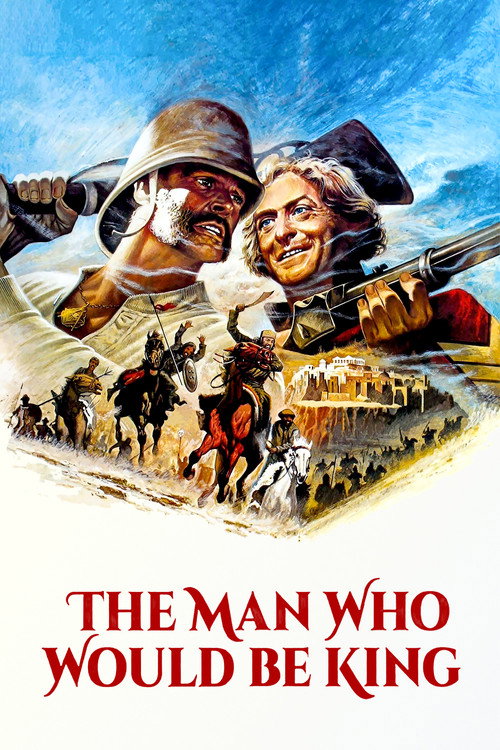
The Man Who Would Be King1975
Sean Connery and Michael Caine as two ambitious men from nothing dreaming their way toward greatness. It's an adventure film with that same DNA—romantics reaching beyond their station, willing the world to bend.
But It's a swashbuckling spectacle, not a literary drama. The scope is epic rather than intimate, and it ends very differently than Cassidy's journey.
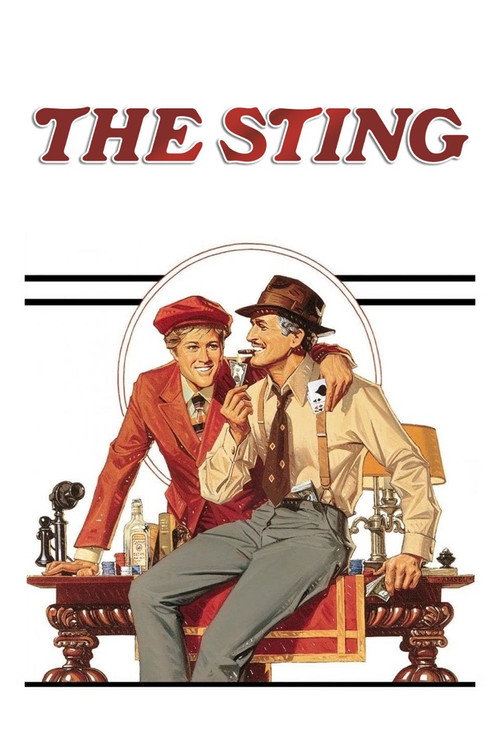
The Sting1973
Two con men from nothing building an elaborate scheme to rise above their circumstances. It shares that same kinetic energy about clever, resourceful people inventing their way into a better life.
But It's a caper, not a character study. There's no romantic or artistic dimension, and the humor is sharp rather than wistful.
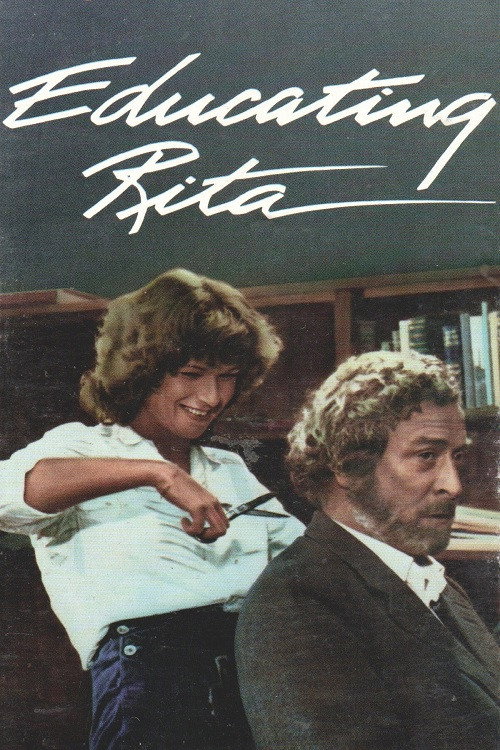
Educating Rita1983
A working-class woman pursuing education and self-invention through a relationship with a mentor. It explores similar terrain—ambition, class, the transformative power of art and learning, with genuine warmth.
But It's a two-hander dramedy that feels quite small and dated. The stakes are personal rather than social, and the tone is lighter than Young Cassidy's historical scope.
Stalker1979
Both are about the transformative power of desire and the journey toward something intangible. Cassidy pursues love and art; Stalker pursues a room. Both films ask: what are we willing to risk for transcendence?
Andrei Tarkovsky's Russian science-fiction film about a man guiding others toward a mysterious room that promises to fulfill your deepest desire. It's about longing, ambition, the spiritual hunger that drives people to reach beyond their circumstances.
But It's 163 minutes of slow, meditative, philosophical cinema in black and white. There are no romance, no Dublin, no theatre—it requires patience and doesn't offer conventional narrative satisfaction.

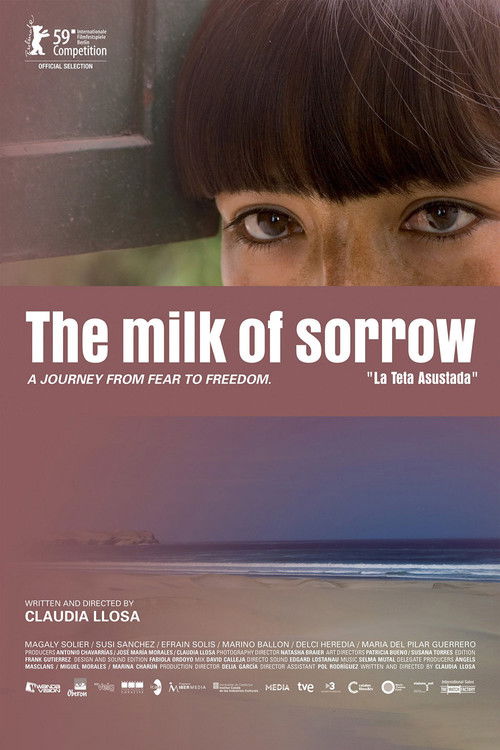
The Milk of Sorrow2009
Both follow young artists emerging from poverty and family damage into a richer, stranger life. Both argue that art isn't luxury—it's how you survive and transform inherited pain into something luminous.
Claudia Llosa's haunting Peruvian film about a young woman carrying her family's trauma through elaborate ritual and art. It's visually extraordinary, about young people inheriting impossible pasts and finding beauty and agency through creative acts.
But It's surreal, poetic, difficult. There's no conventional plot. It's in Spanish with subtitles, and the aesthetic is avant-garde rather than accessible.
People
Cast
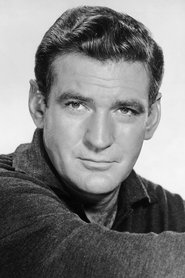 Rod TaylorJohn Cassidy
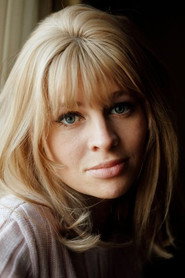 Julie ChristieDaisy Battles
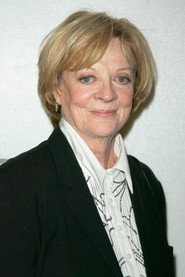 Maggie SmithNora
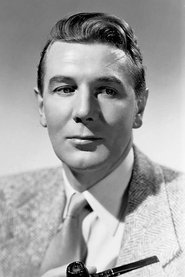 Michael RedgraveW.B. Yeats
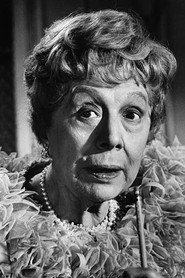 Edith EvansLady Gregory
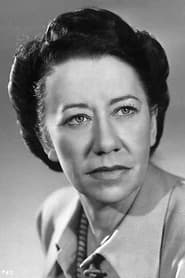 Flora RobsonMrs. Cassidy
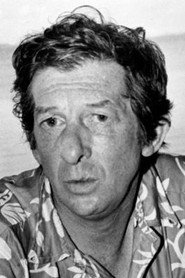 Jack MacGowranArchie
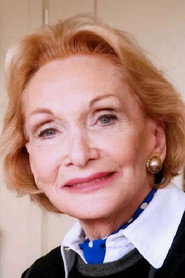 Siân PhillipsElla
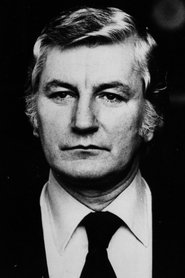
- Julie RossSara
- Robin SumnerMichael
- Philip O'FlynnMick Mullen
Directing
- John QuestedAssistant Director
- Jack CardiffDirector
Writing
- Sean O'CaseyBook
- John WhitingScreenplay
Production
- Michael KillaninAssociate Producer
- Miriam BrickmanCasting
- Robert D. GraffProducer
- Robert Emmett GinnaProducer
- Edward JosephProduction Supervisor