
Film
My Left Foot: The Story of Christy Brown
Daniel Day-Lewis vanishes into Christy Brown so completely you forget you're watching acting at all — every twisted syllable and flung limb feels lived, not performed. Jim Sheridan directs with rough, unsentimental warmth, and the film refuses to let its subject be a saint. It's about art, fury, and the family that made both possible. Bracing, not soft.
If you liked this
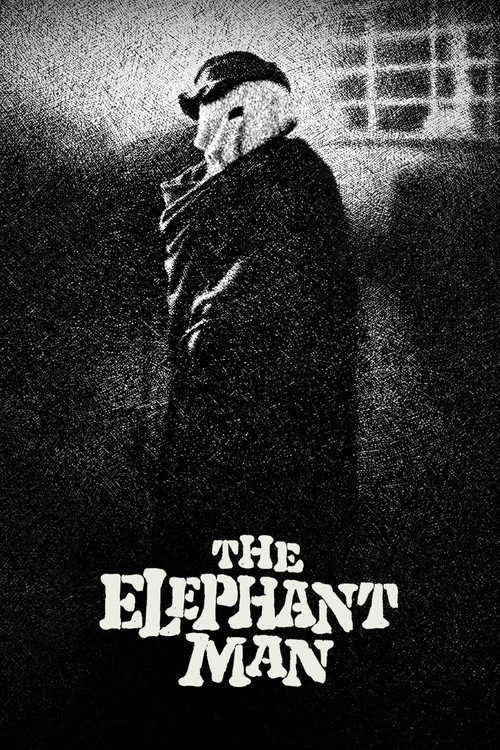
The Elephant Man1980
David Lynch's tender, monochrome telling of Joseph Merrick's life shares Christy Brown's central question: what does it take for the world to see a person instead of a diagnosis? Devastating and beautifully shot.
But It's slower and more formally distant than My Left Foot — closer to a fable than a character study.
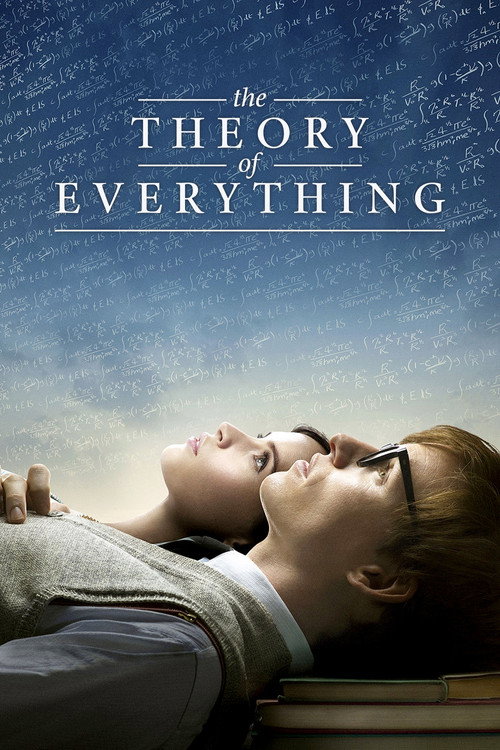
The Theory of Everything2014
Eddie Redmayne's Stephen Hawking is the closest recent equivalent to Day-Lewis's transformation — a body increasingly betraying a mind that refuses to slow down. Warmer and more polished than Sheridan's film, but cut from the same cloth.
But It's gentler and more conventionally romantic — you may find it softens edges My Left Foot leaves sharp.
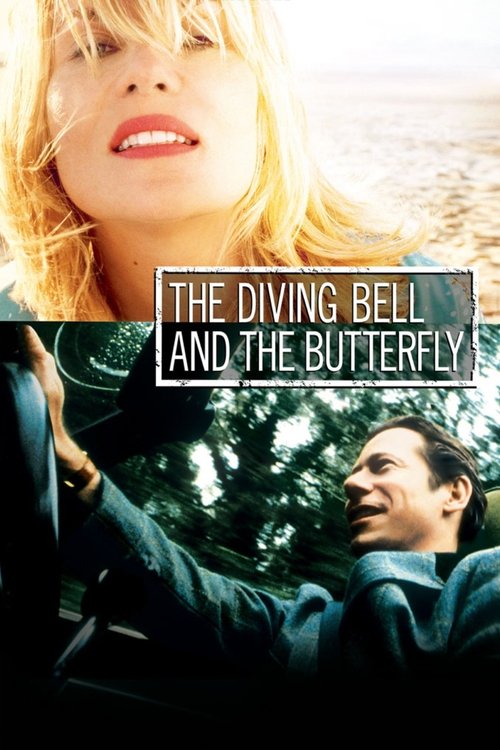
The Diving Bell and the Butterfly2007
Julian Schnabel puts you inside a body that can only communicate by blinking one eye, and somehow makes it exhilarating rather than claustrophobic. A formally daring cousin to Christy's story of finding one working channel to the world.
But The subjective camerawork is disorienting by design — some viewers find it more alienating than immersive.
The wildcard
Something you would not have found on your own.
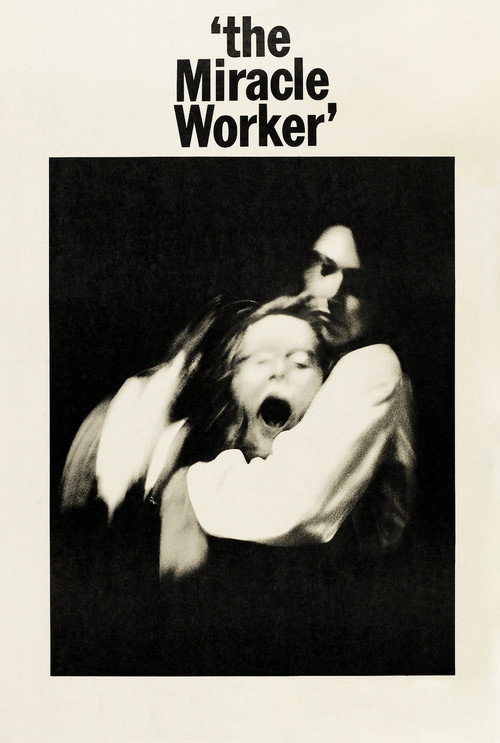
The Miracle Worker1962
Same structural idea decades earlier: a caregiver's stubborn refusal to accept that a trapped mind can't reach the world, told with the same physical intensity.
Decades before Sheridan's film, Arthur Penn and Anne Bancroft told an almost identical story — a body locked away from language, broken open by one furious act of contact. Patty Duke's Helen Keller is as physical and unsentimental as Day-Lewis's Christy.
But Black-and-white, stagey by today's standards, and openly didactic in ways modern biopics avoid.
More like this (8)
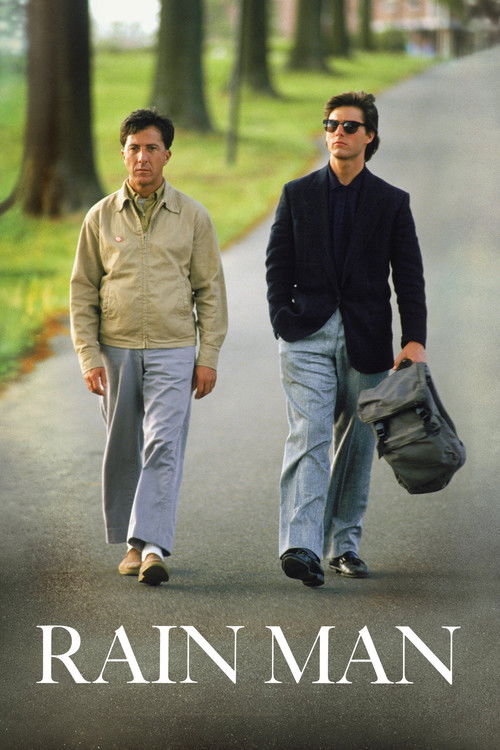
Rain Man1988
Dustin Hoffman's Oscar-winning performance was the era's other landmark in disability acting, and it's got the same insistence that its central character be difficult, funny and whole rather than a lesson.
But It's a road movie with a redemption arc for the able-bodied brother — a structure My Left Foot pointedly avoids.
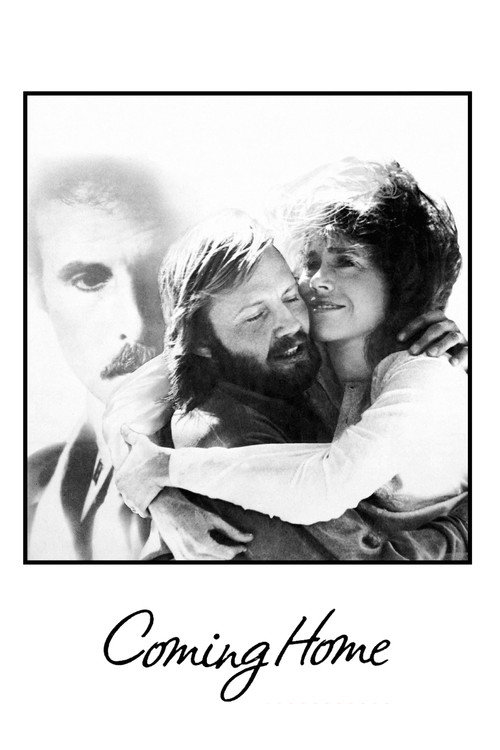
Coming Home1978
Jon Voight, paralysed and furious after Vietnam, gives a performance built from the same raw physical commitment — anger and desire refusing to be tidied away by disability.
But It's tangled up with Vietnam-era politics that can feel dated compared to Christy's more personal, timeless struggle.
Angela's Ashes1999no page yet
The same unglamorous Irish poverty, the same mixture of squalor and stubborn humour, adapted from Frank McCourt's memoir. If you loved the Dublin tenement texture here, this doubles down on it.
But It's relentlessly grim in a way My Left Foot, for all its hardship, never quite becomes — less redemption, more endurance.
In America2003no page yet
Jim Sheridan again, this time on an Irish family adrift in New York — his gift for wringing warmth and grief out of working-class family life is unmistakably the same hand at work.
But It's more overtly sentimental and grief-driven than My Left Foot's prickly, defiant tone.
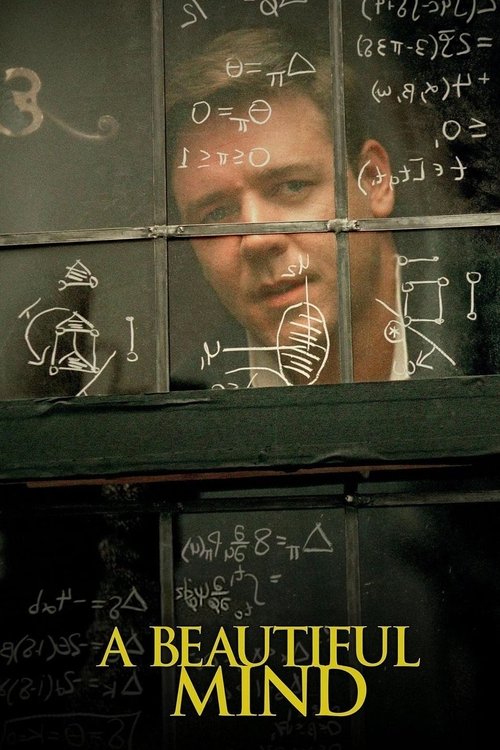
A Beautiful Mind2001
Russell Crowe's John Nash is another mind fighting its own body and brain toward extraordinary achievement, with a devoted spouse in the trenches alongside him, much like Christy's mother.
But It's glossier and more Hollywood in its uplift — the hard edges get sanded down more than Sheridan allows.
The Sessions2012no page yet
John Hawkes plays a polio survivor pursuing sex and intimacy with unembarrassed directness — a smaller, funnier film that shares Christy's refusal to be desexualised by his condition.
But It's a much smaller, quieter film — less operatic in its performance and scope than My Left Foot.
Murderball2005no page yet
Where My Left Foot fights against being seen as pitiable through art, this documentary fights the same fight through pure physical aggression — same target, opposite weapon.
A documentary about quadriplegic rugby players who are aggressive, funny, and sexually confident — everything the pity-narrative around disability tries to erase. It's the loudest possible rebuttal to soft-focus inspiration.
But No music-swell catharsis here — it's abrasive, funny, and sometimes uncomfortably confrontational instead.
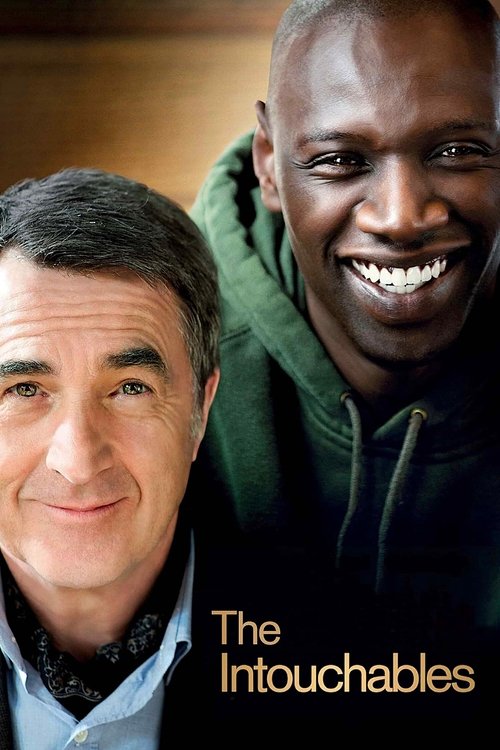
The Intouchables2011
Same terrain — a body the world underestimates, a fierce unsentimental relationship at its centre — played in a completely different key: comedy instead of drama, France instead of Dublin.
A French comedy about a wealthy quadriplegic man and his unlikely working-class carer, built on real chemistry and a refusal to treat disability as tragedy. It's funnier and lighter but no less honest about dependency and dignity.
But Criticised for softening real class and race dynamics into feel-good comedy — it wants you to laugh more than think.
People
Cast
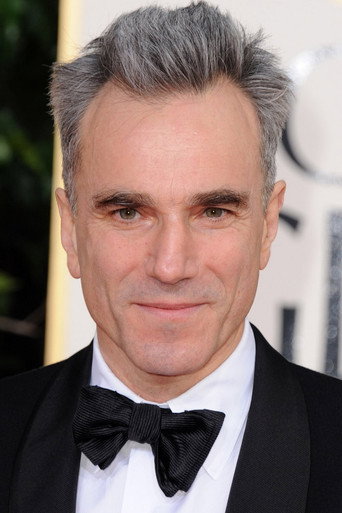 Daniel Day-LewisChristy Brown
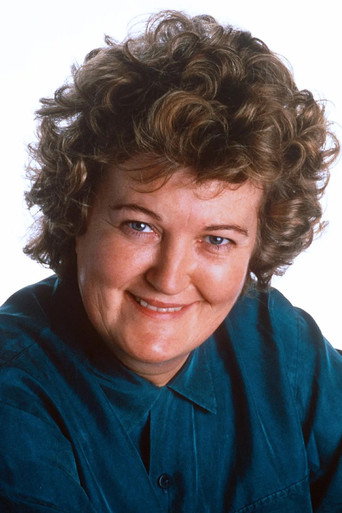 Brenda FrickerMrs. Brown
- Alison WhelanSheila
 Kirsten SheridanSharon
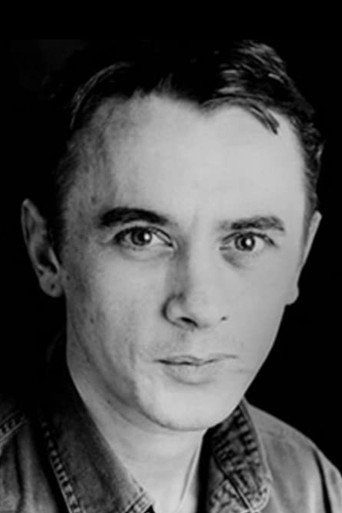 Eanna MacLiamBenny
- Marie ConmeeSadie
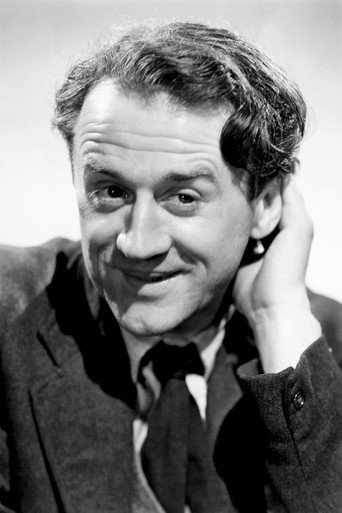 Cyril CusackLord Castlewelland
 Phelim DrewBrian
 Ruth McCabeMary
 Fiona ShawDr. Eileen Cole
 Ray McAnallyMr. Brown
Directing
- Kevan BarkerAssistant Director
- Jim SheridanDirector
- Michael RowlandSecond Assistant Director
Writing
- Christy BrownBook
- Jim SheridanScreenplay
- Shane ConnaughtonScreenplay
Production
- Nuala MoiselleCasting
- Paul M. HellerExecutive Producer
- Steve MorrisonExecutive Producer
- Arthur LappinLine Producer
- Grania O'ShannonLocation Manager
- Noel PearsonProducer
- Mary AlleguenProduction Manager
Recommended by
The Theory of Everything, The Elephant Man, The Diving Bell and the Butterfly, Life, Animated, In the Name of the Father, Temple Grandin, The Miracle Worker, Notes on Blindness, Awakenings, The Intouchables, Speechless, Mask