
Film
Radio
Radio is a 2003 sports drama about a white football coach in 1970s South Carolina who befriends a Black man with intellectual disabilities, bringing him into his team and school. It's earnest and emotional, built on Cuba Gooding Jr.'s luminous performance and Ed Harris's quiet decency. For viewers who love stories about people choosing compassion over convenience, even when it costs them.
Should you watch it?
Watch it if you want a warm, slow-burning story about an unlikely friendship built on patience, where small kindnesses carry more weight than the scoreboard.
Skip it if you need sports films to deliver game-day tension, because the football here sits in the background and the pacing stays gentle and deliberate throughout.
What it asks of you: A little under two hours of unhurried, small-scale scenes, with long stretches of quiet looks and everyday routine rather than big set pieces, so give it steady attention.
Not sure? Find tonight's pick in a minute.
If you liked this
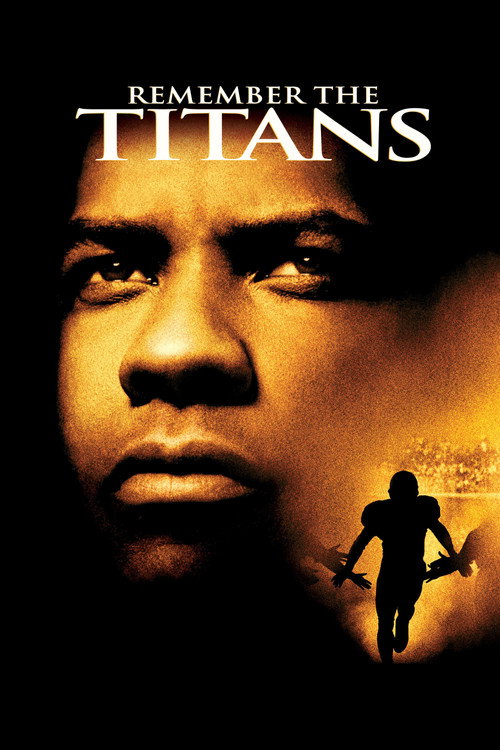
Remember the Titans2000
Another coach-and-integration story set in the South, with Denzel Washington leading a high school football team through racial division. It has the same measured wisdom and faith in human connection that Radio offers, plus genuinely rousing football sequences.
But The inspirational sports-film formula is well-worn by 2000, and some moments feel engineered to make you feel good rather than earned. It can tip into sentimentality.
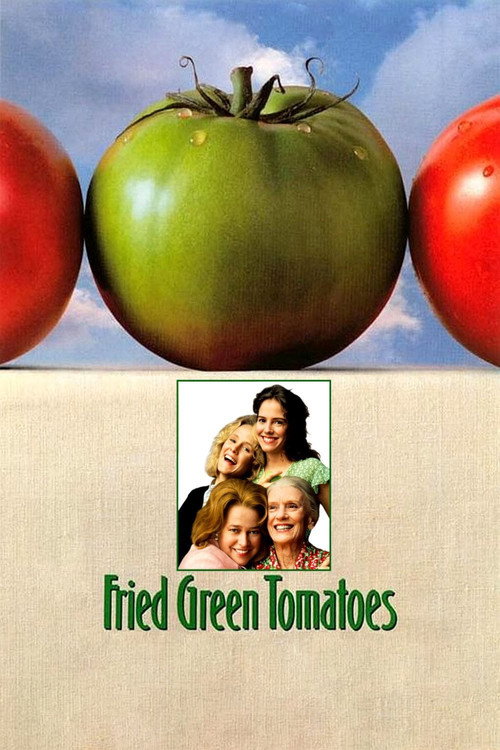
Fried Green Tomatoes1991
A film about overlooked people finding dignity and friendship despite the world's indifference. Kathy Bates and Jessica Tandy are wonderful, and it has Radio's patience with inner lives that society overlooks, with a warmth that lingers.
But It's slower than it initially appears, and some viewers find the framing device (an old woman telling stories) more sentimental than moving. It requires you to sit with quiet moments.
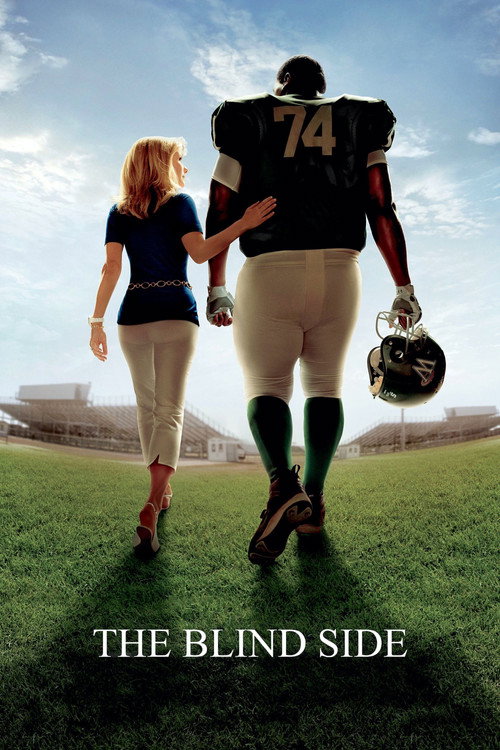
The Blind Side2009
Sandra Bullock and Tim McGraw anchor another story of a coach and athlete finding connection across lines that shouldn't matter. The football feels real, the family dynamics are messy, and Quinton Aaron carries the emotional weight with dignity.
But The script occasionally lets its white-savior narrative slip through without quite examining it. Some scenes feel designed to make middle America comfortable with diversity rather than challenged by it.
Not sure tonight? Get a pick in a minute, starting from Radio
The wildcard
Something you would not have found on your own.
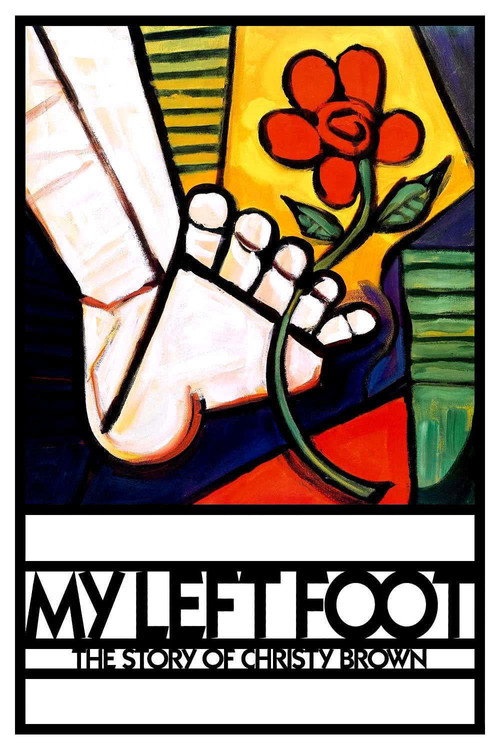
My Left Foot: The Story of Christy Brown1989
Both films center a protagonist with intellectual or physical difference, but refuse the easy path of making them tragic. Instead, they insist on their full personhood—desires, flaws, complexity—and demand the world see them whole.
Daniel Day-Lewis as Christy Brown, an Irish artist with severe cerebral palsy who paints and writes with his left foot. Like Radio, it refuses to sentimentalize disability while centering the dignity and full humanity of someone society would dismiss. It's messy, sexual, complicated, and real in ways Radio approaches but doesn't quite reach.
But Day-Lewis is so committed to physical transformation that watching him can be uncomfortable. The film doesn't shy from depicting bodily reality, frustration, and rage alongside the triumph. Some find the raw physicality harder to sit with than inspiration.
More like this (8)
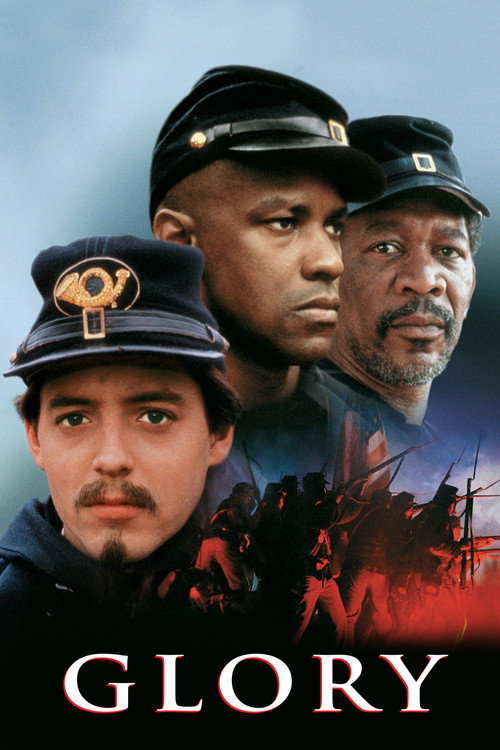
Glory1989
A film about Black soldiers in the Civil War fighting for dignity and recognition. Matthew Broderick, Denzel Washington, and André Braugher create characters of tremendous humanity. Like Radio, it's about people demanding to be seen as fully human.
But The violence is brutal and unsparing. It's a war film, not a comfort film, and it will shake you rather than console you. Some find it too heavy for a single sitting.
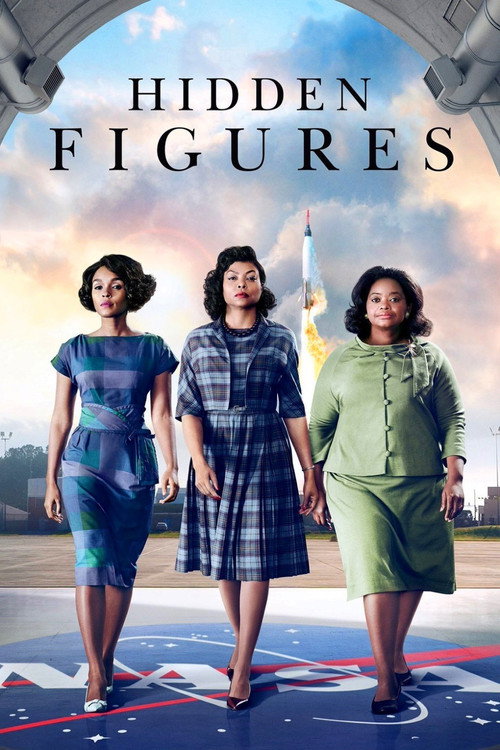
Hidden Figures2016
Three Black women mathematicians fighting for recognition and respect at NASA during the Space Race. It has Radio's faith in incremental progress and decent people, plus the satisfaction of watching brilliant women do impossible work.
But It softens some of the harder edges of actual racism to keep a mainstream-friendly tone. The triumph can feel a bit neat and inspirational, when the real story was messier.
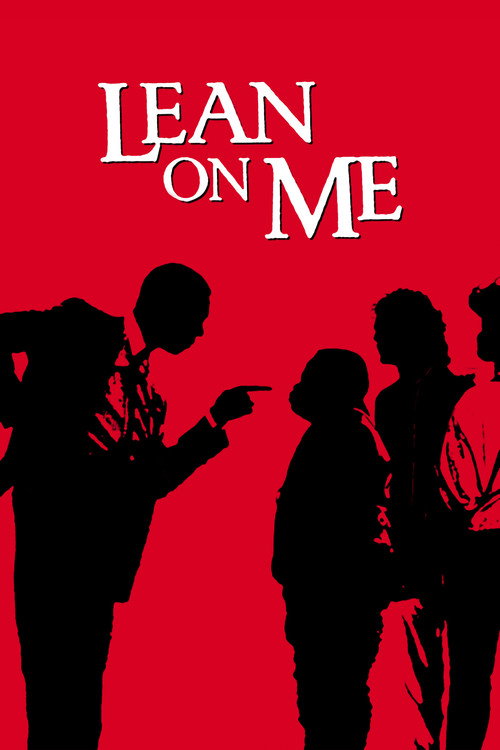
Lean On Me1989
Morgan Freeman as a tough principal transforming a failing school through sheer force of will and love. Like Radio, it's about one person deciding that your potential matters more than your reputation, and dragging the rest of the world along.
But It's almost aggressively earnest, and Freeman's character is so competent and certain that there's little room for doubt or complexity. Some find it preachy.
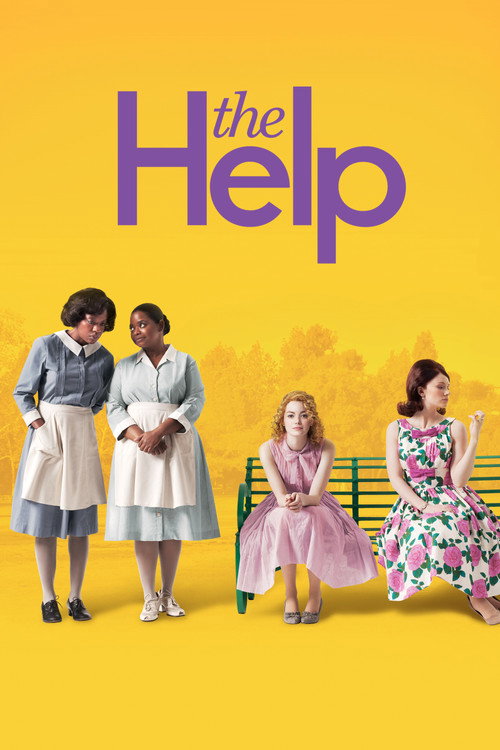
The Help2011
Emma Stone and Viola Davis anchor a story about marginalized voices finally being heard. It shares Radio's interest in people deemed invisible by their society, and Davis's performance is genuinely moving.
But Like Radio, it centers a white perspective on Black struggle, and the film knows it less than it should. The racial dynamics can feel smoothed over for palatability.
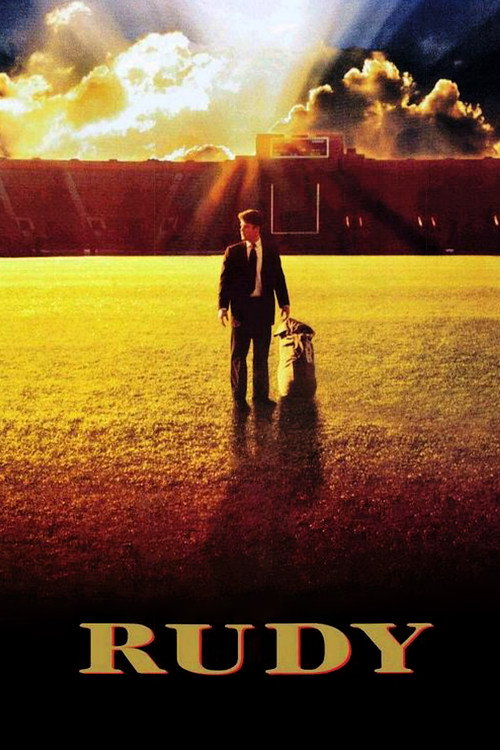
Rudy1993
Sean Astin as an undersized kid fighting for a spot on Notre Dame's football team. Pure sports-movie sincerity: you know exactly what you're getting, and it delivers it with such conviction that you don't care.
But It's formula from start to finish, and the plot beats are so predictable that surprise is impossible. If you resist inspirational sports movies on principle, this won't change your mind.
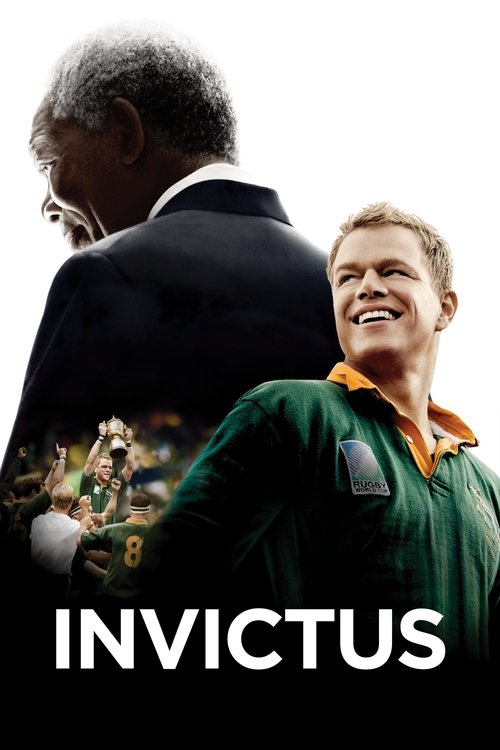
Invictus2009
Morgan Freeman and Matt Damon in a story about Nelson Mandela using rugby to unite post-apartheid South Africa. It's about transforming a nation through sport and decency, with the same quiet moral certainty that Radio has.
But The rugby sequences are less compelling than they should be, and the film's view of reconciliation is optimistic to the point of being simplistic about real, ongoing tensions.
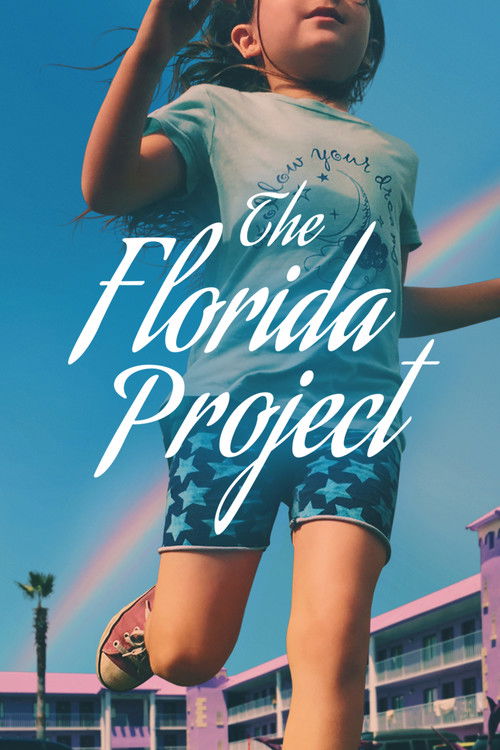
The Florida Project2017
Like Radio, it asks viewers to see people society overlooks as fully worthy of cinema's attention. Both films trust their audience to feel the weight of a life without needing a arc of rescue. The mercy is quiet and incomplete.
Sean Baker's film about a six-year-old girl living in poverty near Disney World. It has Radio's fundamental decency and its faith that grace can exist in systems rigged against it. Willem Dafoe is extraordinary, and the film loves its characters without pity.
But It's deliberately unresolved and refuses narrative catharsis. Shot in naturalistic style that some find shapeless. There's no triumphant moment—just daily survival and small kindnesses in the margins of prosperity.
Ikiru1952
Both films argue that meaning comes not from winning or being celebrated, but from being seen and valued by another person. Both trust that this quiet transaction—one person mattering to someone else—is enough. Both are fundamentally about love as the antidote to invisibility.
Akira Kurosawa's masterpiece: a dying Japanese bureaucrat finds meaning by helping his community. It shares Radio's interest in quiet goodness mattering more than achievement, and in how one person's choice to care can ripple outward. Shot in black and white, with almost unbearable emotional depth.
But It's a 1952 Japanese film in black and white, nearly two and a half hours long. The pacing is deliberate and the emotional register is grave. It requires patience and the willingness to sit with existential weight, not uplifting comfort.

People
Cast
 Cuba Gooding Jr.Radio
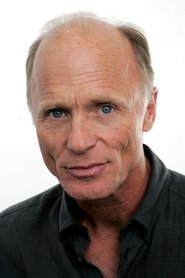 Ed HarrisCoach Jones
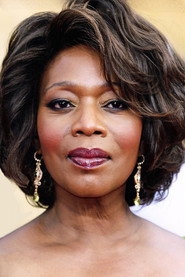 Alfre WoodardPrincipal Daniels
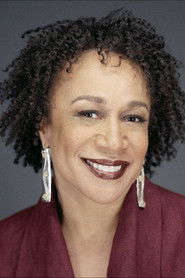 S. Epatha MerkersonMaggie
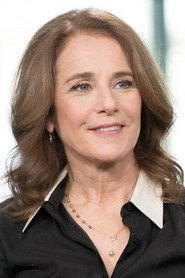 Debra WingerLinda Jones
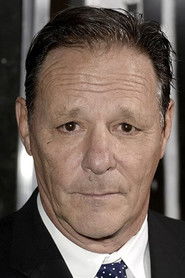 Chris MulkeyFrank
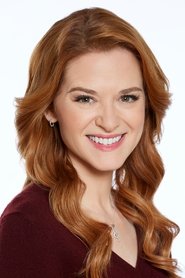 Sarah DrewMary Helen Jones
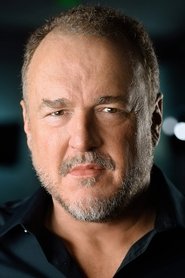 Brent SextonHoneycutt
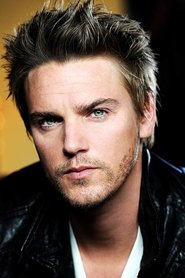 Riley SmithJohnny
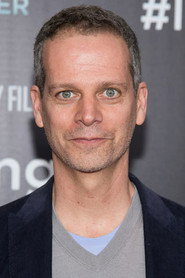 Patrick BreenTucker
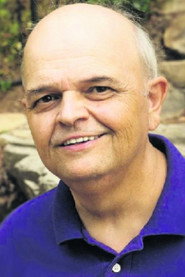
 Michael HardingIrv the Cop
Directing
- Michael TollinDirector
- Vincent LascoumesFirst Assistant Director
- Michael J. LeoneScript Supervisor
- Paula CaseSecond Assistant Director
- Christophe Le ChanuSecond Second Assistant Director
Writing
- Mike RichWriter
Production
- Karen Chalk WheelerAssistant Accountant
- Robert LaneAssistant Accountant
- Kathy RayleAssistant Production Coordinator
- Tierre TurnerAssociate Producer
- Margery SimkinCasting
- Justine HempeCasting Associate
- Caitlin ScanlonExecutive Producer
- Todd GarnerExecutive Producer
- Tona B. DahlquistExtras Casting
- Kimberly JaseFirst Assistant Accountant
- Tona B. DahlquistLocal Casting
- Mary MorganLocation Manager
- Joanie SeldenPayroll Accountant
- Brian RobbinsProducer
- Herb GainsProducer
- Michael TollinProducer
- Allen E. TaylorProduction Accountant
- Terrence B. ZinnProduction Assistant
- Jennifer CoreyProduction Coordinator
- Steve EddyProduction Secretary
- Sara FlammProduction Supervisor
- Herb GainsUnit Production Manager
Recommended by
The Blind Side, Wonder, Temple Grandin, The Miracle Worker, We Are Marshall, Charly, Mask, Facing the Giants