
Film
The Waterdance
A writer wakes up paralyzed after a hiking accident and must rebuild his life alongside two other spinal-cord patients in rehab. *The Waterdance* is unsentimental and wry about disability, refusing both inspiration-porn theatrics and despair. It's for anyone who wants to watch smart people navigate impossible circumstances with their humor and dignity intact.
Should you watch it?
Watch it if you want a hospital-set drama that finds bruised humor in misery, with men who bicker and bluster while they relearn their bodies and their pride.
Skip it if you are after an uplifting arc or tidy redemption, since its rehab scenes stay unsentimental and one character's racism is hard to sit with.
What it asks of you: It moves slowly and talks a lot, asking you to stay with long stretches of therapy, waiting, and sour small talk before its emotional weight lands.
Not sure? Find tonight's pick in a minute.
If you liked this
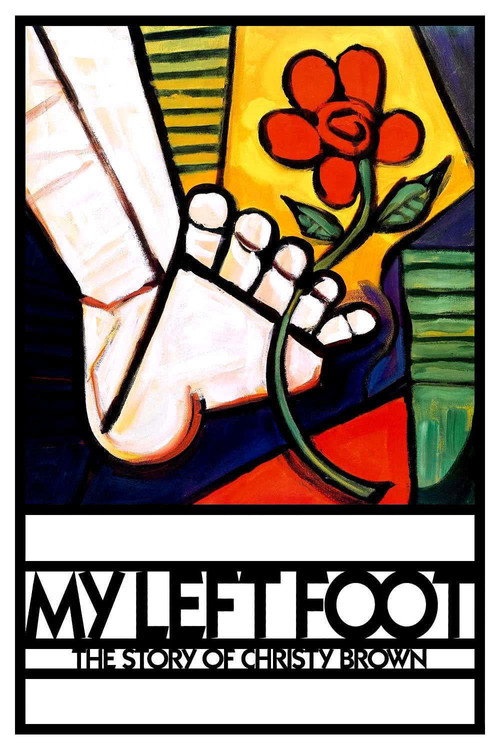
My Left Foot: The Story of Christy Brown1989
Daniel Day-Lewis plays Christy Brown, an Irish painter with cerebral palsy. A portrait of artistic will and messy humanity that never condescends. The performance is staggering without feeling like a performance.
But It's deeply tragic and occasionally unbearably sad. The poverty and family dysfunction are relentless, not backdrop.
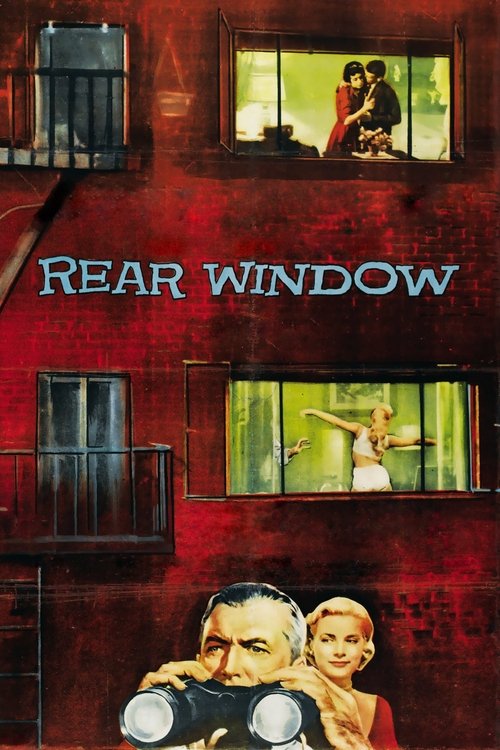
Rear Window1954
Jimmy Stewart, immobilized by a broken leg, solves a murder from his apartment window. Hitchcock turns confinement into suspense and psychological complexity. A masterclass in using limitation as the engine of story.
But The gender politics are of their era and pretty rough. The pacing in the middle section drags.
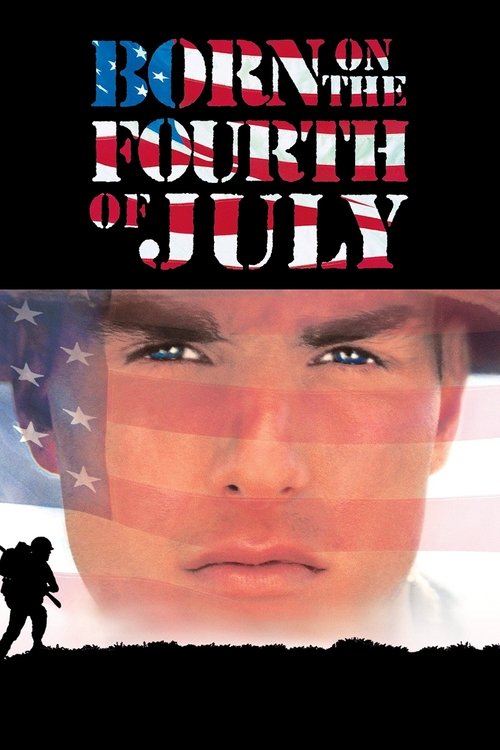
Born on the Fourth of July1989
Tom Cruise as Ron Kovic, a Marine paralyzed in Vietnam, refusing to be defined by his injury or anyone's idea of who he should be now. Furious, intimate, unflinching about rage and recovery and the refusal to perform gratitude.
But It's long and can feel didactic. The political speeches in the third act risk overwhelming the personal story.
Not sure tonight? Get a pick in a minute, starting from The Waterdance
The wildcard
Something you would not have found on your own.
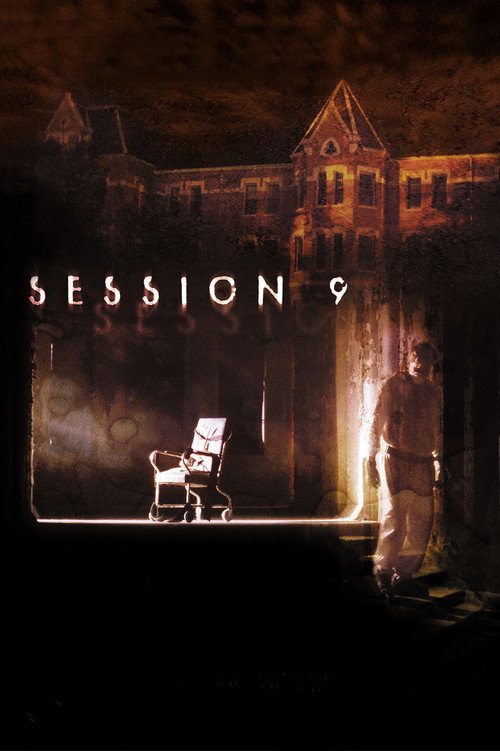
Session 92001
Both films use physical confinement as their engine—not as disaster, but as the permanent condition. Both refuse the comfort of restoration or escape. Both are about learning to live inside walls you didn't choose.
A five-person asbestos-abatement crew works inside an abandoned psychiatric hospital. *Session 9* is a horror film without jump scares—it builds dread through confinement, isolation, and the creeping sense of being trapped. The hospital becomes a character: a space that refuses to release you.
But It's slow-burn atmospheric horror, not a thriller. If you need plot momentum and answers, you'll find it sparse. The found-footage elements haven't aged well.
More like this (8)
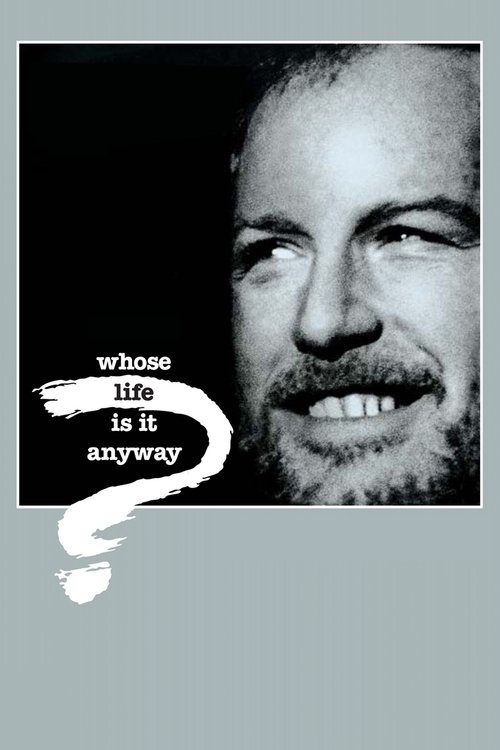
Whose Life Is It Anyway?1981
Richard Dreyfuss plays a sculptor paralyzed in an accident who fights the hospital and his loved ones for the right to die. A sharp, humane argument about autonomy and meaning that respects both sides.
But The moral philosophy can feel more important than the character. It's more debate than drama in places.
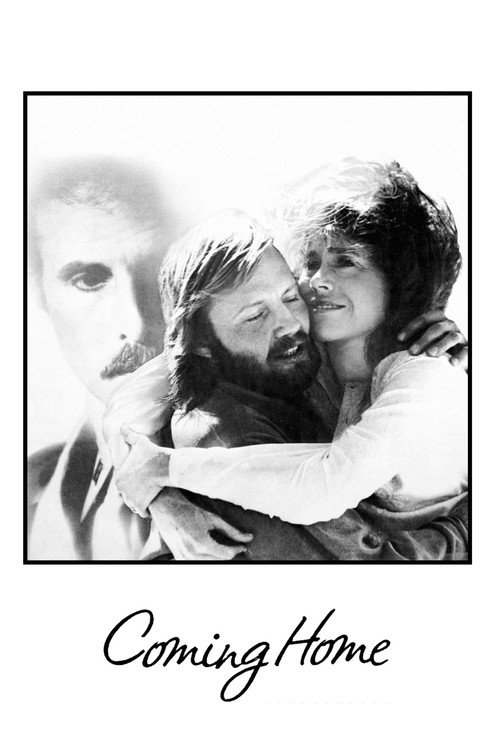
Coming Home1978
Jon Voight as a paraplegic Vietnam vet navigating intimacy, desire, and his place in the world. Tender and sexual and complicated. Voight's performance is quietly transformative.
But The romantic triangle plot sometimes overwhelms the character study. It's shaped by its era in ways that show.
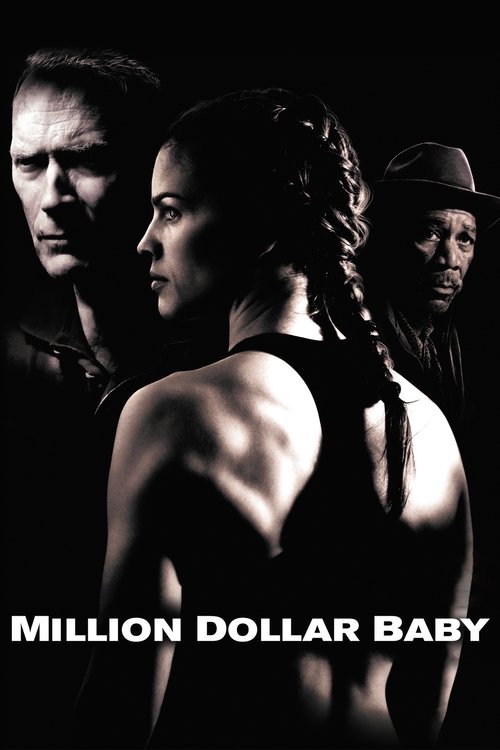
Million Dollar Baby2004
Clint Eastwood and Hilary Swank. A boxer becomes paralyzed and must reckon with what her life means to her. Profound about agency, love, and the difference between life and living.
But The ending is deeply divisive and asks you to accept a choice many will reject. It's never been more politically fraught than now.
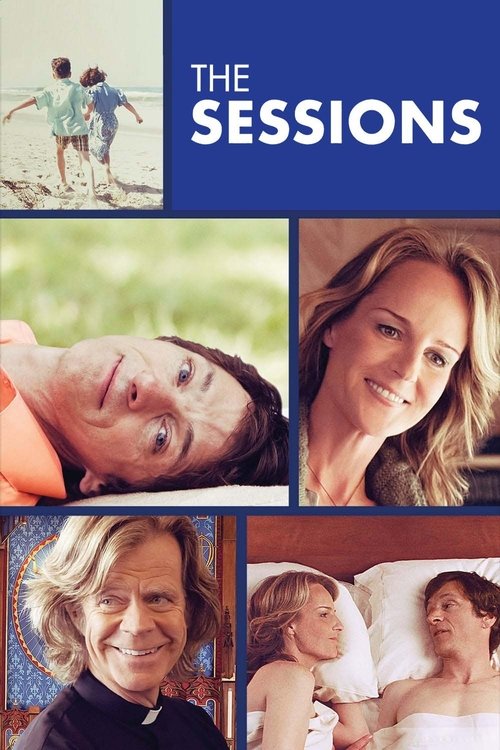
The Sessions2012
John Hawkes as a poet living in an iron lung who hires a sex surrogate to lose his virginity. Funny, tender, and completely unshy about desire and pleasure and the body's right to them.
But The sex scenes are explicit and may not be what you expect from a film with this subject. Some find it tonally uneven.
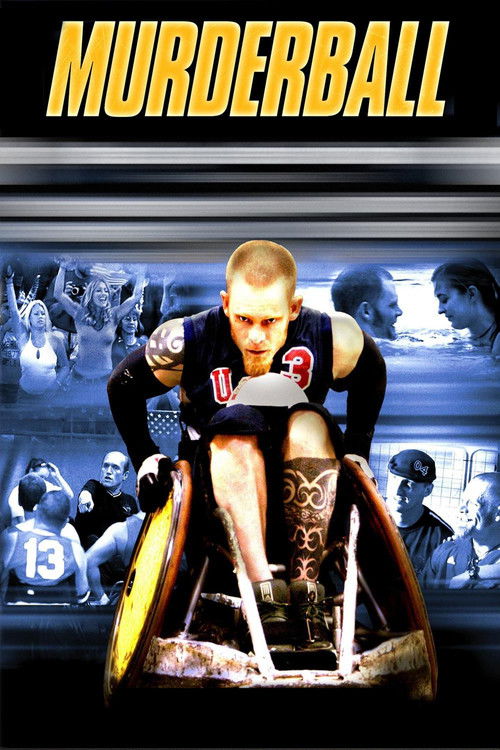
Murderball2005
Documentary about wheelchair rugby players training for the Paralympics. Raw, competitive, funny, utterly unsentimental. Watch people refuse every pitying assumption about disability in real time.
But It's a documentary, so if you need traditional narrative structure, you won't find it. The sport itself may seem unfamiliar.
Proof2005
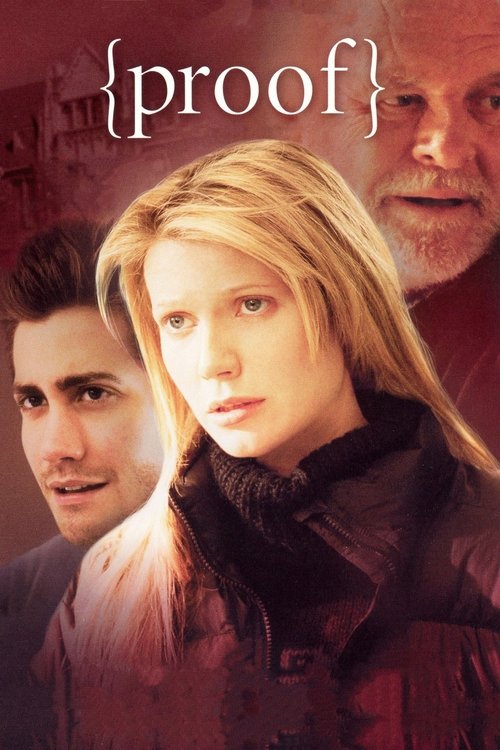
Gwyneth Paltrow inherits her father's house and legacy and must decide what she owes to his memory, her own grief, and her own future. A chamber piece about grief, identity, and being trapped by other people's stories.
But It's deliberately small and cerebral. If you need movement and action, this will feel static. The ending is ambiguous.
Ikiru1952
Joel must rebuild meaning after the accident; Watanabe must find it before he dies. Both men are learning that the life you get is not the life you planned, and that doesn't make it worthless. Both refuse sentiment and find quiet dignity instead.
Kurosawa's masterpiece. A Japanese bureaucrat dying of cancer must figure out what his life meant. Unbearably moving, never maudlin. Finds joy in small things and human connection. A meditation on meaning and time that changes how you see your own hours.
But It's nearly three hours long. It's black and white and subtitled. The pacing is deliberate. This requires patience and attention.

The Diving Bell and the Butterfly2007
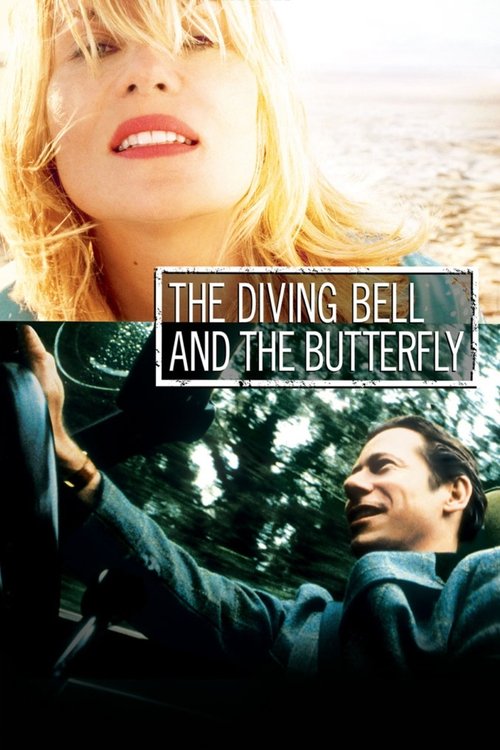
Both are about paralyzed men rebuilding identity and voice. But where *Waterdance* is about community and learning to live alongside others, *Diving Bell* turns inward—into the space where you're the only witness to your own survival. Different answers to the same impossible question.
*The Diving Bell and the Butterfly*. Jean-Dominique Bauby, a French magazine editor, has a stroke and wakes completely paralyzed except for one eye. He dictates a memoir by blinking. Visually inventive, urgent, alive—less about the body's imprisonment than the mind's refusal to be trapped.
But The visual experimentation can feel gimmicky. The film is more poetic meditation than narrative. The subject matter is profoundly isolating.
People
Cast
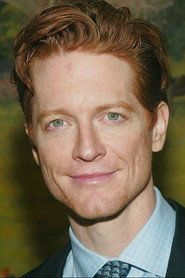 Eric StoltzJoel Garcia
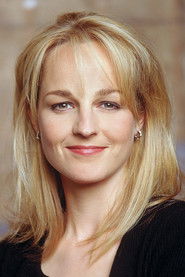 Helen HuntAnna
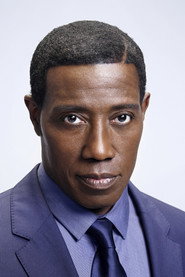 Wesley SnipesRaymond Hill
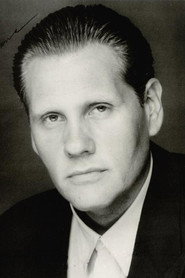 William ForsytheBloss
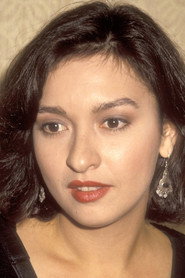 Elizabeth PeñaRosa
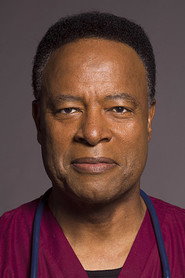
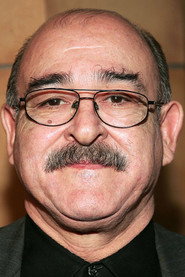 Tony GenaroVictor
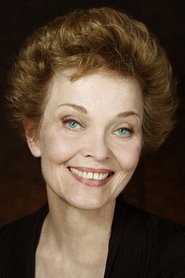
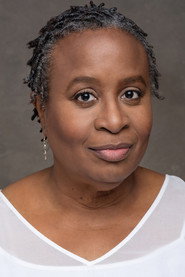 Kimberly ScottAlice
- Eva RodriguezVictor's Wife
- Erick VigilVictor's Son
- Edgar RodriguezVictor's Son
Directing
- Michael SteinbergDirector
- Neal JimenezDirector
- Trey BatchelorSecond Second Assistant Director
Writing
- Neal JimenezWriter
Production
- Pam DixonCasting
- Guy RiedelExecutive Producer
- Gale Anne HurdProducer
- Marie CantinProducer