
Film
Rear Window
Hitchcock's tightest exercise in pure looking: a man laid up with a broken leg turns his apartment window into a private cinema, and lets us watch him watch. It's funny, erotic, claustrophobic and slowly terrifying, all from one courtyard's worth of windows. For anyone who's ever people-watched from a balcony and felt a small thrill of guilt — this is that feeling, stretched to feature length and given teeth.
If you liked this
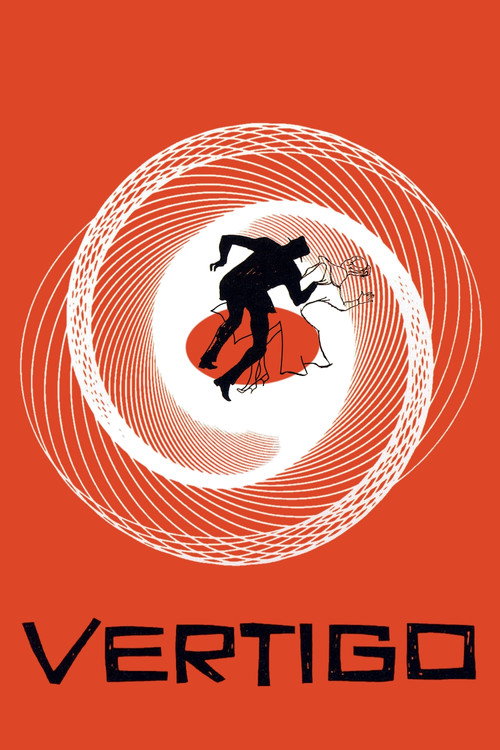
Vertigo1958
Hitchcock and Stewart again, this time chasing obsession instead of murder — a dizzier, sadder film about a man who can't stop watching a woman he's constructed entirely in his own head.
But Slower and stranger than Rear Window, with a famous twist some find dispiriting rather than thrilling.
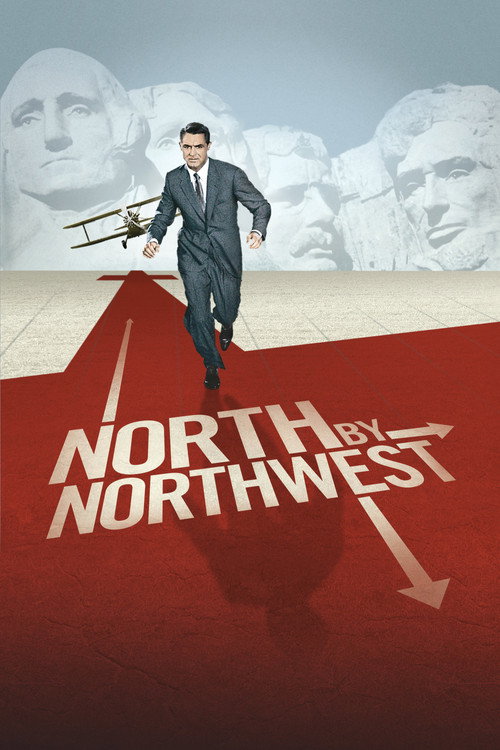
North by Northwest1959
Same director, same appetite for a man trapped by what he's accidentally seen, but turned outward into a witty, glamorous, cross-country chase instead of a locked room.
But Lighter and glossier — if you loved the claustrophobia of Rear Window, this trades it for open road and spectacle.
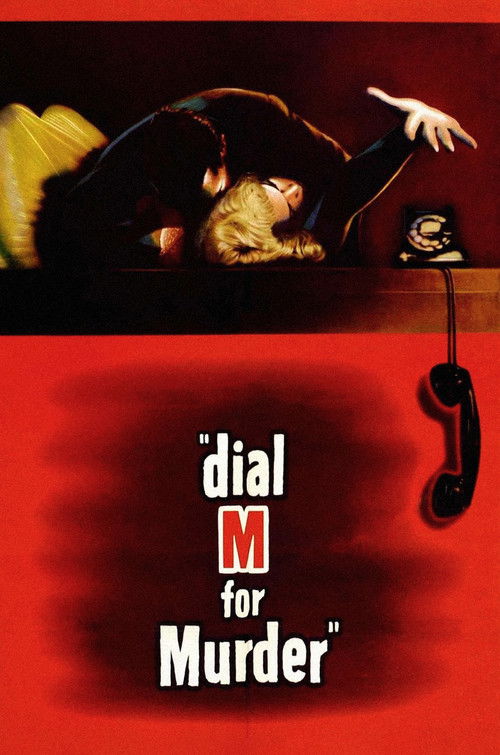
Dial M for Murder1954
Made the same year: another confined-space plot built on a husband, a murder, and an audience who knows more than anyone on screen. Grace Kelly again, cooler and sharper.
But Its stage origins show — Hitchcock doesn't always hide the seams of the play it came from.
The wildcard
Something you would not have found on your own.
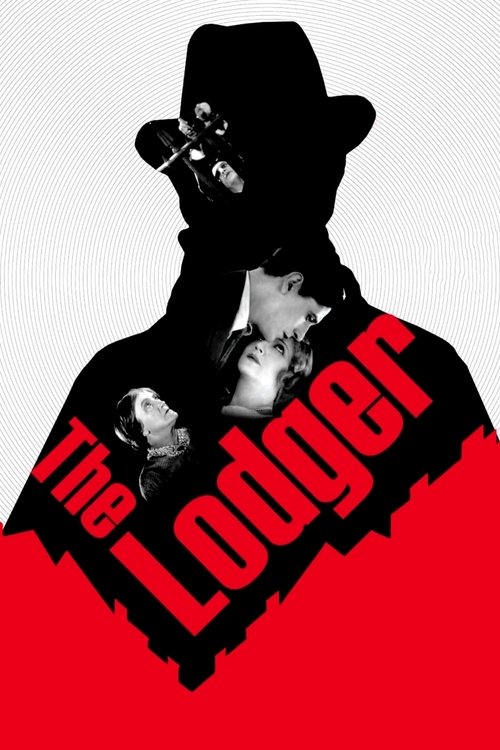
The Lodger: A Story of the London Fog1927
Same director, same architecture of doubt: an ordinary person becomes convinced, on thin evidence, that someone close by is a murderer, and the film asks whether watching is the same as knowing.
See where all of this began — Hitchcock's own silent thriller, testing the exact question Rear Window would later perfect: what happens when suspicion outruns proof, and you're stuck watching.
But Silent, scratchy, and nearly a century old — the pacing and melodrama will feel genuinely foreign to modern eyes.
More like this (8)
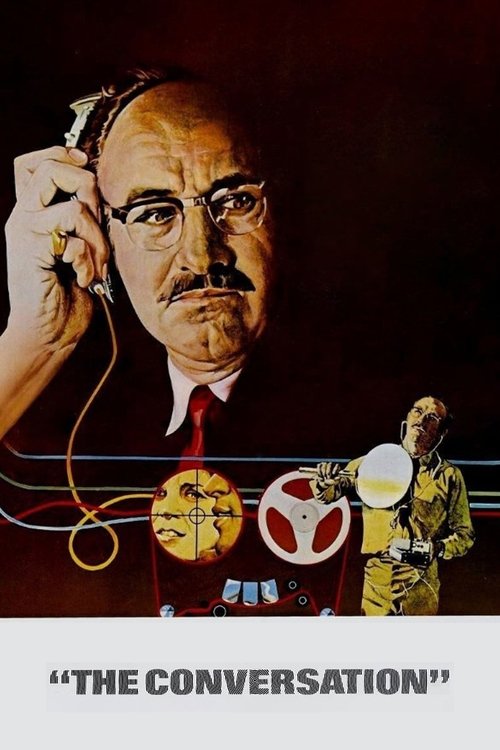
The Conversation1974
Swaps the window for a tape recorder: a surveillance expert grows convinced he's overheard a murder, and the paranoia curdles inward instead of outward. Gene Hackman, quietly devastating.
But Deliberately airless and internal — there's no romantic wit here, just a man dissolving into his own suspicion.
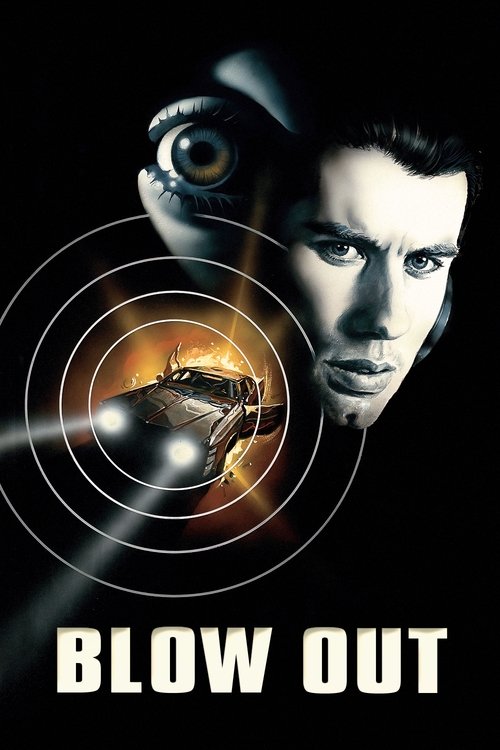
Blow Out1981
De Palma's homage to Hitchcock's whole voyeur cycle: a movie sound man accidentally records what might be a murder and can't make himself walk away. Stylish, paranoid, gorgeously shot.
But It goes darker than Hitchcock ever dared — this one doesn't let you off with a clean ending.
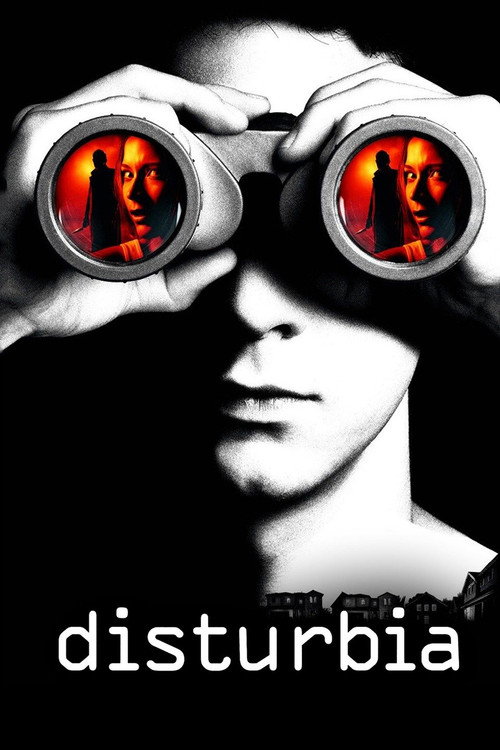
Disturbia2007
The unashamed teen version: a kid under house arrest starts watching his neighbor and becomes convinced he's a killer. It knows exactly what it's borrowing and has real fun with it.
But Broader, younger, and far less interested in ambiguity or restraint than the film it's remixing.
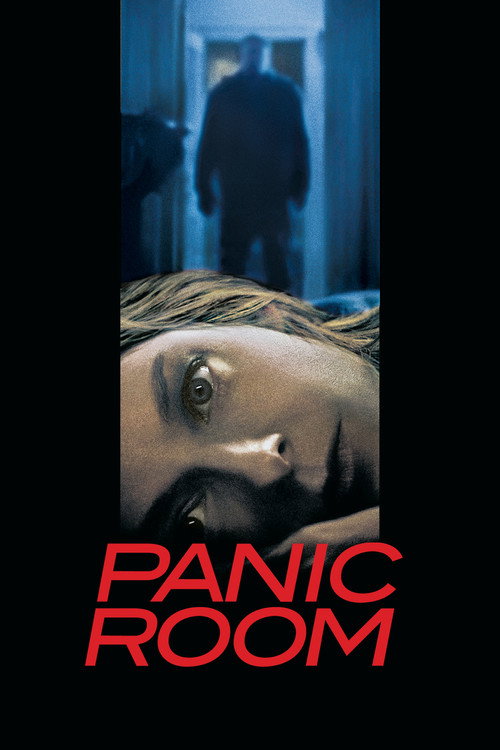
Panic Room2002
Different confinement, same engine: a mother and daughter locked in a safe room while intruders roam the house, watched through security cameras instead of a rear window.
But More home-invasion thriller than character study — the tension is physical, not moral or psychological.
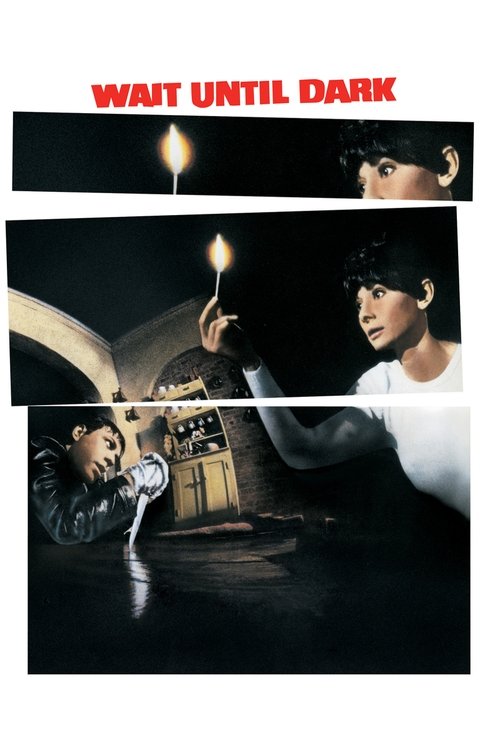
Wait Until Dark1967
A blind woman trapped alone in her apartment with men hunting her — the same idea of a compromised body forced to outthink a threat it can't fully perceive.
But Its theatrical origins make it talkier and more contained than the premise might lead you to expect.
Copycat1995no page yet
An agoraphobic criminal psychologist can't leave her apartment, so she works a serial-killer case entirely from inside it — the shut-in thriller dragged into the grubbier 90s.
But More procedural and less elegant, with a nastier, more violent streak than Hitchcock ever needed to use.
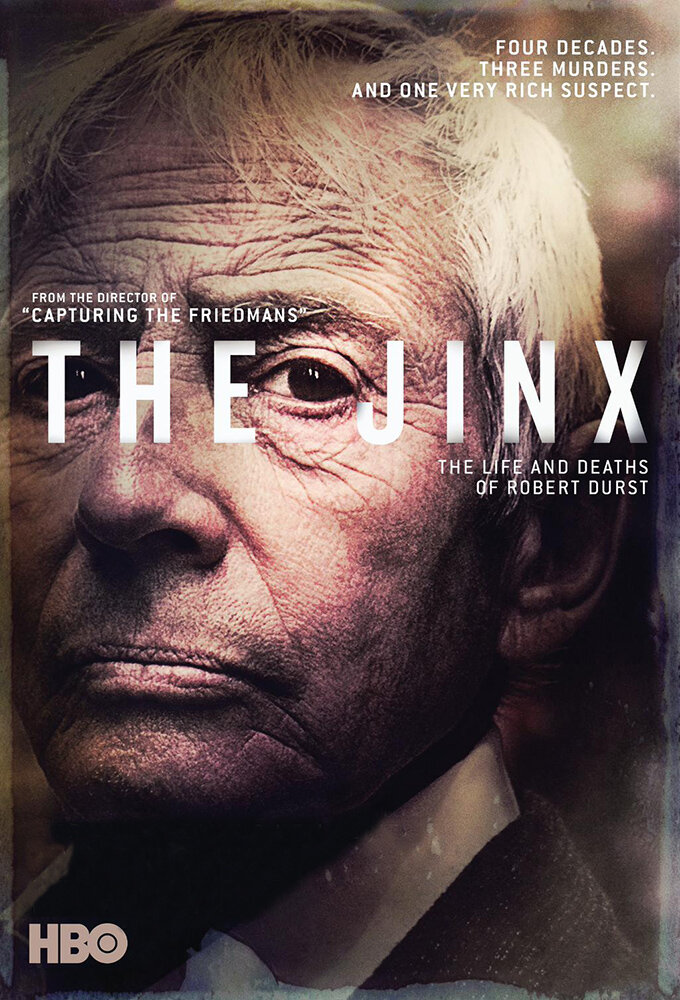
The Jinx: The Life and Deaths of Robert Durst2015
Both are studies in watching someone until you're sure — the format just swaps a photographer's binoculars for a documentary crew, and fiction for a case that actually happened.
All the paranoid pleasure of Rear Window's amateur detective work, except it's real, and the man on the other side of the lens knows exactly that he's being watched.
But Six hours of slow-building real dread, with none of the wit, release, or narrative safety net of a Hitchcock ending.
Sliver1993no page yet
Rear Window's quiet question — is watching someone else's life a kind of intimacy or a kind of crime — gets answered here by making the watcher the love interest instead of the suspect.
The same premise turned inside out and dialed to eleven: a woman moves into a high-rise wired with hidden cameras and falls for the man who's been secretly watching every tenant.
But It's genuinely trashy, critically savaged, and more interested in gloss and titillation than logic — go in for camp, not craft.
People
Cast
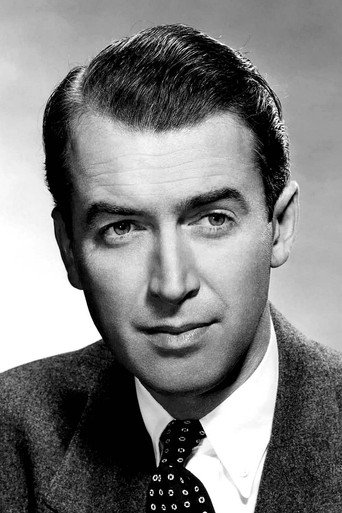 James StewartL.B. Jefferies
 Grace KellyLisa Fremont
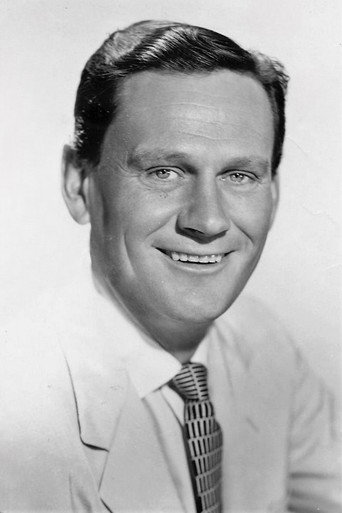 Wendell CoreyThomas Doyle
 Thelma RitterStella
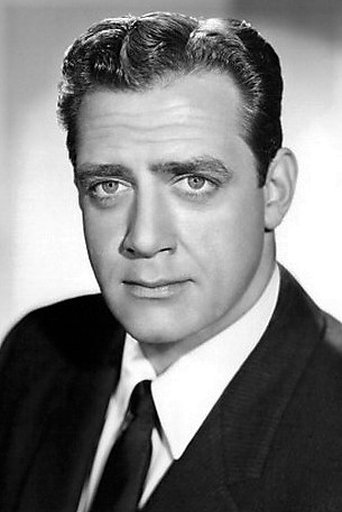 Raymond BurrLars Thorwald
 Judith EvelynMiss Lonelyhearts
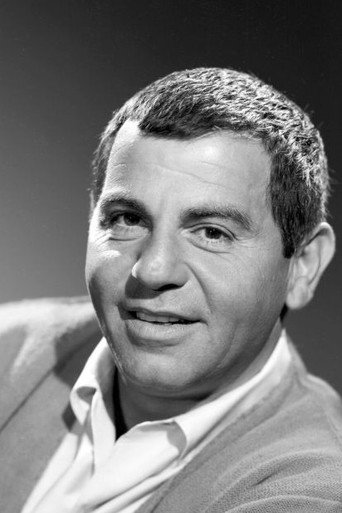 Ross BagdasarianSongwriter
 Georgine DarcyMiss Torso
 Sara BernerWoman on Fire Escape
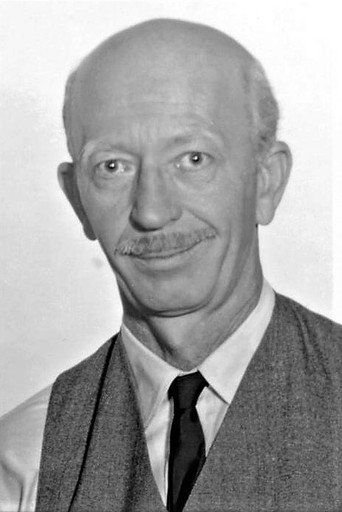 Frank CadyMan on Fire Escape
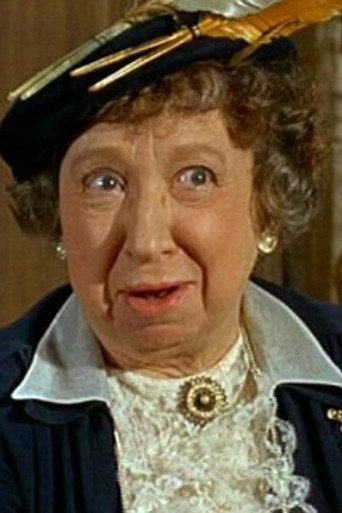 Jesslyn FaxMiss Hearing Aid
- Rand HarperNewlywed
Directing
- Herbert ColemanAssistant Director
- Alfred HitchcockDirector
Writing
- John Michael HayesScreenplay
- Cornell WoolrichShort Story
Recommended by
Psycho, Vertigo, Disturbia, Blow-Up, Peeping Tom, Only Murders in the Building, Wait Until Dark, The Wrong Man, The Lady Vanishes, Dial M for Murder, To Catch a Thief, Joy Ride, Rope, Sorry, Wrong Number, Shadow of a Doubt, The Lodger: A Story of the London Fog, #Alive, Strangers on a Train, The Guilty, Hyouka