
Film
The Woman in the Window
Other titles called The Woman in the Window: the 1944 film.
An agoraphobic woman becomes convinced she's witnessed a murder in a neighbor's apartment. A psycho-thriller that leans on Amy Adams's gift for playing fractured, unreliable perspectives—tense but willing to twist the knife on its own premise. For viewers who like their mysteries knotted tight, where what you see might not be what happened.
Should you watch it?
Watch it if you enjoy twisty, claustrophobic thrillers built on an unreliable narrator, where the pleasure is watching a shut-in's shaky sense of reality come apart room by room.
Skip it if you want a lean, grounded procedural; this one leans into melodrama, heavy coincidence and a plot that stacks reveals faster than it earns them.
What it asks of you: Settle in for a little over an hour and forty minutes of mostly indoor tension, with a restless, overheated tone that rewards close attention and doesn't mind being absurd.
Not sure? Find tonight's pick in a minute.
If you liked this
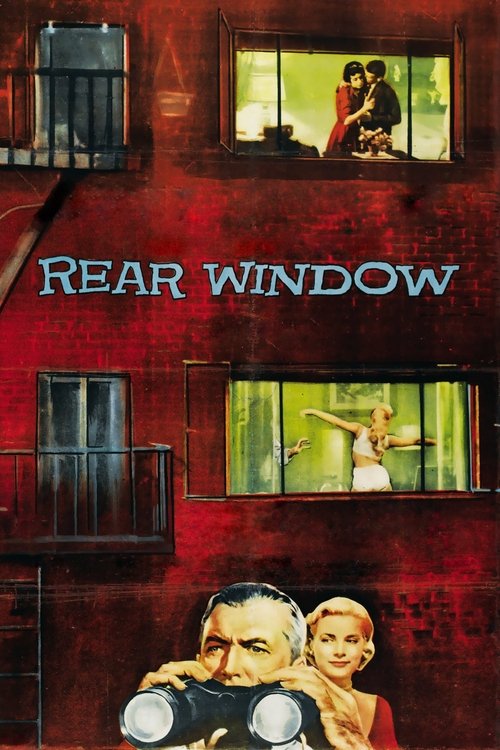
Rear Window1954
The template: a housebound protagonist observing neighbors, suspicion mounting, the viewer unsure what's real. Hitchcock's control is absolute, the photography immaculate, and the moral weight sits differently than you expect.
But Shot in Technicolor on a soundstage, with a pace that belongs to 1954. Some find it theatrical rather than thrilling; others find that part of its charm.
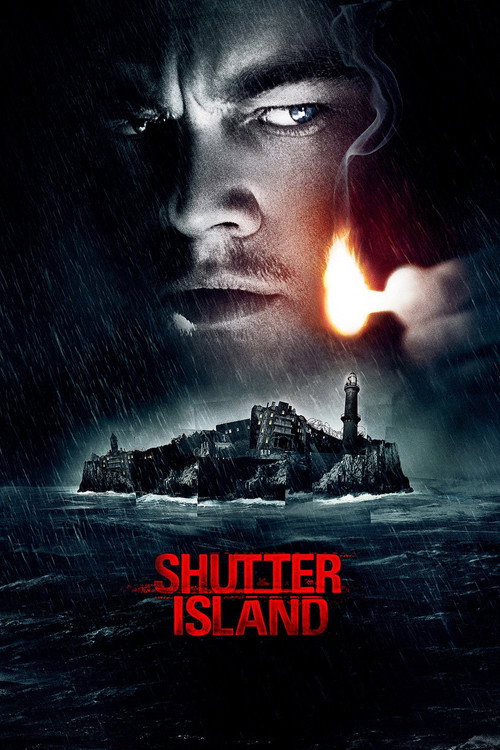
Shutter Island2010
Unreliable narration as the entire plot engine. DiCaprio at his most haunted, the atmosphere suffocating, every frame designed to keep you off-balance. Scorsese understanding that confusion can be more unsettling than clarity.
But The twist lands hard and leaves no room for argument. If you clock it early, there's less to discover. Also genuinely bleak.
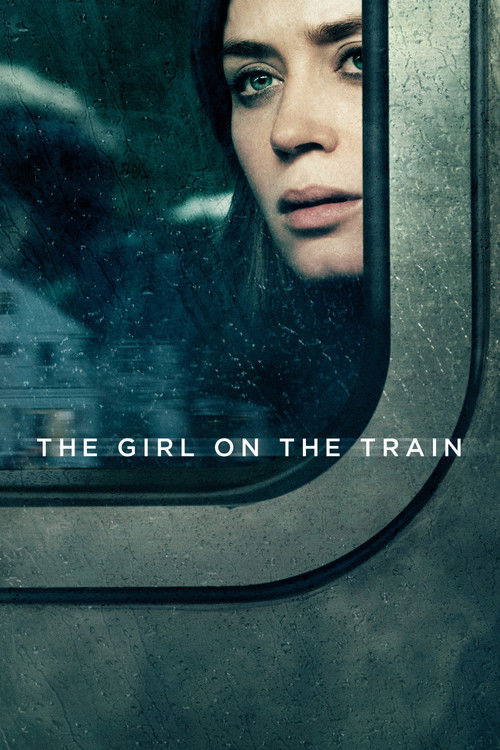
The Girl on the Train2016
Another woman watching from windows, another murder, another unreliable witness drowning in alcohol and obsession. Emily Blunt is magnetic; the structure is a puzzle box that actually rewards rewatching.
But The source material is baggy, and some of that bloat made it into the film. The male characters are mostly thin, which matters less than you'd think but still matters.
Not sure tonight? Get a pick in a minute, starting from The Woman in the Window
The wildcard
Something you would not have found on your own.
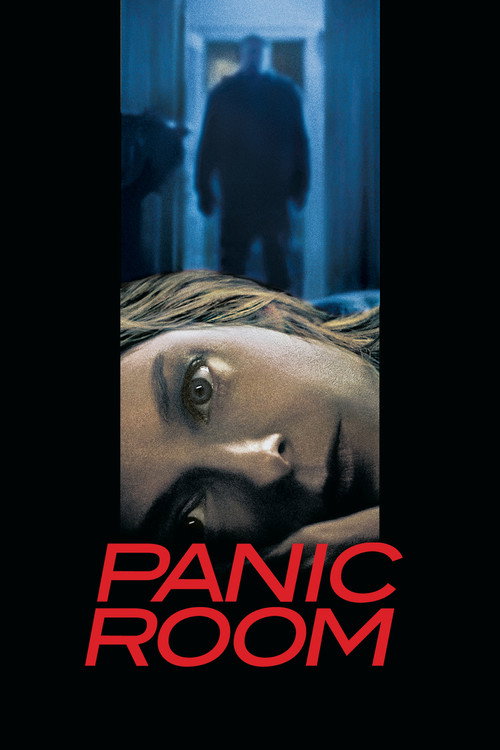
Panic Room2002
Both films trap a woman in a domestic space and force her to navigate danger using observation and inference. Both ask: what do you actually know when you cannot leave?
A woman alone in her house, then trapped in a vault with robbers outside. Fincher's purest thriller: spatial, kinetic, about a mother defending her daughter with nothing but her wits and a room full of security monitors. Relentless.
But The mechanics matter more than character depth. It's a machine designed to function, not to explore the interior lives of its people. Some find that sterile.
More like this (8)
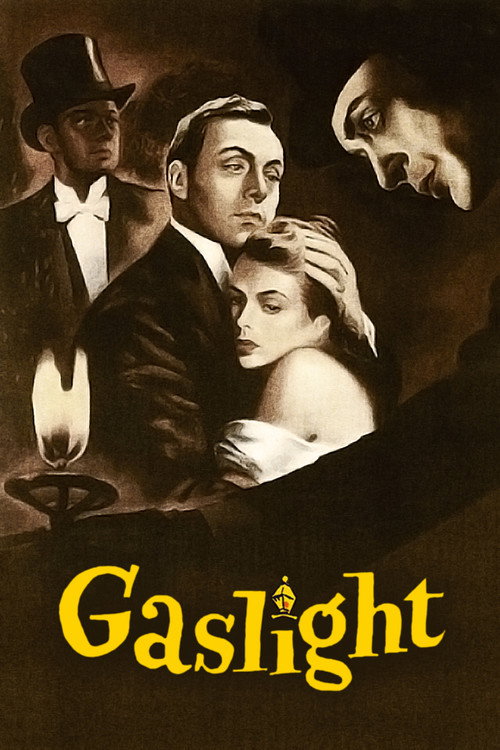
Gaslight1944
A woman being systematically convinced she cannot trust her own mind. Ingrid Bergman and Charles Boyer in a study of psychological manipulation. The original template for psychological thrills that play with perception.
But It's older and slower, with no jump scares or music cues—just two people and a darkening room. The horror is almost boring until it isn't.
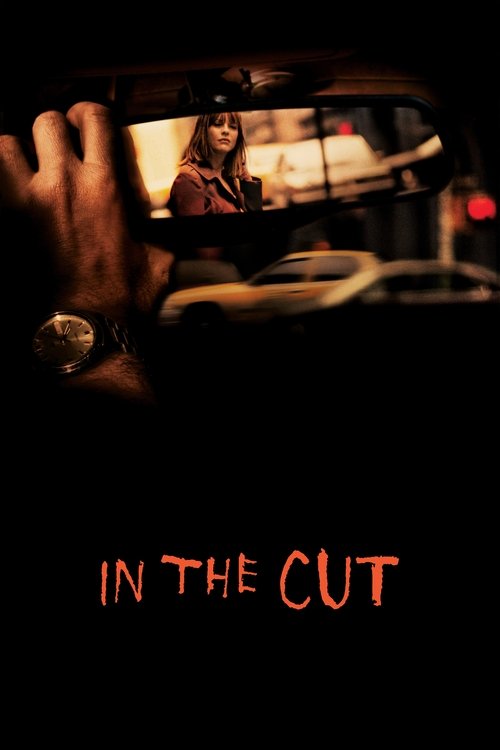
In the Cut2003
Jane Campion's misunderstood masterpiece about a woman observing desire and danger in post-9/11 New York. Meg Ryan against type, unsettling sexuality, ambiguity that refuses to resolve. Genuinely daring filmmaking.
But Severely divided critics and audiences. It's sexually frank, morally murky, and offers no reassurance. Some found it pretentious and cold.
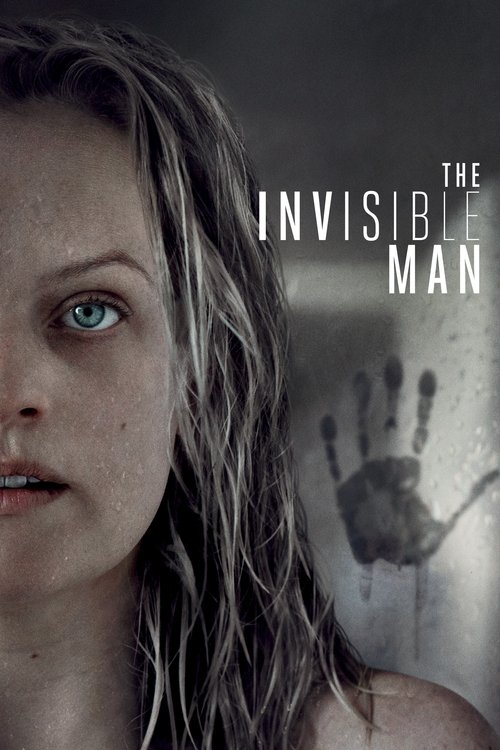
The Invisible Man2020
A woman terrorized by someone she cannot see, trying to prove what others refuse to believe. Leigh Whannell transforms the premise into a meditation on gaslighting and invisible abuse. Visually inventive and genuinely frightening.
But The metaphor can feel blunt; the film is more concerned with emotional truth than mystery. Some audiences want plot surprises, not thematic ones.
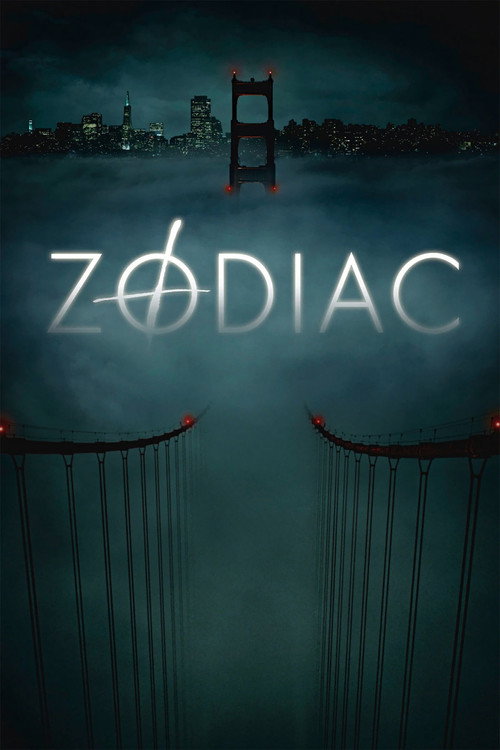
Zodiac2007
A man obsessed with a mystery he cannot solve, living in his own head, chasing shadows. Fincher's most controlled work: meticulous, cold, the investigation becoming a descent. The logic is impeccable and deeply unsettling.
But It's 157 minutes and does not accelerate toward catharsis. The ending will disappoint you if you wanted answers. It's a film about men destroying themselves through certainty.
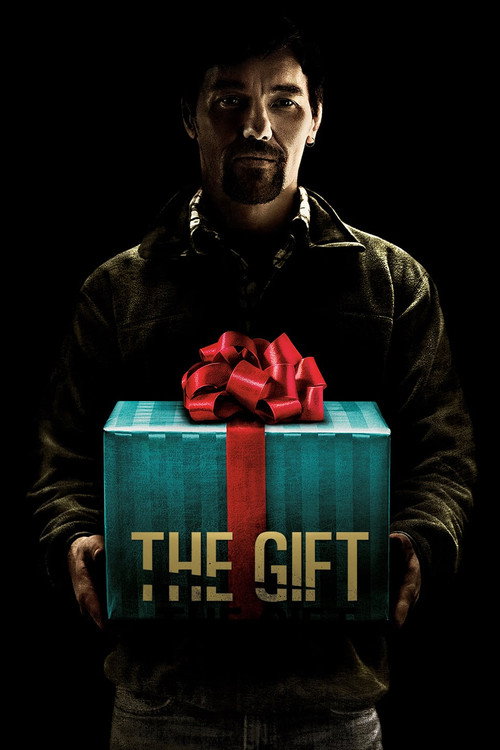
The Gift2015
Joel Edgerton's debut, a slow-burn psychological thriller about a mysterious man returning to his hometown. The atmosphere thickens; the neighbor seems friendly, then not. Trust corrodes in real time.
But Nothing explodes. It's all suggestion and dread, which some viewers find tedious. The final act divides people sharply.
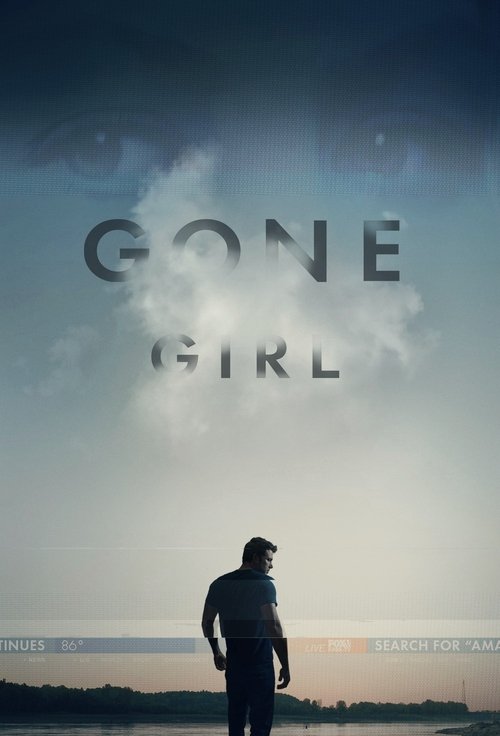
Gone Girl2014
A woman vanishes; everyone lies; nothing is as presented. Fincher and a brilliant Rosamund Pike create a thriller that understands how narratives collapse. Acidly funny and genuinely sickening.
But It's cynical to the bone and offers no one to root for. Some find that liberating; others find it exhausting. The tone can feel cold.
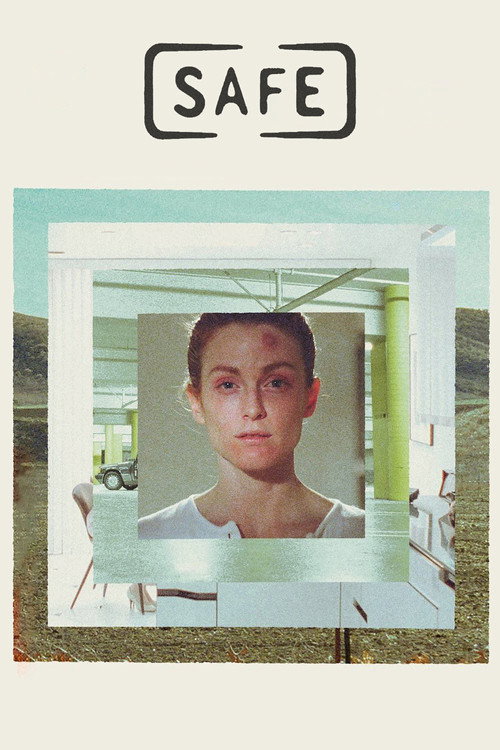
Safe1995
Both use domestic spaces and escalating paranoia as their engine. Both ask whether the woman's fear is justified or a symptom. Both leave that question unanswered.
Todd Haynes's art-film about a woman who becomes increasingly ill from her environment, retreating further into isolation and paranoia. Julianne Moore deteriorating, the world becoming hostile. It's methodical, strange, and absolutely riveting.
But It's glacial and ambiguous about whether her illness is physical or psychological—by design. Not a puzzle to solve, but a mood to endure. Some viewers hate that ambiguity.
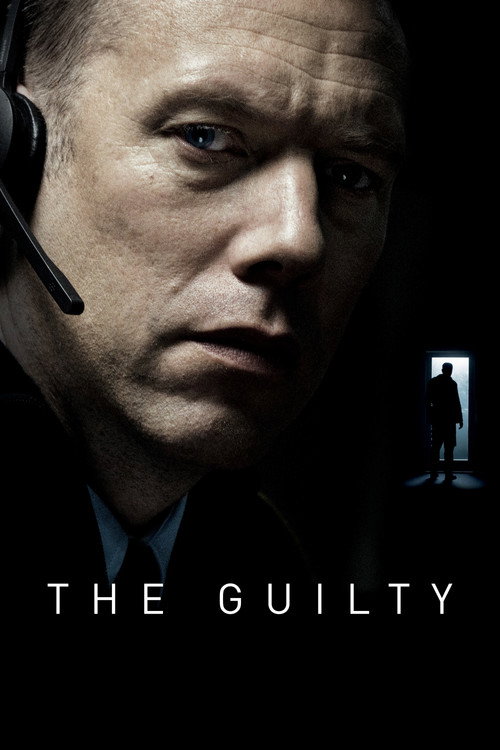
The Guilty2018
Both rely on observation and inference from a distance—what you see or hear versus what is actually happening. Both use the gap between perception and reality as the entire plot.
A Danish thriller told entirely through a police dispatcher's phone call. One room, one actor (Jakob Cedergren), one voice on the other end. A woman calling for help, and a man realizing too late what he's failed to hear. Devastatingly tight.
But It's a gimmick that could be annoying. You never leave the police station; nothing is shown, only described. If you need visual drama, this will feel limited.
People
Cast
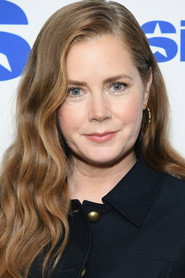 Amy AdamsAnna Fox
 Gary OldmanAlistair Russell
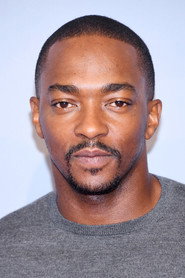 Anthony MackieEd Fox
 Fred HechingerEthan Russell
 Wyatt RussellDavid Winter
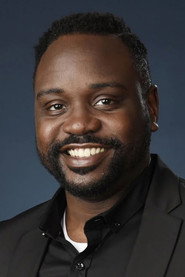 Brian Tyree HenryDetective Little
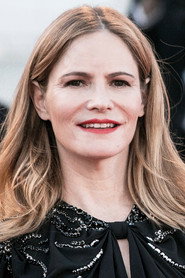 Jennifer Jason LeighJane Russell 2
 Jeanine SerrallesDetective Norelli
 Mariah BozemanOlivia Fox
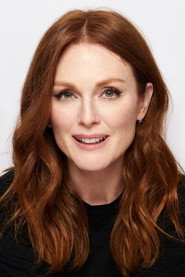 Julianne MooreJane Russell 1 (Katie)
- Diane Dehn911 Dispatcher (voice)
 Daymien ValentinoMover
Directing
- Joe WrightDirector
Writing
- A.J. FinnNovel
- Tracy LettsScreenplay
Production
- Ellen ChenowethCasting
- Susanne ScheelCasting Associate
- Eli BushProducer
- Scott RudinProducer
- Tracy LettsProducer
Recommended by
Behind Her Eyes, The Girl on the Train, Don't Worry Darling, The Collector, Missing, The Perfect Couple, Rebecca, City 40, Sweet Bobby: My Catfish Nightmare, Touch, Fatih Harbiye, Mothers' Instinct, The Pale Blue Eye