
Film
City 40
- Investigative journalism
- Very dark
City 40 is a documentary about Ozersk, a closed Soviet nuclear weapons city hidden behind barbed wire and armed guards. Through archival footage and interviews with former residents, it examines the human cost of the Cold War arms race—environmental devastation, radiation sickness, and the peculiar psychology of living in a secret state. It's intimate and unsettling, essential viewing for anyone interested in how nuclear ambition reshapes lives and landscapes.
Should you watch it?
Watch it if you like documentaries that let a closed-off place reveal itself slowly, through the everyday lives of the people who live inside it and the quiet compromises they have made.
Skip it if you want a tight narrative or a firm argument, since this one circles its subject rather than building a case, and its brisk 72 minutes can feel slight.
What it asks of you: Patience over fireworks: a short, unhurried sit with long quiet passages and a tone that stays measured rather than climbing toward drama.
Not sure? Find tonight's pick in a minute.
If you liked this
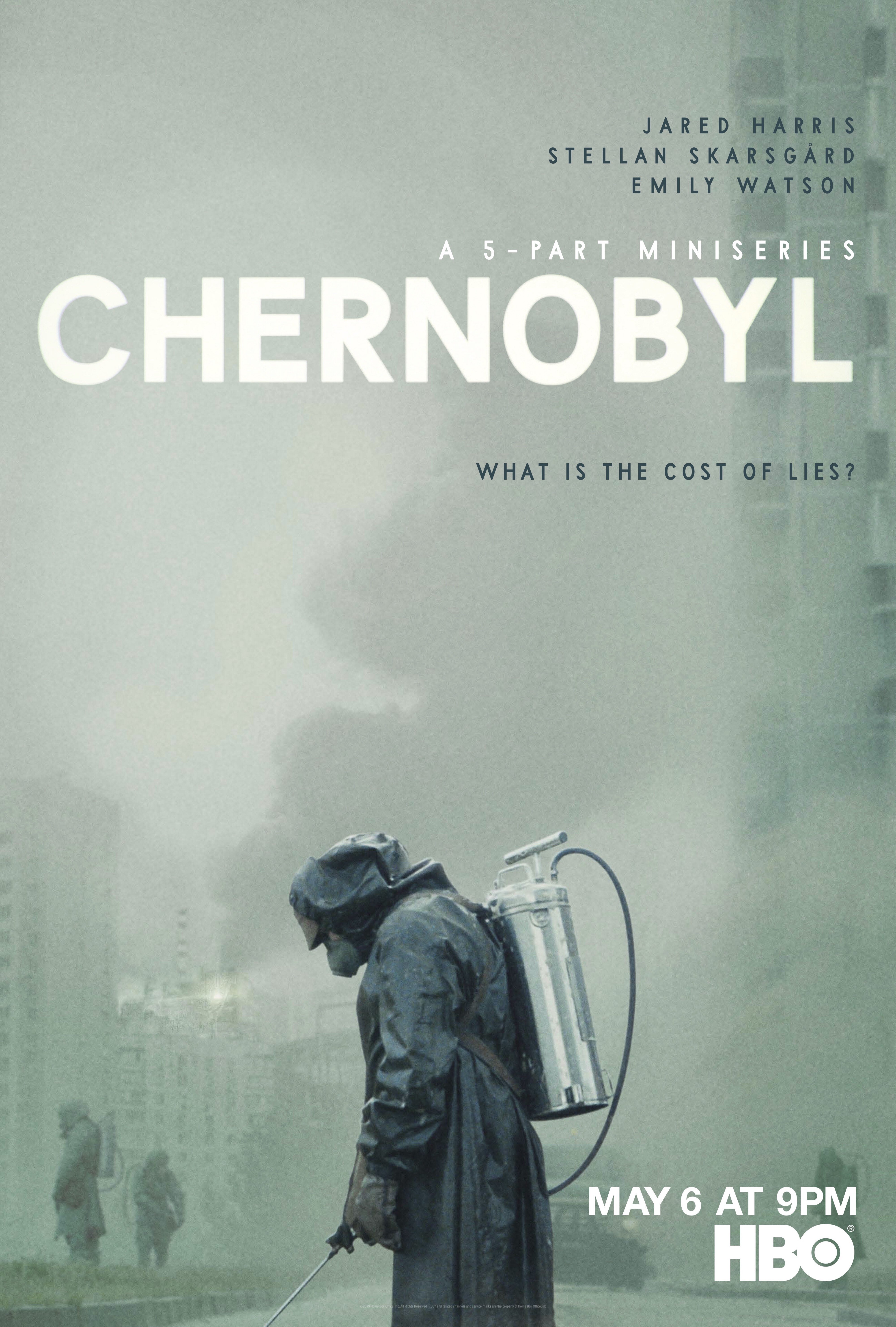
Chernobyl2019
HBO's limited series reconstructs the disaster with meticulous precision and moral clarity. Like City 40, it traces how state secrecy and nuclear hubris destroy communities, but it builds to a single catastrophic moment rather than a slow-burn history. Haunting and perfectly made.
But Five episodes might feel like overkill if you want a quick overview. Some scenes are deliberately difficult to watch.
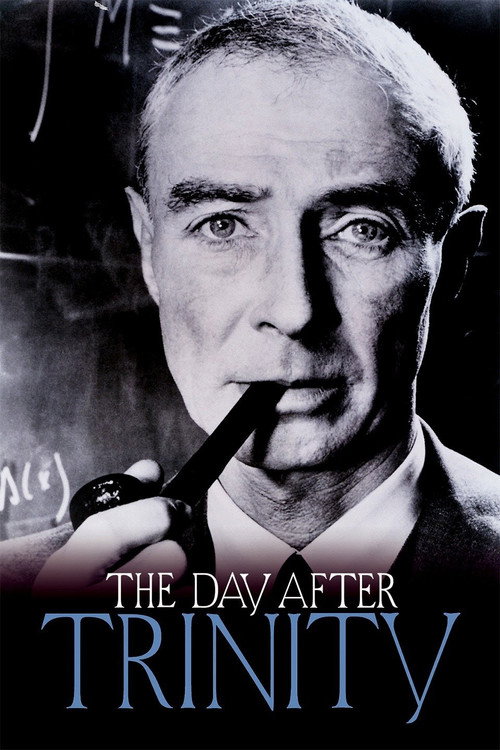
The Day After Trinity1980
This documentary follows J. Robert Oppenheimer and Los Alamos scientists reckoning with what they've created. It shares City 40's fascination with the psychological toll of nuclear work and the impossible moral weight carried by those who built the bomb.
But Slow pacing and static interviews won't grab you if you need visual variety. It assumes some knowledge of the Manhattan Project.
Come and See1985
Elem Klimov's Soviet war film captures the machinery of destruction with unflinching horror. Like City 40, it's a Russian vision of how ideology and systems grind human beings down. Utterly devastating and absolutely necessary.
But This is one of the most difficult films ever made. It's not entertainment; it's an ordeal that some viewers will find unbearable.

Not sure tonight? Get a pick in a minute, starting from City 40
The wildcard
Something you would not have found on your own.
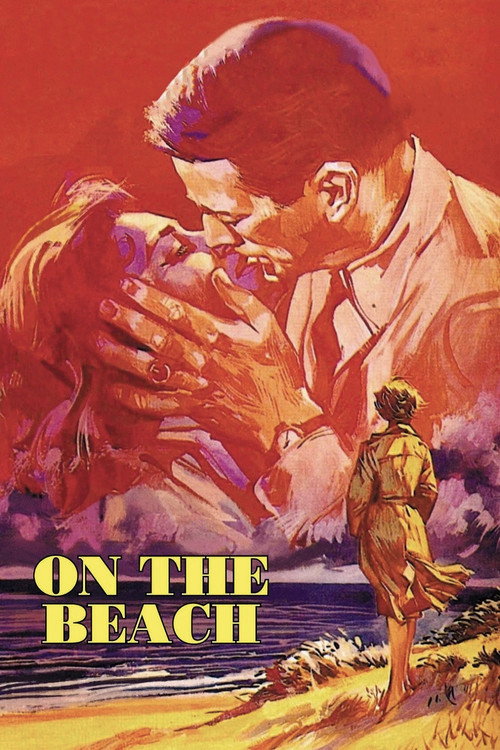
On the Beach1959
Both examine the shadow cast by nuclear weapons on ordinary consciousness—one through historical fact, one through prophetic fiction. They're two ways of asking: what does it do to human beings to live in the atomic age?
Stanley Kramer's nuclear apocalypse film depicts the quiet end of the world after atomic war. It's visually beautiful and structurally opposite to City 40—not a documentary of actual devastation but a fictional reckoning with the fear that motivated weapons like those in Ozersk. Same anxiety, opposite medium.
But 1959 filmmaking and dramatic acting styles feel dated. The pacing is glacial by modern standards, and some may find the resigned tone more depressing than illuminating.
More like this (8)
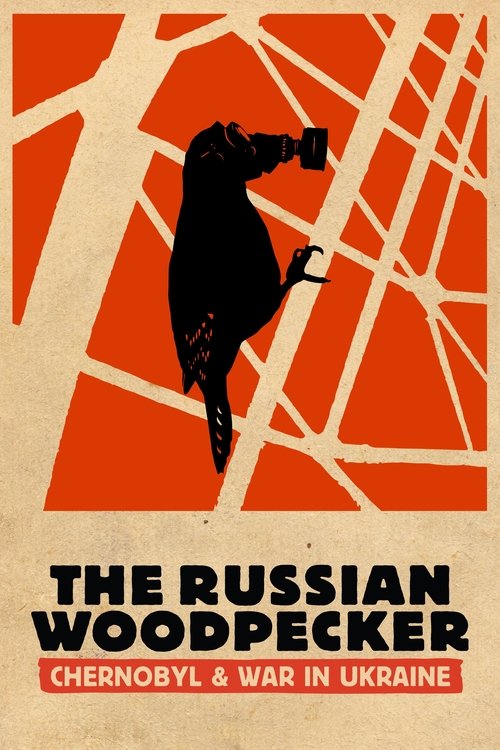
The Russian Woodpecker2015
Another documentary about a Soviet secret city with a radioactive legacy. It's equally strange and haunting, mixing present-day investigation with Cold War archives. If City 40 grabbed you, this is the natural next step.
But Lower production values and a less focused narrative make it feel more like a personal essay than a polished doc. Requires patience.
Stalker1979
Tarkovsky's philosophical science-fiction film explores a mysterious zone and humanity's hunger for transcendence within a decaying Soviet landscape. Shares City 40's eerie atmosphere and its meditation on how nations weaponize space and ideology.
But Deliberately slow and abstract. If you want plot momentum or clear answers, you'll find neither here. This demands surrender.

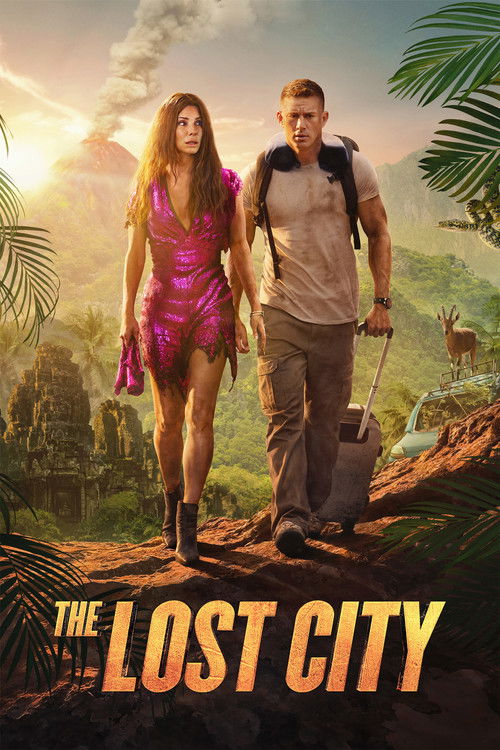
The Lost City2022
This BBC documentary series examines Soviet closed cities in detail, with particular focus on the human stories within them. It expands on City 40's themes with interviews and archival material that feels complementary rather than repetitive.
But Broader scope means less depth on any single location. Some viewers may find the pacing uneven across episodes.
To Be and to Have2002
Nicolas Philibert's gentle documentary observes a single-room schoolhouse in rural France, capturing routine and community with quiet precision. It shares City 40's interest in how ordinary people navigate extraordinary circumstances, though from the opposite emotional register.
But Deliberately paced and observational to the point of near-plotlessness. Not for viewers who need narrative momentum or clear argument.

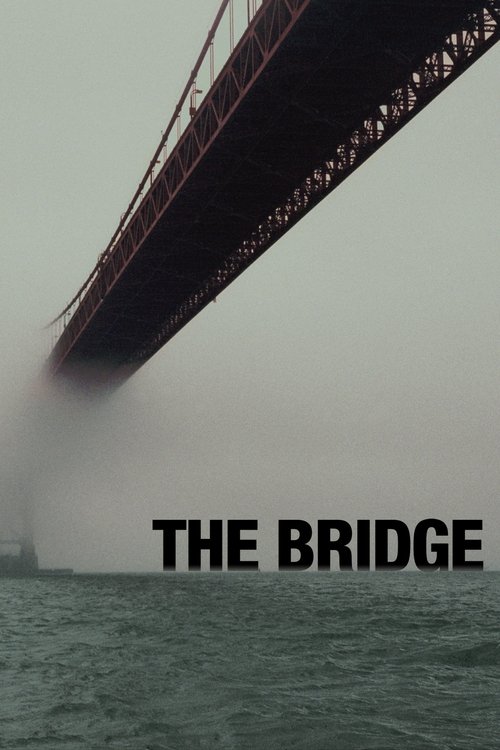
The Bridge2006
Eric Steel's documentary about Golden Gate Bridge suicides is unflinching and empathetic. Both films examine systems and structures that shape human fate, and both refuse easy answers or judgement about those caught within them.
But Extremely heavy subject matter throughout. Some scenes are genuinely distressing; approach only if you're in the right headspace.
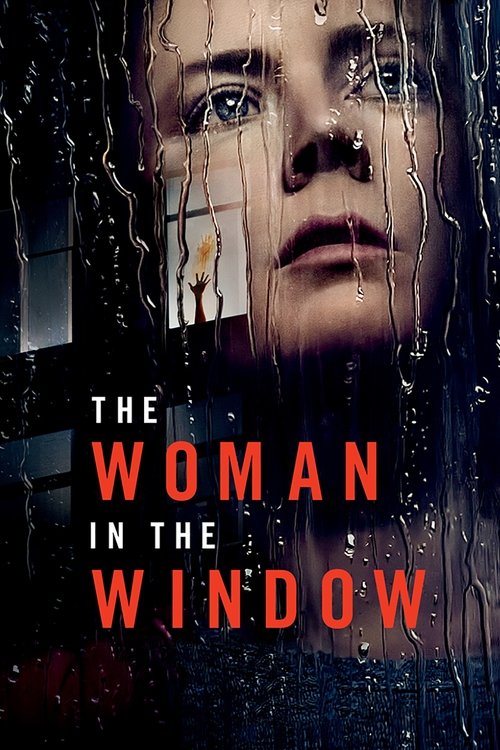
The Woman in the Window2021
This Russian psychological thriller, not the Amy Adams remake, explores paranoia and isolation in Soviet Moscow. It captures Cold War atmosphere and the claustrophobic feeling of living under surveillance, echoing City 40's emotional landscape.
But Available mainly through specialty channels and streaming services. Slow-burn thriller pacing will frustrate anyone seeking conventional suspense beats.
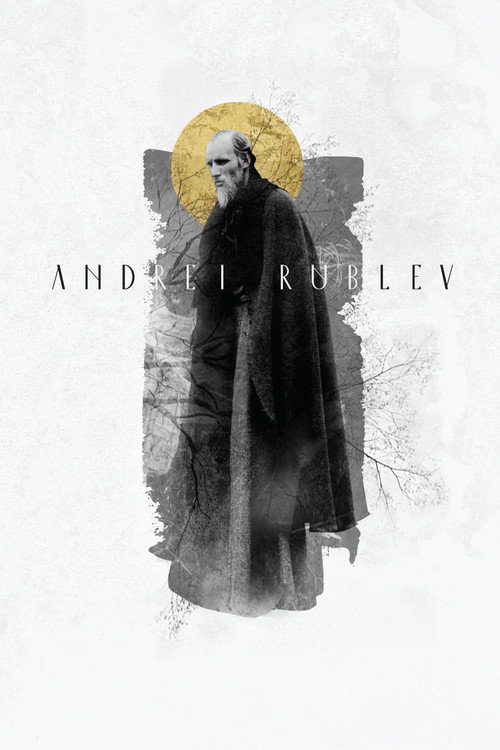
Andrei Rublev1966
Both are portraits of Russia under totalizing systems—one Soviet, one Tsarist—and both suggest that human creativity and beauty persist despite, or perhaps because of, the weight pressing down from above.
Tarkovsky's epic about a medieval Russian iconographer contains some of the most indelible images in cinema, including a devastating final sequence in color. Like City 40, it's concerned with how political systems and violence shape artistic and spiritual life, but filtered through medieval Russia and pure visual storytelling instead of documentary evidence.
But Nearly three and a half hours long. Entirely in Russian with subtitles. Shot in black-and-white except the coda. Not remotely interested in plot convenience or viewer comfort.
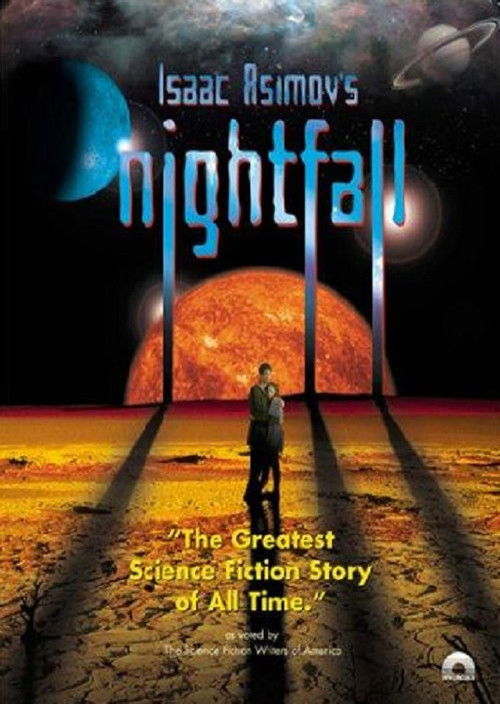
Nightfall2000
Both are intimate portraits of Soviet life and its aftermath, showing how people endure, adapt, and sometimes transcend systems designed to contain them. Different countries, different tones, same era of collapse and reckoning.
This Estonian documentary by Kestutis Sillard follows the daily lives of ordinary people in Tallinn as the Soviet Union collapses. It's tender and observational where City 40 is investigative, but it shares the same fascination with how ideology and history reshape individual lives. A minor gem that deserves discovery.
But Extremely obscure and difficult to find. Minimal plot structure means it unfolds like a series of moments rather than building toward revelation. Requires active engagement.
People
Directing
- Samira GoetschelDirector