
Film
The Russian Woodpecker
- Drama
- Very dark
A Ukrainian Chernobyl survivor investigates the mysterious Soviet radar array that may have worsened the disaster, weaving personal testimony with Cold War intrigue and political upheaval. Part detective story, part family reckoning, it's a haunting meditation on truth-telling under totalitarianism and the cost of speaking out.
If you liked this
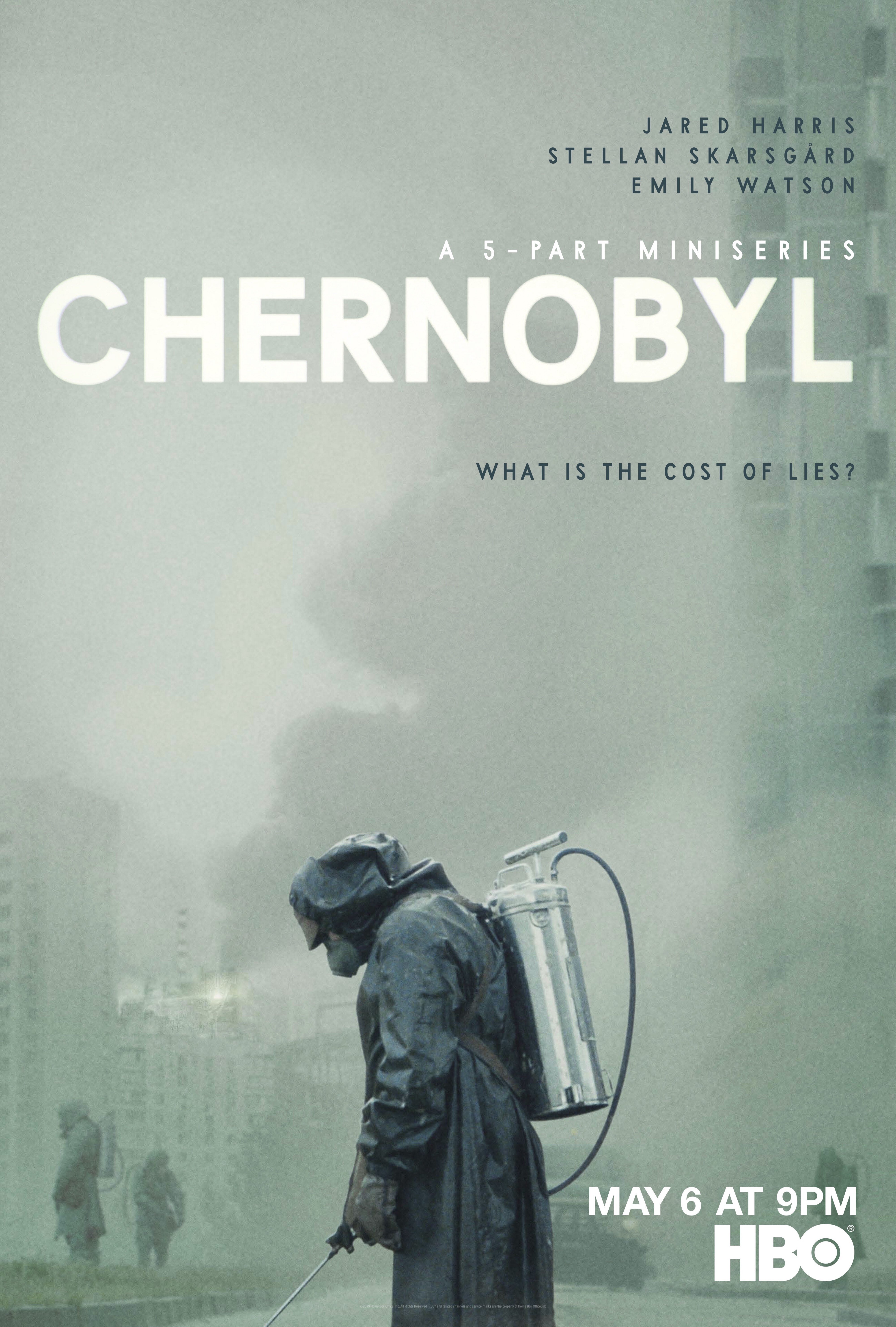
Chernobyl2019
HBO's five-part miniseries reconstructs the disaster with meticulous drama, focusing on the Soviet officials and scientists who contained the catastrophe. Gives you the historical scaffolding that makes The Russian Woodpecker's personal angle land harder.
But It's bleak, methodical, sometimes slow. Not a thriller—it's watching bureaucracy and physics collide in real time, which can feel more frustrating than gripping.
Spotlight2015
Two journalists uncover institutional cover-ups by persistently asking uncomfortable questions. Like The Russian Woodpecker, it's about ordinary people deciding the truth matters more than safety, told with quiet intensity.
But Procedural and talky. Long stretches of people in offices making phone calls. No action beats, just the slow accumulation of dread.

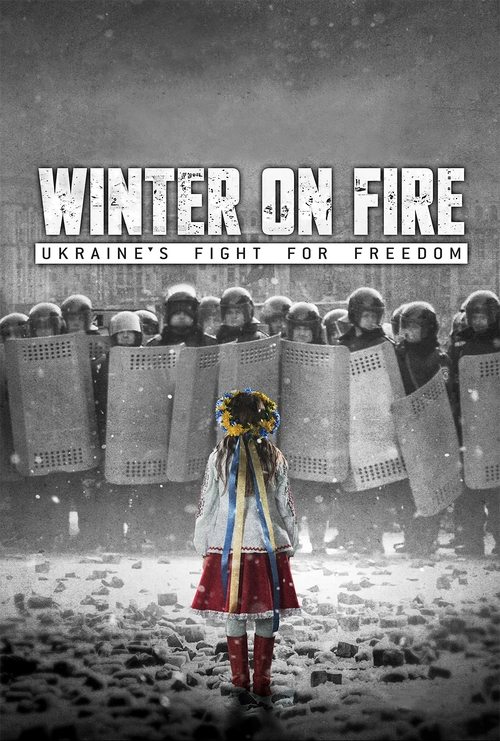
Winter on Fire: Ukraine's Fight for Freedom2015
Documentary about the 2013-14 Ukrainian uprising that provides direct context for The Russian Woodpecker's political landscape. Raw, urgent, and you'll understand why the filmmaker's courage matters.
But Protest footage can feel repetitive. Heavy reliance on shaky phone video and social media clips rather than traditional documentary craft.
Not sure tonight? Get a pick in a minute, starting from The Russian Woodpecker
The wildcard
Something you would not have found on your own.
Come and See1985
Both interrogate what the Soviet system demanded of its people and how trauma gets archived in individual memory. Come and See through grotesque immediacy; The Russian Woodpecker through investigation and grief.
Elem Klimov's Soviet war film follows a boy conscripted into WWII combat; you watch his innocence annihilate in real time. Shares The Russian Woodpecker's DNA: Eastern European cinema confronting the Soviet state's machinery of suffering and the cost of witnessing it.
But One of cinema's most punishing films. Not metaphorically—it's genuinely difficult to endure. Graphic violence and despair that lingers long after the credits.

More like this (4)
The Act of Killing2012
Indonesian genocide perpetrators re-enact their crimes on camera. Like The Russian Woodpecker, it's about confronting historical atrocity and asking what truth-telling actually does. Profound and unsettling.
But Emotionally brutal and morally nauseating by design. The formal experimentation sometimes feels like it's playing games with atrocity, which will repel some viewers entirely.

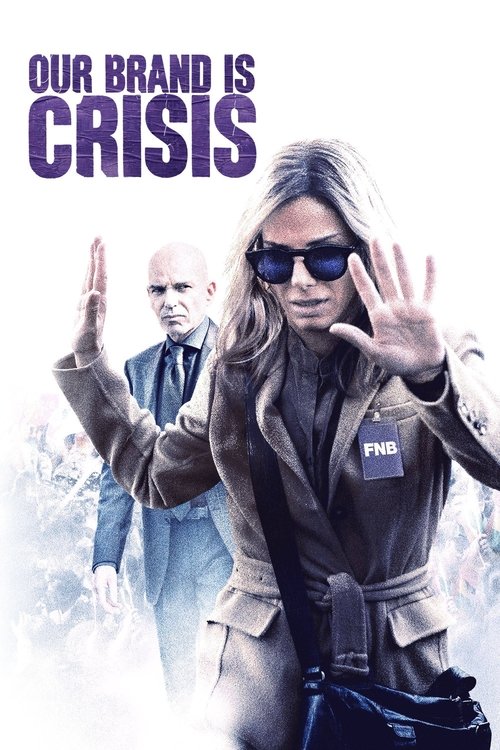
Our Brand Is Crisis2015
Political thriller about an American campaign operative in Bolivia, exploring how spin and truth collide in unstable countries. Tense, darkly funny, and genuinely interested in how power obscures reality.
But The tone is slicker and glossier than The Russian Woodpecker's earnestness. Some viewers will find it too glib about serious political stakes.
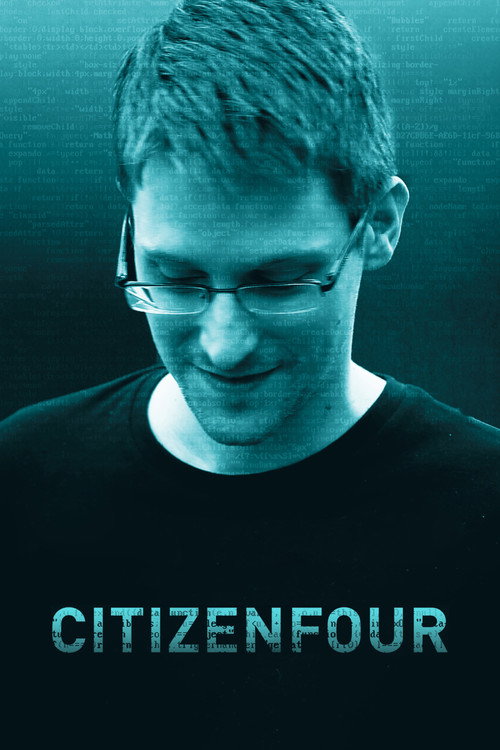
Citizenfour2014
Laura Poitras documents Edward Snowden's decision to leak classified NSA documents. Direct parallel: a man risking everything to expose state secrets he believes the public deserves to know.
But Long stretches are just people in hotel rooms talking on encrypted channels. Not conventionally thrilling, which some find meditative and others find tedious.
The Battle of Algiers1966
Gillo Pontecorvo's masterpiece about colonial resistance uses a you-are-there approach to show how ordinary people become revolutionaries. The structural DNA of all political cinema—and deeply relevant to The Russian Woodpecker's moment.
But Shot in stark black-and-white and deliberately didactic. The style is austere. It's a film you engage with intellectually as much as emotionally.

People
Cast
- Fedor AlexandrovichHimself
- Andrei AlexandrovichFedor's Father
- Igor AlexandrovichFedor's Son
- Natalia BaranovskayaChernobyl Historian
- Andrei BilykChernobyl Chief Engineer
- Fedor ChebanenkoDuga Data Commander
- Charlie D'AgataHimself - CBS News Foreign Correspondent (archive footage)
- Anatoly DuatlovChernobyl Engineer
- Fedor DubrovkaRadar Professor
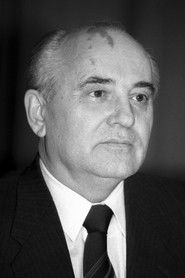 Mikhail GorbachevFormer President Russia (archive footage)
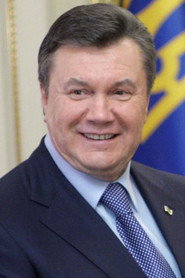 Viktor YanukovichFormer President Ukraine (archive footage)
- Georgiy KopchinskiLast Soviet Head of Atomic Energy
Directing
- Chad GraciaDirector
Writing
- Chad GraciaWriter
Production
- Marina OrekhovaAssociate Producer
- Chad GraciaProducer
- Mike LernerProducer
- Ram DevineniProducer