
Television series
Chernobyl
Chernobyl reconstructs the 1986 nuclear disaster and its cover-up with procedural, unglamorous precision — more slow-burn tragedy than disaster movie. It's about lies compounding until they become catastrophe, and the ordinary people who paid for them. Watch it for the dread that builds scene by scene rather than spectacle, and for grief rendered without sentimentality.
If you liked this
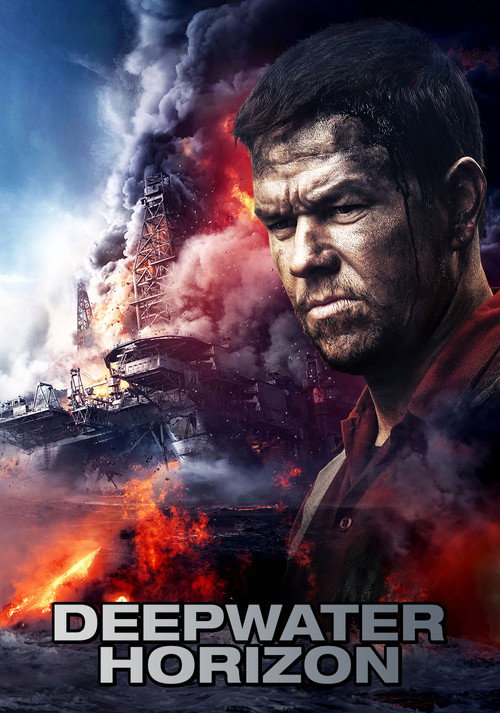
Deepwater Horizon2016
Same anatomy of disaster — warning signs ignored, corners cut for profit, then real people paying for it in real time. Visceral, propulsive filmmaking with a genuine engineering brain.
But More action-movie than tragedy; the human cost gets less room than the explosions and heroics.
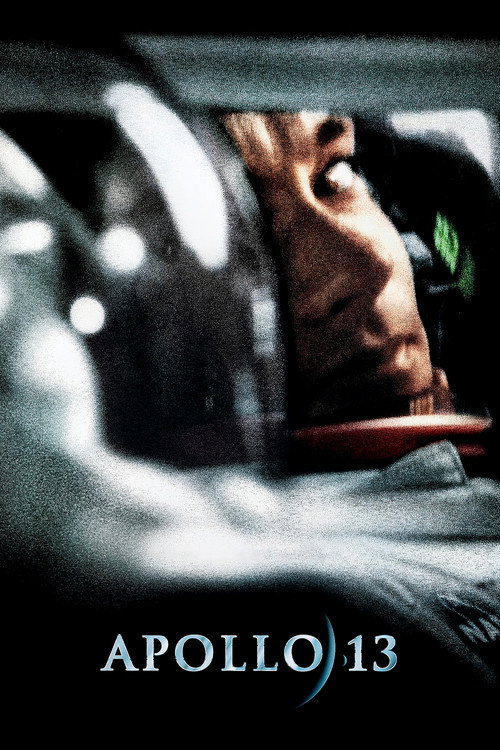
Apollo 131995
The other side of the same coin — engineers solving an impossible crisis in real time, under political and public pressure, with competence itself as the drama.
But Ends in triumph rather than catastrophe, so if you came for Chernobyl's bleakness, this won't provide it.
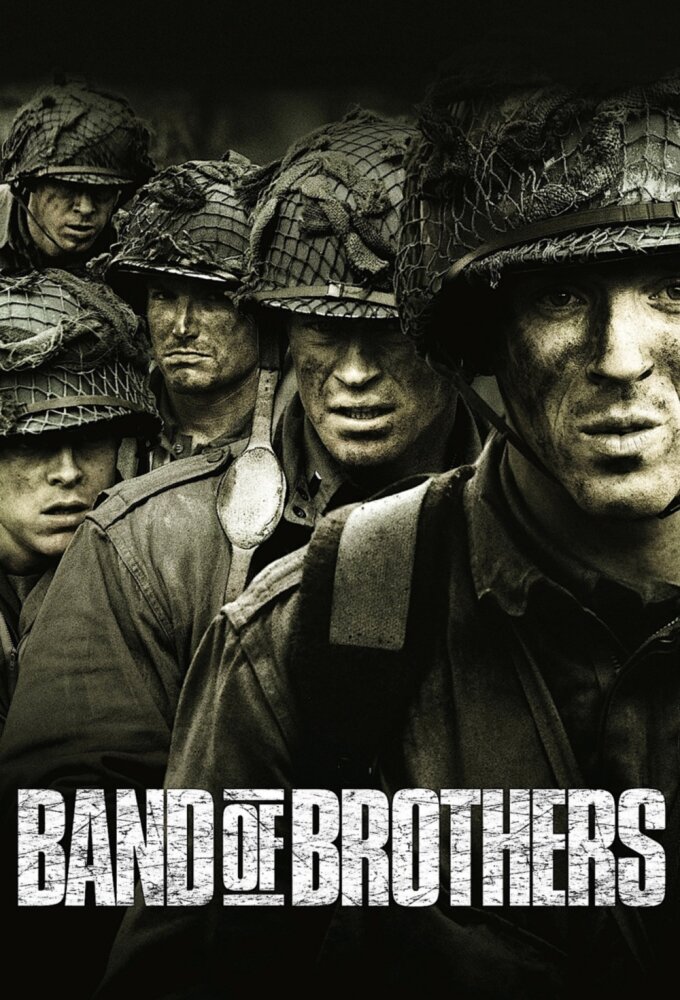
Band of Brothers2001
Same HBO instinct for turning history into intimate, unglamorous ensemble drama full of ordinary people doing extraordinary things and paying for it.
But Ten hours is a real commitment, and combat, not political catastrophe, is the engine driving it.
The wildcard
Something you would not have found on your own.
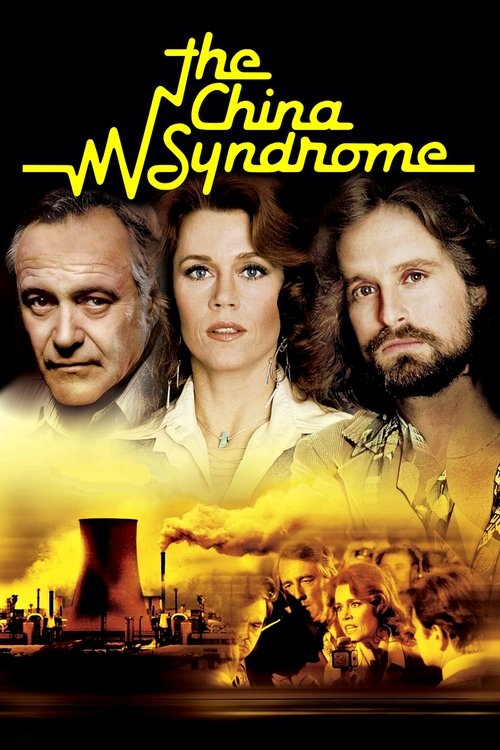
The China Syndrome1979
Released seven years before the real Chernobyl, it imagined the exact failure mode — safety corners cut, warnings buried — and now plays less like fiction than prophecy.
A tense thriller about a near-meltdown at an American nuclear plant, complete with cover-ups, ignored engineers, and corporate denial dressed as reassurance.
But Dated thriller pacing and melodrama; some of the tension now reads as quaint rather than gripping.
More like this (8)
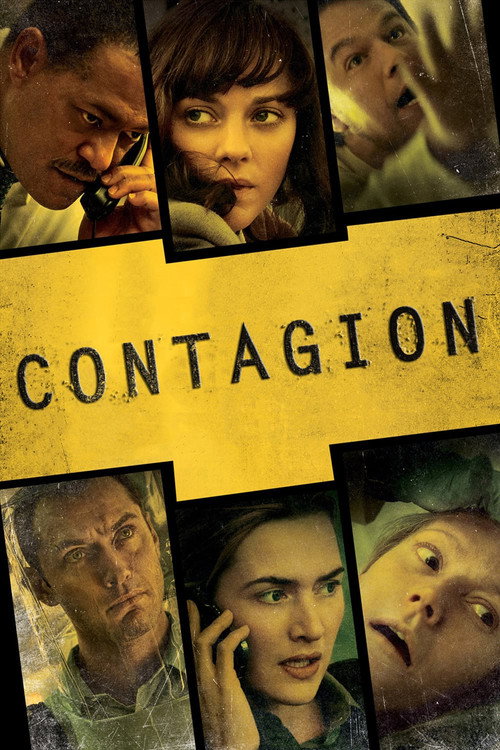
Contagion2011
An ensemble procedural about a crisis nobody wants to name, bureaucracy scrambling behind the science, ordinary lives ground down by forces they can't see.
But Cooler and more clinical than Chernobyl's grief; the characters stay at arm's length throughout.
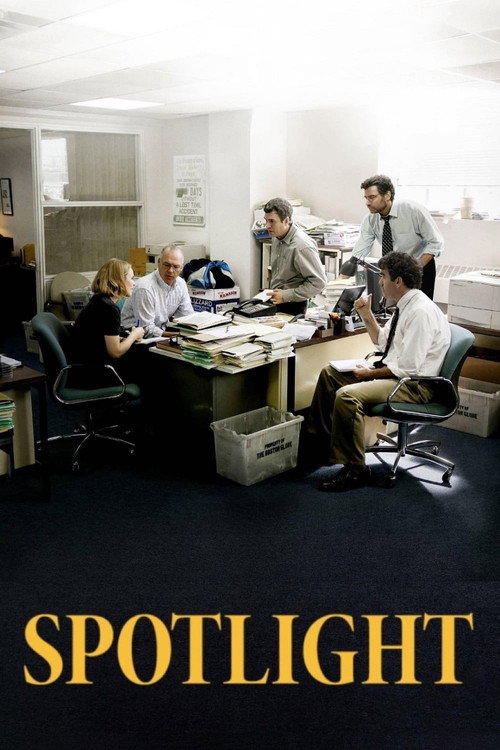
Spotlight2015
Quiet, methodical, furious about institutions protecting themselves at human cost — the same slow-burn anger, aimed at a newsroom instead of a reactor core.
But No physical spectacle at all; it's phone calls and filing cabinets, not fire and radiation.
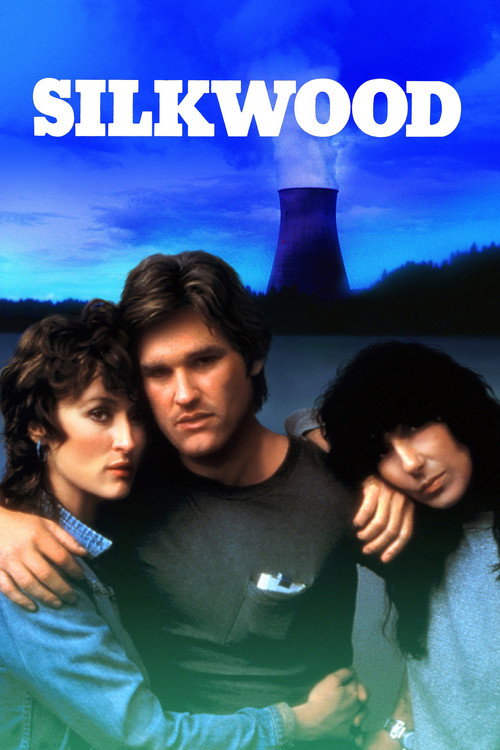
Silkwood1983
A real nuclear whistleblower ground down by an industry that would rather she vanish than admit the plant is unsafe — Chernobyl's cover-up culture, American style.
But Slower and more domestic in scale; it's one woman's fight, not a nation's catastrophe.
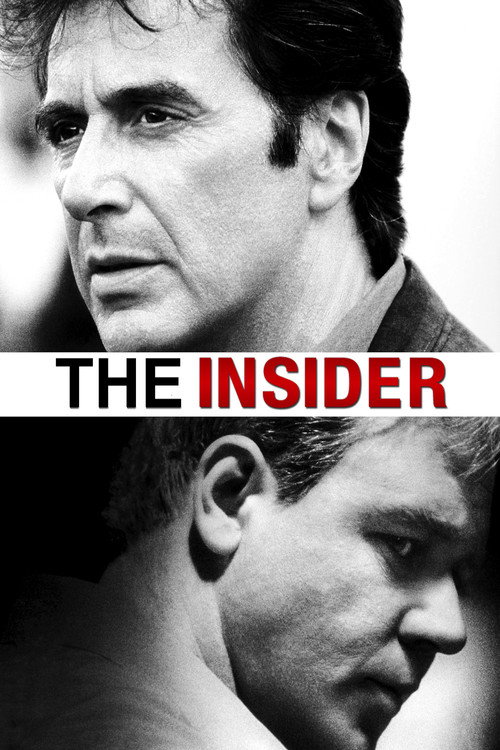
The Insider1999
A scientist wrecking his own life to tell a truth a powerful institution needs buried — Legasov's dilemma transplanted into big tobacco.
But Corporate-thriller pacing; two and a half hours of meetings and pressure rather than disaster.
Erin Brockovich2000
The same rot — a company poisoning people and lying about it for years — but told with more warmth and a satisfying comeuppance.
But Julia Roberts' charm and the courtroom triumph make it far sunnier than anything Chernobyl offers.

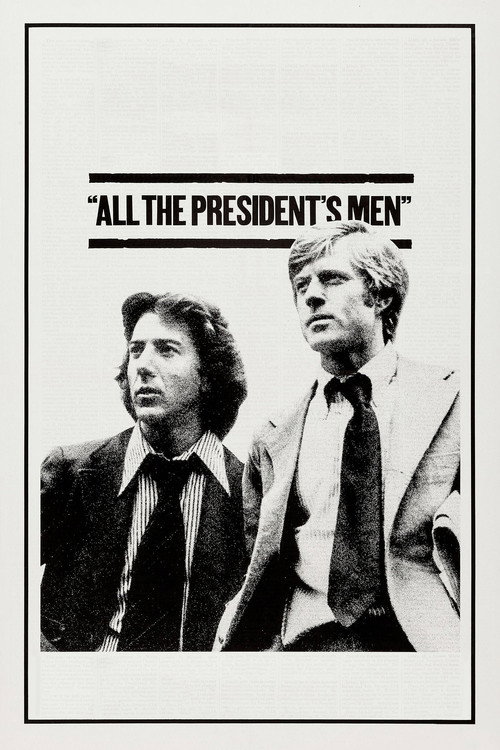
All the President's Men1976
The grandfather of institutional cover-up cinema — patient, procedural, obsessed with the mechanics of how power hides its mistakes.
But No disaster, no body count; the tension lives entirely in phone calls and paper trails.
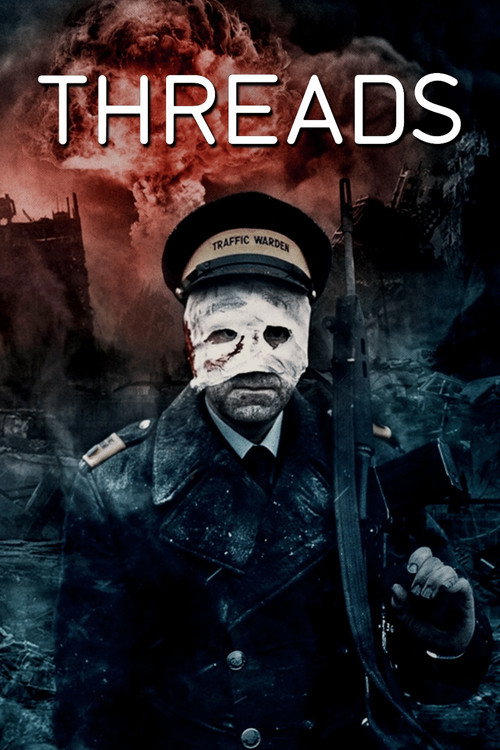
Threads1984
It pioneered the stripped-down docudrama-of-catastrophe style Chernobyl borrows wholesale — timestamps, mundane detail, horror located in bureaucracy rather than special effects.
A BBC docudrama imagining nuclear war's aftermath with flat, procedural dread — ordinary lives ground down by radiation, bureaucracy, and slow social collapse.
But Bleaker than anything HBO would air; deliberately anti-cinematic and offers no hope or resolution whatsoever.
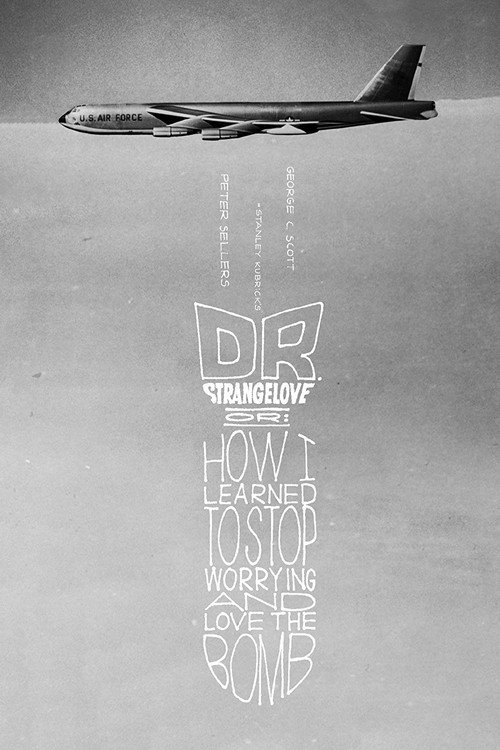
Dr. Strangelove or: How I Learned to Stop Worrying and Love the Bomb1964
Swaps Chernobyl's tragic register for absurdist comedy while asking the identical question: what happens when the fallible fools running the doomsday machine are protecting their own reputations.
The same fear — that the systems built to prevent catastrophe are the ones guaranteeing it — played as pitch-black farce instead of tragedy.
But Satire and slapstick after Chernobyl's grief might feel jarring if you specifically want more solemnity.
People
Cast

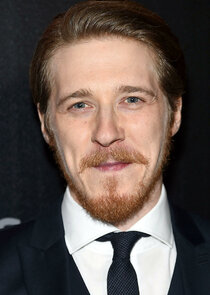
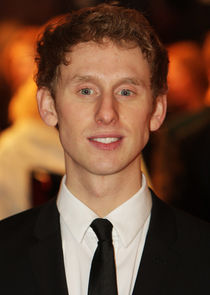
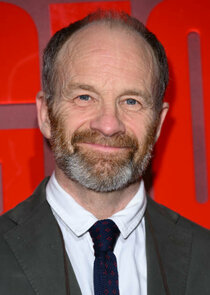
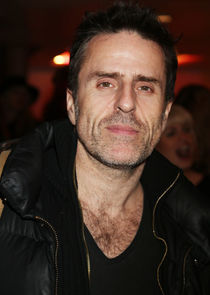
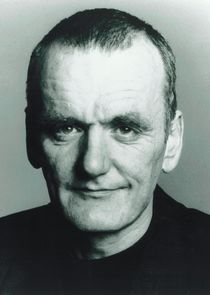
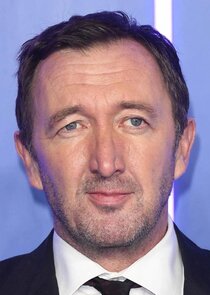
Writing
- Craig MazinCreator
Production
- Chris FryCo-Executive Producer
- Johan RenckCo-Executive Producer
- Carolyn StraussExecutive Producer
- Craig MazinExecutive Producer
- Gabriel SilverExecutive Producer
- Jane FeatherstoneExecutive Producer
- Rob HowLine Producer
- Sanne WohlenbergProducer
Recommended by
The Death of Stalin, Wolf Hall, The Expanse, The Crown, Andor, The Hunt for Red October, Aliens, Oppenheimer, Captain America: Civil War, Avengers: Endgame, For All Mankind, Bird Box, Doctor Zhivago, K-19: The Widowmaker, Annihilation, Burnt by the Sun, Culloden, Enron: The Smartest Guys in the Room, Wormwood, Icarus, Chernobyl: The Lost Tapes, Meltdown: Three Mile Island, Navalny, Waco, Threads, Painkiller, Apollo 13, Command and Control, Watchmen, Attack on Titan, The Thick of It, The Boys, The Last of Us, World War Z, Twenty Twelve, Sunshine, The Man Who Fell to Earth, Red Dwarf, Stalker, Godzilla, American Crime Story, The Trial, Show Me a Hero, Panic in the Streets, Angels in America, The Handmaid's Tale, Godzilla: King of the Monsters, Take Shelter, The Fly, Quiz, The Pitt, The Knick, Silo, Hope, The Andromeda Strain, The Legend of Korra, The Walking Dead: Dead City, Deepwater Horizon, Collective, It Comes at Night, And the Band Played On, The Terror, Utopia, Rampage, Melancholia, The Killing of a Sacred Deer, [REC], Zero Days, 20 Days in Mariupol, Bad Education, The Plot Against America