
Television series
Dr. Death
- Crime
- Medical drama
- Very dark
A true-crime anthology series that dramatizes horrifying cases of surgeons whose negligence and arrogance destroyed patients' lives. Tense, methodical storytelling that builds dread as you watch the medical system fail those it promised to heal. For anyone gripped by real stories of institutional failure and human cost.
Should you watch it?
Watch it if you want a methodical, clinical look at institutional failure, where hospital politics and the slow realization of what is going wrong matter as much as the operating room.
Skip it if the subject is patient harm under a scalpel, and the true-crime framing can feel procedural; if graphic surgical damage will weigh on you, let it go.
What it asks of you: Sixteen episodes of about fifty minutes, paced like an investigation, patient and cumulative, with attention you keep giving as the case grows larger.
Not sure? Find tonight's pick in a minute.
If you liked this
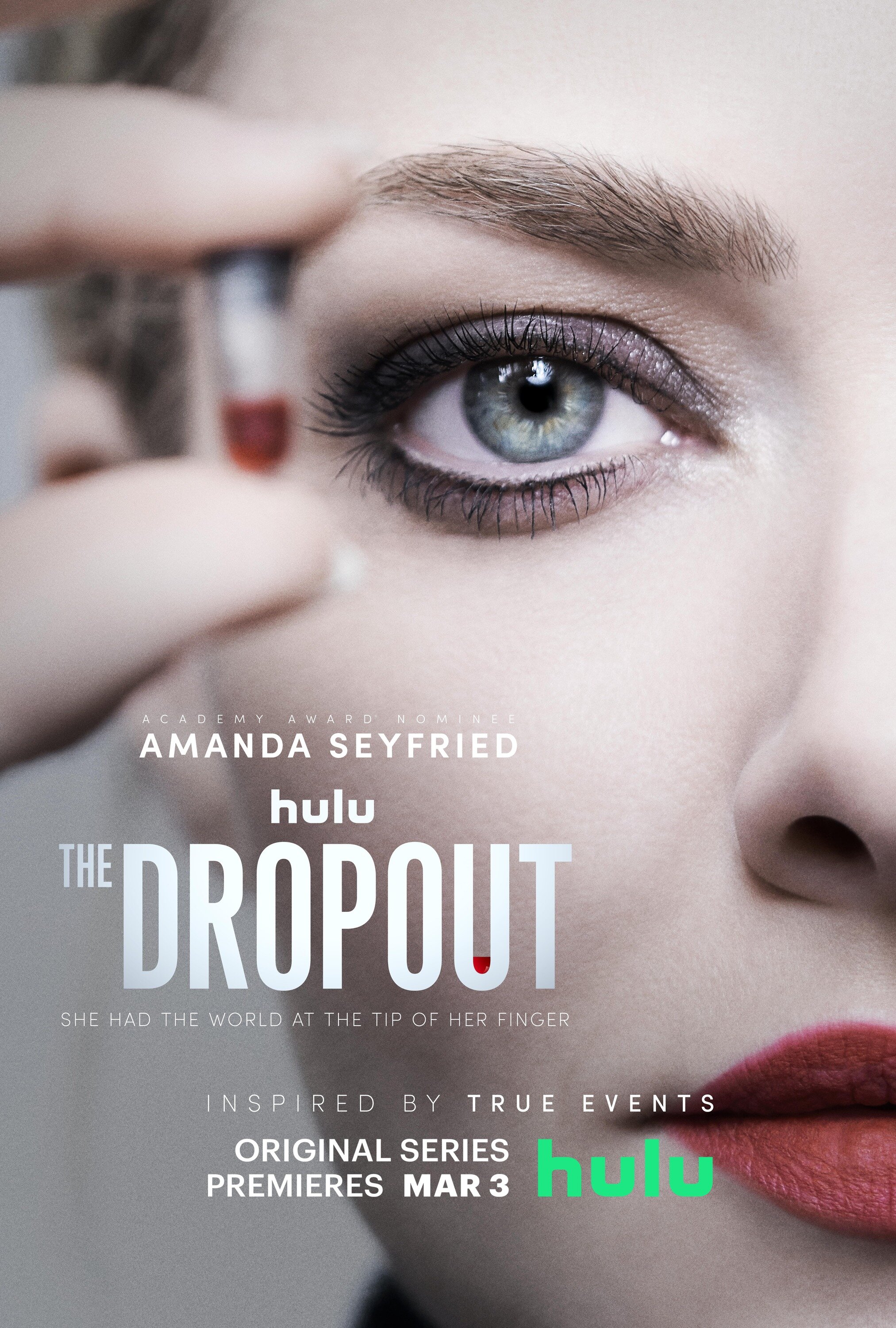
The Dropout2022
Another Peacock true-crime drama about a charismatic fraudster who harms vulnerable people. Amanda Seyfried's Elizabeth Holmes is magnetic and terrifying in equal measure. Same propulsive narrative structure, same sense of watching a disaster unfold in slow motion.
But Less grounded than Dr. Death—it's slicker, more stylized. If you want the real institutional procedural rather than the prestige-drama version, this might feel too polished.
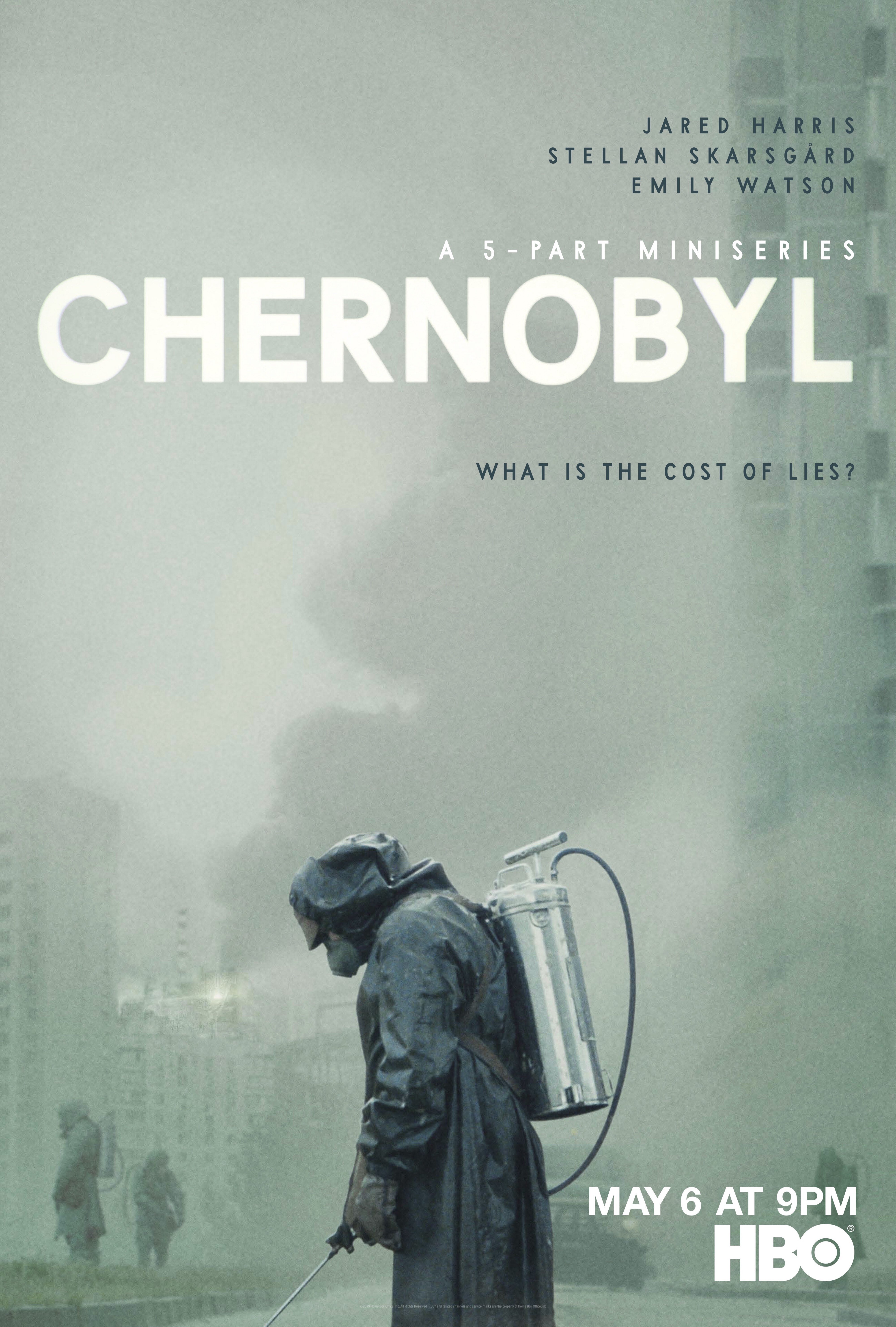
Chernobyl2019
HBO's five-part series about the nuclear disaster. Shares the DNA: watching systems fail catastrophically, powerful men making lethal decisions, bureaucrats choosing image over truth. Same suffocating sense of inevitability, same anger.
But Soviet history and nuclear physics instead of medicine—if the medical angle is what hooks you, the subject matter might feel distant.
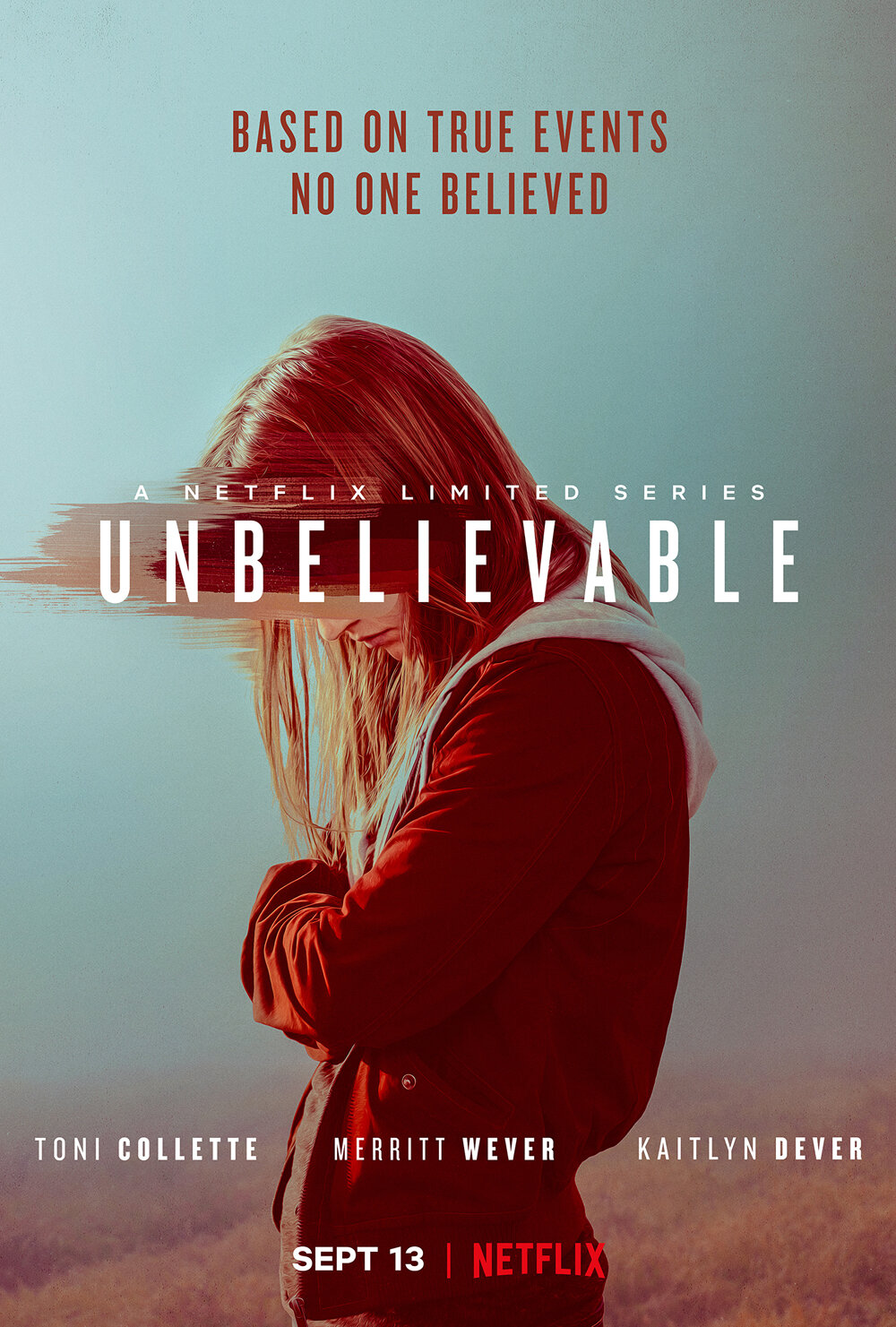
Unbelievable2019
Merritt Wever leads this Netflix limited series about a serial rapist and the investigators who finally catch him. Like Dr. Death, it's about institutional failure and belief—the system not protecting victims. Devastating and methodical in equal measure.
But The subject matter is harrowing in a different register—sexual violence rather than medical negligence. Harder to sit with, even knowing justice comes.
Not sure tonight? Get a pick in a minute, starting from Dr. Death
The wildcard
Something you would not have found on your own.
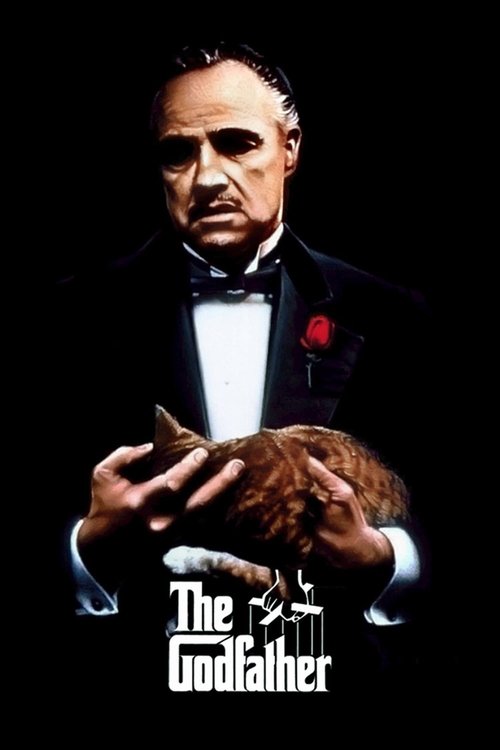
The Godfather1972
Both trace how charisma and institutional position allow one man to harm many. Both ask: why does the system protect him so long? Both answer: because that's how systems work.
Coppola's masterpiece about power, loyalty, and how institutions corrupt from within. Like Dr. Death, it's about charismatic men wielding authority and the systems that enable them. A different register entirely—operatic rather than procedural—but structurally identical.
But Three and a half hours of 1970s crime cinema; if you want urgency and dread rather than deliberate pacing and grandeur, this might test your patience.
More like this (8)
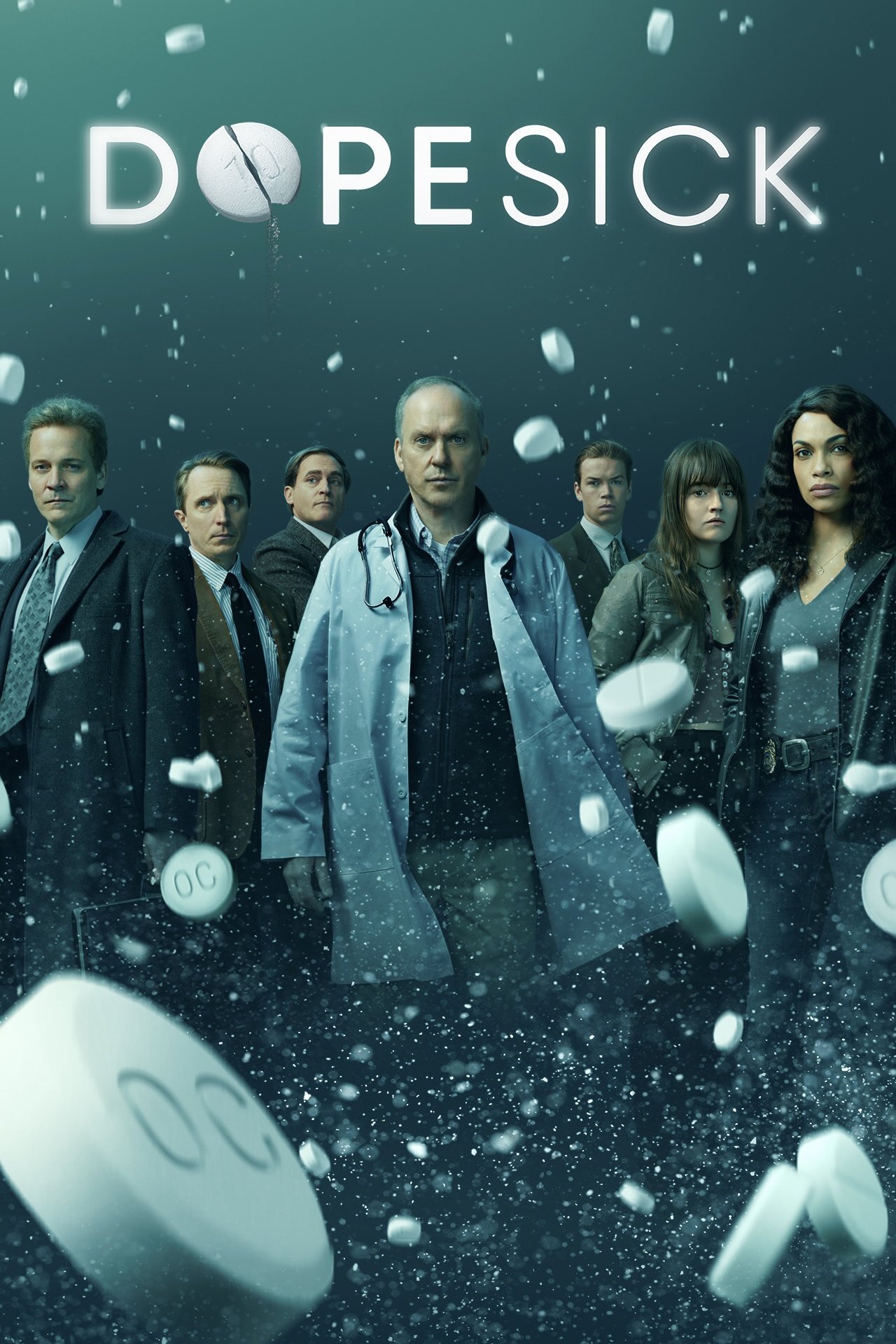
Dopesick2021
Michael Keaton in a limited series about the opioid crisis and corporate malfeasance. Another story of a system failing patients while executives prioritize profit. Same slow-burn fury, same sense of watching preventable tragedy.
But More overtly political and angry about capitalism—if you prefer stories with less obvious moral scaffolding, it might feel didactic.
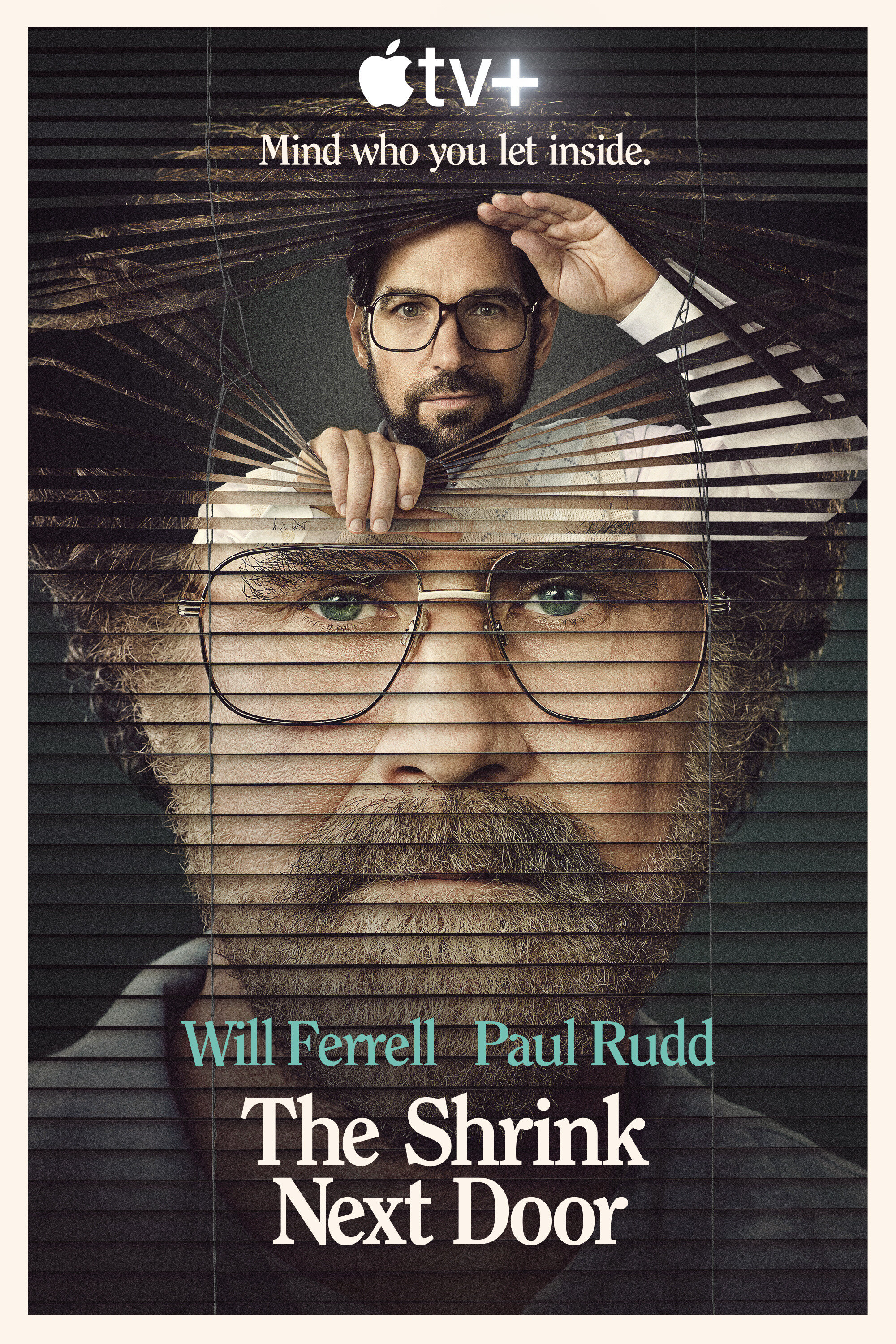
The Shrink Next Door2021
Will Ferrell and Paul Rudd in a limited series about a psychiatrist who exploited his patient for decades. Intimate, character-driven, and focused on how charm and authority enabled abuse. Smaller scale but equally unsettling.
But It's darker comedy than thriller—the tone is very different. If you want propulsive dread, this one aims for something more uncomfortable and subtle.
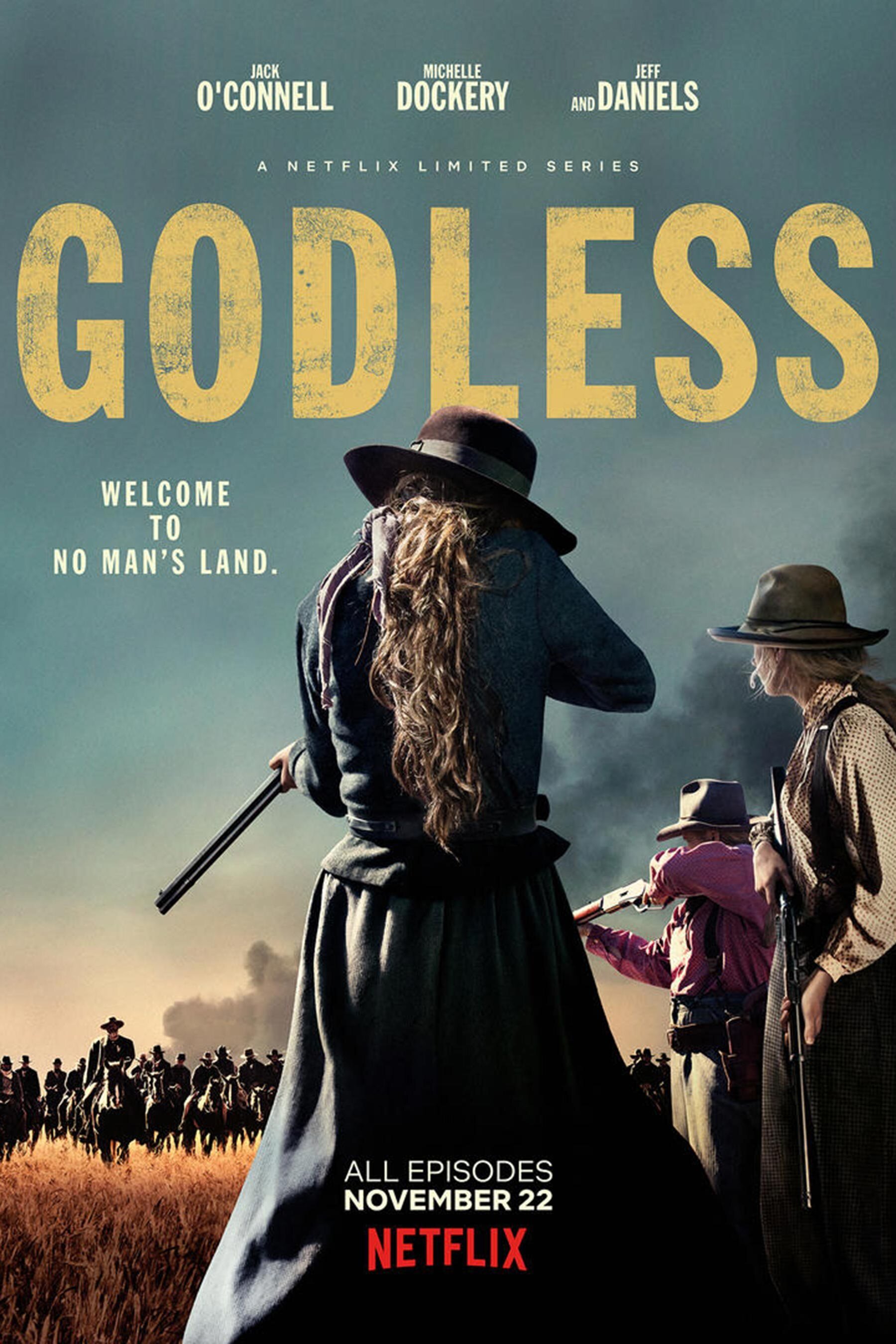
Godless2017
A seven-part western miniseries about a town run by women dealing with violence and corruption. Same methodology as Dr. Death: following institutional failure, incompetence, and cruelty. Beautifully shot and narratively gripping.
But It's a western, not a true-crime drama—the genre shift is significant. If you're specifically hungry for real-world wrongdoing, fiction won't scratch that itch.
Spotlight2015
Tom Rourke and Michael Keaton lead the Boston Globe investigation into Catholic Church abuse. About institutions protecting abusers and journalists slowly piecing together systemic horror. Methodical, infuriating, profound.
But It's about investigative journalism rather than the wrongdoing itself—more procedural and less intimate than Dr. Death. A quieter film about uncovering than dramatizing.

The Bleeding Edge2018
A documentary about defective medical devices approved by the FDA. Complements Dr. Death by showing the regulatory rot in real time. Terrifying and enraging in direct proportion to its specificity.
But It's a straight documentary without the narrative propulsion of dramatization—harder to coast through. Demands more active attention and patience.
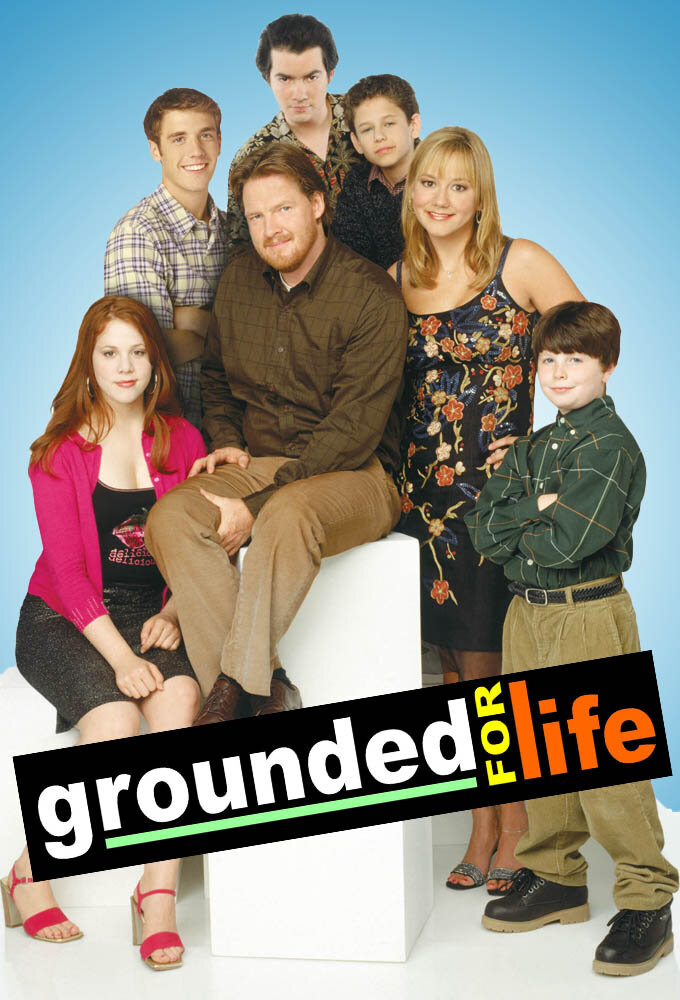
Grounded for Life2001
A National Geographic limited series about Boeing's 737 MAX crisis and institutional negligence. Same anatomy of disaster: profit over safety, regulatory capture, preventable deaths. Technically precise and morally outraged.
But Engineering and certification minutiae might feel remote compared to the human stakes of surgery. If you need the personal devastation front and center, this might feel too abstract.
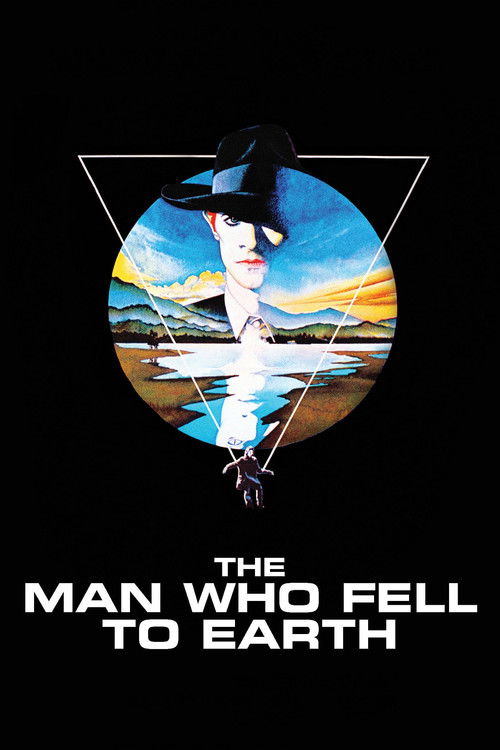
The Man Who Fell to Earth1976
Both are about bodies being damaged by someone with power over them. Both locate horror in the gap between what appears to happen and what's really occurring. Both are uncomfortable to watch because they're honest about violation.
David Bowie in Walter Tevis's sci-fi novel about an alien's exploitation and bodily horror. Like Dr. Death, it's obsessed with the violence of human contact and the body as a site of violation. Visually hallucinogenic and deeply strange.
But Oblique, slow, experimental—nothing like the thriller structure you're expecting. The narrative is impressionistic; patience required, and a taste for weirdness essential.
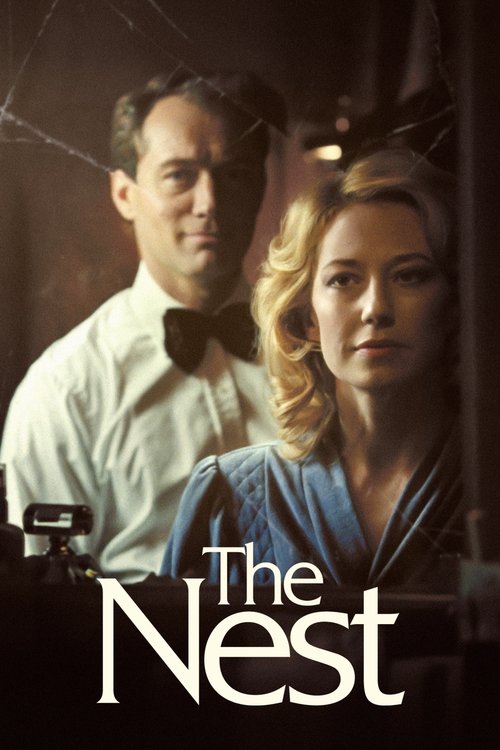
The Nest2020
Both are about charm masking cruelty, and about how the people closest don't see or won't admit what's happening. Both understand that the worst damage is done in plain sight, tolerated by those who could stop it.
Sean Harris in a terrifying chamber piece about a marriage imploding. Quiet, claustrophobic, psychologically devastating. Like Dr. Death, it tracks the slow realization that someone you trusted is dangerous. But it's intimate rather than institutional—the damage is intimate.
But British, slow, focused on marriage dynamics rather than crime. No thriller beats or justice, just slow psychological deterioration. If you need a plot to follow, this will frustrate you.
People
Cast
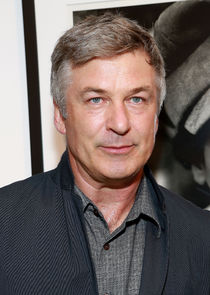
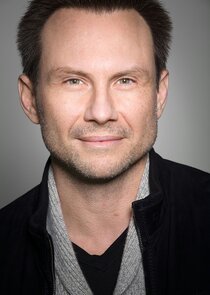
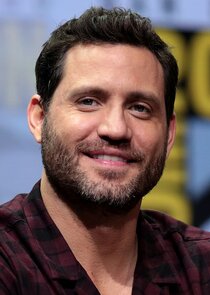
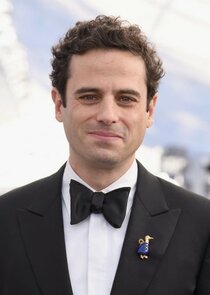




Writing
- Ashley Michel HobanCreator
- Patrick MacmanusCreator
- Bashir GavrielExecutive Story Editor
- Sara PearsonExecutive Story Editor
- Jakub CiupinskiStaff Writer
- Maxwell Michael TowsonStaff Writer
- Nilanjana BoseStaff Writer
- Sara PearsonStaff Writer
- Gregory LocklearStory Editor
Production
- Lauren BernsteinAssociate Producer
- Kerry OrentCo-Executive Producer
- Ahmadu GarbaCo-Producer
- Judson SchwartzCo-Producer
- Matthew WhiteCo-Producer
- Ryan DenmarkCo-Producer
- Aaron HartExecutive Producer
- Alec BaldwinExecutive Producer
- Ashley Michel HobanExecutive Producer
- Christian SlaterExecutive Producer
- Evan WrightExecutive Producer
- Hernan LopezExecutive Producer
- Jason BlumenthalExecutive Producer
- Jennifer MorrisonExecutive Producer
- Linda GaseExecutive Producer
- Maggie KileyExecutive Producer
- Marshall LewyExecutive Producer
- Matt DelPianoExecutive Producer
- Patrick MacmanusExecutive Producer
- Steve TischExecutive Producer
- Taylor LathamExecutive Producer
- Todd BlackExecutive Producer
- Ashley Michel HobanProducer
- Russ HammondsProducer
- Matthew WhiteSupervising Producer