
Film
20 Days in Mariupol
20 Days in Mariupol is Ukrainian AP journalist Mstyslav Chernov's frontline record of the first weeks of Russia's siege — raw footage smuggled out under fire, assembled into the war's most unflinching first-draft history. There's no narration trickery, just what one exhausted team saw and managed to save. Essential rather than enjoyable: this is for anyone who wants to understand what siege warfare actually looks like from the inside.
If you liked this
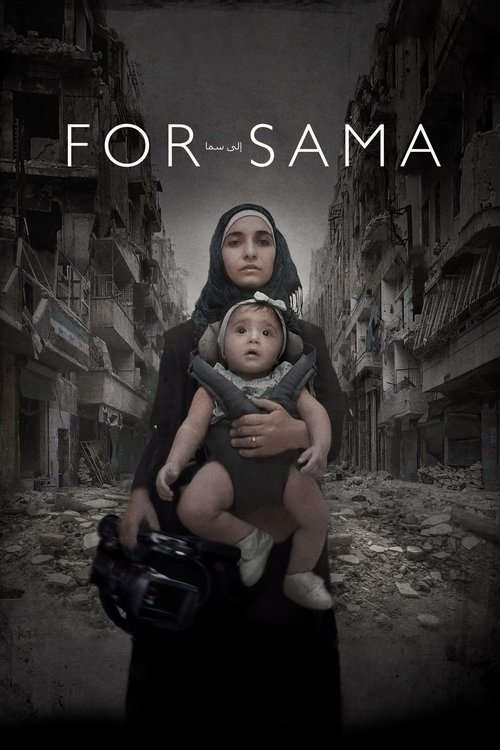
For Sama2019
Waad al-Kateab's Aleppo diary is the closest sibling to Chernov's film — another journalist inside a besieged city, camera never flinching, love and horror tangled together as she raises a baby under bombardment.
But Even more intimate and domestic in its horror; if Mariupol wrecked you, this goes further, staying inside one family's home rather than the wider city.
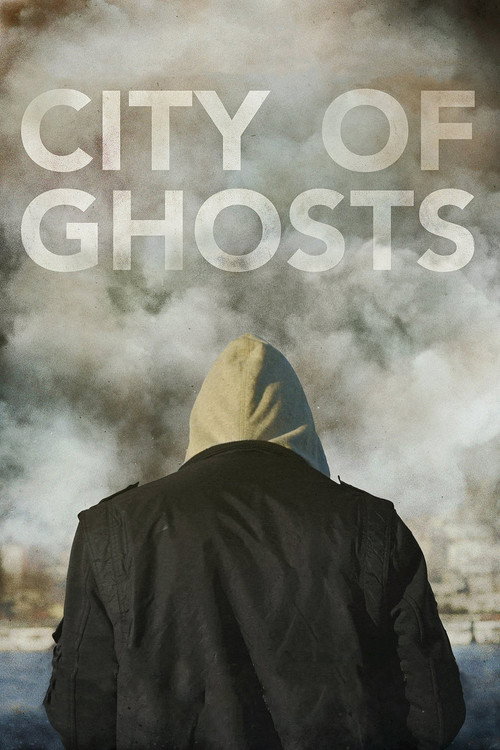
City of Ghosts2017
Follows Syrian citizen-journalists risking their lives to smuggle out footage of ISIS atrocities from Raqqa — same DIY urgency, same question of what witnessing costs the people who insist on doing it.
But Less cinematic and more scattered than Chernov's tightly focused account; the story sprawls across exile and threat rather than staying inside one siege.
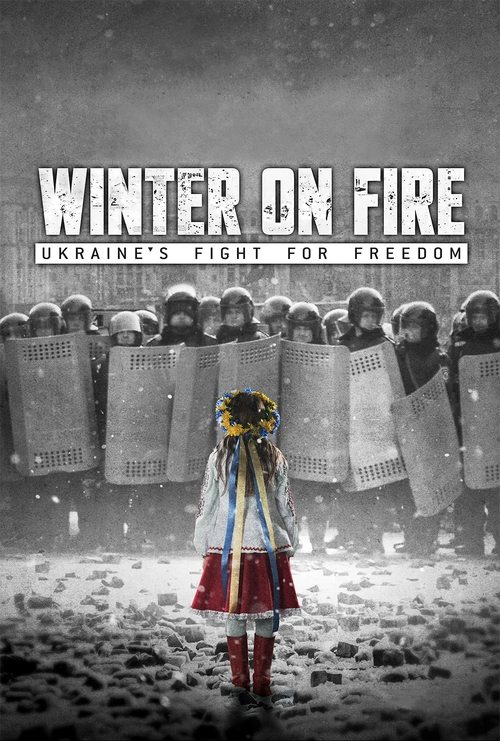
Winter on Fire: Ukraine's Fight for Freedom2015
Ukraine's own Maidan uprising, filmed as it happened — useful context for how this country's fight for its future didn't start with the invasion, and how quickly footage can become evidence.
But A different, earlier conflict with a different shape — more crowd and protest than siege and survival, so the intensity is collective rather than personal.
The wildcard
Something you would not have found on your own.
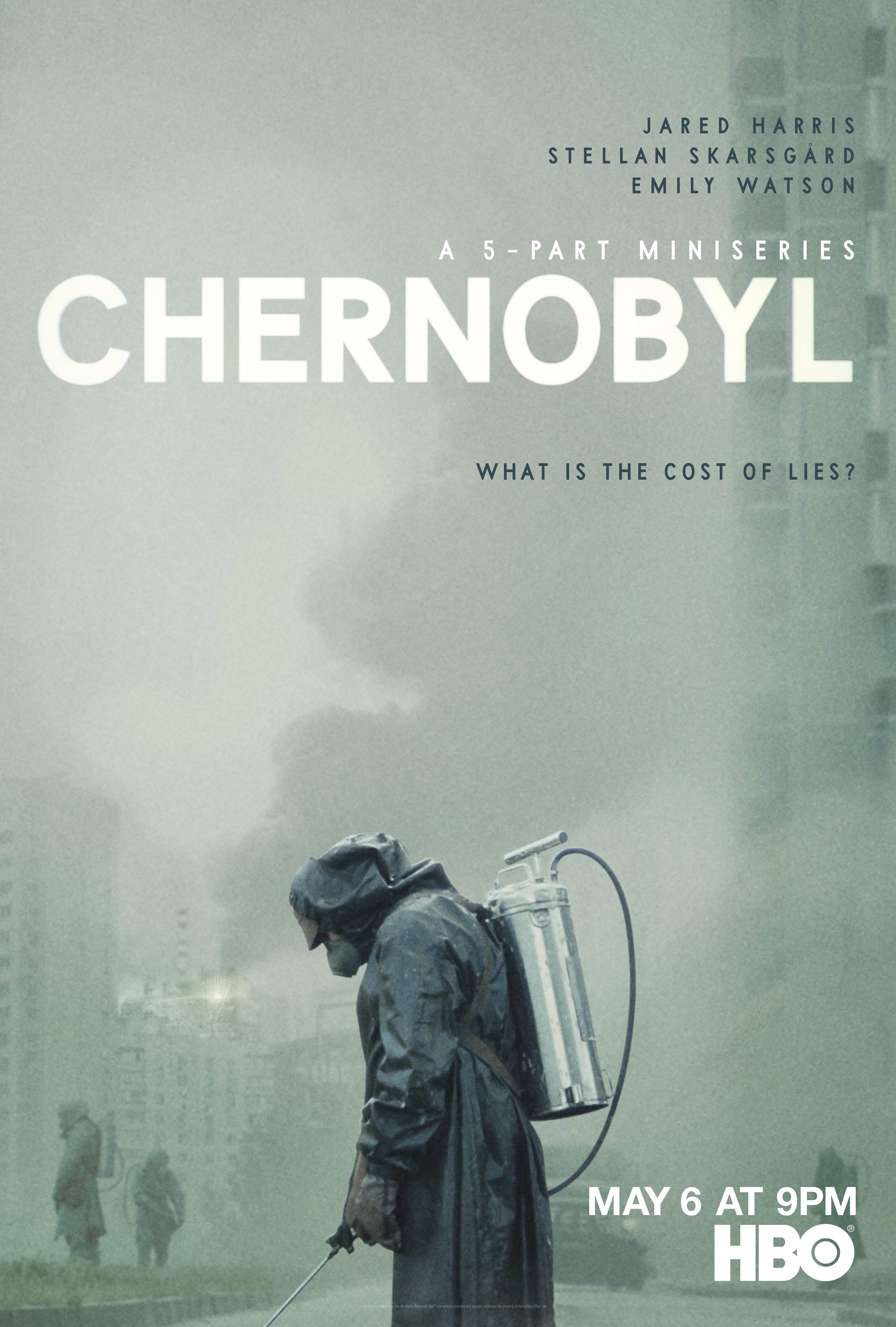
Chernobyl2019
Same country, same instinct for imperial denial — Chernobyl dramatizes the Soviet state lying about a disaster in Ukraine decades before Russia lied about Mariupol. It's fiction, not footage, but it comes from the same fury at watching truth get buried by power.
A five-part HBO drama that turns the Chernobyl disaster and its cover-up into something almost unbearably tense — brilliant on how institutions choose comfortable lies over inconvenient truths.
But It's scripted television with actors and a score, not documentary evidence — if you want more real footage and less craft, this will feel like a compromise.
More like this (8)
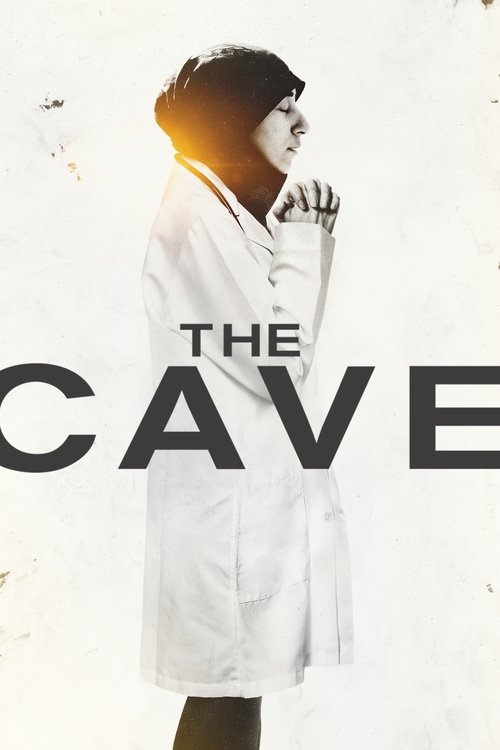
The Cave2019
An underground Syrian hospital run largely by women doctors, filmed through years of bombardment — another unbearable, essential document of civilians refusing to stop functioning under siege.
But Focuses on medicine rather than reporting, and the years-long timeframe gives it a slower, more exhausted rhythm than Chernov's twenty days.
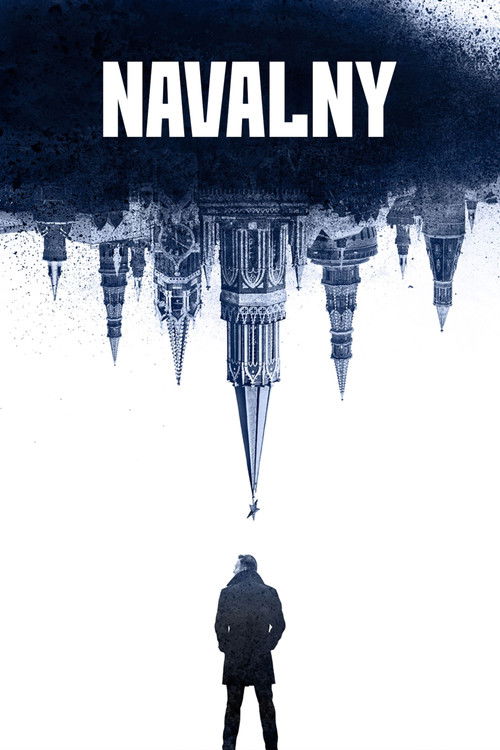
Navalny2022
A different kind of Russian story: journalism and courage turned toward exposing a poisoning rather than a war, made with the same conviction that truth-telling is worth the risk.
But Political-thriller pacing and a single charismatic subject make this a much easier watch — arguably too easy, given the seriousness of what it's about.
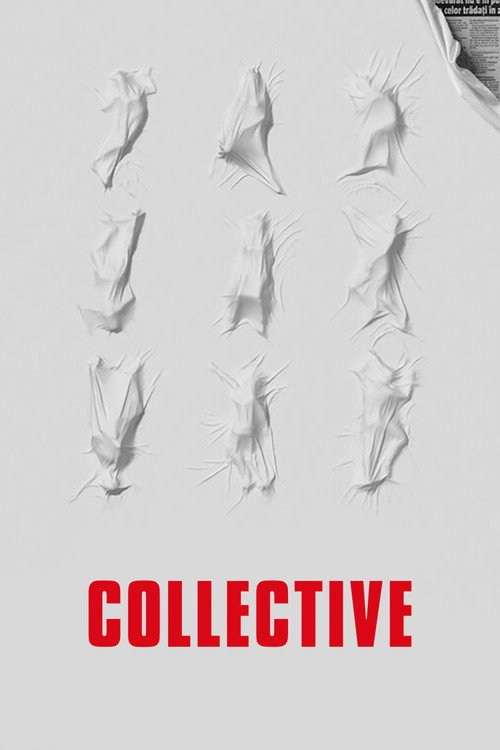
Collective2019
Romanian investigative journalists uncover a healthcare scandal after a nightclub fire — no combat, but the same nerve: reporters as the last people willing to tell an inconvenient truth.
But No war, no siege, no physical danger — this is a quieter, bureaucratic kind of horror, and the connection is more about method than mood.
A Private War2018no page yet
Rosamund Pike plays Marie Colvin, a real war correspondent who kept returning to the world's worst places until it killed her — dramatized, but built from the same compulsion to bear witness.
But It's a biopic with a script and a score, and that polish can feel like a betrayal of the raw, unfinished quality that makes documentaries like this one matter.
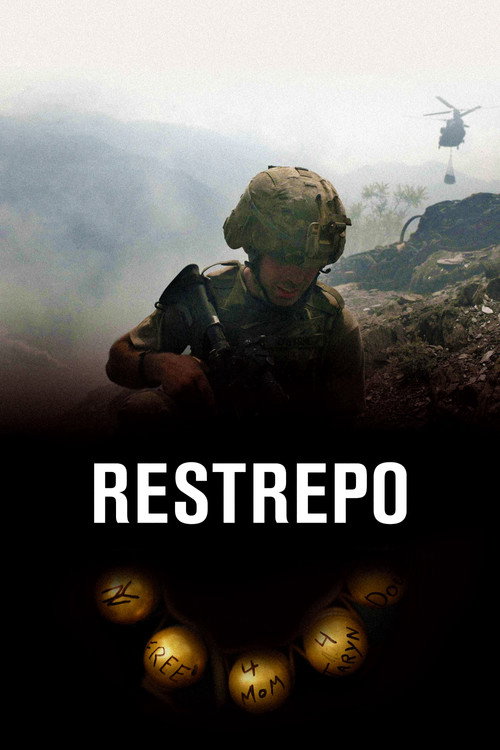
Restrepo2010
Embedded, no-narration combat documentary from Afghanistan's Korengal Valley — the closest thing to Chernov's immersive, unmediated style, just from the other side of a different war.
But American soldiers rather than civilians under siege, so the moral frame is entirely different — less about survival, more about the machinery of combat itself.
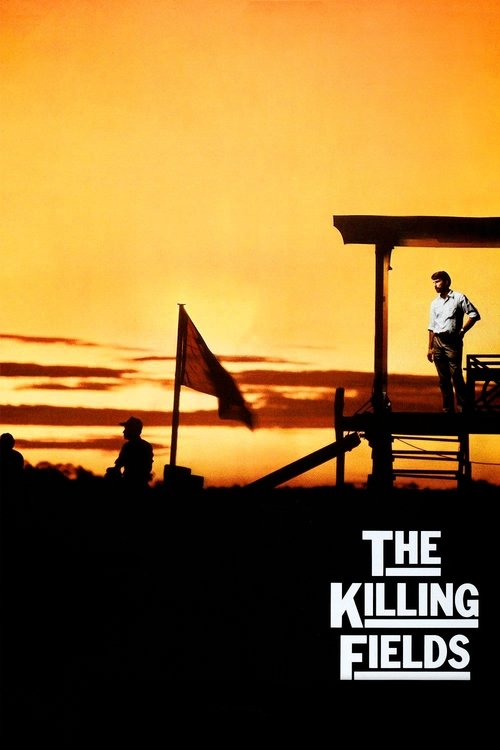
The Killing Fields1984
An older, dramatized cousin: a journalist and his fixer caught in the fall of Phnom Penh, one of cinema's earliest and best attempts to dramatize what it costs to stay and report.
But Eighties studio filmmaking, with a score and a redemption arc, sits a long way from the unpolished urgency of real siege footage.
Night and Fog1956
Both are attempts to answer the same impossible question: how do you film atrocity without betraying it? Resnais's essay on the Holocaust, made a decade after liberation, wrestles with memory and image the way Chernov's raw footage wrestles with immediacy — different eras, same unbearable task.
A thirty-minute essay-film that helped invent the modern language of atrocity documentary, using unbearable archive footage and a cold, precise narration to ask what remembering actually requires of us.
But Black-and-white, narrated, deliberately distanced rather than immersive — this is philosophy about witnessing, not the experience of it, and some will find the remove frustrating.
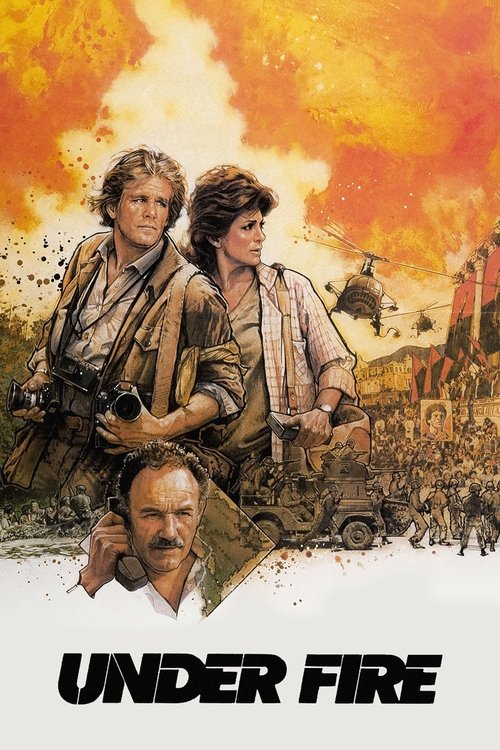
Under Fire1983
A fictional thriller about a photojournalist in Nicaragua's civil war who crosses the line Chernov's team refuses to — staging a photograph to serve a cause. Same profession, seen through its worst temptation; a mirror held up to the integrity this documentary insists on.
Nick Nolte plays a war photographer whose ethics slowly buckle under pressure to help a cause he believes in — a tense, moody thriller about exactly the line real conflict journalists have to hold.
But Eighties genre filmmaking with a love triangle and a jazz score — glossy and dated in ways that will feel strange next to the starkness of real siege footage.
People
Cast
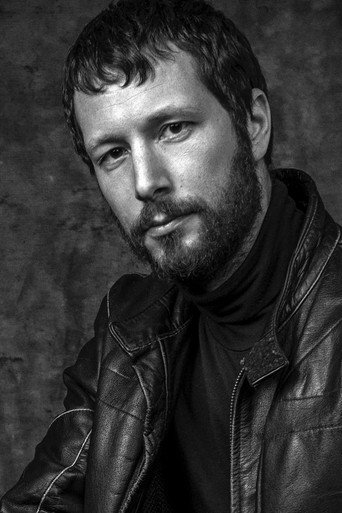 Mstyslav ChernovSelf - Narrator and Interviewer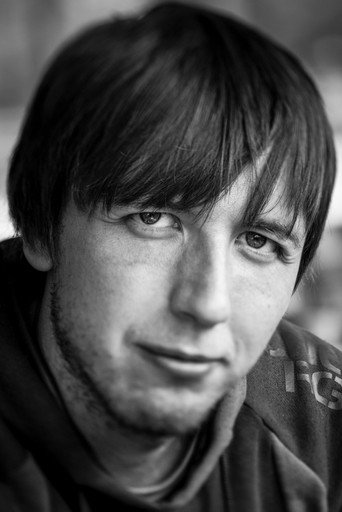
- Zhanna HomaSelf
- Oleksandr IvanovSelf
- Irina KalininaSelf
Directing
- Mstyslav ChernovDirector
Writing
- Mstyslav ChernovWriter
Production
- Vasilisa StepanenkoOther
- Derl McCruddenProducer
- Michelle MiznerProducer
- Mstyslav ChernovProducer
- Raney Aronson-RathProducer