
Film
Collective
A fly-on-the-wall documentary about the aftermath of the 2015 Colectiv nightclub fire in Bucharest, where burn victims kept dying from survivable wounds. Sports journalists uncover a diluted-disinfectant scandal, then a reform-minded health minister tries to fix the rot from inside. No narration, no score, just cameras in rooms where people are lying — tense as a thriller, and true.
If you liked this
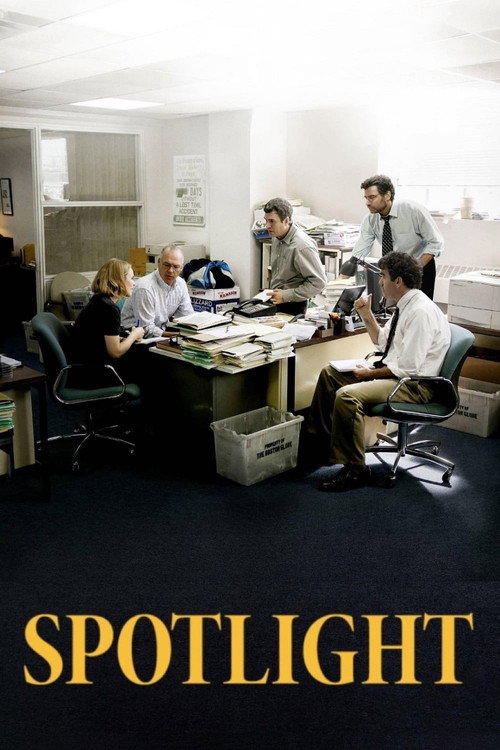
Spotlight2015
The gold standard for journalism-uncovers-cover-up cinema — patient, procedural, and just as convinced that dogged, boring legwork is more heroic than any shouted confrontation. Watch it right after Collective and feel two of the genre's best talking to each other.
But It's polished Hollywood where Collective is raw and unscripted — if you wanted the grit, this feels comparatively tidy.
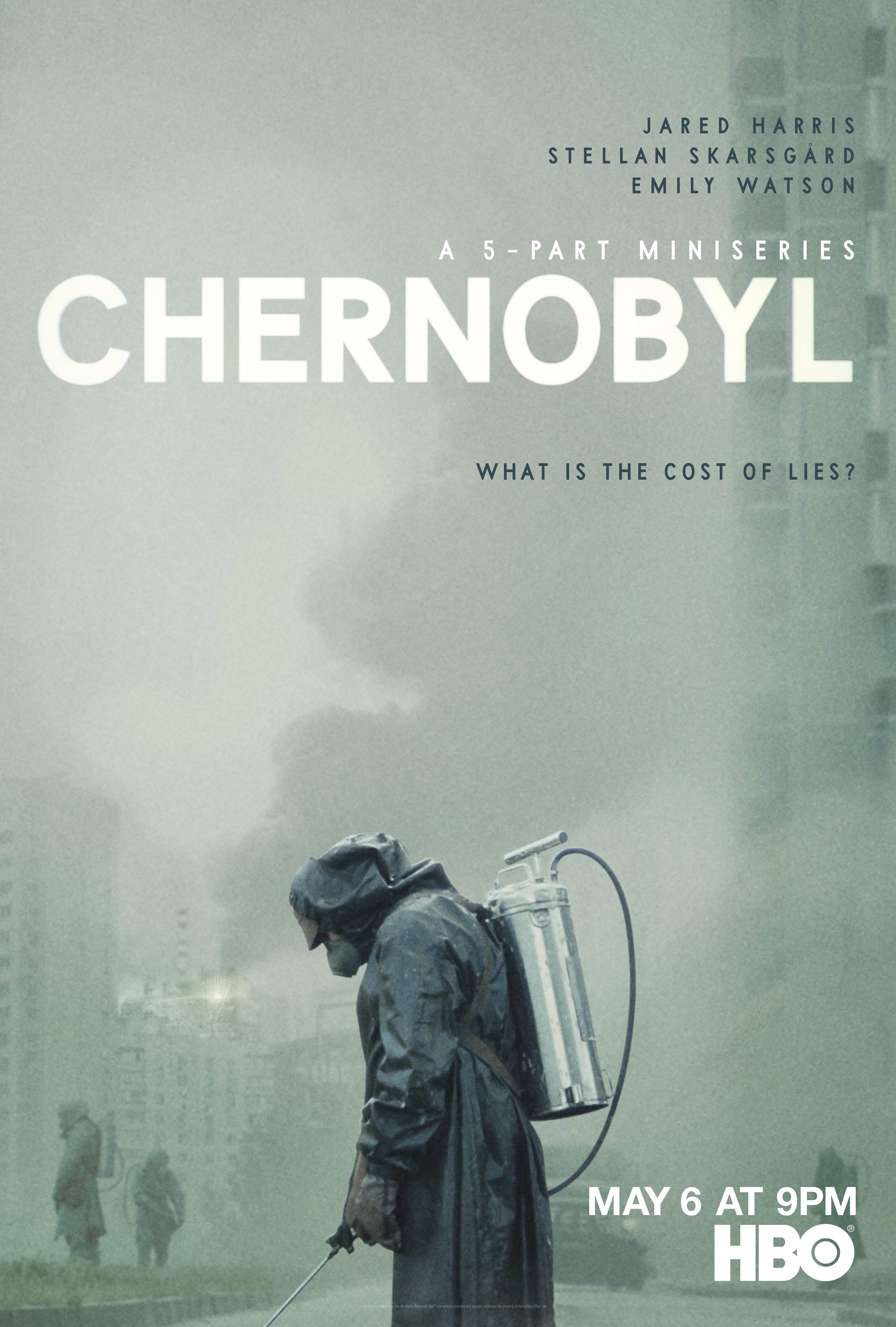
Chernobyl2019
Same year, same core subject: a state that lies about deaths to protect itself, and the ordinary people who pay for it. Five hours gives the disaster room a film couldn't afford.
But It's a bigger commitment, and considerably more dramatized — dialogue and composite characters where Collective hands you unmediated footage.
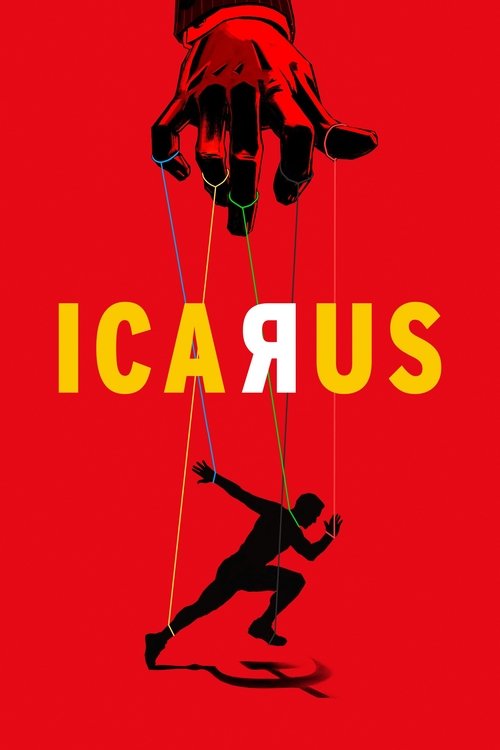
Icarus2017
Another real whistleblower documentary that starts as one story and mutates into something far bigger and scarier about state corruption — the same tonal lurch Collective pulls off, and just as unplanned by its own director.
But The doping-to-geopolitics swerve is more of a rollercoaster, less controlled and procedural than Collective's steady march.
The wildcard
Something you would not have found on your own.
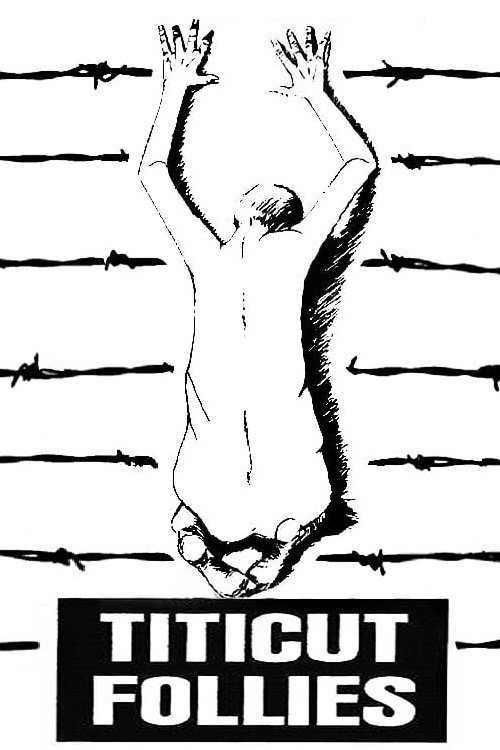
Titicut Follies1967
Both films trust the camera alone to indict an institution, refusing narration or score, and both exist because ordinary channels of accountability had already failed the people inside.
Frederick Wiseman's unnarrated, camera-in-the-room expose of a Massachusetts state hospital for the criminally insane — the same unflinching, no-voiceover method Collective uses, deployed more than fifty years earlier with even less mercy for the viewer.
But Genuinely upsetting and dated in its rawness — it was legally banned in Massachusetts for over twenty years, and this is not comfortable viewing.
More like this (8)
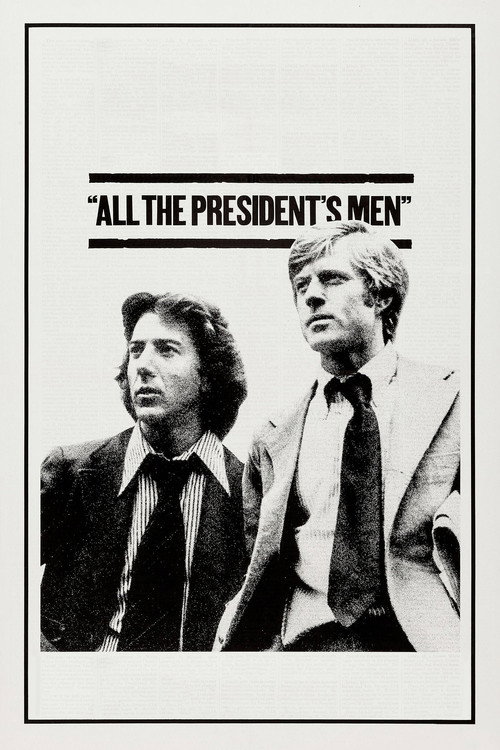
All the President's Men1976
The template. Two reporters, a stack of phone calls, and the slow, unglamorous accumulation of proof that a system is rotten — Collective's spiritual grandparent, minus the hospital gowns.
But Nearly fifty years old, and deliberately unhurried — patience required if you're used to modern editing rhythms.
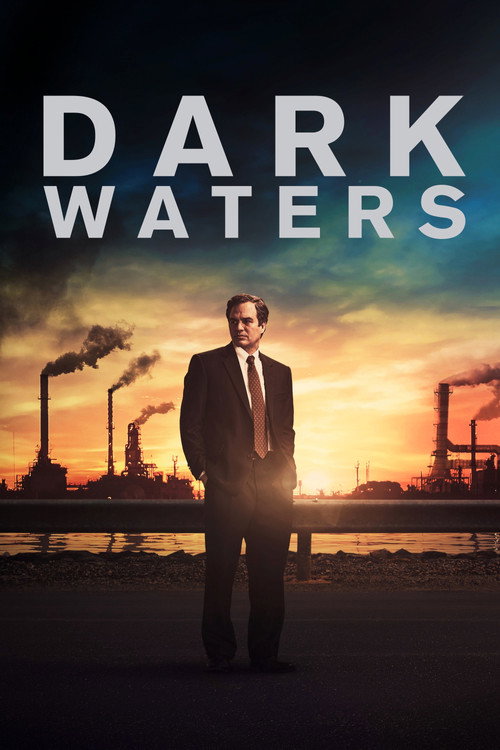
Dark Waters2019
A lawyer instead of a journalist, a chemical company instead of a hospital chain, but the same grinding, years-long fight against an institution that simply outlasts outrage.
But A big-studio legal drama with a recognizable star lead — tidier and more conventionally satisfying than Collective's loose ends.
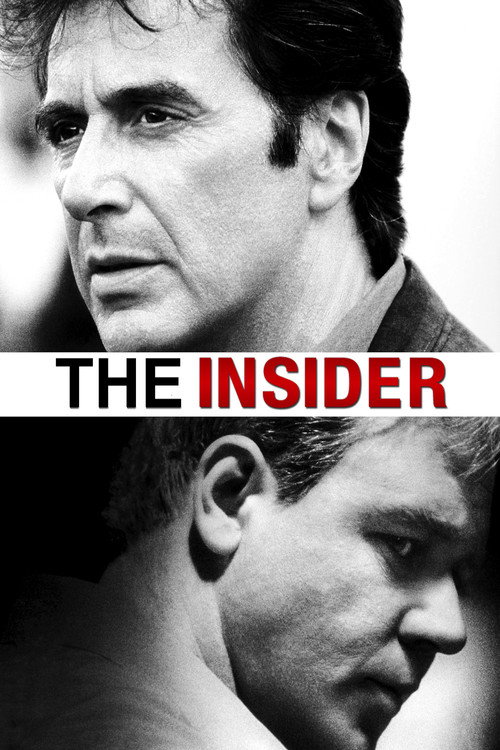
The Insider1999
Russell Crowe as the whistleblower, Al Pacino as the journalist fighting to get his story aired — a tense, very watchable dramatization of exactly the pressures Collective's real subjects live under.
But Nearly two and a half hours, with studio-thriller pacing a world away from Collective's unadorned realism.
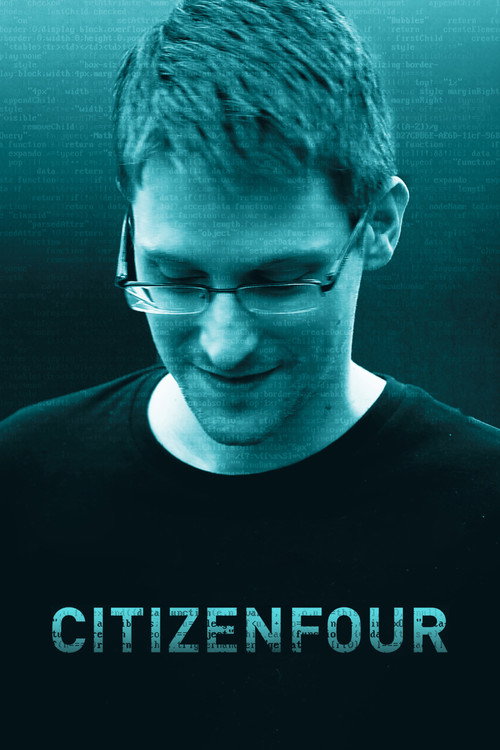
Citizenfour2014
Another documentary built from being in the room as history happens — this time Edward Snowden, live, deciding to blow up his own life. Same nervy, present-tense camera.
But Talkier and more claustrophobic — mostly hotel rooms and laptops, without Collective's shifting cast of institutions and victims.
The Bleeding Edge2018no page yet
A quieter American cousin: medical device makers, regulatory capture, and patients paying for it in their own bodies. Same fury at a health system that protects itself first.
But Less narrative momentum than Collective — more a mosaic of case studies than a single unfolding investigation.
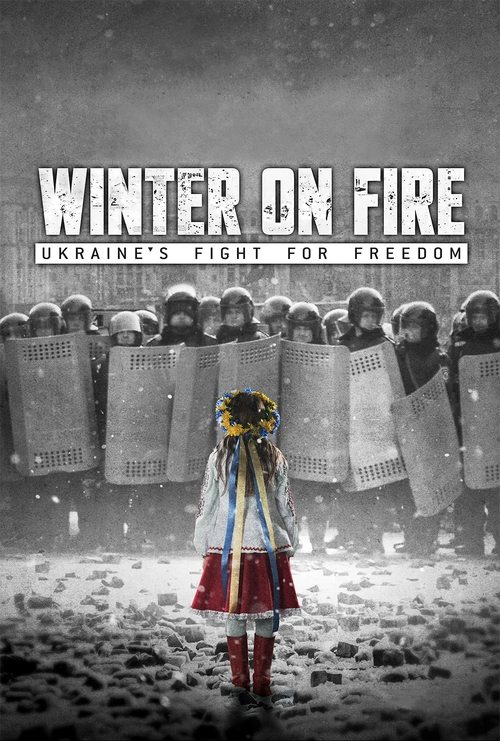
Winter on Fire: Ukraine's Fight for Freedom2015
Verite documentary at its most immediate — a nation's uprising against a corrupt government, filmed from inside the chaos, with the same you-are-there urgency Collective has in its hospital corridors.
But More spectacle and street-level chaos than institutional procedural — less paperwork and patient files, more barricades.
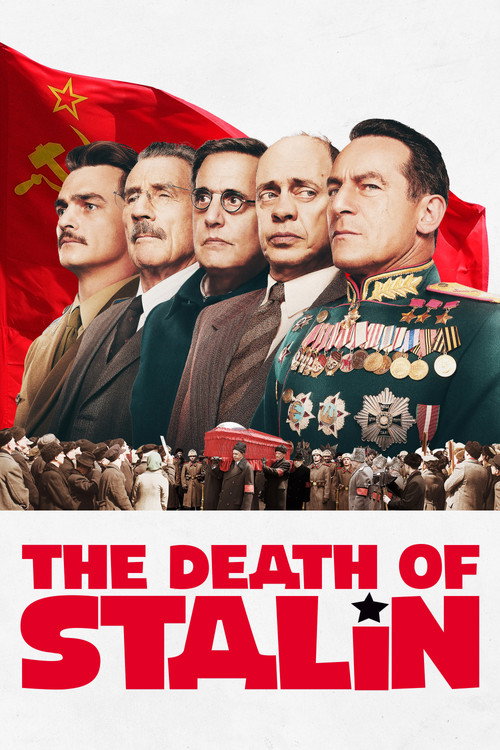
The Death of Stalin2017
Strip away the tragedy and the machinery is identical — officials lying in real time to preserve power — this just turns the volume up into farce, revealing how thin the line is between the two.
A pitch-black farce about a regime scrambling to control the story of a death and protect itself — the exact bureaucratic instincts Collective documents, played here for absurdist comedy instead of horror.
But If you've just watched real people suffer real consequences, laughing at the same mechanics might feel like the wrong response entirely.
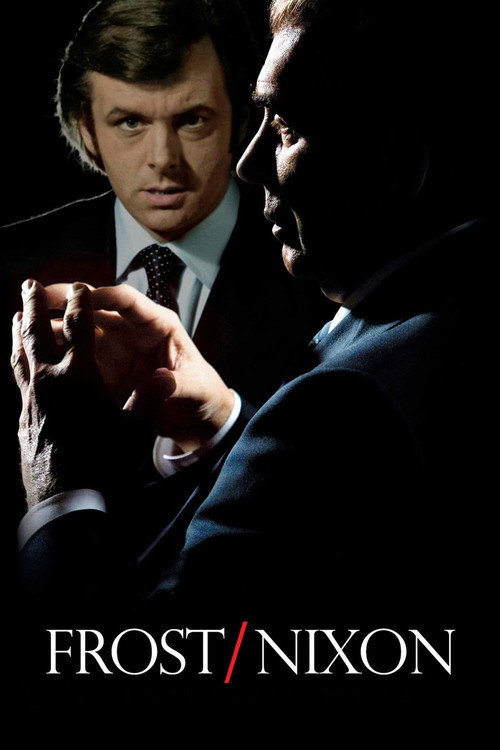
Frost/Nixon2008
Both are studies of what it actually takes to get a powerful liar to say something true on camera, one captured live and unscripted, the other reconstructed and rehearsed to hit the same beat.
A scripted, tightly constructed dramatization of a journalist finally cornering a man who has spent years managing the truth — the confrontation Collective's reporters keep almost-having, given here its full theatrical release.
But A stagey, actorly two-hander built for drama, not documentary — the opposite of Collective's messy, unresolved realism.
People
Cast
 Cătălin TolontanHimself
- Mirela NeagHerself
- Razvan LutacHimself
- Tedy UrsuleanuHerself
 Vlad VoiculescuHimself
 Camelia RoiuHerself
- Narcis HogeaHerself
Directing
- Alexander NanauDirector
- Maria CirsteaFirst Assistant Director
Writing
- Alexander NanauWriter
- Antoaneta OprisWriter
Production
- Alexander NanauProducer
- Alina DavidProducer
- Bernard MichauxProducer
- Bianca OanaProducer
- Hanka KastelicováProducer
- Karoline MaesProduction Manager
- Livia LangersResearch Assistant
Recommended by
Navalny, Winter on Fire: Ukraine's Fight for Freedom, 20 Days in Mariupol