
Film
Documenting Hate: Charlottesville
- Crime
- Very dark
A ProPublica investigation into the white supremacists and neo-Nazis who organized the 2017 Charlottesville rally, tracking how many escaped prosecution and continued operating. Rigorous, angry, and essential reporting that names names and follows the money. For anyone who wants to understand how hate movements function in America and why accountability matters.
Should you watch it?
Watch it if you want patient investigative reporting that follows names, paperwork and public records rather than rally footage, and you care how extremists regroup once the headlines have moved on.
Skip it if you were hoping for a wide-angle account of the rally itself, since this is a narrow, sober probe into what happened afterward and runs barely an hour.
What it asks of you: Short and deliberate, it stays close to records and reporting, so you'll need to keep track of who is who while the facts pile up.
Not sure? Find tonight's pick in a minute.
If you liked this
Alt-Right: Age of Rage2018
Vice documentary mapping the ideological pipeline from gaming to radicalization to real-world violence. Shows how online spaces became recruitment grounds, with clarity about cause and effect.
But Covers much of the same moment and players. If you've watched it already, nothing new here.
The Toys That Made Us2017
Wait—hear this out. A masterclass in how to trace a cultural phenomenon to its origins and explain why people are drawn to it. The investigative structure and patience transfer directly.
But It's about a cartoon cat. The tonal whiplash from Charlottesville docs might feel ridiculous.
Rise of the Nazis2019
Four-part BBC series tracing how extremism took root in 1930s Germany through ordinary institutions. Chilling parallels without being reductive; shows how systems enable rather than prevent radicalization.
But Historical distance may feel safer than contemporary urgency. Some find Nazi content itself exhausting.
Not sure tonight? Get a pick in a minute, starting from Documenting Hate: Charlottesville
The wildcard
Something you would not have found on your own.
Tender Comrade1944
Both are about how power hides. Charlottesville shows how white supremacy hides in legal systems; Tender Comrade shows how dangerous solidarity gets erased from official history. Both ask: what stories does America need to forget?
Hollywood drama about female factory workers during WWII—seemingly apolitical entertainment. Yet it was blacklisted during McCarthy era for what it subtly argued about solidarity and class. Watch what the system decided was dangerous enough to erase.
But Melodrama and dated gender politics. The political threat is subtext, not explicit. You're reading between lines a 1950s audience got killed for.
More like this (5)
The Bleeding Edge2018
Netflix doc about medical device regulation failures and corporate accountability. Same investigative DNA—following money, uncovering negligence, asking why powerful people avoid consequences.
But Medical horror beats are disturbing. The systems failures may feel too abstract compared to violence with faces.

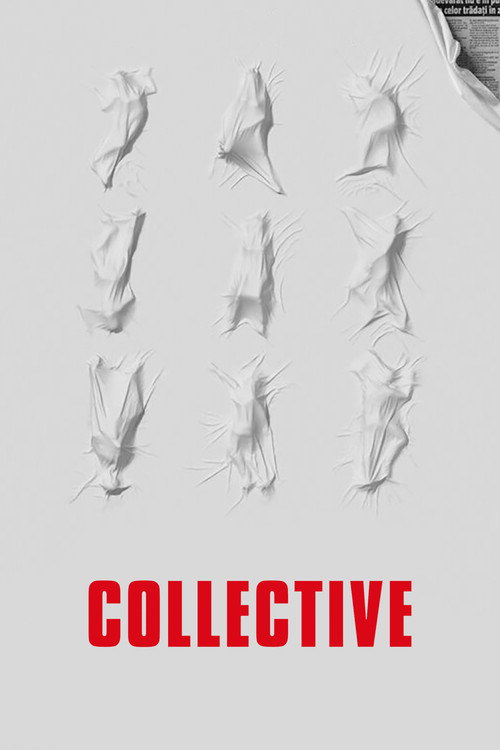
Collective2019
Romanian documentary about a nightclub fire and the institutional corruption that followed. Methodical investigative journalism revealing how governments protect their own rather than citizens.
But In Romanian with subtitles. Institutional corruption can feel diffuse and frustrating compared to individual villains.
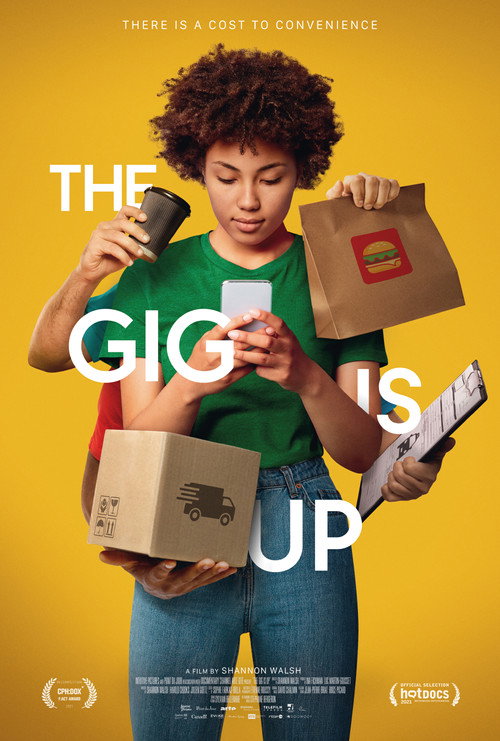
The Gig Is Up2021
Follows gig economy workers organizing for power. Demonstrates how to investigate systems that deliberately obscure accountability and exploit invisibility.
But Labor politics feel distant from hate crimes. The enemy here is algorithmic and abstract.
Shoah1985
Lanzmann's nine-hour Holocaust testimony and investigation refuses easy answers. Documents how perpetrators rationalized atrocity and how survivors carried memory. A foundational work on bearing witness.
But Nearly ten hours. The oral-history format means no archival footage—pure testimony can feel slow. Emotionally devastation. This is not entertainment.

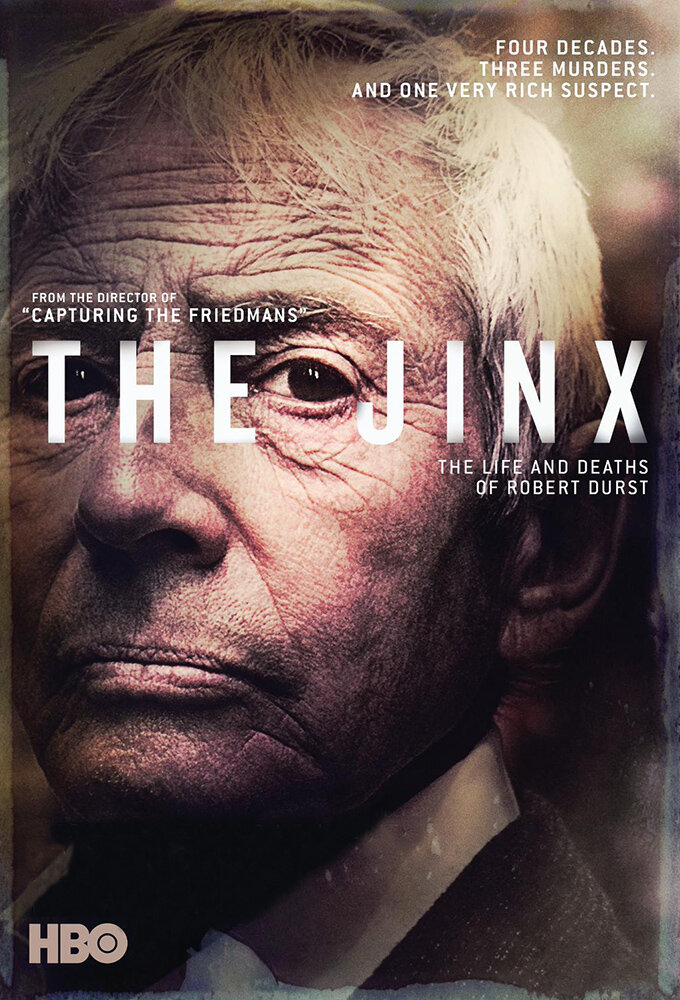
The Jinx: The Life and Deaths of Robert Durst2015
Both documents people operating outside law because systems protect them. Charlottesville shows organized hate; Jinx shows individual pathology. But both ask: why do we prosecute some violators and shield others? Both are about accountability deferred.
HBO miniseries where a billionaire essentially confesses on camera through six hours of interview. Masterpiece of investigative narrative—not about following ideology but character, contradiction, the psychology of people who believe they're untouchable. Explosive final moment.
But Wealthy white man's crimes get prestige treatment. The 'true crime' format can feel exploitative. Some resent that wealth made this story televisable when systemic violence gets less attention.
People
Directing
- Rick RowleyDirector
Recommended by
House of Gucci, Ulzana's Raid, Shouwa Genroku Rakugo Shinjuu, The Butcher Boy, Dangerous Dreams, Firelight, Puberty Blues