
Television series
Rise of the Nazis
- Western
- Very dark
A meticulous BBC documentary that traces the specific machinery of Nazi ascendancy: the political manoeuvres, the propaganda apparatus, the deliberate scapegoating of minorities. Rather than treating fascism as inevitable, it shows how each choice, each compromise, each lie created the conditions for the next. Essential viewing for understanding how democracies fail.
Should you watch it?
Watch it if you want the slow mechanics of how a democracy got taken apart, with the backroom votes and propaganda campaigns laid out piece by piece rather than as a dramatic sweep.
Skip it if you came for human faces and personal stories, since this stays with parliaments, pamphlets and party deals, and twelve episodes is a lot of procedure to sit through.
What it asks of you: Expect measured viewing: nearly an hour per episode across a dozen parts, with a steady narrator guiding you through dense political detail rather than pulling you forward with cliffhangers.
Not sure? Find tonight's pick in a minute.
If you liked this
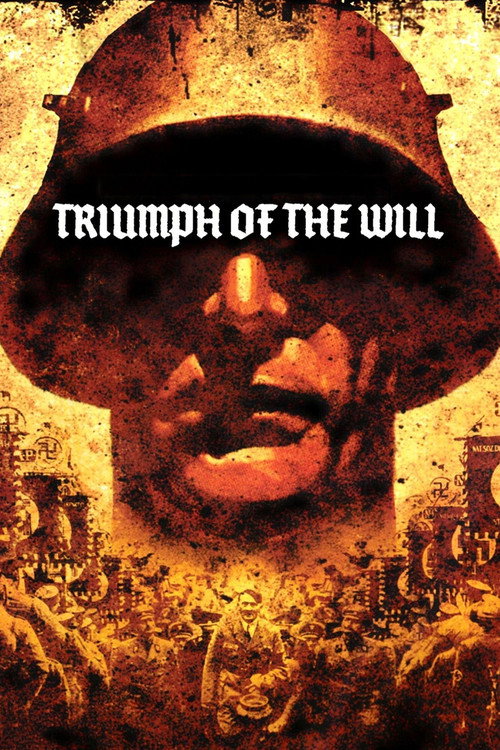
Triumph of the Will1935
Leni Riefenstahl's infamous Nazi propaganda film is vital historical evidence—a masterclass in how cinema was weaponised to manufacture consent and cement authority. Watching it clarifies what Rise of the Nazis is dissecting.
But It's propaganda, so it's designed to manipulate. Watching it feels complicit, even in historical context. The technical brilliance makes that worse, not better.
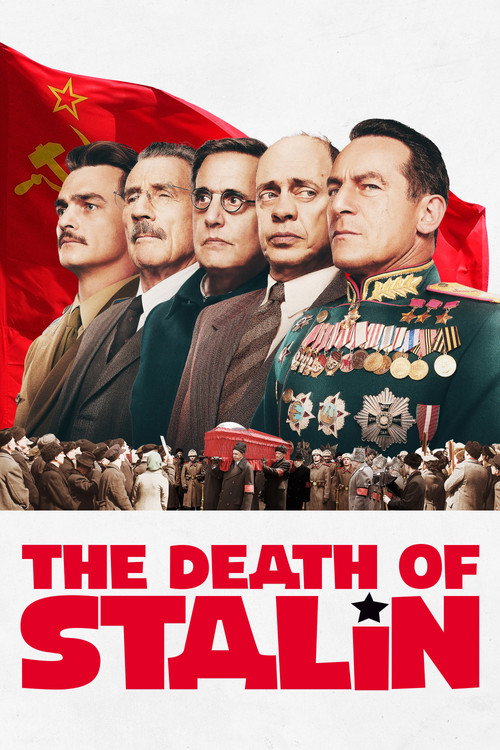
The Death of Stalin2017
Armando Iannucci's darkly comic film about the power vacuum after Stalin's death shows totalitarianism as a system of competing egos and bureaucratic absurdity. It's a companion piece to understanding how regimes actually operate beneath the rhetoric.
But The comedy might feel wrong if you're expecting gravity. Some will find the tonal mix disrespectful to the subject matter.
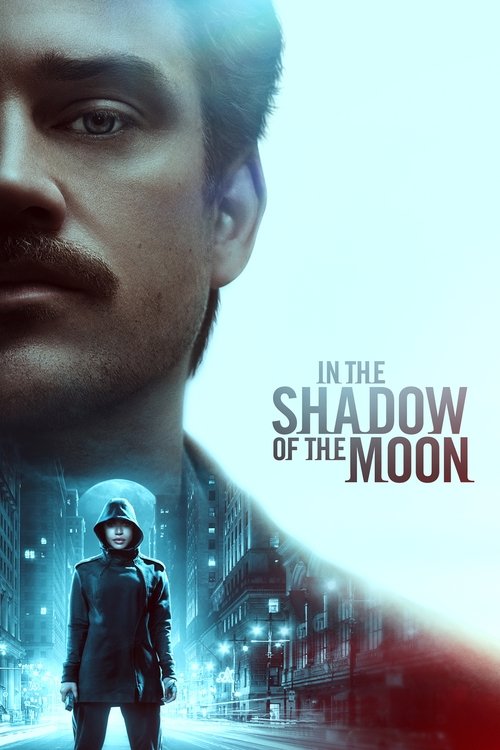
In the Shadow of the Moon2019
A thriller structured around the rise of a fascist movement in 1950s Philadelphia. It's not a documentary, but it captures the paranoia, the false flags, and the way ordinary people rationalize voting for authoritarianism with frightening clarity.
But The sci-fi premise is convoluted and the ending won't satisfy everyone. Some will find the political allegory heavy-handed.
Not sure tonight? Get a pick in a minute, starting from Rise of the Nazis
The wildcard
Something you would not have found on your own.
Come and See1985
Where Rise of the Nazis explains the political mechanics, Come and See shows what those mechanics actually cost. It's the moral weight made visible.
Elem Klimov's Belarusian masterpiece follows a teenage boy conscripted into a Soviet unit during WWII. It doesn't explain fascism—it shows its consequences with such ferocious specificity that the casual evil becomes impossible to intellectualise. One of cinema's great acts of witness.
But It's a war film that refuses catharsis. The violence is not spectacle; it's degradation. By the end you will feel destroyed. Some will find that self-flagellating rather than instructive.

More like this (8)
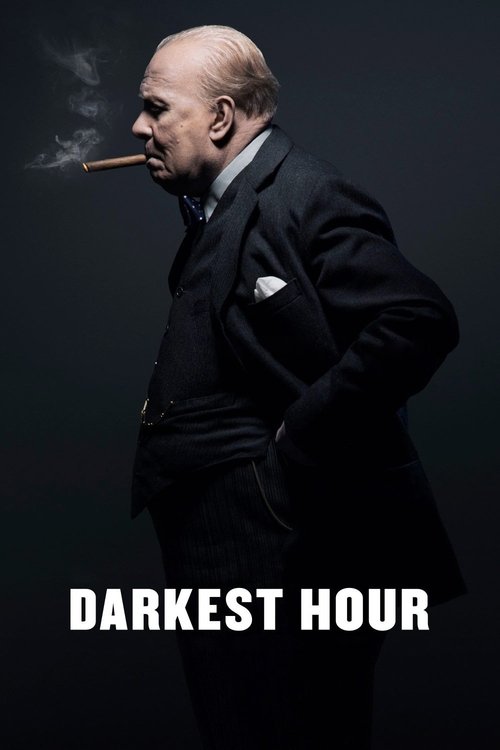
Darkest Hour2017
Gary Oldman's Churchill film focuses on May 1940—the moment when surrender was genuinely on the table. It dramatises the decision to keep fighting, grounding the larger historical forces in the room where it actually happened.
But It's a prestige biopic with a familiar structure. The focus on Churchill means it romanticises British exceptionalism rather than examining Nazi appeal.
The Act of Killing2012
Joshua Oppenheimer's confrontational documentary makes Indonesian death-squad leaders reenact their own atrocities. It's about how perpetrators justify genocide to themselves—how conscience gets switched off—with a clarity that's almost unbearable.
But It's emotionally devastating and structurally dizzying. The reenactments are grotesque. This is not comfortable viewing and it shouldn't be.

The Remains of the Day1993
James Ivory's meditation on a butler who served a Nazi sympathiser explores complicity through inaction and moral cowardice. Anthony Hopkins is quietly devastating as a man who chose duty over conscience.
But It's a slow, interior character study. If you want action or clear villains, you'll find neither. The restraint can feel frustrating.

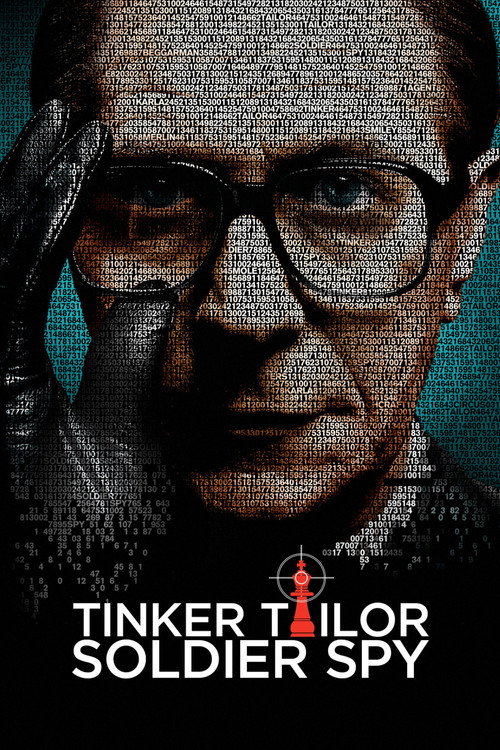
Tinker Tailor Soldier Spy2011
Gary Oldman again, this time as a Soviet spy. It's about systems, loyalties, and the way ideology can justify anything. The Cold War parallels to how totalitarian regimes maintain control are sharper than you'd expect.
But It's deliberately opaque and glacially paced. If you need clarity and momentum, this will feel deliberately obscure.
Spotlight2015
A film about journalists uncovering institutional truth-suppression. It's relevant to Rise of the Nazis because it shows how power structures bury inconvenient truths—and why that scrutiny matters desperately.
But It's well-made but familiar in form. The satisfaction of journalism prevailing can feel too neat if you're cynical about institutions.

Hannah Arendt2012
A biographical film about the philosopher who coined 'the banality of evil' while covering the Eichmann trial. It's a portrait of one woman thinking hard about how ordinary people commit extraordinary cruelty.
But It's cerebral and sometimes stagey. The intellectual content matters more than dramatic momentum, which won't appeal to everyone.

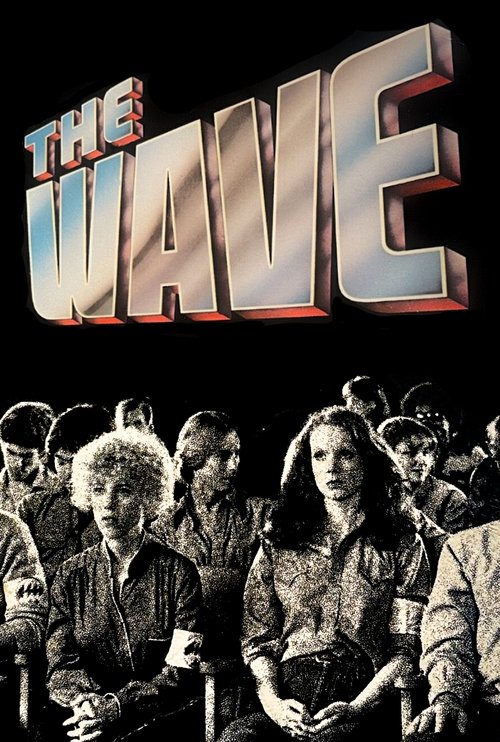
The Wave1981
Rise of the Nazis explains how it happened at scale. The Wave asks: how quickly could it happen again, in a room, with people who should know better?
A West German film based on Ron Jones's true experiment: a teacher creates a fascist microcosm in his classroom to show students how easily authoritarianism spreads. It's urgent and claustrophobic and absolutely relevant.
But It's didactic, sometimes awkwardly so. The dialogue can feel clunky and the film's own moralising will feel preachy to some.
Stalker1979
Rise of the Nazis shows the machinery. Stalker is about the spiritual emptiness and yearning that makes people vulnerable to that machinery. It's the internal landscape where fascism takes root.
Andrei Tarkovsky's science-fiction metaphysical poem is glacially slow, hypnotic, and has nothing to do with Nazis—yet it's about desire, power, and the human capacity to self-annihilate in pursuit of an absolute. A film about the seduction of ideology without ever naming it.
But It's 163 minutes of philosophical science fiction with minimal plot. If you want answers or forward momentum, you will be bored and frustrated.

People
Cast
 Kate FleetwoodNarrator
Production
- Cate HallExecutive Producer
- David GloverExecutive Producer
- Julian JonesExecutive Producer
- Helen SageProducer
- Kate QuineProducer