
Film
Tender Comrade
A 1944 homefront drama about four military wives sharing a house while their husbands fight overseas. It's a genuine attempt to show women's lives beyond waiting—their work, friendship, and the quiet weight of uncertainty. Ginger Rogers anchors it with real feeling, though the film's politics and earnestness can feel dated. For anyone curious about how Hollywood processed wartime anxiety, or how women were permitted to be shown during the '40s.
Should you watch it?
Watch it if you love wartime home-front melodrama about a group of women making a shared household work, and you don't mind when the feelings run openly warm and the talk runs long.
Skip it if you find 1940s sentiment and patriotic speechmaking hard to sit through, since its emotions are pitched big and its dialogue rarely hurries to be subtle.
What it asks of you: A contained, talky ride of roughly a hundred minutes, set mostly in one shared house, where the mood builds through ordinary days and kitchen conversations rather than through action.
Not sure? Find tonight's pick in a minute.
If you liked this
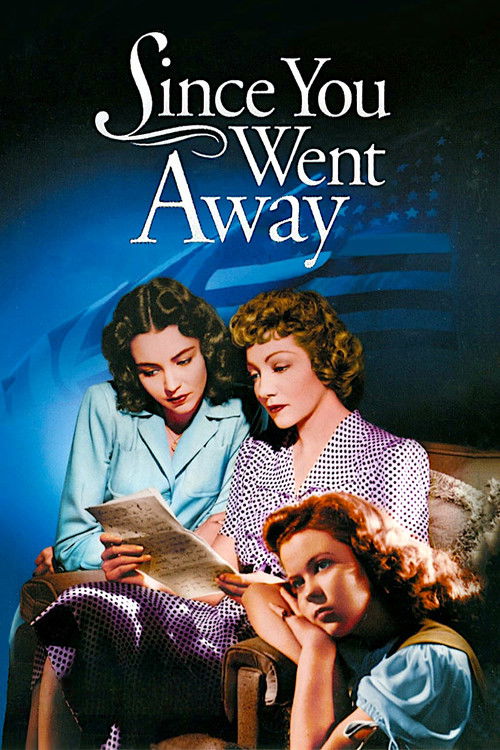
Since You Went Away1944
Made the same year, this Selznick epic follows a widow and her daughters managing home life while the men are at war. It has the same earnest emotional core and gives full dramatic weight to female domestic experience without irony.
But It's three hours of carefully controlled sentiment, and the melodrama can feel suffocating if you're not in the mood for deep sincerity about grief and duty.
The Best Years of Our Lives1946
The flip side of Tender Comrade—what happens when the soldiers come home. A masterwork about readjustment, displacement, and the difficulty of returning to civilian life. Shot with real humanity and no false notes.
But At nearly three hours, it moves slowly and refuses easy answers. Some of the domestic conflict can feel heavy-handed to modern eyes.

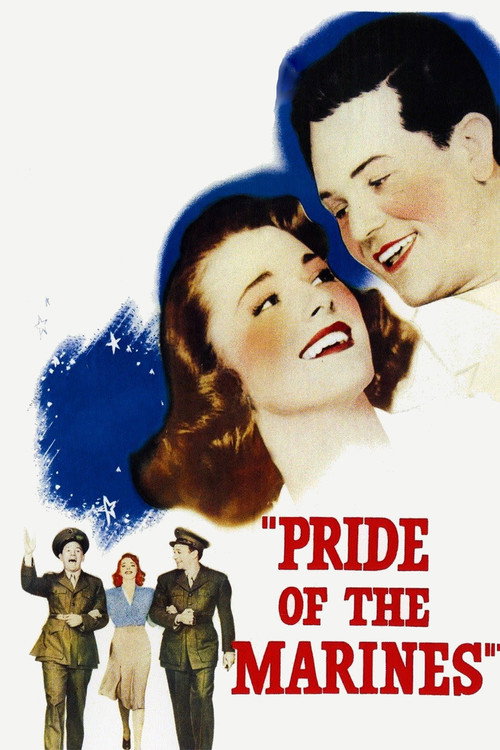
Pride of the Marines1945
John Garfield as a blinded Marine learning to live with his injury while his fiancée (Eleanor Parker) decides whether to stay. It's unflinching about disability and the cost of war without sentimentality.
But The tone is grittier and more brutal than Tender Comrade, and it doesn't offer much comfort. Some viewers find it relentlessly grim.
Not sure tonight? Get a pick in a minute, starting from Tender Comrade
The wildcard
Something you would not have found on your own.
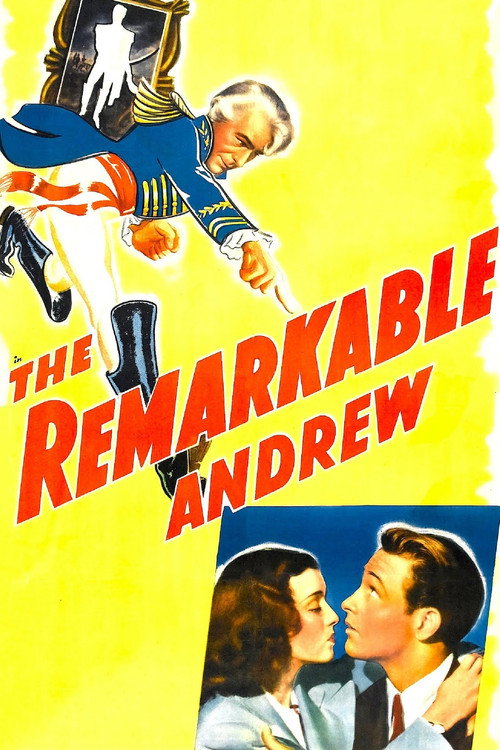
The Remarkable Andrew1942
Both films share an earnest belief that ordinary people could be heroic in unglamorous ways—and both struggle with how to make that cinematically interesting. Both insist on emotion over action.
A political fantasy-drama where a small-town boy accused of corruption is helped by the ghost of Andrew Jackson. It's a strange, sincere attempt to process wartime uncertainty and civic faith using magical realism—not what you'd expect from a 1942 studio film.
But The tonal confusion is real: it wants to be satire, civics lesson, and ghost story simultaneously, and it doesn't fully succeed at any. The politics will feel quaint.
More like this (7)
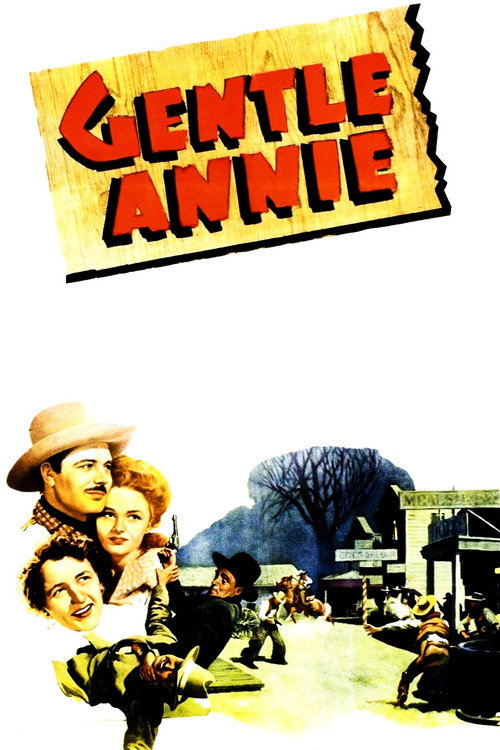
Gentle Annie1944
James Craig and Donna Reed in a gentler wartime story about loyalty and second chances. It has the same earnest, sometimes awkward kindness that makes Tender Comrade touching.
But It's slight, and the plot mechanics sometimes feel contrived. The emotional payoff doesn't always match the setup.
A Tree Grows in Brooklyn1945
Not strictly a war film, but Elia Kazan's portrait of women enduring poverty and difficult circumstances with humor and resilience. Peggy Ann Garner is extraordinary, and it has real warmth without denying hardship.
But The poverty is relentless, and some scenes of parental failure are difficult. It's about survival more than hope, which some find bleak.

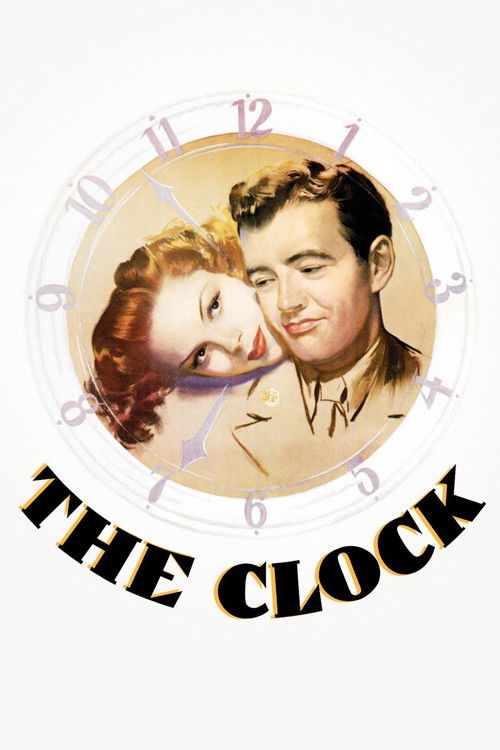
The Clock1945
Robert Z. Leonard directs Judy Garland and Robert Walker in a New York romance between a soldier on leave and a girl he meets by chance. It captures genuine wartime longing and the way intimacy accelerates under pressure.
But The plot is thin—it's basically a 48-hour date—and some will find it slight. The sentimentality doesn't always feel earned.
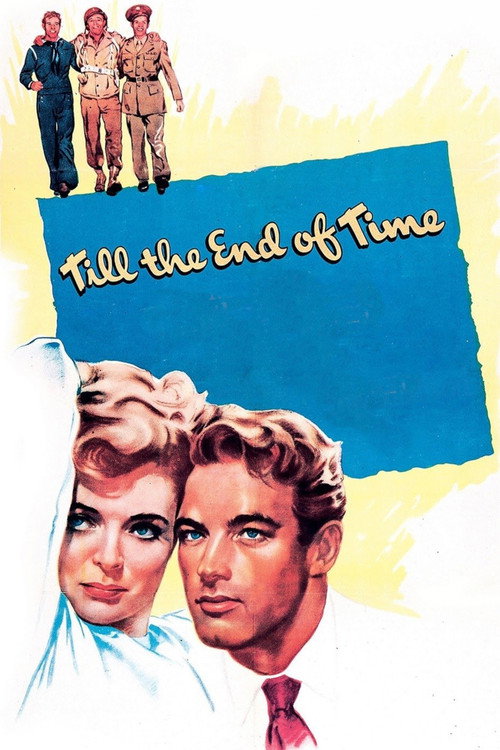
Till the End of Time1946
Three Marines readjusting to civilian life after WWII, each dealing with different forms of displacement. It's frank about trauma, loneliness, and the struggle to reconnect with a world that moved on without them.
But It's episodic and uneven in tone, swinging between comedy and genuine pain. Some sequences feel dated in their approach to psychological damage.
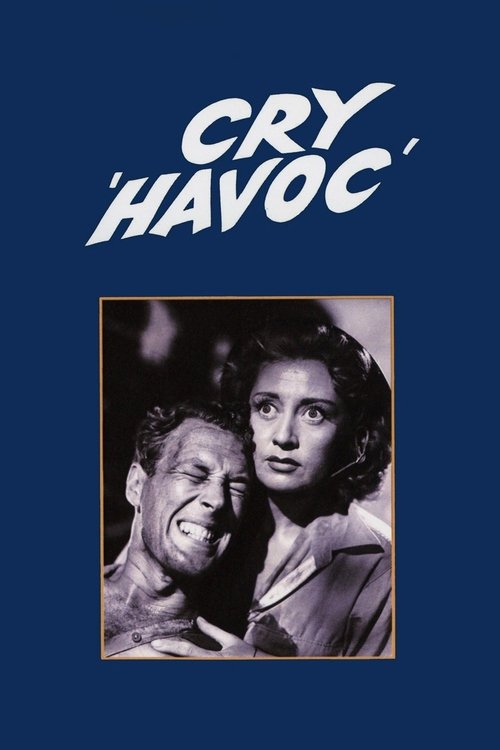
Cry 'Havoc'1943
An ensemble of women—nurses and civilians—trapped together during the fall of the Philippines. Margaret Sullavan leads a cast that includes Ann Sothern and Joan Blondell. It's harsh about female experience under siege.
But The pacing is sluggish, and the wartime trauma can feel exploitative rather than earned. Some performers are underused.
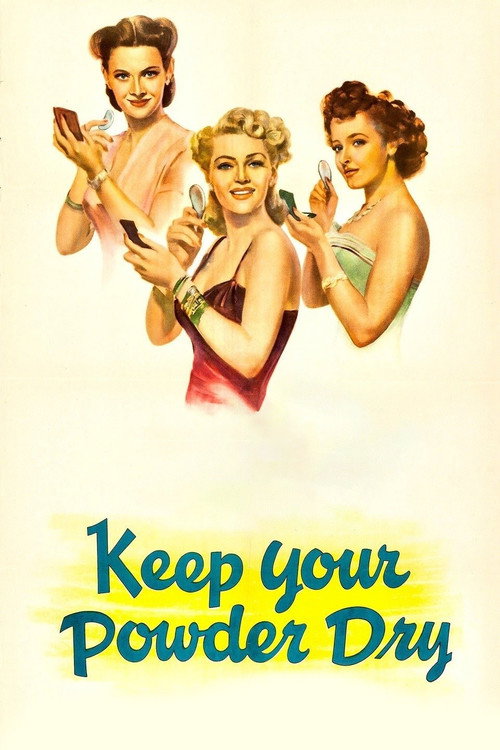
Keep Your Powder Dry1945
Lana Turner, Susan Peters, and Laraine Day as women in the Army. It's curious as a document of how the military imagined women soldiers, even if the story is formulaic.
But The script is thin, the characterization is basic, and the film softens everything that might be genuinely interesting about women in uniform.
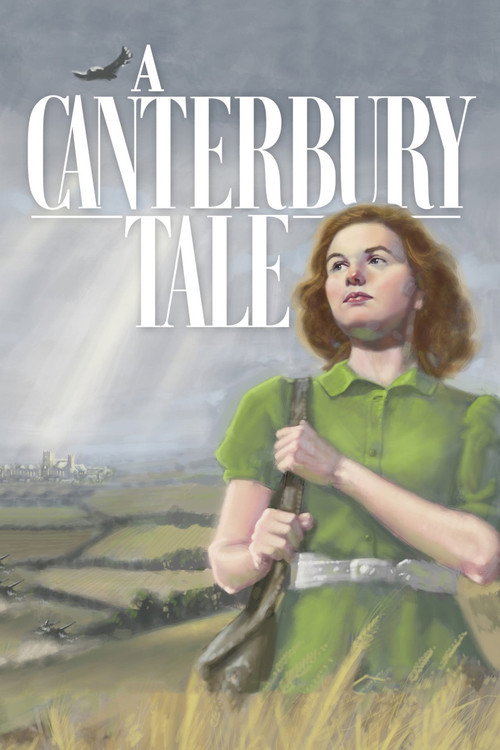
A Canterbury Tale1944
Both films are wartime British dramas made in 1944, but Powell-Pressburger trust cinema's power to suggest rather than state. Where Tender Comrade is sincere and direct, Canterbury Tale is mysterious and metaphorical—two fundamentally different ideas of how to process the same historical moment.
Michael Powell and Emeric Pressburger's ravishing, strange masterpiece: a soldier, a girl, and a young man converge in a Kent village where someone has been attacking women with glue. It's not a thriller—it's about belonging, sacred and profane love, and what Britain fights for. Made in the same year, it's infinitely stranger and more beautiful.
But The plot is deliberately evasive, and the film requires patience with ambiguity and visual beauty over conventional narrative. It's a poem more than a drama, and some will find it frustratingly elusive.
People
Cast
 Ginger RogersJo Jones
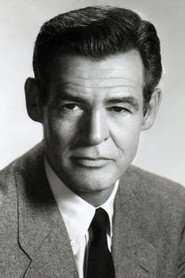 Robert RyanChris Jones
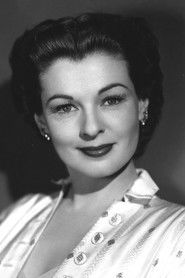 Ruth HusseyBarbara Thomas
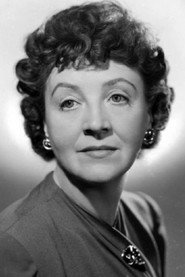 Patricia CollingeHelen Stacey
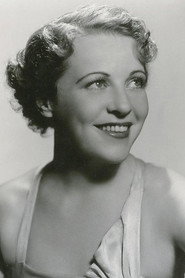 Mady ChristiansManya Lodge
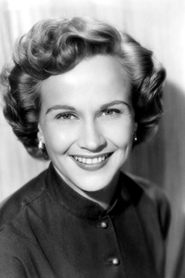 Kim HunterDoris Dumbrowski
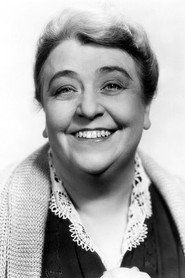 Jane DarwellMrs. Henderson
 Richard MartinMike Dumbrowski
 Robert J. AndersonBoy (uncredited)
 Patti BrillWestern Union Girl (uncredited)
- Donald DavisBoy (uncredited)
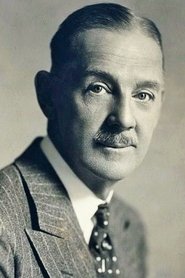 Edward FieldingDoctor (uncredited)
Directing
- Harry ScottAssistant Director
- Edward DmytrykDirector
Writing
- Dalton TrumboWriter
Production
- Sherman ToddAssociate Producer
- David HempsteadProducer
Recommended by
Surviving R. Kelly, Documenting Hate: Charlottesville, Since You Went Away, Sunday Dinner for a Soldier