
Film
Pride of the Marines
A 1945 film about a decorated Marine blinded in combat, learning to navigate civilian life and love after trauma. John Garfield anchors this earnest drama with genuine vulnerability. It's a war film that spends its weight on the messy, unglamorous work of coming home—how disability fractures identity, tests relationships, and demands quiet courage. For anyone drawn to character-driven postwar cinema.
Should you watch it?
Watch it if you like postwar dramas that treat recovery as a hard, quiet daily struggle, with sharp performances from John Garfield and Eleanor Parker carrying the emotional weight rather than melodrama doing it for them.
Skip it if you want a war film with combat set pieces, since the battle is largely behind the story and the film lingers on the slow, frustrating business of adjusting to life at home.
What it asks of you: Almost two hours of patient, talky scenes at a measured pace, with the emotional stakes built up gradually rather than delivered in bursts, so settle in and give it your attention.
Not sure? Find tonight's pick in a minute.
If you liked this
The Best Years of Our Lives1946
The gold standard of postwar readjustment drama. Three servicemen return home transformed by war, each facing different obstacles. It has the same emotional honesty and refusal to prettify trauma, with a larger canvas and deeper resources.
But At nearly four hours, it asks patience. Some may find the domestic plotting glacial compared to modern pacing.

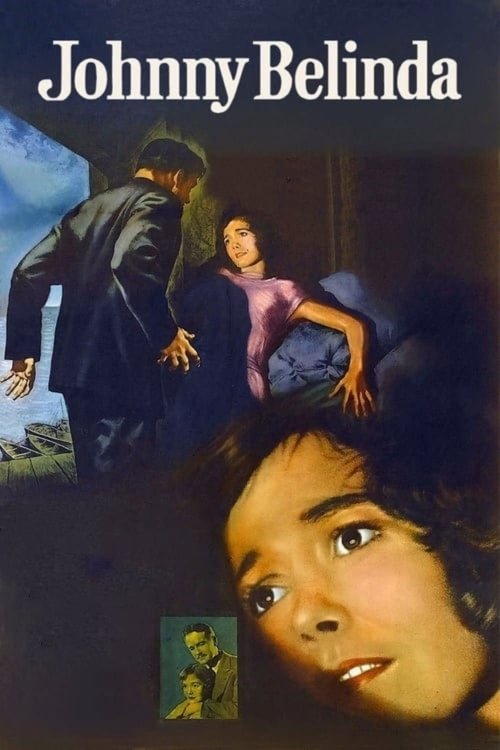
Johnny Belinda1948
Jane Wyman delivers a career-defining performance as a deaf woman reclaiming agency after assault. Like Schmid's journey, it's about disabled characters resisting pity and fighting for dignity. Quietly powerful.
But The sexual violence that catalyzes the plot arrives without warning. The tone is austere, even bleak.
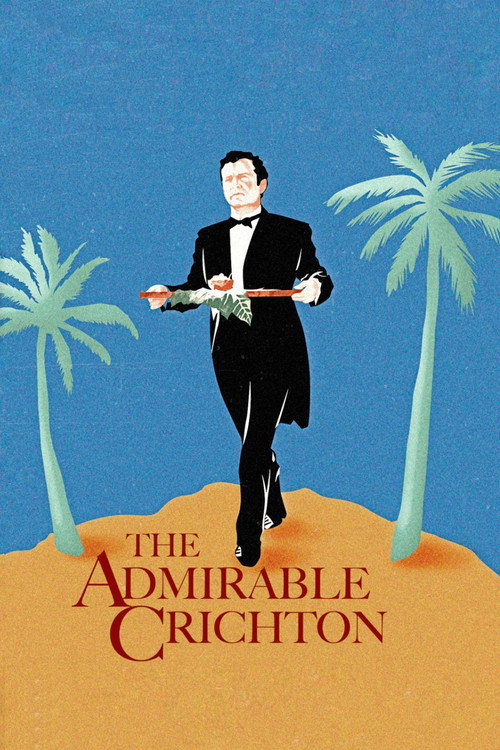
The Admirable Crichton1957
Kenneth More plays a man stripped of his identity and social standing, forced to rebuild himself from nothing. The emotional architecture mirrors Schmid's: who are you when everything that defined you is gone?
But It's British, formal, and far lighter in tone—almost a comedy of manners. Not what you'd expect.
Not sure tonight? Get a pick in a minute, starting from Pride of the Marines
The wildcard
Something you would not have found on your own.
Broken Blossoms or The Yellow Man and the Girl1919
Both films find their power in the quiet moment after catastrophe, when damaged people sit together and discover that continuation is possible. Not healing—not always. But the choice to stay.
D.W. Griffith's silent masterpiece about a Chinese man and an abused English girl finding refuge together. Decades before Schmid, it's about two damaged people learning that love might ask for less than they think they have to give. Visually astonishing.
But It's silent, in a 2-D world you have to learn the language of. The sentiment is profound but the pacing—essential to silent film—requires surrender. Yellowface casting, though Griffith handles the material with unexpected tenderness.

More like this (8)
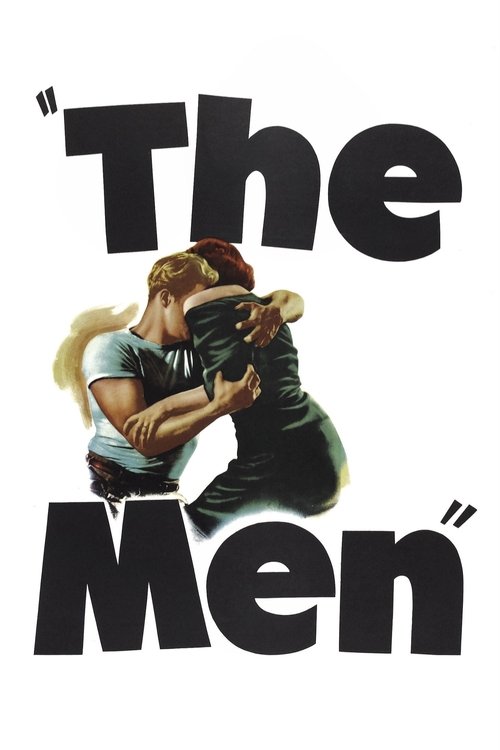
The Men1950
Brando in his debut as a paraplegic veteran wrestling with rage, sexuality, and the possibility of a future. Raw and unsentimental. Gritty realism about disabled life that refuses inspiration-narrative shortcuts.
But Some scenes of male vulnerability were shocking for 1950 and may still make viewers uncomfortable. Very rough around the edges.
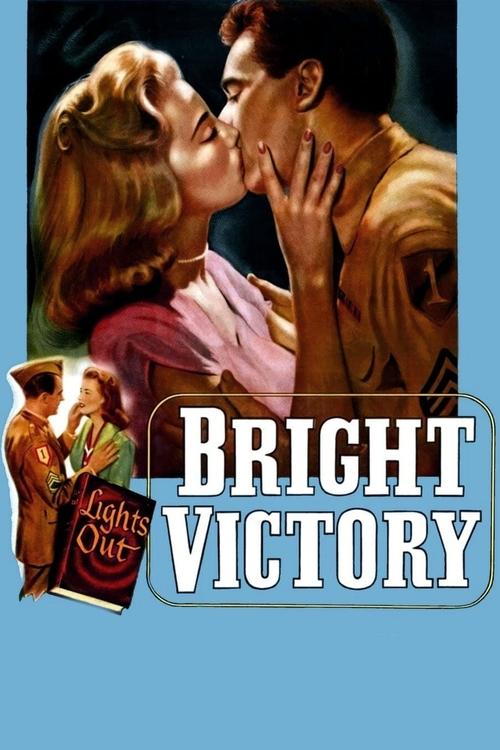
Bright Victory1951
Arthur Kennedy plays a blinded soldier—the exact same trauma as Schmid—confronting both his disability and his unconscious racism. It layers the internal reckoning that makes the premise sing.
But The racial subplot feels dated and sometimes clumsy. The film preaches when it should let the contradiction breathe.
The Third Man1949
A postwar Vienna haunted by moral compromise and fractured allegiances. Orson Welles and Joseph Cotten navigate a world where nothing is as it seemed. Different genre, same era and mood of disillusionment.
But It's a thriller, not a character study. If you want introspection over plot momentum, this will feel evasive.

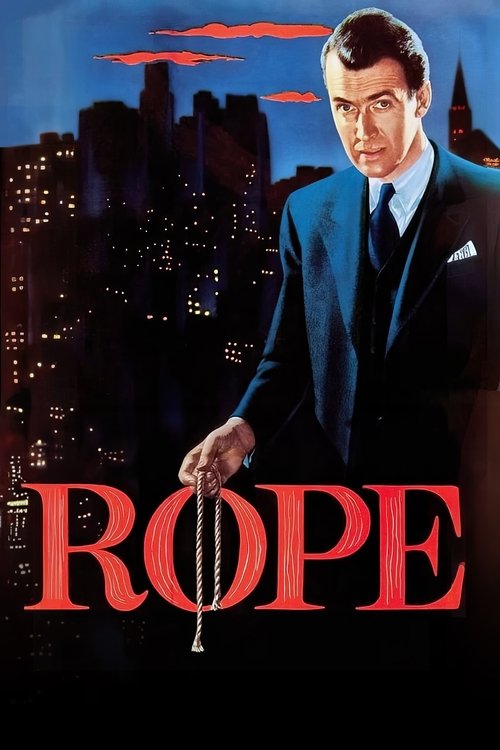
Rope1948
Hitchcock's real-time chamber piece about two men unraveling under pressure. Confined, claustrophobic, and obsessed with how identity fractures under scrutiny. Formal mastery in service of psychological tension.
But The gimmick (filmed in real time) becomes visible and mechanical. Some find it airless and artificial rather than gripping.
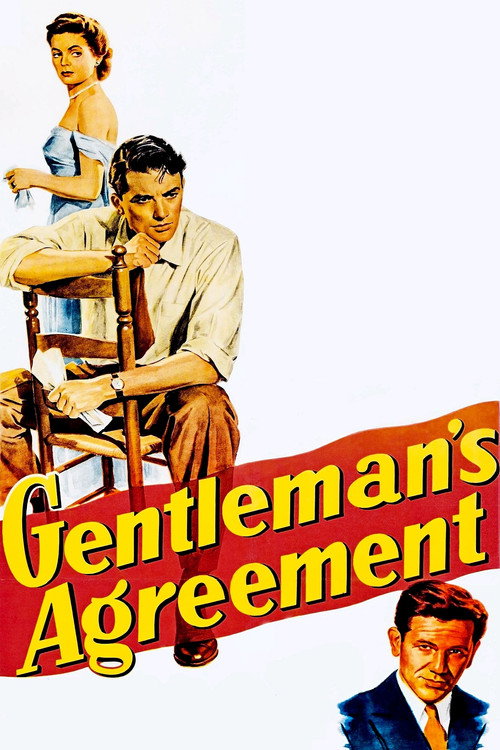
Gentleman's Agreement1947
Gregory Peck as a journalist posing as Jewish to expose antisemitism. It shares Schmid's interest in how identity—assumed or imposed—shapes how the world treats you and how you see yourself.
But The social-problem drama can feel heavy-handed. It argues rather than explores, and modern audiences may find it didactic.
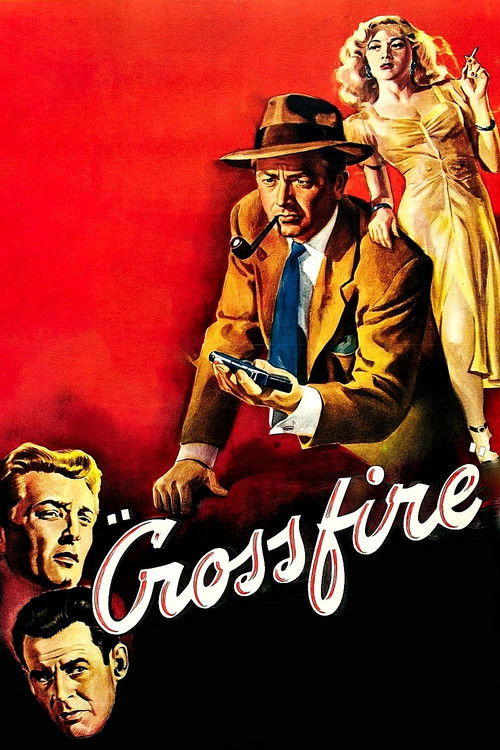
Crossfire1947
A noir about soldiers adrift in postwar Los Angeles, hunting a killer while wrestling with prejudice and displacement. Faster-paced than Schmid but with the same sense of young men broken by war, trying to fit back in.
But The plot mechanics matter more than character depth. It's tighter but shallower than Pride of the Marines.
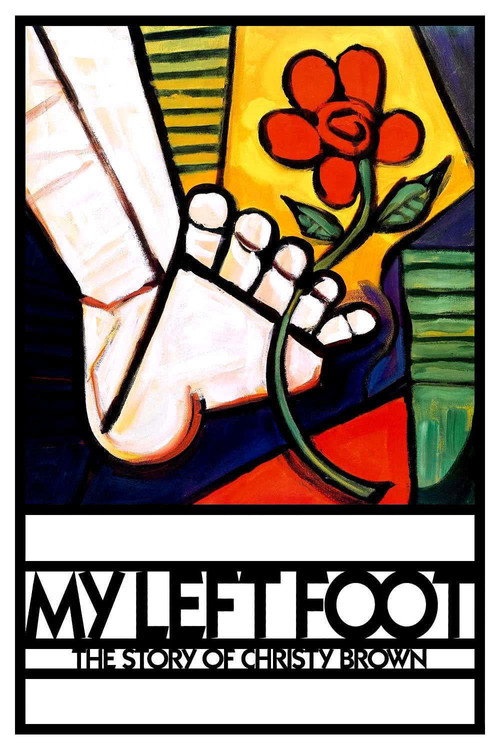
My Left Foot: The Story of Christy Brown1989
Both center on disabled men refusing the script written for them—the grateful, diminished version the world wants. Both insist on rage, desire, and complexity. Both understand that coming home isn't the end of the story; it's where the real reckoning begins.
Daniel Day-Lewis as Christy Brown, an Irish painter with cerebral palsy, wrestling with ambition, sexuality, rage, and the suffocating love of family. It's Schmid's disability arc refracted through a different era and disability, but with the same refusal to be inspirational.
But Day-Lewis's performance risks becoming a display of virtuosity. The film can feel like watching someone show off their acting rather than inhabiting a life. Brutally sad, and the family dynamics are toxic in ways the film doesn't quite interrogate.
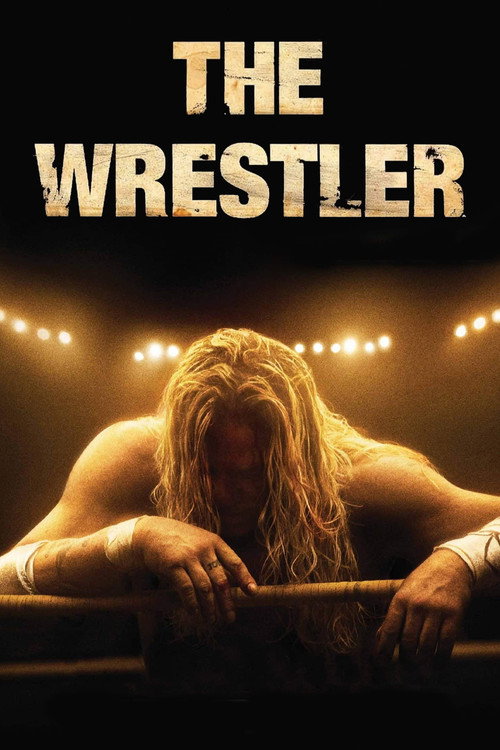
The Wrestler2008
Same structure, different metaphor. Both films refuse false redemption. Rourke's Randy has no Eleanor Parker waiting with patience. There's just the daily negotiation with the wreckage of who you were. It's Schmid's trauma extended into a lifetime without rescue.
Mickey Rourke as a washed-up wrestler clinging to the only identity he's ever had. Stripped of physicality, status, and usefulness, he has to choose whether to become someone else or die trying to be himself. Shot through with the same question Schmid faces: who are you when your body betrays you?
But Darren Aronofsky's style is deliberately brutal and punishing. The handheld camera, the close-ups, the accumulation of pain—it's designed to make you uncomfortable. Some find it exploitative rather than empathetic.
People
Cast
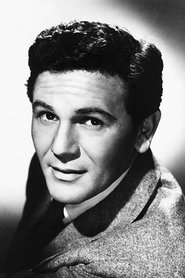 John GarfieldAlbert Schmid
 Eleanor ParkerRuth Hartley
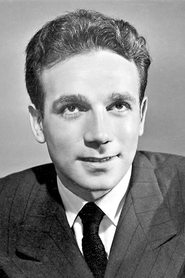 Dane ClarkLee Diamond
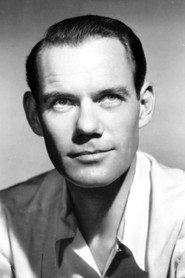 John RidgelyJim Merchant
 Rosemary DeCampVirginia Pfeiffer
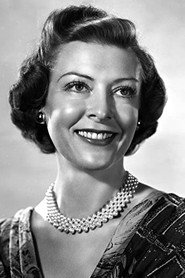 Ann DoranElla Mae Merchant
 Ann E. ToddLoretta Merchant (as Ann Todd)
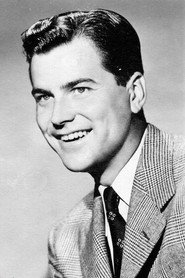 Warren DouglasKebabian
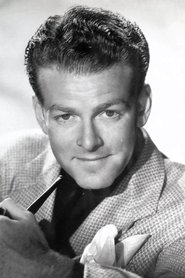 Don McGuireBill aka Irish
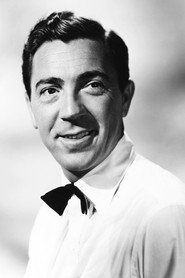 Tom D'AndreaTom
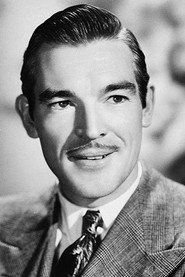 Rory MallinsonDoctor
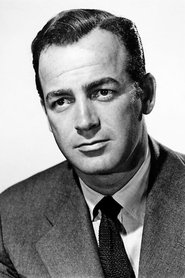 Mark StevensAinslee
Directing
- Delmer DavesDirector
Writing
- Marvin BorowskyAdaptation
- Roger ButterfieldBook
- Albert MaltzScreenplay
Production
- Jack L. WarnerExecutive Producer
- Jerry WaldProducer
Recommended by
Coming Home, The Fighting Sullivans, Tender Comrade, The Fighting Seabees