
Film
Bright Victory
A blinded war veteran struggles to rebuild his life at home, navigating physical adaptation, family dynamics, and romantic complications. Shot in crisp black-and-white with genuine restraint, it refuses sentimentality while taking its protagonist's rage and vulnerability seriously. For anyone interested in how cinema once tackled disability without flinching or turning it into inspiration porn.
Should you watch it?
Watch it if you like postwar character studies that take their time with a man learning to live differently, where the quiet small moments of adjustment matter more than plot.
Skip it if you want brisk pacing or a lot of action, since this is a slow, talky film that dwells on frustration and prickly family tensions more than on forward momentum.
What it asks of you: Roughly ninety-seven minutes of unhurried scenes, a sober tone kept grounded, and emotional weight that builds slowly instead of arriving in bursts.
Not sure? Find tonight's pick in a minute.
If you liked this
The Best Years of Our Lives1946
Wyler's masterpiece about three returning servicemen grappling with readjustment, trauma, and what home means. Longer than Bright Victory but equally unsparing about the gaps between expectation and reality, with richer ensemble texture.
But At three hours and forty-six minutes, it demands patience. The 1940s pacing will test viewers accustomed to modern rhythm.

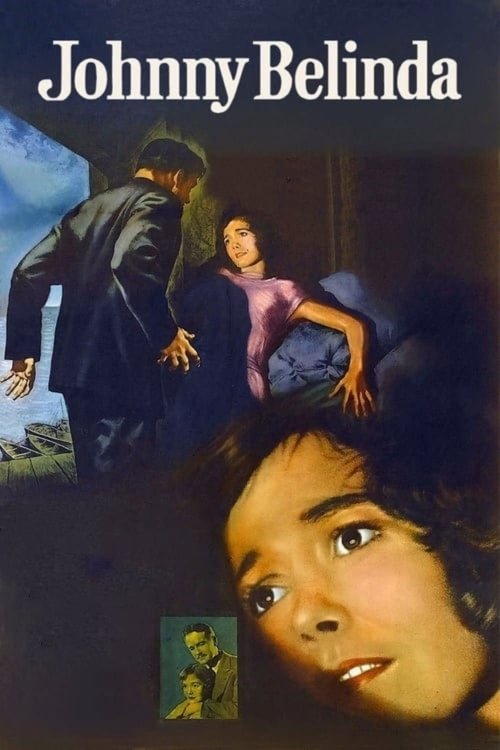
Johnny Belinda1948
Jane Wyman won the Oscar for playing a deaf woman reclaiming agency in her own life. Shares Bright Victory's interest in sensory disability as a lens for examining isolation, communication, and social prejudice with surprising complexity.
But The film's treatment of deafness, while progressive for 1948, carries period attitudes that modern viewers may find awkward or reductive.
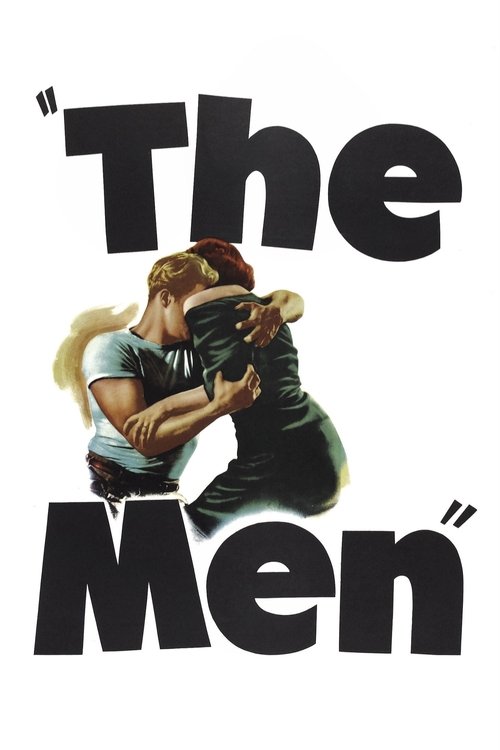
The Men1950
Marlon Brando's debut as a paraplegic soldier in rehabilitation. Brutally honest about physical therapy, sexual anxiety, and the cruelty of well-meaning people. Shot documentary-style in actual hospitals, with genuine patients alongside actors.
But The sexual politics are very much of 1950, and some scenes of men's vulnerability read now as more tender than the film intends.
Not sure tonight? Get a pick in a minute, starting from Bright Victory
The wildcard
Something you would not have found on your own.
A Place Called Dignity2021
Both films believe that surviving catastrophe is not the same as living, and that adjustment requires learning to sit with contradiction and unresolved feeling rather than overcoming it.
A Ukrainian miniseries about a woman navigating love and loss in the shadow of war, shot with painterly restraint. It shares Bright Victory's refusal to explain emotions, trusting the viewer to read stillness and silences. Profound, unfamiliar, and structurally nothing you've seen before.
But It's not in English, and the subtitles demand attention. It also lacks conventional narrative drive; if you need forward momentum, it will feel slow.

More like this (8)
Moonlight2016
Barry Jenkins's three-act meditation on a Black man's life, memory, and connection across decades. Like Bright Victory, it privileges interiority and small moments of human contact over plot. Both films trust you to feel without being told what to feel.
But The narrative is fragmented and elliptical. If you need clear story beats and resolution, this will frustrate rather than move you.

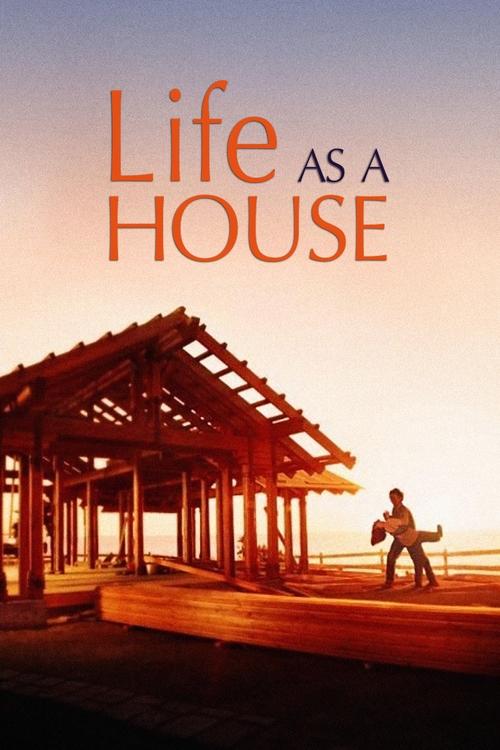
Life as a House2001
Kevin Kline and Patrick Dempsey in a film about a man building something—literally and metaphorically—after a life-altering event. Sentimentality creeps in more than in Bright Victory, but the father-son work is genuinely earned.
But It wears its emotions very openly. Some viewers experience this as cathartic; others find it manipulative or exhausting.
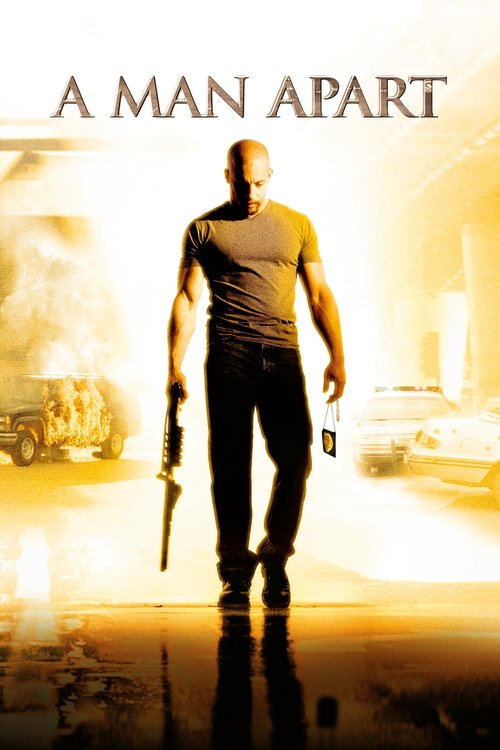
A Man Apart2003
Vin Diesel, unexpectedly vulnerable, as a DEA agent whose world collapses. A genre film that devotes serious time to a man's psychological unraveling rather than just action. The domestic scenes carry surprising weight.
But It's structured as a thriller, so the emotional beats compete with plot momentum. The tonal mix won't work for everyone.
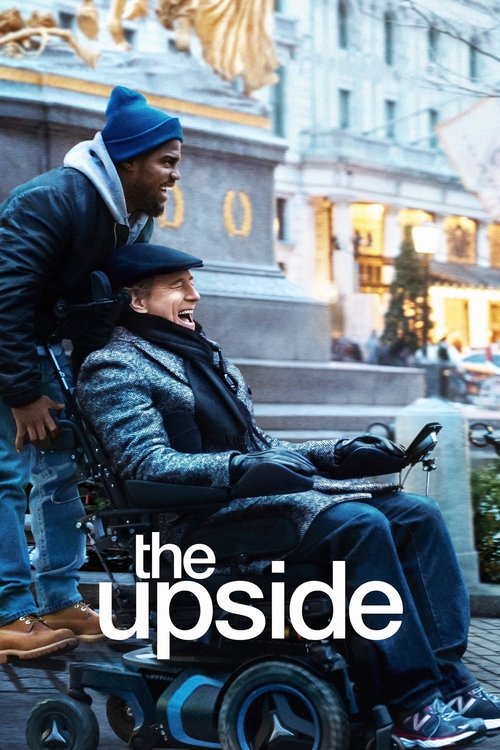
The Upside2019
Kevin Hart and Bryan Cranston in a true-story drama about a wealthy quadriplegic and his caregiver. Manages genuine humor alongside genuine pathos without ever winking at the audience. Lighter than Bright Victory but not shallow.
But The inspirational-drama formula is familiar enough to feel a bit conventional. It hits the expected beats rather than subverting them.
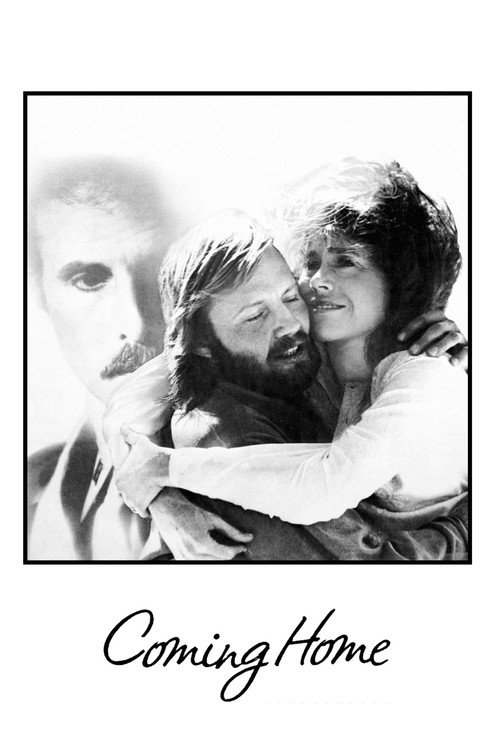
Coming Home1978
Jon Voight as a paraplegic veteran, Hal Ashby directing with remarkable tenderness. Vietnam-era context adds political weight, but the core is about desire, shame, and reclaiming selfhood after catastrophic loss.
But The sexual content is explicit by 1970s standards and remains so. If that makes you uncomfortable, the film's intimacy may feel intrusive.
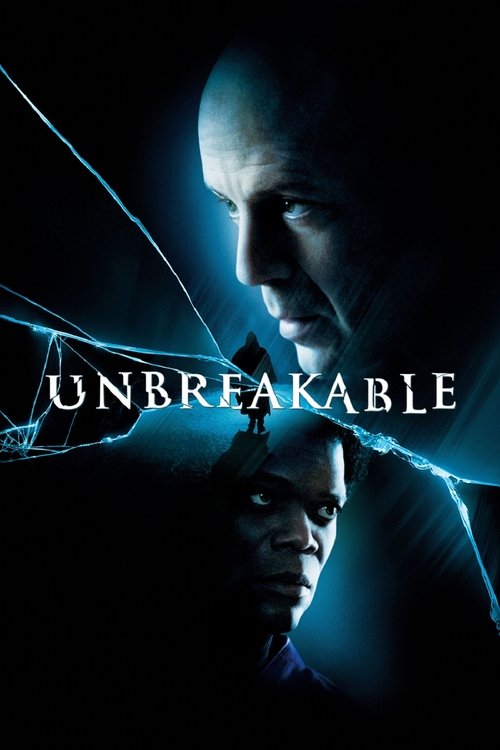
Unbreakable2000
M. Night Shyamalan's slow-burn superhero film about a man discovering resilience he didn't know he had. Like Bright Victory, it's interested in capability and what strength actually looks like when you strip away expectation.
But It's deliberately paced and a bit distant emotionally. Modern audiences expecting Marvel-style momentum will find it static and obscure.
Ikiru1952
Both films are skeptical of conventional redemption. Their protagonists don't 'overcome'—they learn to live inside limitation, which turns out to require more courage than triumph.
Kurosawa's masterpiece about a dying bureaucrat discovering purpose in his final months. It's about rebuilding meaning after learning that everything you built was hollow. In Japanese, in black-and-white, and absolutely devastating in its simplicity.
But It's meditative and, frankly, depressing. The pacing is slow even by art-house standards, and the emotional weight is sustained rather than released.

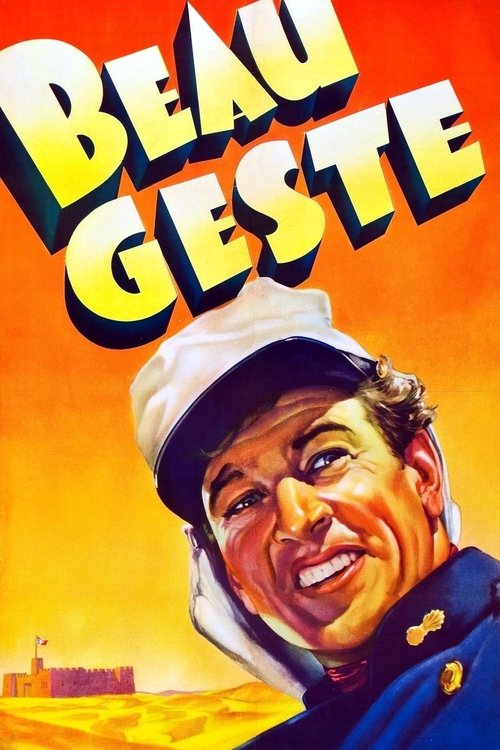
Beau Geste1939
Wellman's visual clarity and his gift for conveying emotion through gesture and framing rather than dialogue connects both films across completely different dramatic registers.
A completely different register: Gary Cooper and Ray Milland in a swashbuckling Foreign Legion adventure that happened to be made by William Wellman, who also directed Bright Victory. It's a reminder that the same craftsman could work in radically different genres with equal skill and precision.
But It's pure escapism, which can feel frivolous if you're seeking depth. The romantic entanglements are melodramatic even for 1939.
People
Cast
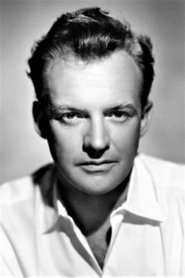 Arthur KennedyLarry Nevins
 Peggy DowJudy Greene
 Julie AdamsChris Paterson
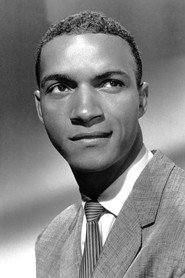 James EdwardsJoe Morgan
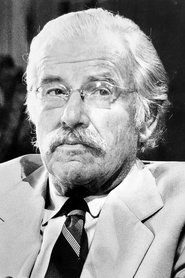 Will GeerMr. Nevins
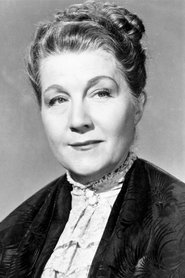 Nana BryantMrs. Nevins
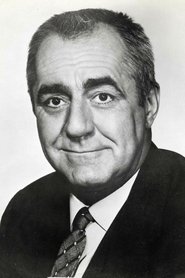 Jim BackusBill Grayson
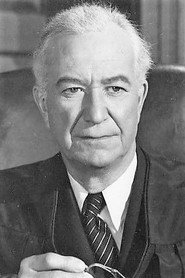 Minor WatsonMr. Paterson
 Joan BanksJanet Grayson
 Richard EganSergeant John Masterson
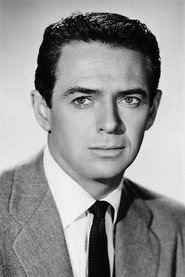 John HudsonCorporal John Flagg
- Marjorie CrosslandMrs. Paterson
Directing
- George LollierAssistant Director
- John SherwoodAssistant Director
- Les WarnerAssistant Director
- Mark RobsonDirector
- Betty A. GriffinScript Supervisor
Writing
- Baynard KendrickNovel
- Robert BucknerScreenplay
Production
- Robert BucknerProducer
- Edward K. DoddsUnit Production Manager