
Film
A Place Called Dignity
- Drama
- Very dark
A 12-year-old boy enters Colonia Dignidad, a German-Chilean settlement that initially seems like an educational privilege. What unfolds is a slow-burn psychological portrait of a child navigating a closed, authoritarian world where favour masks control. It's deliberate, unsettling, and quietly devastating—less thriller than portrait of how complicity forms.
Should you watch it?
Watch it if you want a slow, watchful drama that builds unease through a child's unsettled eyes rather than through spectacle, and you are ready for a story rooted in a real, dark chapter.
Skip it if you need a clear plot to carry you, since much of this unfolds through quiet observation and unexplained unease, and you'd rather be told what's going on.
What it asks of you: Ninety-eight minutes, unhurried and hushed, with long stretches where little is said and the dread accumulates in glances and silences rather than in scenes you can point to.
Not sure? Find tonight's pick in a minute.
If you liked this
Spotlight2015
Methodical investigation into institutional abuse that prioritizes the accumulation of small truths over dramatic revelation. Like Dignity, it's about seeing what's hidden in plain sight and the cost of finally acting.
But Measured pacing that some find glacial. The payoff is moral clarity, not catharsis, which can feel anticlimactic.

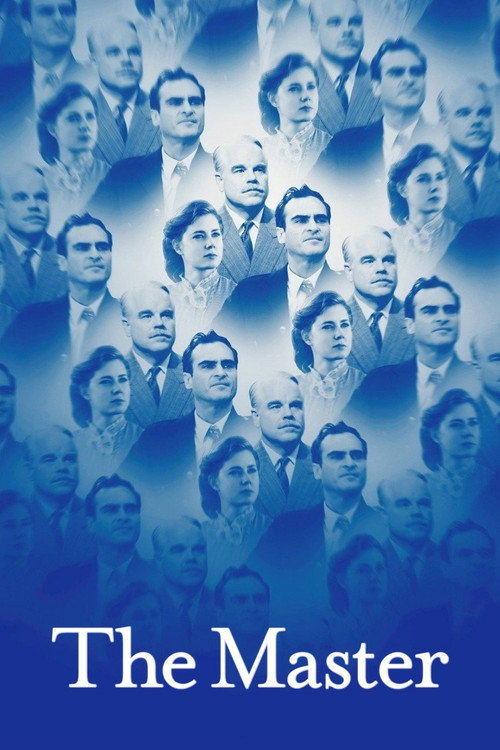
The Master2012
A charismatic authority figure builds a closed world around a vulnerable young man. Magnificent performances and cinematography, but the real subject is how ideology colonises thought and bodies.
But Deliberately cryptic and elliptical. It demands your interpretation rather than offering conclusions, which frustrates viewers wanting clarity.
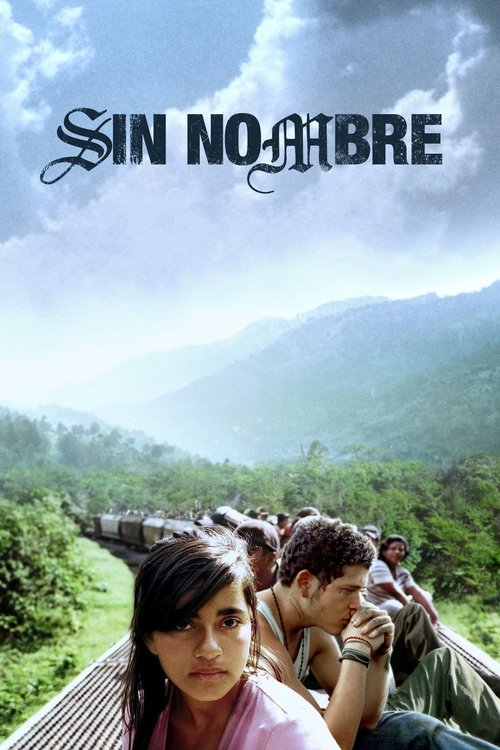
Sin Nombre2009
Two young people on the margins of society, trapped in systems larger than themselves. Raw, unsentimental portrayal of how institutions—criminal and otherwise—consume the young. Beautifully shot.
But Bleak throughout. There's no redemptive arc, only survival and its costs. Emotionally exhausting.
Not sure tonight? Get a pick in a minute, starting from A Place Called Dignity
The wildcard
Something you would not have found on your own.
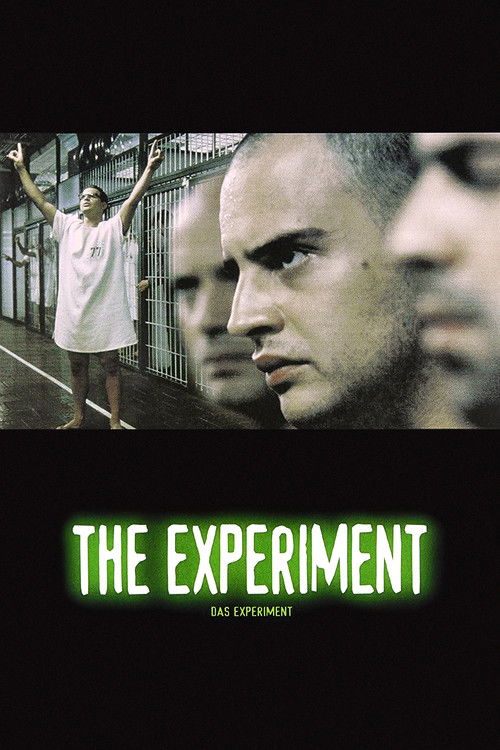
The Experiment2001
Both are German-language examinations of how ordinary people become complicit in authoritarian systems. But where Dignity shows a child absorbed into ideology, Experiment shows adults inventing it from scratch.
German film (like Dignity, like Zischler) about a prison simulation that collapses into authoritarianism. Uses the same actor and language, but inverts the perspective—we watch power corrupting from outside the system rather than from within it.
But Based on Milgram's work so some find it didactic. The trajectory feels almost too inevitable, reducing psychology to foregone conclusion.
More like this (8)
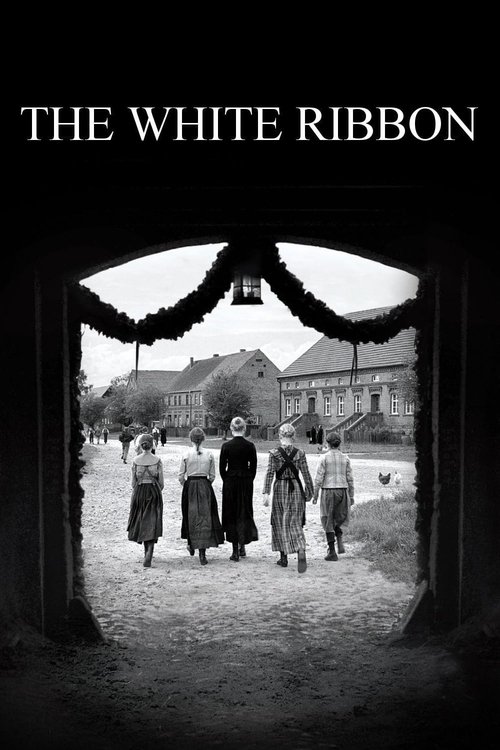
The White Ribbon2009
Black-and-white German film about a provincial village where children enact cruelties that mirror their authoritarian upbringing. Structural echo of how ideology passes through families and institutions.
But Deliberately slow and ambiguous. Nothing is explained; you piece together dread from behaviour and omission. Tests patience.
Moonlight2016
Three-part portrait of a boy moving through worlds that demand he become someone other than himself. Like Dignity, it's about survival within systems that offer belonging at the cost of self.
But Sparse dialogue and elliptical narrative. Some find it oblique to the point of coldness; others find that restraint devastating.

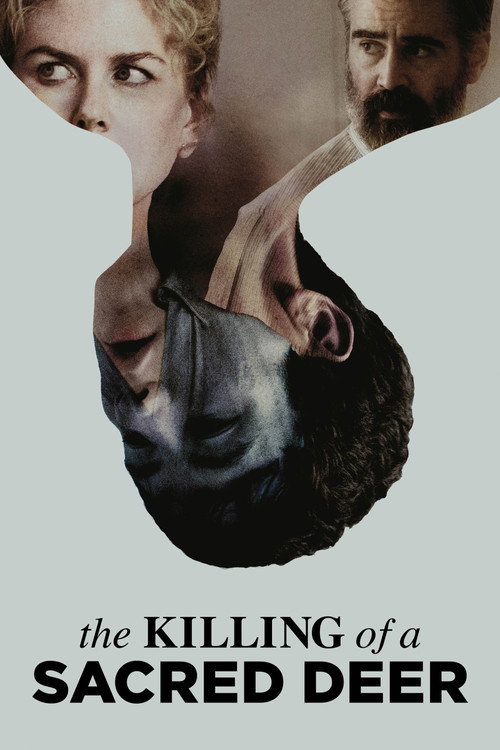
The Killing of a Sacred Deer2017
A family's world fractures when obligation and gratitude curdle into coercion. Methodical escalation of psychological control within seemingly civilised spaces. Hanns Zischler is excellent here too.
But Formally cold and deliberately artificial in its staging. The artifice is the point, but it can feel distancing rather than unsettling.
Come and See1985
A boy conscripted into war loses his childhood across two hours of unbearable intensity. The definitive portrait of how institutions destroy the young. Unflinching and necessary.
But Genuinely traumatic viewing. Not metaphorically—it's designed to wound. Prepare accordingly.

Kes1970
Working-class boy finds brief freedom through a kestrel while school and home grind him down. Tender and furious simultaneously. Shows how small mercies matter in oppressive systems.
But Dated aesthetically and some social attitudes haven't aged well. The ending is punishing in ways modern audiences sometimes find gratuitous.

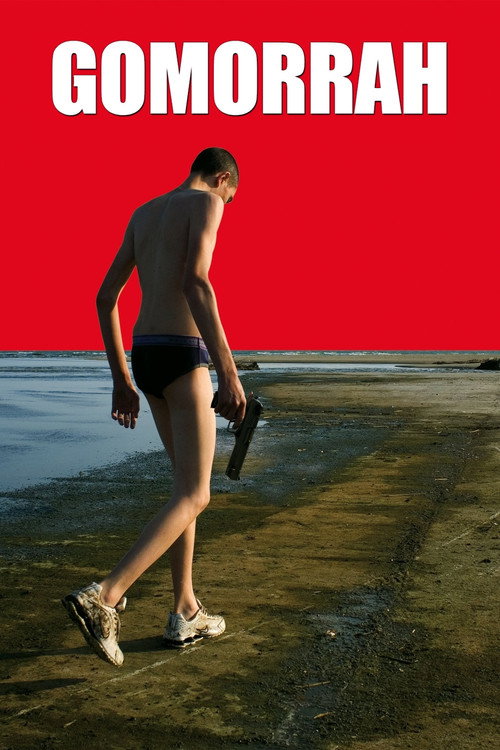
Gomorrah2008
Neapolitan crime world seen through multiple perspectives, including children for whom organised crime is simply infrastructure. Shows how systems recruit and normalise the young from within.
But Multiple overlapping narratives can feel scattered. Some threads resolve while others dissolve, which some find frustrating rather than realistic.
Requiem for a Dream2000
Both chart how institutions (colony, hospitals, markets, desire itself) redefine a person's boundaries until they no longer recognise themselves. Dignity is quiet observation; Requiem is screaming—same skeleton.
Four parallel descents into addiction and institutional control. Darren Aronofsky's visual language is overwhelming—the film doesn't observe systems consuming people, it *makes you feel it*. Opposite register to Dignity but identical moral.
But Relentlessly assaultive formal style. The editing, music and cinematography never let you settle. Some find it manipulative; others find that's precisely the point.

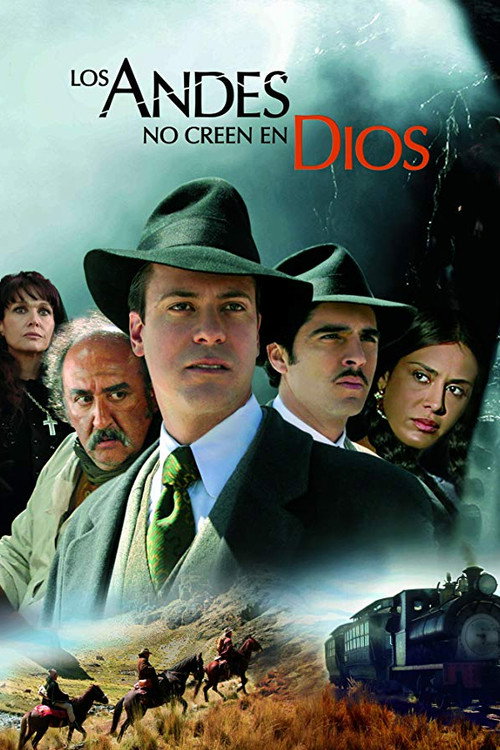
Los Andes no creen en Dios2007
Both are portraits of how geography and isolation create alternative realities. Where Dignity examines psychology, this examines anthropology—but both ask: what happens to human behaviour when the outside world disappears?
Peruvian documentary about an isolated Andean village. Observational, unsentimental, focused on how closed communities develop their own logic and rules. Entirely different form—no narrative—but captures that same uncanny isolation.
But Documentary pacing and no conventional story. The 'drama' is in micro-behaviours and silences. Demands active watching and patience with ambiguity.
People
Cast
- Salvador InsunzaPablo
 Hanns ZischlerUncle Paul
 Amalia KassaiGisela
- Noa WestermeyerRudolph
 Luis DubóPastor
 Leonie WesselowÚrsula
 David GaeteJohannes
- Alex GorlichGerhard
 Giannina FrutteroCecilia
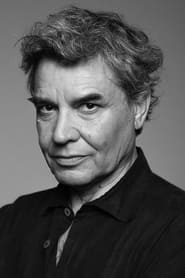 Alejandro GoicColonel
 Claudia CabezasChilean Woman
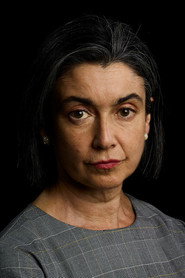 Paulina UrrutiaFirst Lady
Directing
- Oscar GodoyAssistant Director
- Haroldo MuñozContinuity
- Matías Rojas ValenciaDirector
- Bárbara MontañaOther
- Sebastián Soto SalasSecond Assistant Director
- Manuela BurrThird Assistant Director
Writing
- Matías Rojas ValenciaScreenplay
- Alejandro FadelScript Consultant
- Gonzalo MazaScript Consultant
- Yolanda BarrasaScript Consultant
Production
- Claudia GómezAccountant
- Martha RendónAccountant
- Álvaro UrdanetaAdministration
- Ignacio CasalyAdministration
- Anja DihrbergCasting
- Marion HaackCasting
- Moira MillerCasting Director
- Denis VaslinCo-Producer
- Iván GranovskyCo-Producer
- Jorge BoteroCo-Producer
- Linus GüntherCo-Producer
- Philippe PerrotCo-Producer
- Sophia Ayissi NsegueCo-Producer
- Titus KreyenbergCo-Producer
- Claire ChassagneExecutive Producer
- Constanza ErenchúnExecutive Producer
- Eugenio RamírezExecutive Producer
- Fernando BascuñánExecutive Producer
- Giancarlo NasiExecutive Producer
- Florencia RodriguezLine Producer
- Luciana CalcagnoProducer
- Dafne RiverosProduction Assistant
- Eugenio ArteagaProduction Assistant
- Fabienne LabartheProduction Coordinator
- Mariangela RodriguezProduction Coordinator
- Ekaterina PrudkinProduction Director
- Mauricio DupuisProduction Manager
- Andrés ChacónProduction Runner
- Tomás GerlachUnit Production Manager