
Film
The Men
A 1950 drama about a paralyzed WWII veteran learning to live after catastrophic injury. Brando gives a raw, unglamorous performance as a man trapped between rage and acceptance. The film eschews sentimentality for hard truths—both physical and emotional—told through the bonds formed in a hospital ward. It's an unflinching look at what survival costs.
If you liked this
The Best Years of Our Lives1946
The definitive post-WWII homecoming film, equally concerned with disabled veterans adjusting to civilian life. Shot with documentary clarity and genuine emotional depth, it shares The Men's refusal to sentimentalize trauma.
But At nearly three hours, it's a commitment. The scope is vast where The Men is intimate, which some find diluting rather than enriching.

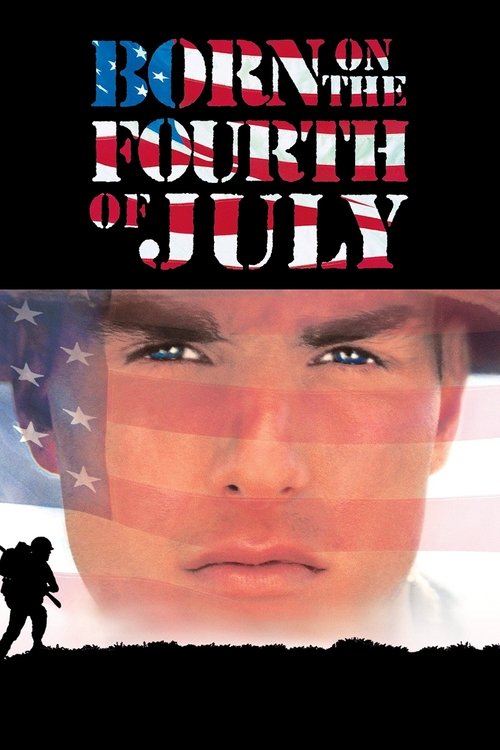
Born on the Fourth of July1989
Tom Cruise as a paralyzed Vietnam vet confronting rage, isolation, and the fight to reclaim agency. It has The Men's unflinching physicality and the same trajectory from denial to hard-won purpose.
But The second half pivots toward activism in ways that feel more schematic. Cruise's performance occasionally tips toward performance rather than presence.
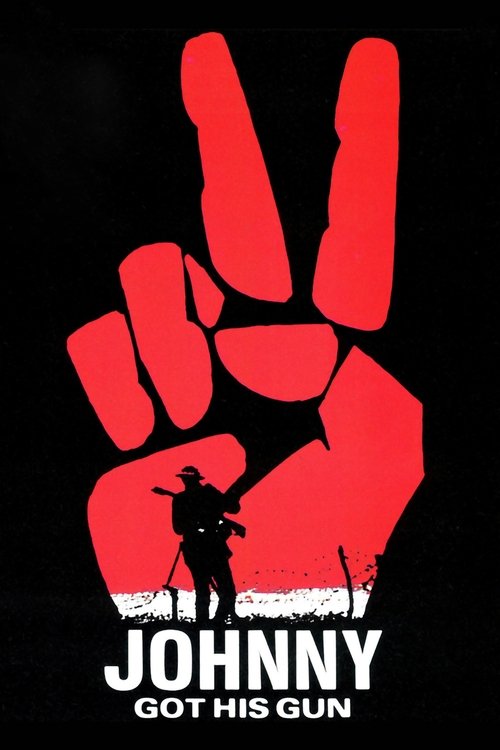
Johnny Got His Gun1971
A severely disabled WWI veteran trapped in his own body, unable to communicate with the world. It's visually audacious and philosophically uncompromising—the inverse of recovery narratives, asking whether life itself is enough.
But Relentlessly bleak and formally experimental in ways that can feel punishing. The premise—total sensory deprivation—is almost unwatchable by design.
Not sure tonight? Get a pick in a minute, starting from The Men
The wildcard
Something you would not have found on your own.
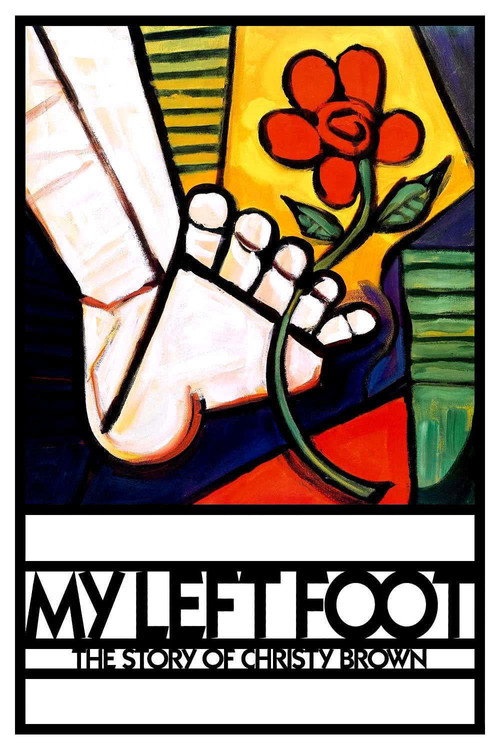
My Left Foot: The Story of Christy Brown1989
Both use disability as a portal to core identity questions—not inspiration porn, but real reckoning with what the body means when it no longer obeys. The Men asks 'how do I live?'; My Left Foot asks 'who am I if I cannot be seen?' They're the same door from opposite sides.
Daniel Day-Lewis as Christy Brown, an Irish painter with cerebral palsy, fighting for expression and dignity. Shares The Men's fascination with the body as both obstacle and identity, but frames disability as creative fuel rather than solely as trauma. The connection is inverted registers of the same subject: one is about learning to survive, the other about refusing to be survivable.
But It's a biopic with inevitable uplifting arc. Some find the inspirational machinery cheapens the real struggle. Also much more sentimental in its bones than The Men.
More like this (8)
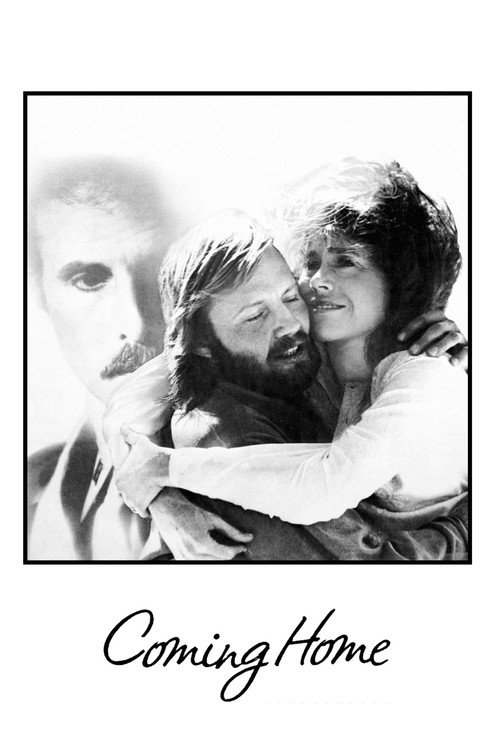
Coming Home1978
Jon Voight as a paralyzed Vietnam vet returning to his wife (Sally Field). Like The Men, it's about relearning intimacy and discovering that disability doesn't erase sexuality or desire.
But The love triangle plot occasionally overshadows the real subject. It's more romantic drama than unflinching portrait.
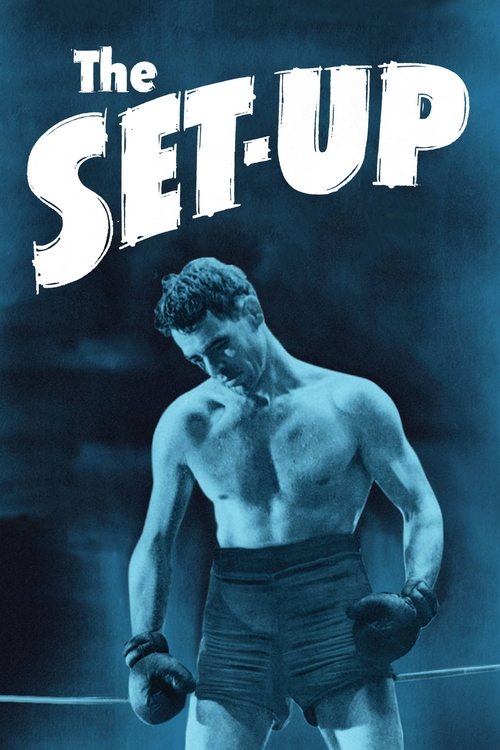
The Set-Up1949
A noir about failure and masculinity undermined. The same year-adjacent sensibility as The Men—tough, unglamorous, interested in men stripped of illusion about themselves.
But It's a boxing picture, not a hospital film, so the thematic connection is structural rather than immediate. Tonal whiplash if you're expecting similar subject matter.
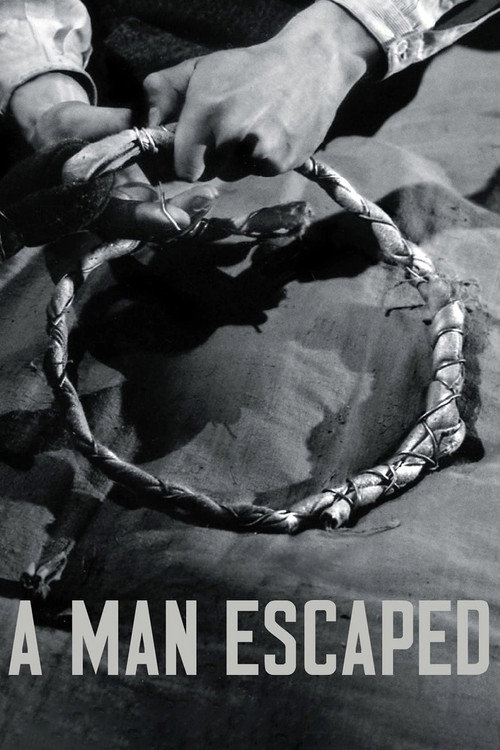
A Man Escaped1956
Bresson's portrait of a prisoner restoring agency through will and patience. Minimal, meditative, concerned with how a man rebuilds himself when the world has taken everything. The spiritual dignity echoes The Men.
But Bresson's austerity demands patience. There's almost no dramatic music, no conventional scoring—it can feel static if you're expecting momentum.
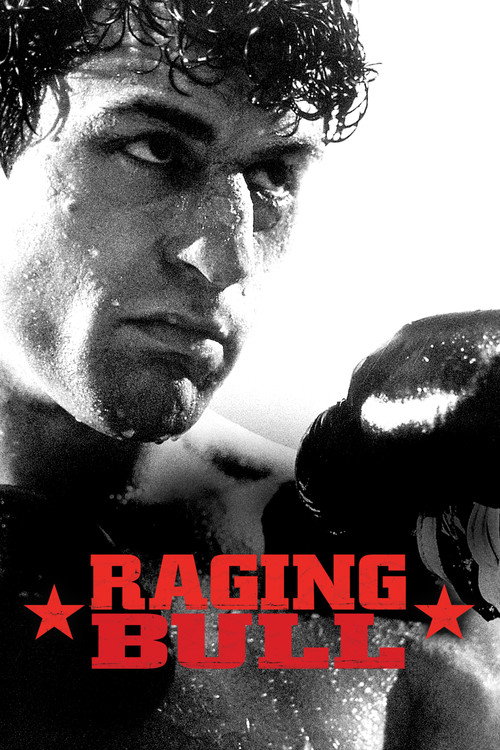
Raging Bull1980
De Niro as a boxer whose body is both his instrument and his prison. Like The Men, it's fascinated by male rage, physicality, and what happens when the body fails as currency for identity.
But It's a different beast entirely—baroque, formally wild, sometimes misogynistic in its presentation. Harder to love than to admire.
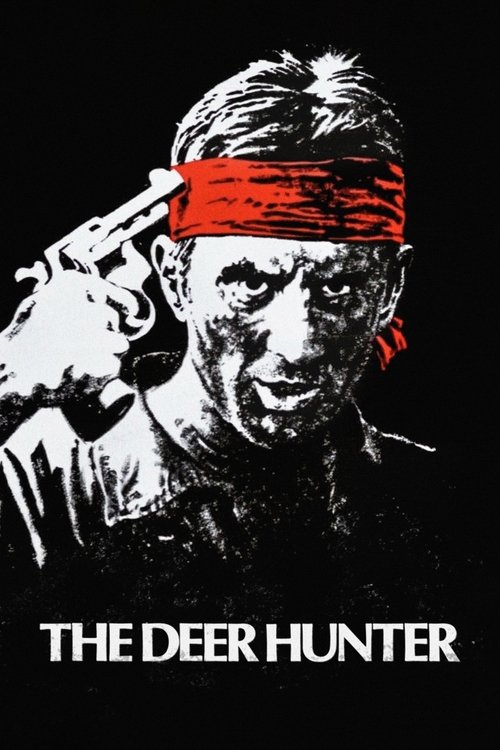
The Deer Hunter1978
Three steelworkers shattered by Vietnam and its aftermath. The hospital sequences and the treatment of trauma echo The Men's seriousness, its refusal to look away from damage.
But Nearly three and a half hours, with a famous set piece that diverts into Russian roulette melodrama. The scope sometimes works against intimacy.
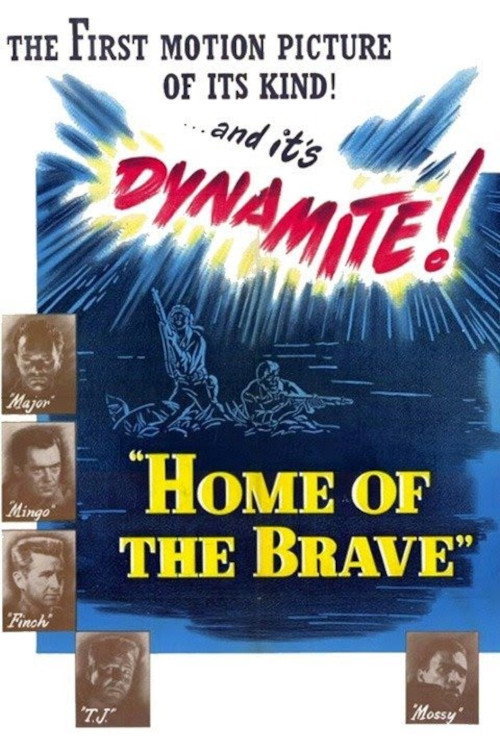
Home of the Brave1949
Another 1949 drama about returning soldiers, this one centered on a Black GI dealing with racism and trauma. Roughly contemporary with The Men, equally committed to unglamorous realism about what war leaves behind.
But The production values feel dated and the racial politics, while forward-thinking then, can read as schematic now. Less formally adventurous than The Men.
The Killing1956
Both are about the mythology of male agency versus its reality. The Men shows the physical body failing; The Killing shows the will failing against circumstance. Both strip men of illusions about control.
Kubrick's heist film structured by paralysis—a criminal plot that stalls and fractures under its own weight. Formally, it's the opposite of The Men: fragmented, playful with time, almost abstract. But it shares an obsession with men undone by forces outside their control, learning that agency is mostly illusion.
But It's a crime film, not a hospital drama, so the connection is intellectual rather than emotional. The tone is noir-playful where The Men is grounded. Some find Kubrick's distance from his characters coldly formal.

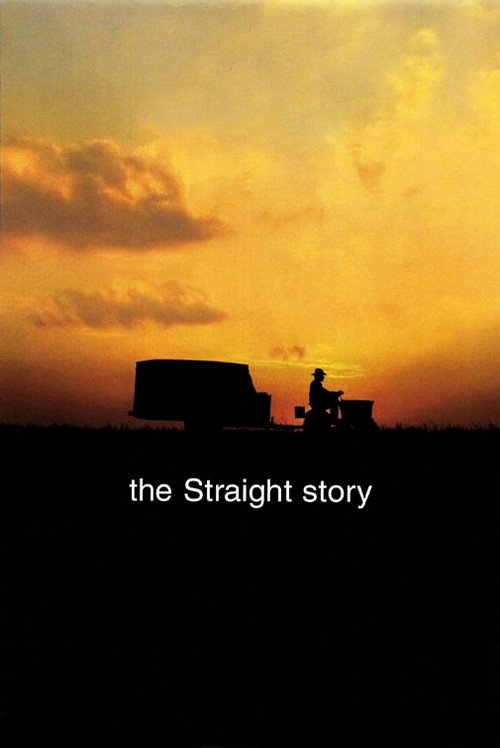
The Straight Story1999
Both locate redemption in patient, unglamorous work—no epiphanies, just the daily choice to move forward. The Men does it in a hospital ward; The Straight Story on a lawnmower. Both understand that surviving isn't heroic, it's humble.
David Lynch's only G-rated film: an elderly man on a lawnmower traveling across America toward his estranged brother. It sounds whimsical until you see it—it's a meditation on aging, forgiveness, and the slow work of rebuilding connection after harm. Like The Men, it's about the body's limitations becoming the site of spiritual reckoning, but framed as Americana rather than trauma.
But Almost glacially paced. If you're expecting Lynch's darkness, the sincerity and gentleness can feel like betrayal. Some find it cloying rather than moving.
People
Cast
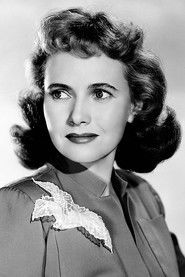 Teresa WrightEllen
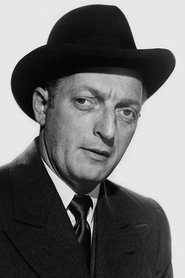 Everett SloaneDr. Brock
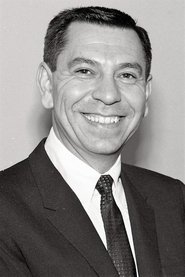 Jack WebbNorm
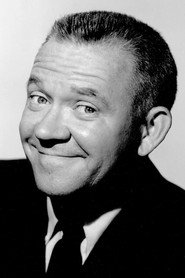
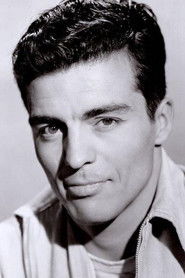 Arthur JuradoAngel
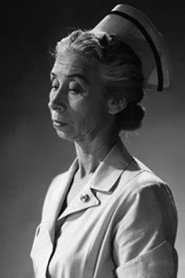 Virginia FarmerNurse Robbins
 Dorothy TreeEllen's Mother
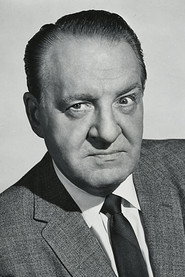 Howard St. JohnEllen's Father
 Nita HunterDolores
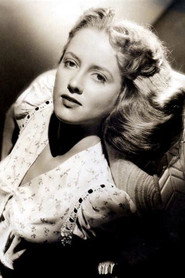 Patricia JoinerLaverne
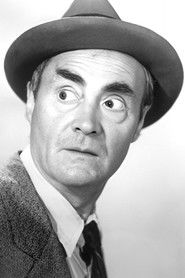 John 'Skins' MillerMr. Doolin
Directing
- Lloyd RichardsAssistant Director
- Fred ZinnemannDirector
Writing
- Carl ForemanScreenplay
- Carl ForemanStory
Production
- George GlassAssociate Producer
- Stanley KramerProducer
- Clem BeauchampProduction Manager
Recommended by
Pride of the Marines, The Stratton Story, Bright Victory, The Hasty Heart