
Film
The Hasty Heart
A 1949 war drama set in a Burma MASH unit as WWII ends. A wounded Scottish corporal, bitter about his injuries, slowly bonds with a nurse and fellow soldiers who refuse to abandon him. Quiet, humane, and surprisingly moving—a film about how small kindnesses reshape a broken man, told without melodrama or propaganda.
If you liked this
The Best Years of Our Lives1946
Three wounded veterans return home to small-town America and struggle to rebuild their lives. Like The Hasty Heart, it finds profound humanity in the aftermath of war, showing how trauma reshapes identity and community.
But At three and a half hours, it demands patience. The emotional weight is relentless—there's no levity to rest on.

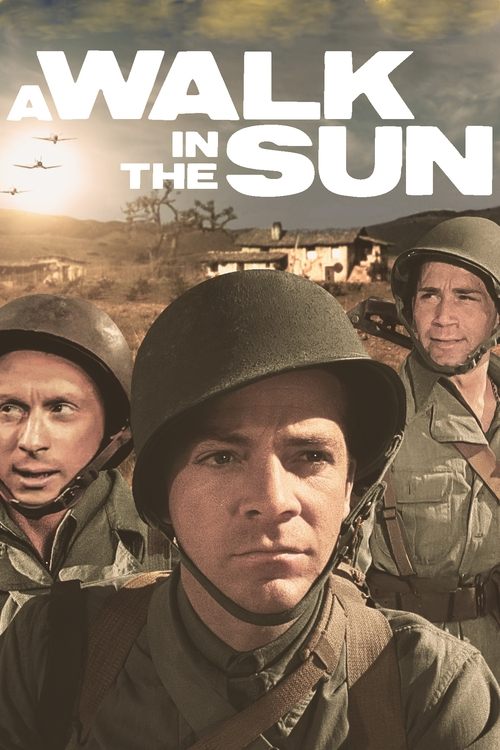
A Walk in the Sun1945
One day in the life of a squad moving inland after landing in Italy. Intimate, character-driven war cinema that prioritizes the soldier's inner life over action. The camaraderie echoes through every frame.
But Very little happens militarily. If you want spectacle or clear narrative momentum, you'll be disappointed.
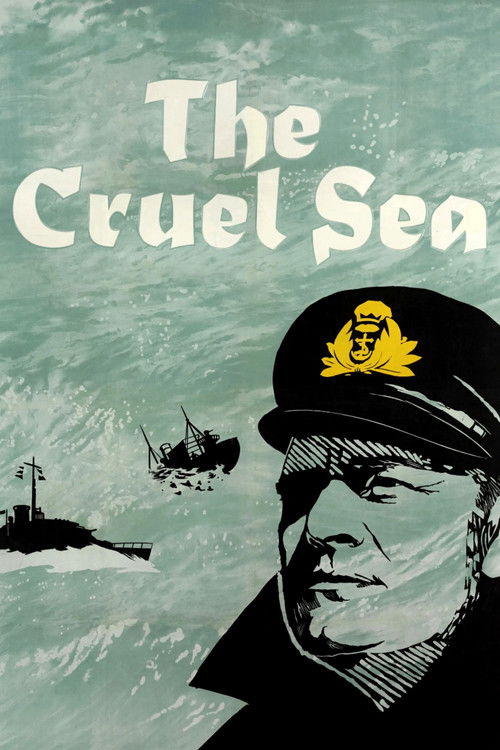
The Cruel Sea1953
A British naval corvette battles the Atlantic and German U-boats across five years. Explores how men endure together, how bonds form under pressure, and how war wears away at humanity—all with that same unsentimental grace.
But Deliberately paced and often bleak. The focus is on routine and exhaustion, not heroism.
Not sure tonight? Get a pick in a minute, starting from The Hasty Heart
The wildcard
Something you would not have found on your own.
Brief Encounter1945
Both films argue that the deepest human moments are quiet ones—a nurse's hand on a soldier's shoulder, a glance across a café table—and that restraint can contain more feeling than any declaration.
A man and woman meet by chance and fall quietly in love, then part forever. Noël Coward's meditation on tenderness and restraint—two people finding grace in a moment they can't keep. Patricia Neal's performance in The Hasty Heart carries this same ache.
But Nothing happens. It's a film about feeling, not action. If emotional subtlety leaves you cold, it won't move you.

More like this (8)
Ikiru1952
A Japanese bureaucrat dying of cancer searches for meaning in a life of quiet duty. The emotional architecture parallels The Hasty Heart—a man learning to live through connection with others, finding grace in small gestures.
But It's in Japanese, and the pacing is meditative. Not a film that rushes toward catharsis.

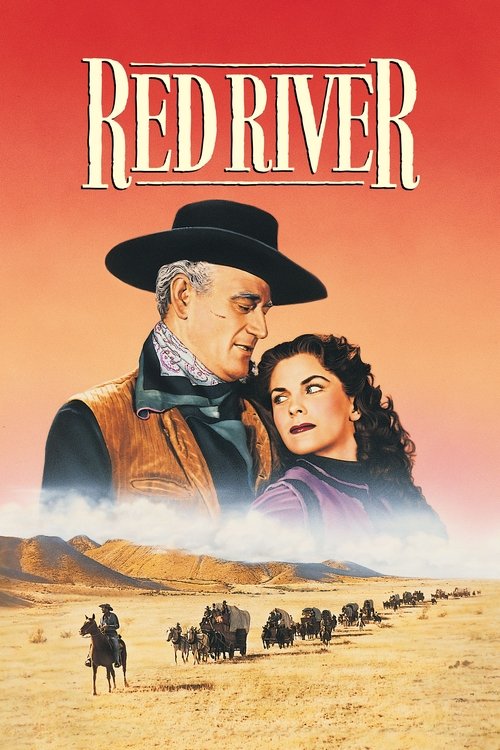
Red River1948
John Wayne and Montgomery Clift on a cattle drive, their bond fracturing under pressure. Character-driven western with the same focus on masculine vulnerability and the violence that pride inflicts on relationships.
But Wayne's role is surprisingly cold and unsympathetic. If you want him as hero, this subverts that entirely.
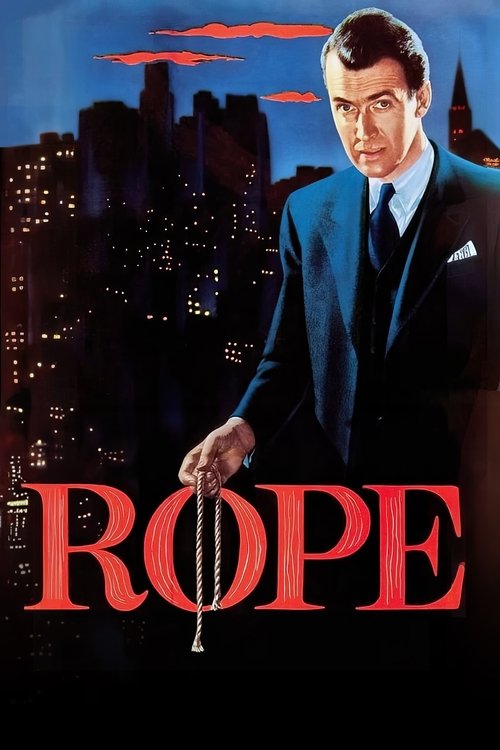
Rope1948
Two men murder a friend and host a dinner party above the body. Hitchcock's chamber piece about the intimacy between killers mirrors the enforced closeness of the MASH unit, though with dread instead of tenderness.
But Shot in real-time with minimal editing. The constraint becomes claustrophobic—some find it mannered rather than gripping.
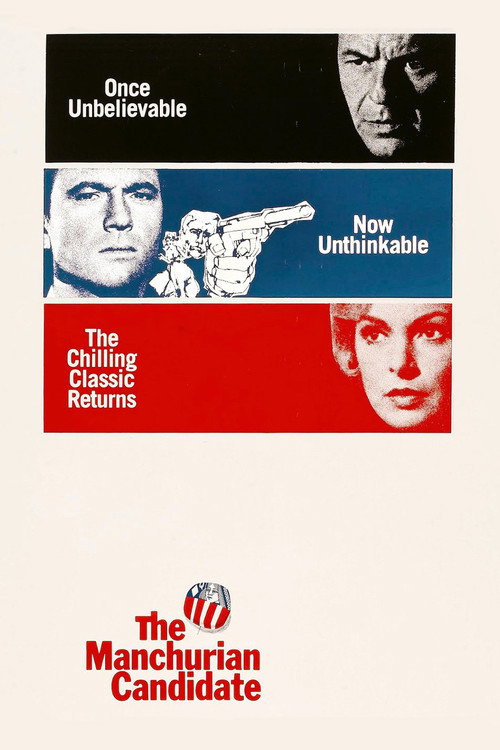
The Manchurian Candidate1962
A Korean War veteran returns home brainwashed, his platoon complicit in a conspiracy. Explores how war damage ripples through peacetime, and how soldiers are bound by shared trauma whether they want to be or not.
But A political thriller that can feel dated now, and the tonal shifts between noir and satire aren't always comfortable.
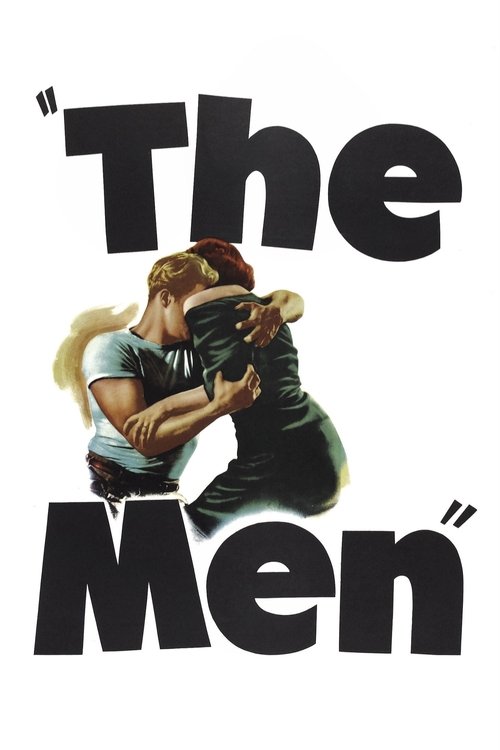
The Men1950
Marlon Brando as a paraplegic soldier learning to live after spinal injury. Shot in a real hospital with real disabled actors, it's unflinching about disability and dependence, finding dignity without sentiment.
But The first half is almost unbearably uncomfortable. It doesn't soften the experience of loss.
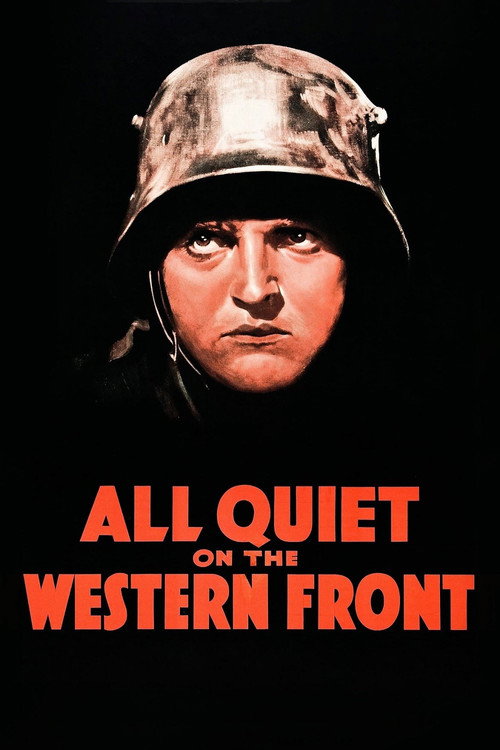
All Quiet on the Western Front1930
German soldiers in the trenches of WWI, gradually destroyed by a war they don't understand. The foundational anti-war film—bleak, honest, and deeply human in the way The Hasty Heart aspires to be.
But Silent film style takes adjustment. The philosophical weight can tip into heaviness.
The Third Man1949
Both made in 1949, both set in the rubble of WWII's end, both asking: what do we owe each other when everything's broken? But where The Hasty Heart finds humanity through kindness, this finds it through corruption and compromise.
Post-war Vienna, black market intrigue, a friendship tested by betrayal. Shot in fractured angles and shadow, it captures the moral ambiguity of men trying to survive after war—loyalty, complicity, and the cost of looking away.
But Noir style and cynical tone. If you want warmth or clear heroes, this offers neither.

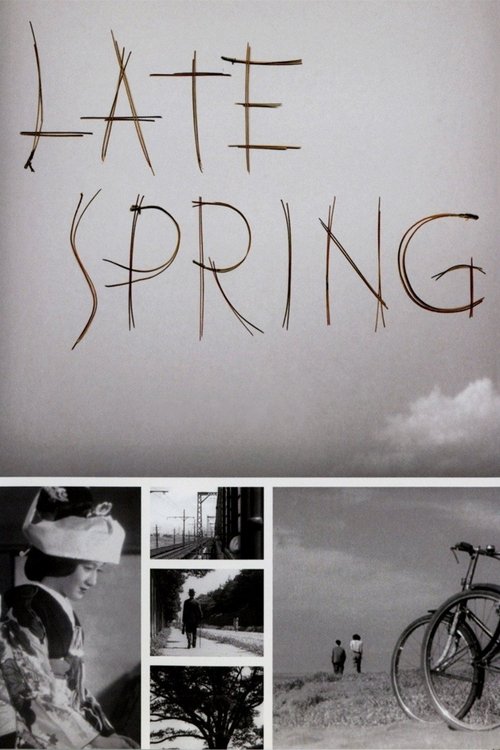
Late Spring1949
Made the same year, in a completely different film tradition, asking the same question: How do we stay human? Ozu's answer is the same as The Hasty Heart's—through patience, presence, and accepting that some wounds don't heal, they just become bearable.
An elderly Japanese widower and his daughter live in gentle rhythm until duty intrudes. Ozu's camera barely moves; the film is almost nothing but people in rooms. Yet it contains the entire emotional truth of The Hasty Heart—love expressed through small rituals, grief without words.
But If you want plot or character change, you won't find it. The film trusts silence and repetition to do the work.
People
Cast
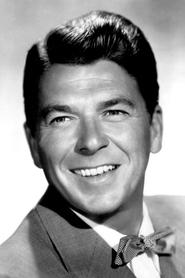 Ronald ReaganYank
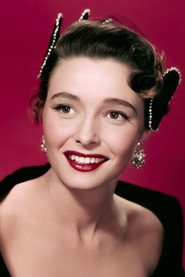 Patricia NealSister Margaret Parker
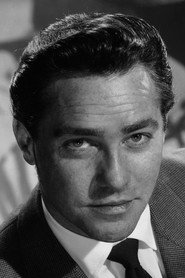 Richard ToddCpl. Lachlan "Lachie" MacLachlan
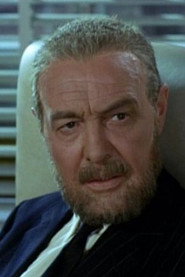 Anthony NichollsLt. Col. Dunn
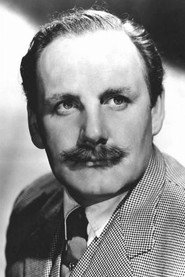
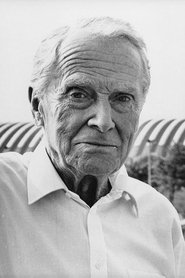 Ralph MichaelKiwi
- John ShermanDigger
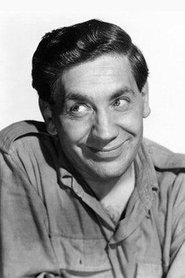 Alfie BassOrderly
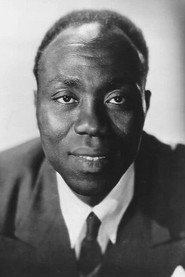 Orlando MartinsBlossom
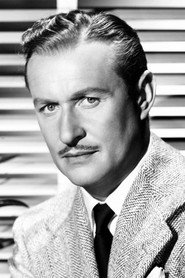 Robert DouglasNarrator (voice) (uncredited)
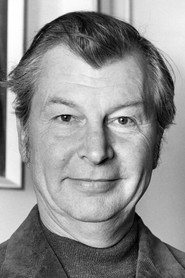 Clive DunnMacDougall (uncredited)
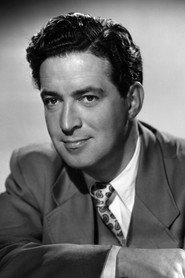 John GregsonRecruit in Jungle (uncredited)
Directing
- Vincent ShermanDirector
Writing
- Ranald MacDougallScreenplay
- John PatrickTheatre Play
Production
- Robert ClarkExecutive Producer
- Gerry MitchellProduction Manager
Recommended by
Androcles and the Lion, Fanny by Gaslight, The Years Between