
Film
Home of the Brave
A 1949 war drama about four soldiers—one Black, three white—on a dangerous reconnaissance mission in the Pacific, structured around a psychiatrist's sessions with the traumatized survivor. It's direct and unflinching about racism within the military and at home, using the immediacy of combat to strip away pretense. Essential viewing for anyone interested in how American cinema first confronted systemic racism.
If you liked this
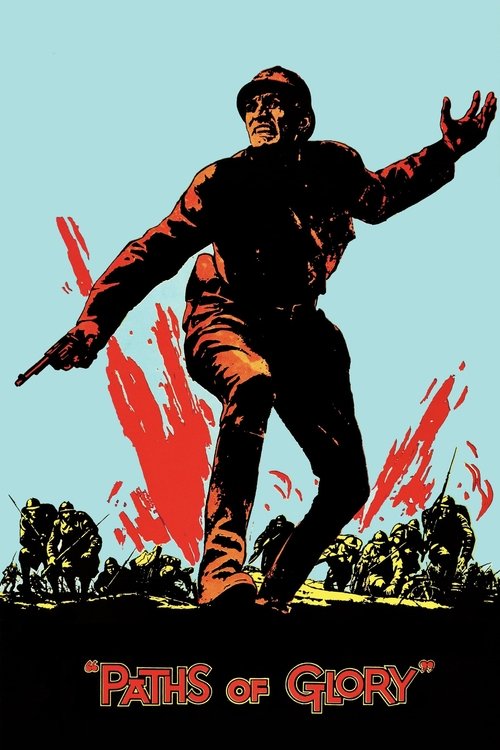
Paths of Glory1957
Kubrick's brutal examination of military injustice and class hierarchy in WWI. Like Home of the Brave, it uses a specific crisis to expose institutional cruelty and moral compromise. The courtroom sequence is devastating.
But Black-and-white, deliberately paced, more concerned with ideas than spectacle. Some find its bleakness exhausting rather than clarifying.
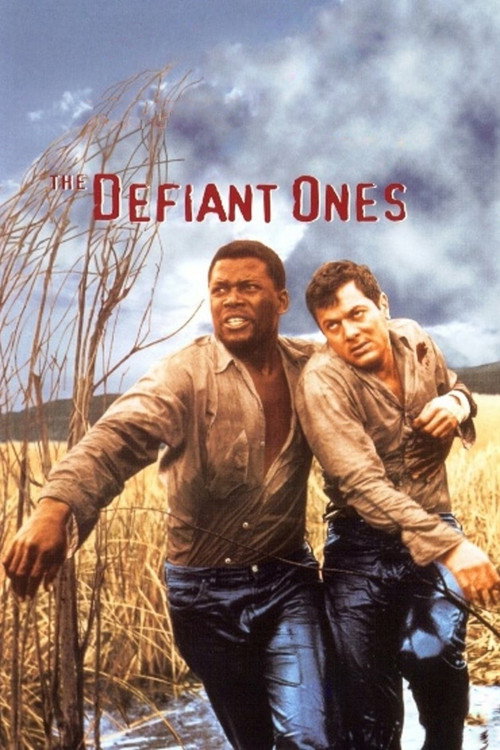
The Defiant Ones1958
Sidney Poitier and Tony Curtis chained together, forced to confront racism through proximity and necessity. It has Home of the Brave's urgency about race in America, but adds dark comedy and genuine affection between the leads.
But The central premise—a Black man and white man literally bound together—can feel schematic or heavy-handed to modern viewers. Some moments play as earnest rather than subtle.
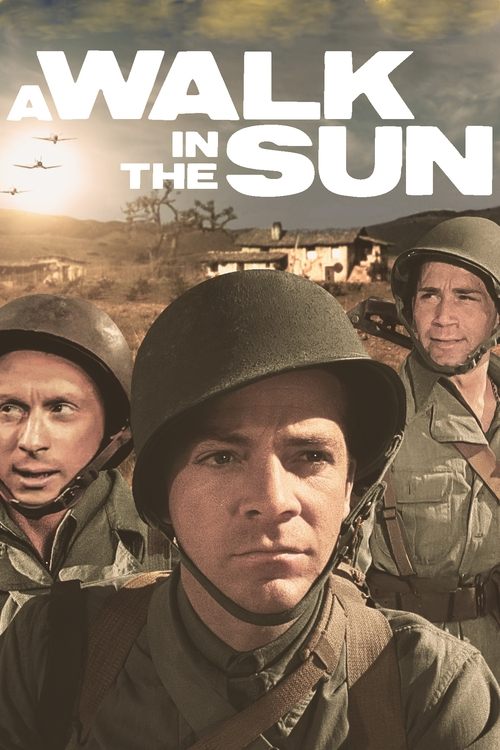
A Walk in the Sun1945
A small-unit war film with psychological depth, following soldiers through a single day in Italy. It shares Home of the Brave's interest in how ordinary men fracture under pressure and how group dynamics matter as much as tactics.
But Slower than typical war movies, more interested in talk than action. The deliberately theatrical style takes adjustment. Few viewers know it exists.
Not sure tonight? Get a pick in a minute, starting from Home of the Brave
The wildcard
Something you would not have found on your own.
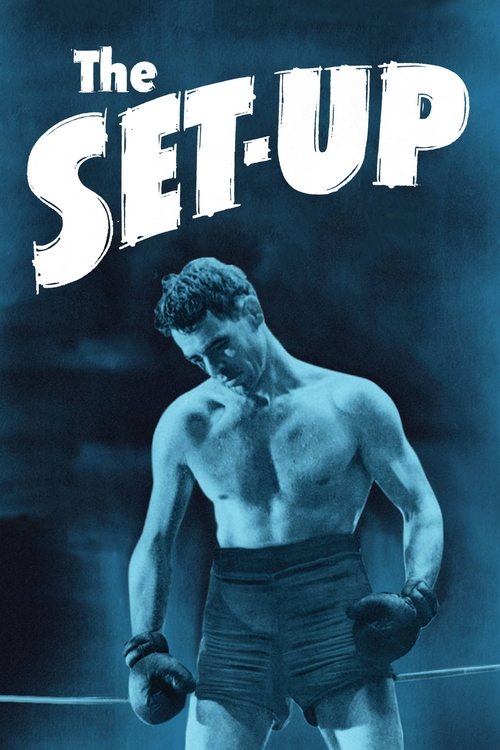
The Set-Up1949
Both films use a specific crisis—a mission, a fight—to strip away social pretense and expose what men actually are. Both trust the audience to sit with discomfort rather than resolve it with reassurance.
Robert Ryan as a washed-up boxer in a single night of violence and betrayal. Shot in real-time with no dissolves, it has Home of the Brave's unflinching examination of ordinary men discovering what they're truly capable of. It's a boxing film that's really about integrity and complicity.
But It's brutal and claustrophobic, almost experimental in its real-time structure. The boxing scenes aren't thrilling spectacle; they're grim and repetitive, which some find punishing rather than powerful.
More like this (7)
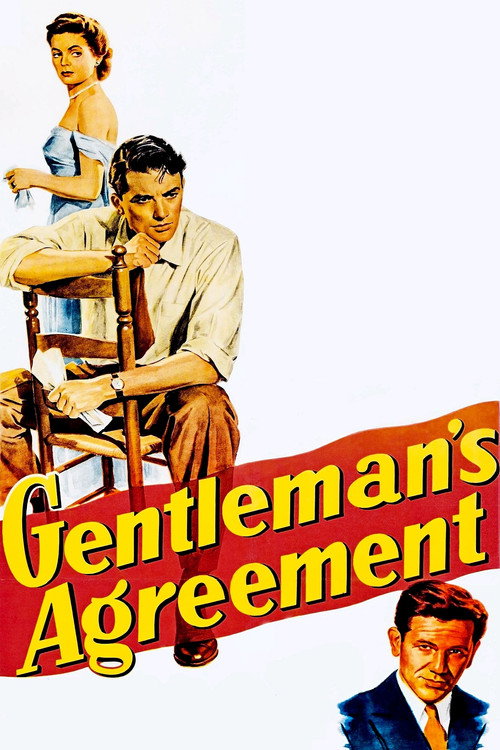
Gentleman's Agreement1947
Gregory Peck infiltrates high society by posing as Jewish to investigate antisemitism. It's contemporaneous with Home of the Brave and tackles prejudice with the same directness, but aims at a broader, more comfortable audience.
But The solution feels too neat, the villains too obviously wrong. It works as a message picture but lacks the moral ambiguity that makes Home of the Brave still sting.
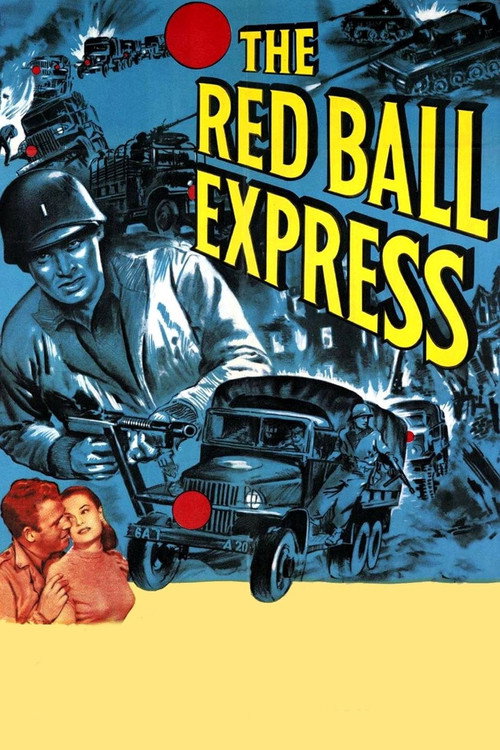
The Red Ball Express1952
An ensemble war film about the integrated truck unit that supplied Patton's army. More action-driven than Home of the Brave but equally committed to showing Black soldiers' experiences without exoneration or apology.
But The plot is baggy and melodramatic. It tries to do too much—combat, racism, romance—and doesn't do any of it with real sophistication or depth.
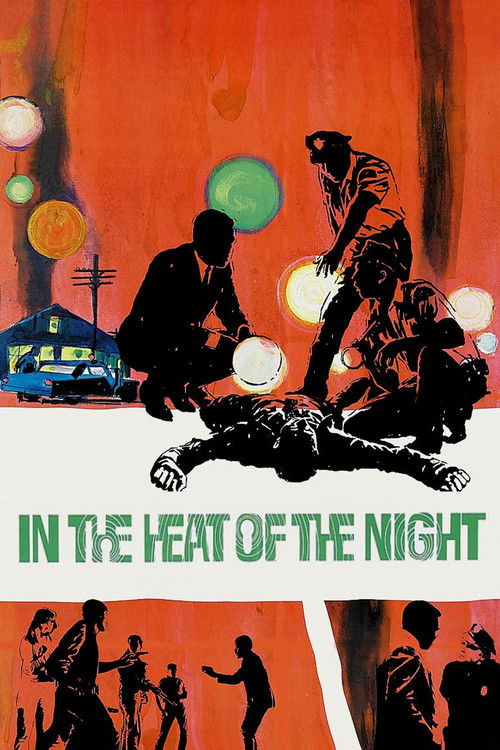
In the Heat of the Night1967
Poitier and Rod Steiger as detective and sheriff solving a murder in the segregated South. It inherits Home of the Brave's interest in forced proximity and the possibility of mutual respect despite systemic hatred, but updates the stakes.
But The slap heard round the world overshadows everything else. Some see it as the moment cinema decided to validate Black dignity through white validation, which is its own problem.
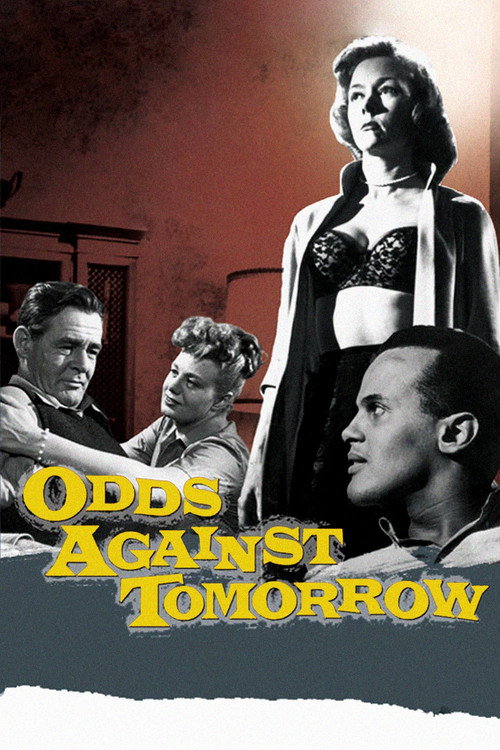
Odds Against Tomorrow1959
A heist film starring Harry Belafonte and Robert Ryan as criminals forced to work together. It's oblique about race—the tension is economic and criminal rather than explicitly racial—which makes it stranger and more modern than direct message pictures.
But The heist plot is less interesting than the racial dynamic, so it frustrates as a thriller. The ending feels imposed from outside the story rather than earned from it.
The Best Years of Our Lives1946
Three servicemen return home from WWII and discover America hasn't changed to match what they've become. It's less directly about racism than Home of the Brave but shares the core insight: the war abroad exposes the moral reckoning waiting at home.
But At nearly four hours, it demands real attention. Some subplots feel dated or sentimental. The racial dimensions are implicit rather than named, which some find evasive.

Come and See1985
Both films understand that trauma is the truest measure of moral reality. Both refuse the comfort of heroism or redemption. Both suggest that bearing witness—to racism, to atrocity—is itself a form of wound.
A Soviet war film following a boy soldier through the Nazi invasion of Belarus. It's the most uncompromising depiction of war's moral annihilation ever filmed. Like Home of the Brave, it refuses to let the audience feel safe or superior; it implicates everyone.
But It's genuinely difficult to watch—not for violence alone but for what violence does to the soul. The final sequence is theologically bleak. Many viewers find it unbearable rather than clarifying.

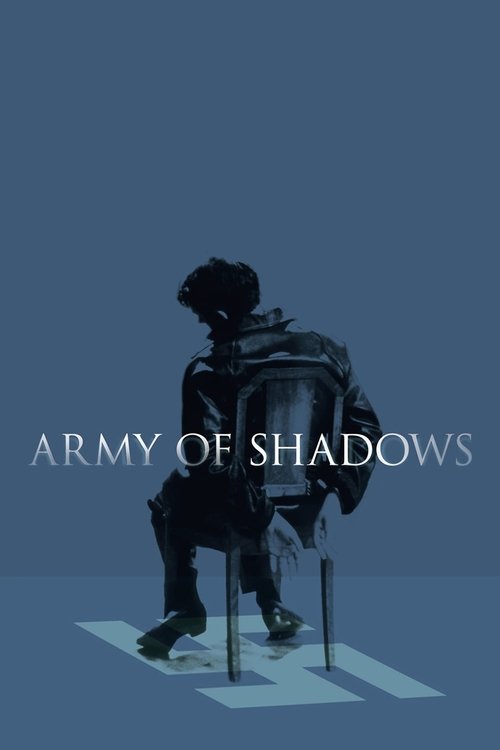
Army of Shadows1969
Both films use ensemble casts and physical danger to explore how ordinary people navigate impossible moral terrain. Both suggest that survival and integrity may be irreconcilable. Both trust viewers to sit with that tension.
Melville's French Resistance film is a masterpiece of moral ambiguity: men and women fighting fascism who must themselves become ruthless to survive. It shares Home of the Brave's interest in how crisis reveals character, but extends it across an entire political system rather than a single mission.
But Slow, French, from 1969, and interested in nuance rather than clarity. If you want answers about right and wrong, this film will frustrate you. It's about the impossibility of clean choices.
People
Cast
 Jeff CoreyDoctor
 James EdwardsPrivate Peter Moss
 Lloyd BridgesFinch
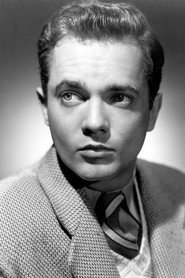 Douglas DickMajor Robinson
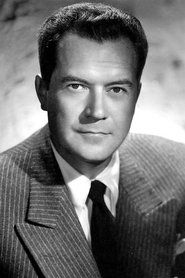 Frank LovejoySergeant Mingo
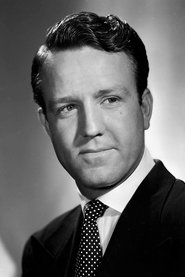 Steve BrodieT.J. Everett
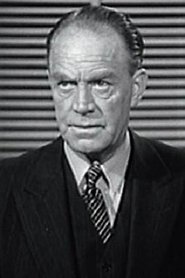 Cliff ClarkColonel Baker
Directing
- Ivan VolkmanAssistant Director
- Mark RobsonDirector
Writing
- Arthur LaurentsWriter
- Carl ForemanWriter
Production
- Robert StillmanAssociate Producer
- Stanley KramerProducer
- Clem BeauchampProduction Manager