
Film
Army of Shadows
Jean-Pierre Melville's 1969 Resistance drama is cold, patient, and almost entirely without heroics — men and women doing exhausting, secretive work under constant threat of betrayal, shot in near-monochrome blues and greys. It trades suspense set-pieces for procedure and dread, more interested in the loneliness of clandestine life than in triumph. For anyone who wants occupation drama stripped of myth-making, this is it.
If you liked this
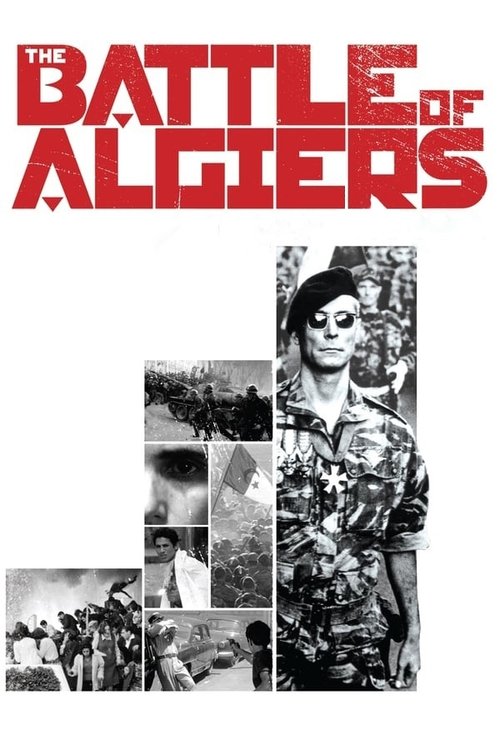
The Battle of Algiers1966
Pontecorvo's newsreel-style depiction of insurgency and counter-insurgency shares Army of Shadows' cold, procedural gaze at clandestine resistance — the same tradecraft, the same moral fog, delivered with documentary urgency.
But Its neorealist grain and lack of a conventional score can feel austere; if you want catharsis rather than a history lesson, it offers little comfort.
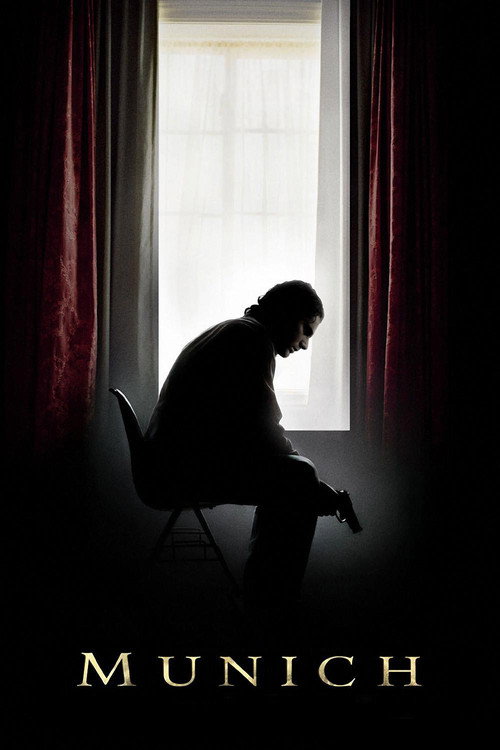
Munich2005
Spielberg strips away the usual spy-thriller polish to ask what political violence costs the people who carry it out — paranoia, exhaustion, doubt, exactly the terrain Melville maps in occupied France.
But The action beats are more conventional than Melville's, and some will find its handwringing about morality a little on-the-nose.
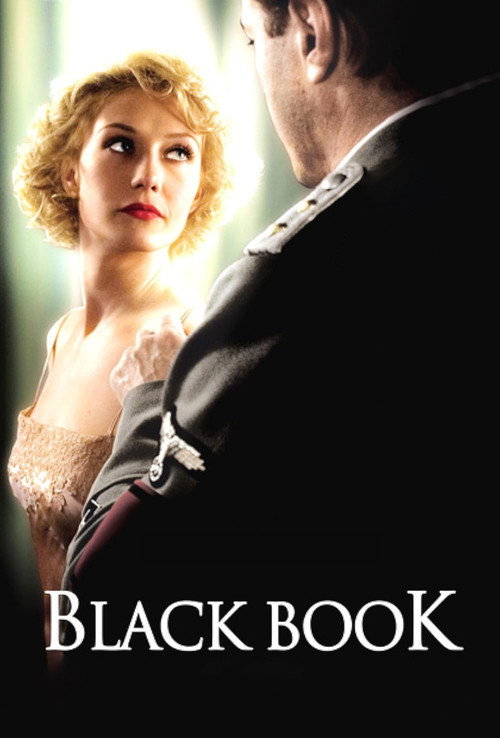
Black Book2006
Verhoeven's Dutch resistance thriller trades Melville's grey restraint for lurid colour and sudden brutality, but keeps the same insight — that occupation turns everyone, hero and traitor alike, into an actor.
But It's pulpier and more explicit than Army of Shadows, with a plot that occasionally tips into melodrama.
The wildcard
Something you would not have found on your own.
The Silence of the Sea1949no page yet
Same director, made two decades before Army of Shadows, showing where his obsession with quiet, disciplined resistance began — before the war stories got bigger, this was the whole idea in miniature.
Melville's first film, made on almost no money, reduces resistance to its quietest possible form — a French officer refusing to speak to the German soldier billeted in his house.
But Nothing happens in the way a thriller trains you to expect; it's a chamber piece, not a plot, and some will find it too static.
More like this (7)
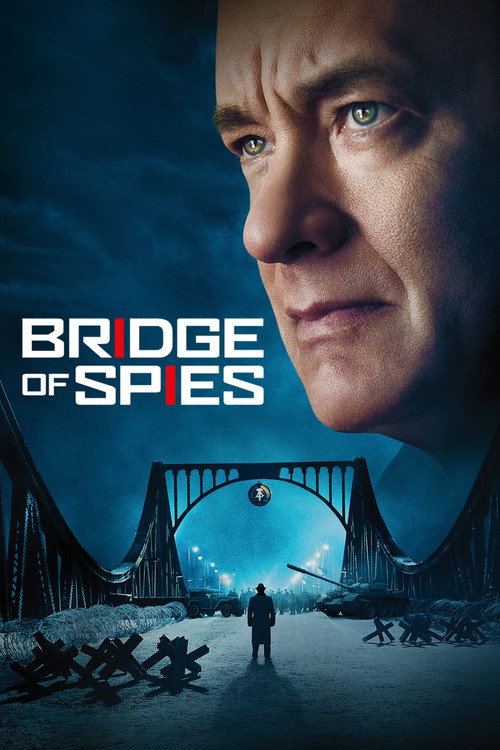
Bridge of Spies2015
A quieter, more optimistic cousin — Cold War tradecraft, patient negotiation, the loneliness of doing the right thing when no one's watching. Spielberg and Hanks make bureaucratic courage genuinely gripping.
But It's warmer and more hopeful than Melville ever allows himself to be; the stakes feel lower, the ending kinder.
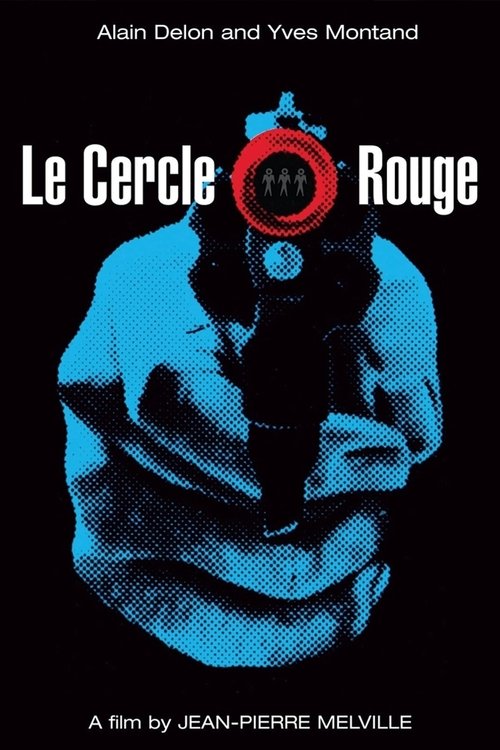
Le Cercle Rouge1970
Melville again, minus the war — the same icy compositions, the same doomed professionals moving through Paris at night, only this time it's a heist instead of a resistance cell.
But It's a crime film first, with none of the historical weight; if it was the politics you came for, this trades that for pure genre pleasure.
Charlotte Gray2001no page yet
A more conventional, romantic take on the same world — an SOE agent parachuted into occupied France, navigating betrayal and grief, anchored by real feeling from Cate Blanchett.
But It's softer and more sentimental than Melville's clinical approach, closer to a wartime romance than a study of tradecraft.
Days of Glory2006no page yet
Shifts the lens to North African soldiers fighting for a France that barely acknowledges them — the same theme of unglamorous sacrifice, in a different corner of the war entirely.
But It's a more straightforward combat film, less about the machinery of resistance than about soldiers on the front line.
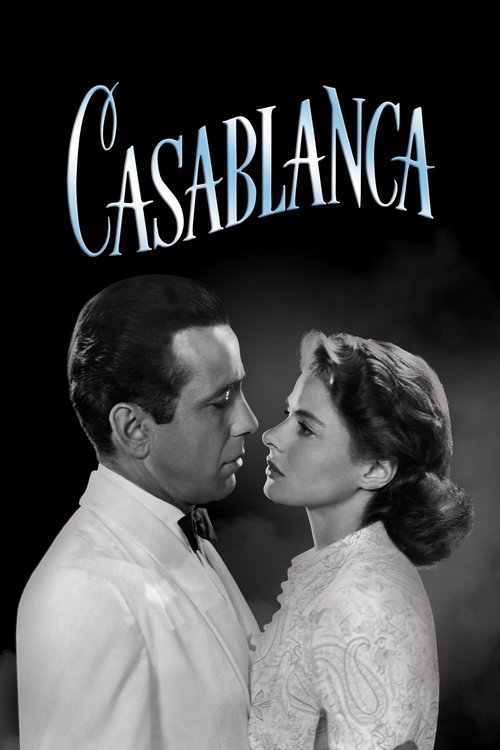
Casablanca1943
The Resistance as old Hollywood imagined it while the war was still being fought — romantic, witty, but with real longing underneath. Worth seeing where the mythology started.
But Its glamour and one-liners are the polar opposite of Melville's austerity; if you want grit, this will feel like a fairy tale.
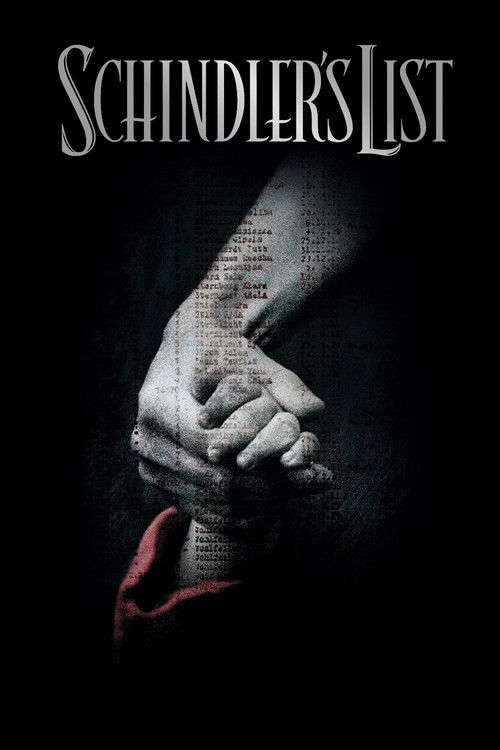
Schindler's List1993
Not about the Resistance, but the same era and the same moral arithmetic under occupation — what one person can and can't do against a machine built to kill.
But It's a different film in scope and intent, more explicitly about the Holocaust than clandestine warfare, and considerably more emotionally overwhelming.
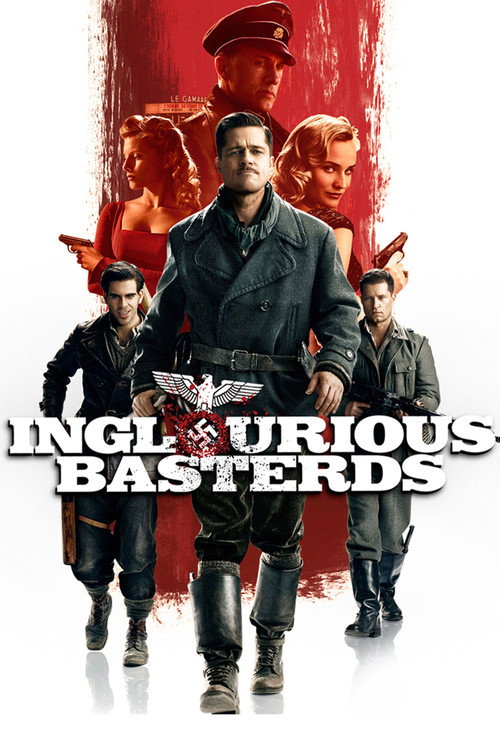
Inglourious Basterds2009
Same war, same country, same idea of hidden fighters working in the shadows — but swapped from Melville's fatalist realism into gleeful, cathartic fantasy, showing how differently the same story can be told.
Tarantino takes the exact same setting — occupied France, Nazis, people operating undercover — and detonates it into pulpy revenge fantasy. Watching it after Melville is like switching from a held breath to a scream.
But It's violent, jokey, and historically cavalier in ways Melville would never allow himself; if you found Army of Shadows moving because it was true, this may feel like a betrayal of that.
People
Cast
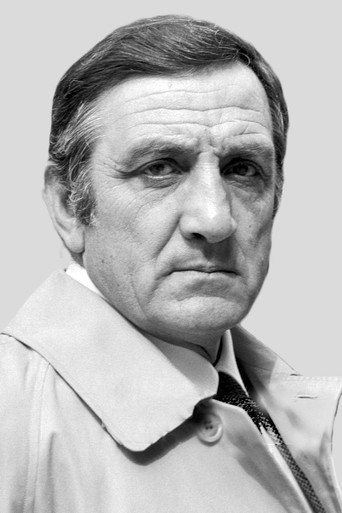 Lino VenturaPhilippe Gerbier
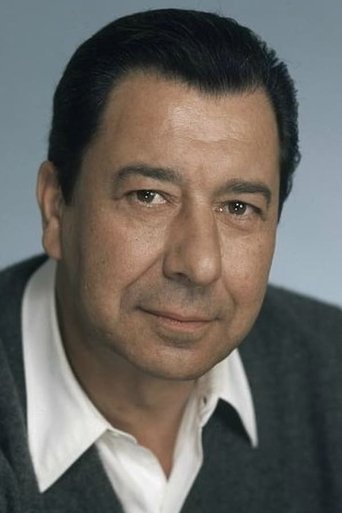 Paul MeurisseLuc Jardie
 Jean-Pierre CasselJean-François Jardie
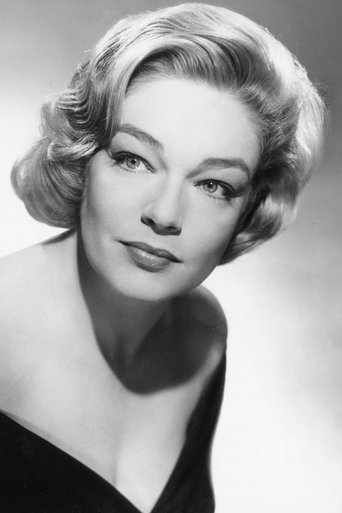 Simone SignoretMathilde
 Claude MannClaude Ullman / Le Masque
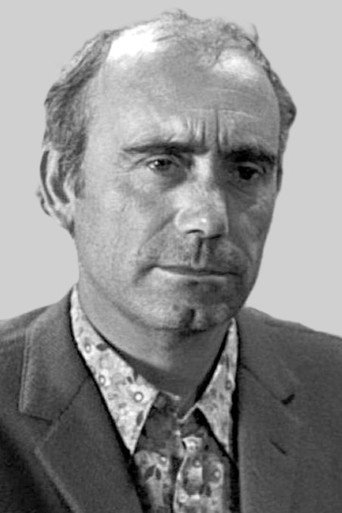 Paul CrauchetFélix Lepercq
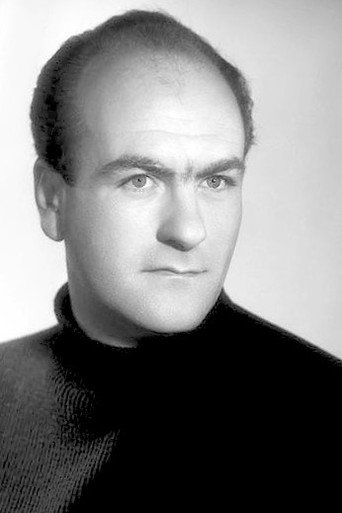 Christian BarbierGuillaume Vermesch / Le Bison
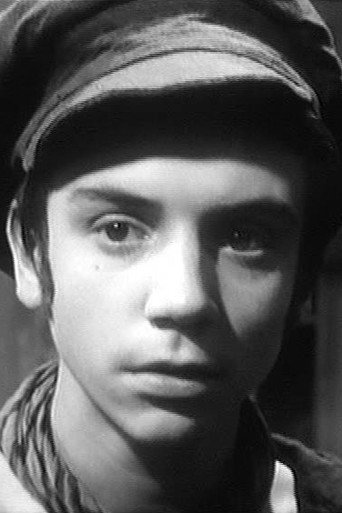 Alain DekokLegrain
 Alain LiboltPaul Dounat
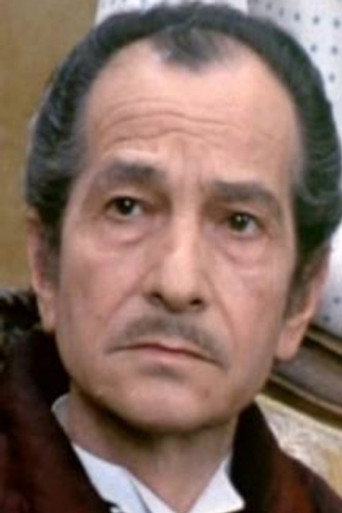 Jean-Marie RobainBaron de La Ferté-Talloires
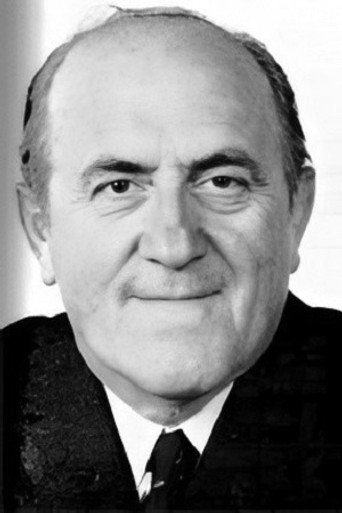 Albert MichelGendarme
 Georges SellierColonel Jarret du Plessis
Directing
- Jean-Pierre MelvilleDirector
Writing
- Joseph KesselNovel
- Jean-Pierre MelvilleScreenplay
Production
- Jacques DorfmannProducer
Recommended by
A Man Escaped, Valkyrie, Andor, The Battle of Algiers, Black Book, Au Revoir les Enfants, 'Allo 'Allo!, Rome, Open City, Star Wars: Rebels