
Film
Is Paris Burning?
A 1966 epic about the liberation of Paris in August 1944, weaving together the stories of German commanders, French Resistance fighters, and Allied soldiers. Directed by René Clément, it's a sweeping, ambitious war drama that moves between grand historical moments and intimate human choices. Engrossing for anyone drawn to WWII stories, though the sprawling ensemble cast requires patience.
If you liked this
The Battle of Algiers1966
A masterclass in depicting urban conflict and resistance movements. Made the same year as Paris Burning, it uses similar scale and documentary authenticity to explore colonialism and liberation—a perfect intellectual companion piece.
But Black-and-white, deliberately austere style. The film refuses to romanticize violence, which means it can feel didactic and emotionally distant to some viewers.

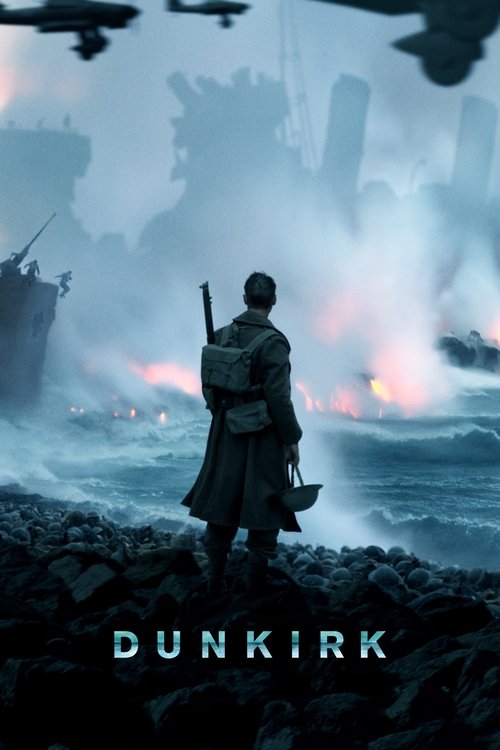
Dunkirk2017
Nolan's technical precision applied to a WWII evacuation gives you that same sense of historical stakes and interlocking perspectives. The non-linear structure keeps momentum high even at nearly the same runtime.
But Prioritizes spectacle and time-jumping over character depth. If you want to feel close to people rather than caught in events, this feels cold.
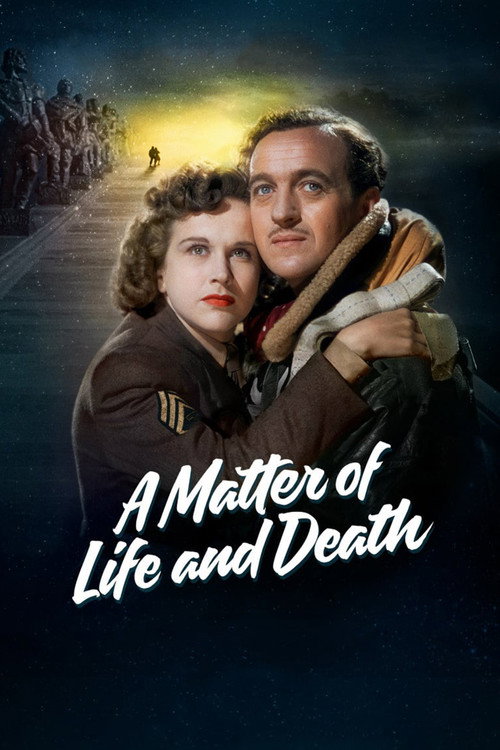
A Matter of Life and Death1946
Powell and Pressburger's colour-drenched meditation on sacrifice and choosing sides. Like Paris Burning, it grapples with what we owe to nations and ideals, but through metaphysics and love rather than action.
But Wildly theatrical and deliberately artificial. If you want grit and realism, this moves in the opposite direction entirely.
Not sure tonight? Get a pick in a minute, starting from Is Paris Burning?
The wildcard
Something you would not have found on your own.
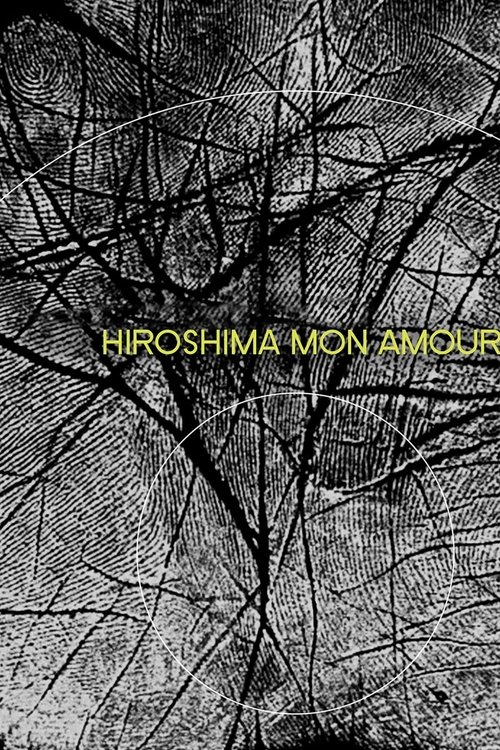
Hiroshima Mon Amour1959
Both films are monuments to what war takes from cities and the people who love them. But where Paris Burning reconstructs events, Hiroshima fragments memory—they're mirror images of each other.
Alain Resnais's fractured, poetic meditation on memory and occupation. Like Paris Burning, it grapples with a city destroyed by war, but through the oblique lens of two lovers whose pasts won't let them go. The form itself—jump cuts, voiceover, refusal to explain—enacts how trauma fragments time.
But Formally experimental and deliberately resistant to plot. Subtitles, Japanese cultural context, and the non-linear structure make it feel like homework to some, not cinema.
More like this (8)
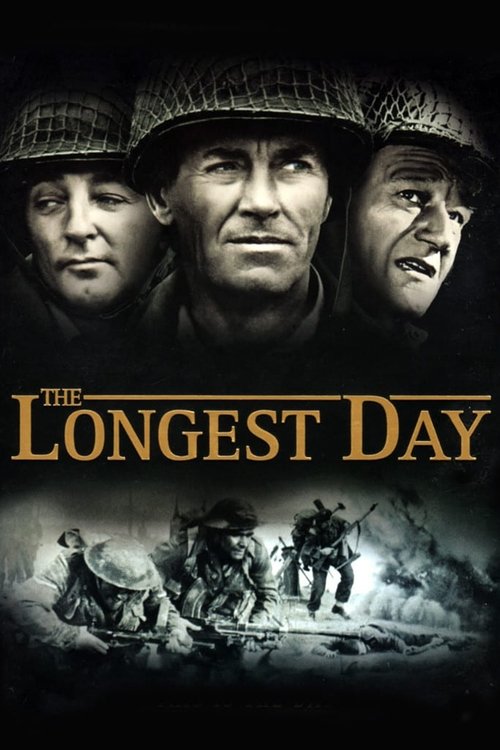
The Longest Day1962
The gold standard ensemble D-Day film, using a similar multi-perspective structure to Paris Burning. If you loved the scope and the weaving of stories, this is the film that perfected that technique.
But Three and a half hours of methodical reconstruction. Lacks psychological depth and treats characters as representative types rather than individuals.
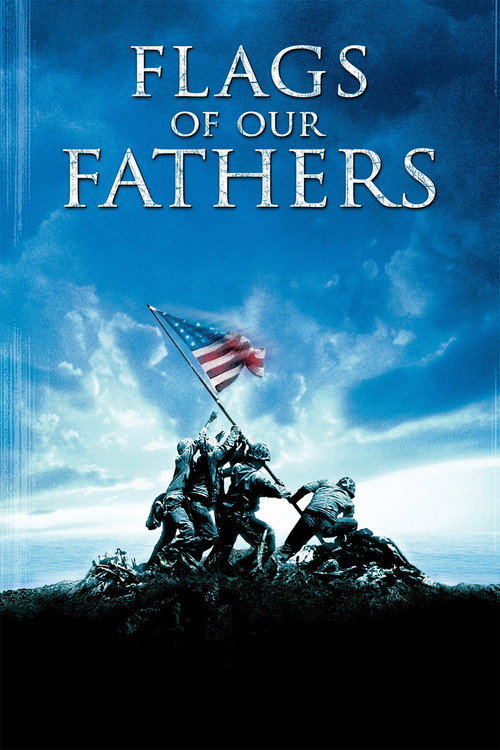
Flags of Our Fathers2006
Eastwood's dual narrative structure—flashing between battle and aftermath—explores how history gets written. It shares Paris Burning's interest in the gap between what happened and what we remember.
But Grimy, intentionally demoralizing look at American mythology. This isn't a film about heroism feeling good; it's about heroism being complicated and commodified.
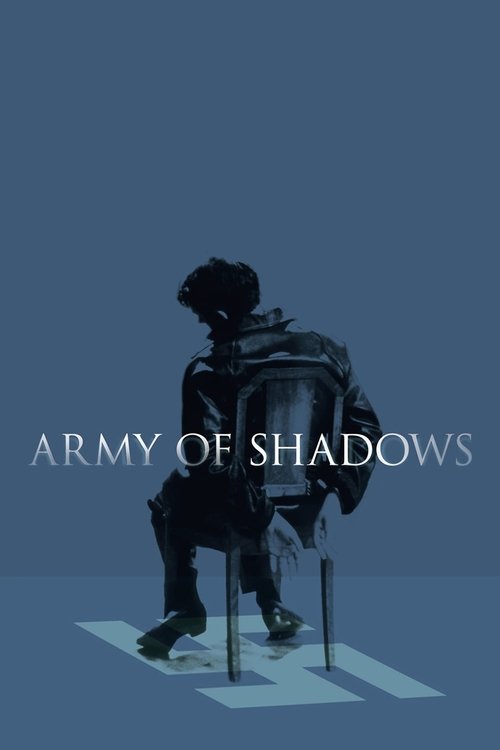
Army of Shadows1969
Melville's austere, shadowy take on the French Resistance. If you want to feel the paranoia and moral ambiguity that Paris Burning hints at, this dives much deeper into what resistance actually cost.
But Slow-burn and deliberately grey. No rousing speeches or clear victories—just the grinding logic of survival under occupation.
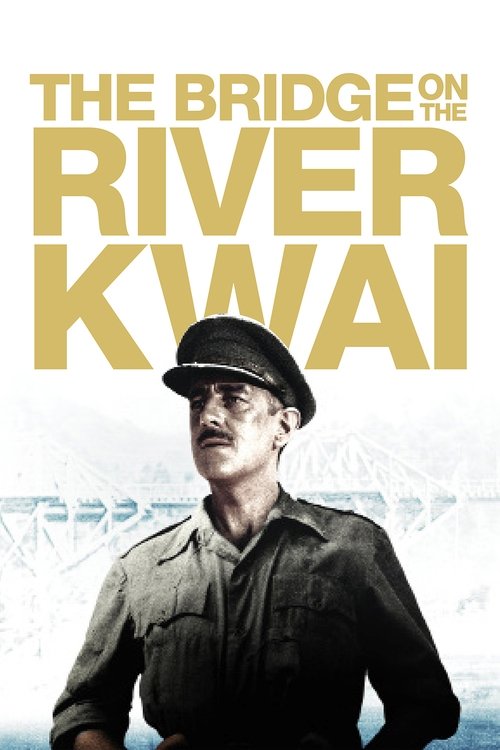
The Bridge on the River Kwai1957
David Lean's epic about duty, pride, and compromise under extreme circumstances. The central dilemma—when is obedience moral?—echoes through every frame, as does the ambitious scale and international cast.
But Focuses on individual psychology over the wider war. The historical liberties feel more like drama than documentary, which may frustrate you if accuracy matters.
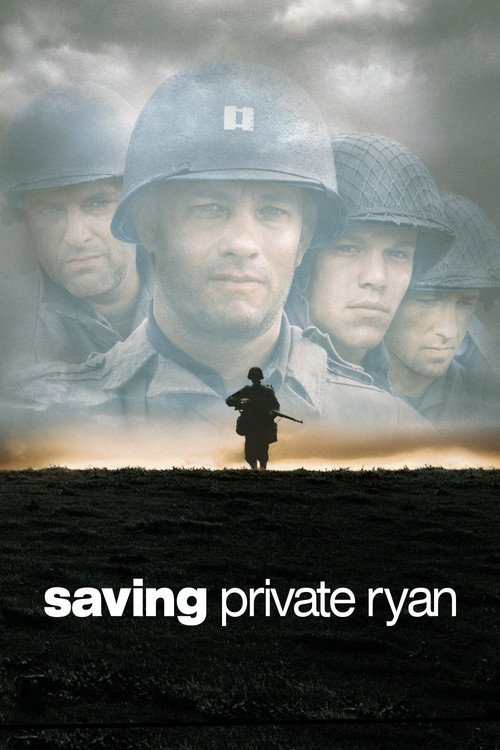
Saving Private Ryan1998
Spielberg's muscular, visceral approach to WWII combat. The opening hour redefines how war feels on screen; the rest grapples with purpose and loss in ways that complement Paris Burning's larger questions.
But The violence is graphic and relentless. Some find the tonal shift in the second half maudlin, or the mission itself contrived compared to the authenticity of the beach.
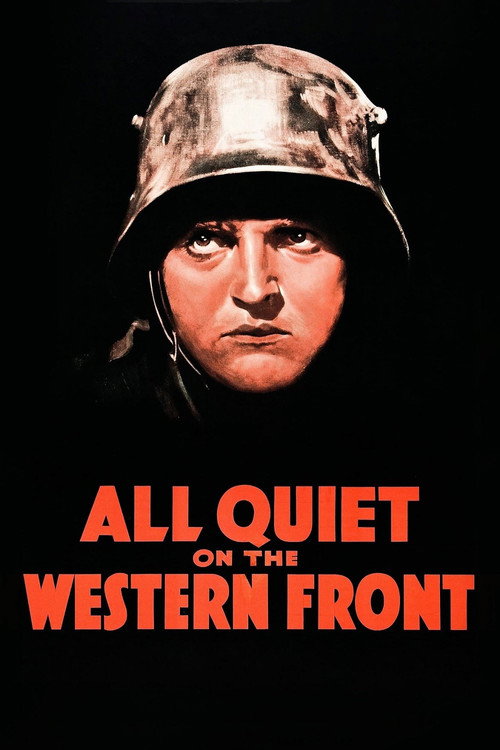
All Quiet on the Western Front1930
Remarque's anti-war masterpiece predates Paris Burning by decades but shares its conviction that war is structured tragedy. The perspective from the enlisted man gives you the human cost behind the historical gestures.
But WWI, not WWII, so the context is foreign to many. The 1930 version is silent-era melodrama in places; some will find it dated or overstated.
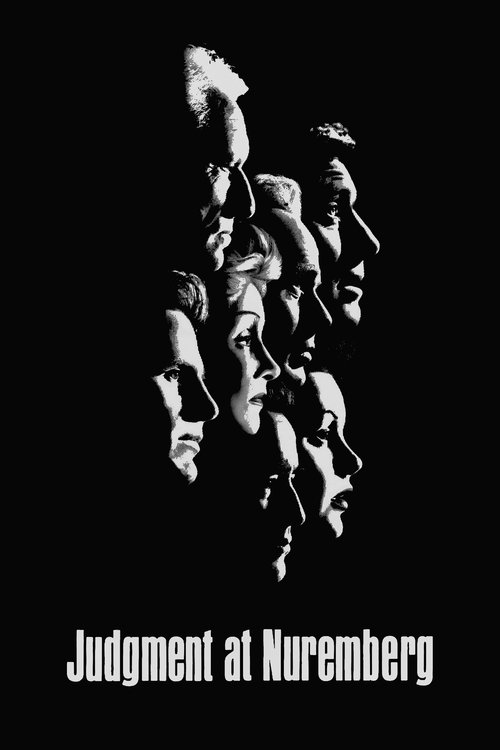
Judgment at Nuremberg1961
Both films are obsessed with the decisions of men in power during WWII. Where Paris Burning shows the moment of choice, Nuremberg examines the moral reckoning afterward.
Kramer's methodical courtroom drama about accountability and complicity. It asks the same questions as Paris Burning—what choice did ordinary Germans actually have?—but in a confined, juridical space that forces uncomfortable moral clarity.
But Painfully earnest and didactic. The courtroom format means long stretches of exposition and argument. No action, just talk about moral philosophy and guilt.
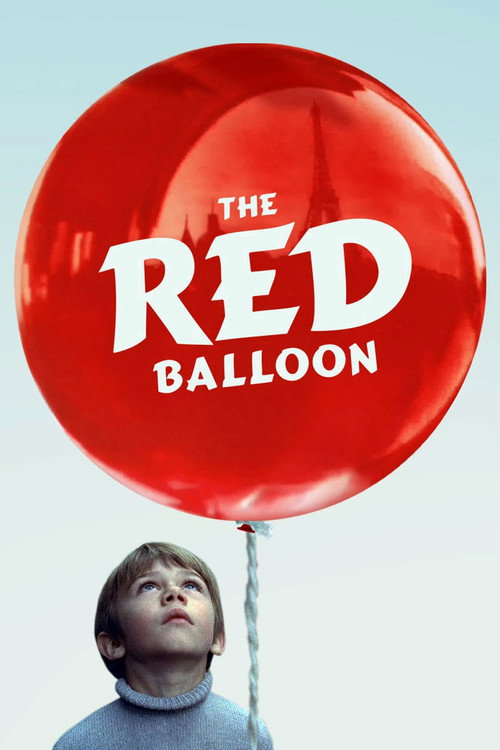
The Red Balloon1956
Both films love Paris itself as a character. But where Paris Burning shows a city liberated through heroism and sacrifice, The Red Balloon shows a city learning to be joyful again.
Albert Lamorisse's wordless, whimsical film about a boy and a balloon in post-war Paris. It's tender where Paris Burning is grand; it finds magic in the ordinary spaces of a recovering city. A palate cleanser that also serves as a grace note.
But Thirty-four minutes of children's cinema with almost no plot. If you want substance and drama, this will feel like a waste of evening.
People
Cast
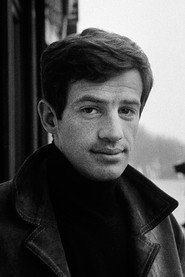 Jean-Paul BelmondoYvon Morandat
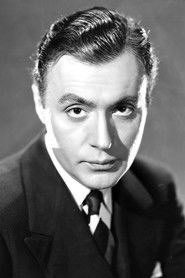 Charles BoyerDoctor Monod
 Leslie CaronFrançoise Labé
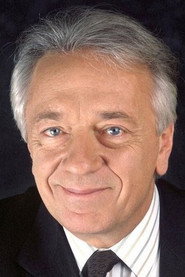 Jean-Pierre CasselLt. Henri Karcher
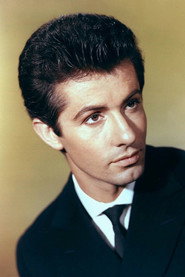 George ChakirisGI in Tank
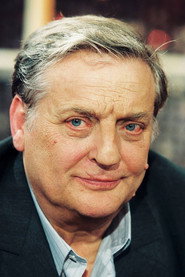 Bruno CremerColonel Rol Tanguy
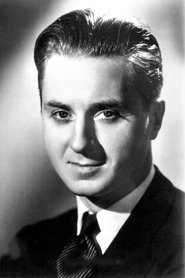 Claude DauphinColonel Lebel
 Alain DelonJacques Chaban-Delmas
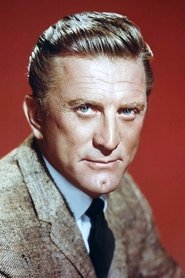 Kirk DouglasGeneral Patton
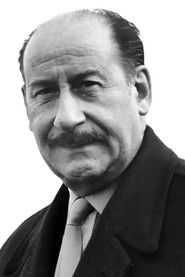 Pierre DuxCerat - Alexandre Parodi
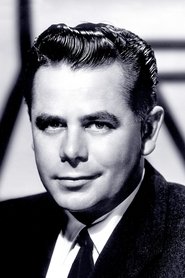 Glenn FordLt. Gen. Omar N. Bradley
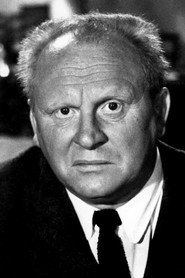 Gert FröbeVon Choltitz
Directing
- Christian SarramiaAssistant Director
- Michel WynAssistant Director
- Yves BoissetAssistant Director
- Yvette VéritéContinuity
- René ClémentDirector
- André SmaggheSecond Unit Director
Writing
- Dominique LaPierreOriginal Story
- Larry CollinsOriginal Story
- Francis Ford CoppolaScreenplay
- Gore VidalScreenplay
Production
- Paul GraetzProducer
- Louis WipfUnit Manager