
Film
The Longest Day
The Longest Day is an epic reconstruction of D-Day told from every angle—German, American, British, Canadian, French. Impossibly ambitious in scope, it weaves dozens of stories into a single vast narrative without losing the human scale. It's exhausting and exhilarating, the kind of war film that respects both sides and understands that history is made by ordinary people in extraordinary circumstances.
Should you watch it?
Watch it if you want the sweep of a whole invasion seen from many sides, the old-fashioned grandeur of an epic where logistics and small improvisations matter as much as heroics.
Skip it if you need a tight, character-driven war story, since this one moves briskly between dozens of commanders and soldiers and rarely stays with any single face for long.
What it asks of you: Close to three hours, a deliberate first stretch of planning and waiting before the action erupts, and a readiness to track many units at once.
Not sure? Find tonight's pick in a minute.
If you liked this
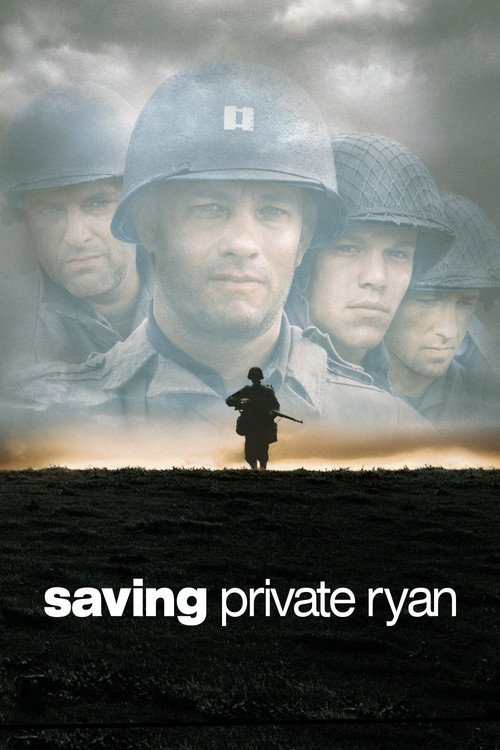
Saving Private Ryan1998
Spielberg's visceral, intimate account of the Omaha Beach landings and the mission that follows. If you loved The Longest Day's scale, this shows what modern filmmaking can do with a narrower focus and ferocious technical ambition.
But Extremely graphic violence in the opening thirty minutes; the film doesn't let you look away from what bodies do in combat.
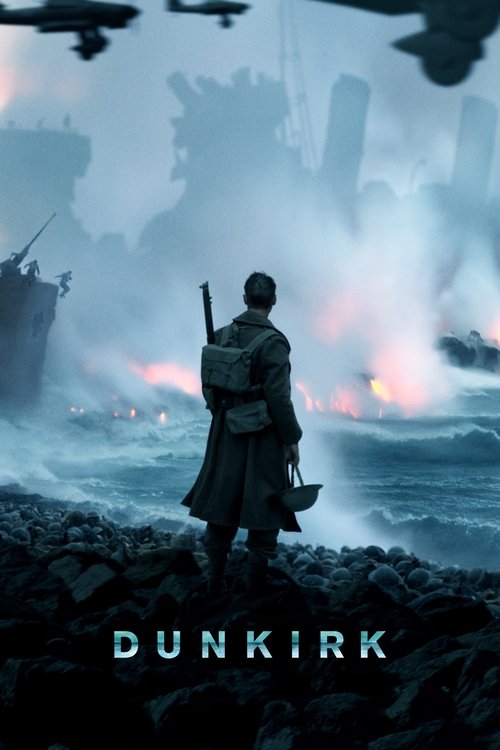
Dunkirk2017
Nolan fractures the Dunkirk evacuation across three timelines to create unbearable suspense from a historical event everyone knows the outcome of. Formally inventive, musically brilliant, fundamentally about the terror of being trapped.
But The fractured structure confuses some viewers; dialogue is often drowned by the score, which itself is relentless and exhausting by design.
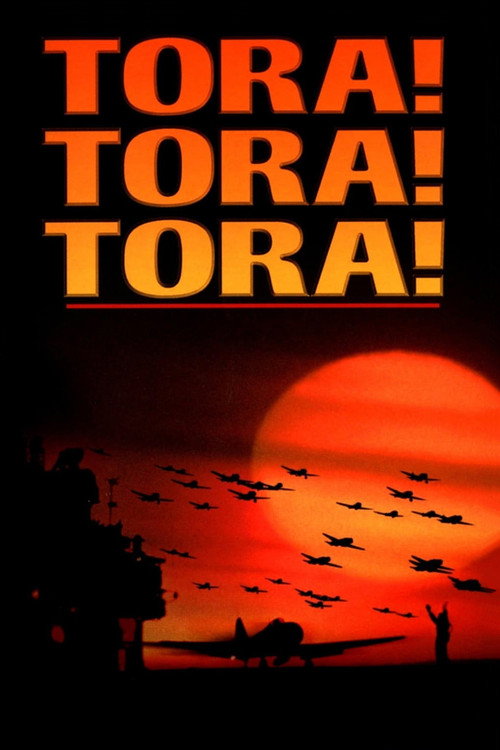
Tora! Tora! Tora!1970
Pearl Harbor from both the American and Japanese perspectives—the inverse of The Longest Day's approach, but the same commitment to showing both sides with equal seriousness and craft.
But Dated in places; the second half, focusing on American response rather than the attack itself, has less dramatic momentum than you'd want.
Not sure tonight? Get a pick in a minute, starting from The Longest Day
The wildcard
Something you would not have found on your own.
La Haine1995
Both films examine violence as a system rather than a series of individual moments; both understand that institutional power is what kills.
Three young men navigate 24 hours in a Paris suburb. It looks at systemic violence, class, and the casual brutality of power structures—the same territory The Longest Day covers, but refracted through contemporary France and shot in black and white with formal brilliance.
But In French with subtitles; the tone is bleak and the violence is sudden and unsentimental. It won't feel like a war film at first, but it is one.

More like this (7)
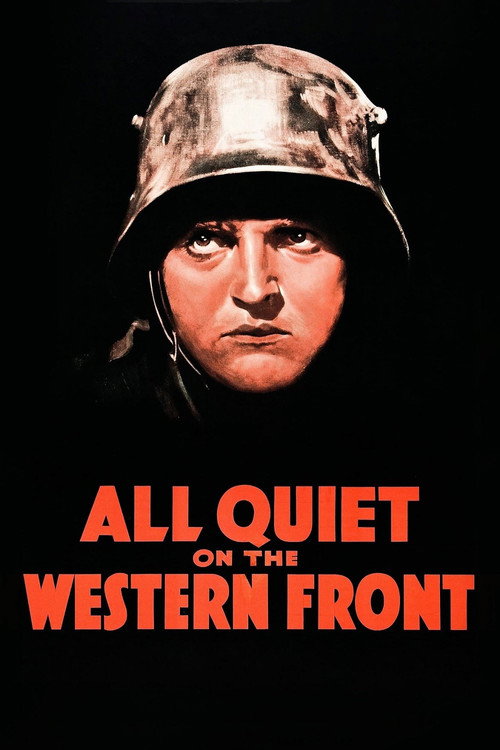
All Quiet on the Western Front1930
The original masterpiece about trench warfare, made while the survivors were still alive. Its rage and grief are unfiltered; watch it to understand why The Longest Day's scale matters—because individual deaths add up to history.
But Black and white, silent-era pacing, and brutally relentless in its pessimism. It will devastate you more than entertain you.
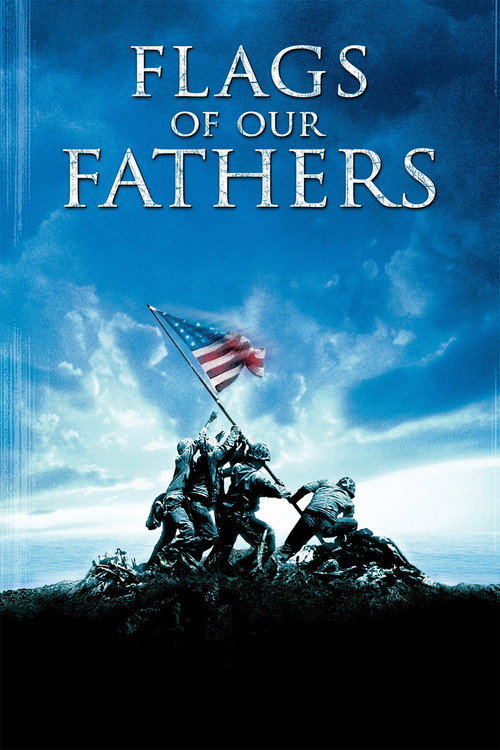
Flags of Our Fathers2006
Eastwood's examination of Iwo Jima that refuses the simple heroics; it's as interested in what happens after the fighting as during. Morally complex in ways that feel necessary.
But Deliberately unglamorous and often contemplative; if you're after forward momentum rather than reflection, it will feel slow.
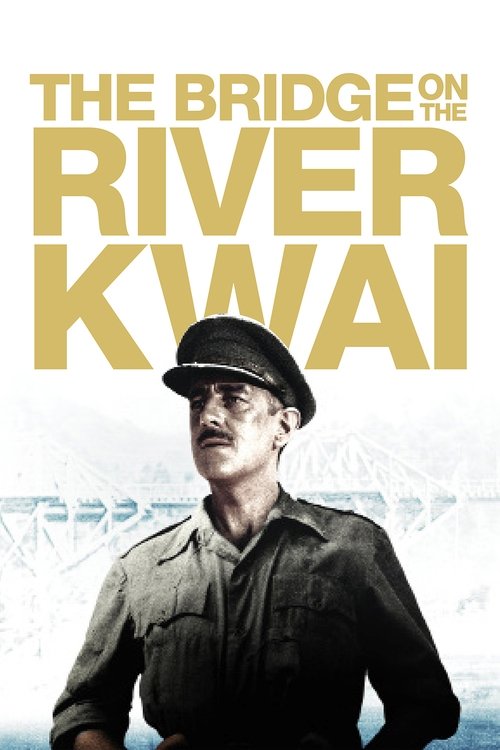
The Bridge on the River Kwai1957
Lean's masterpiece about dignity, obsession, and the moral ambiguities of war. The bridge itself becomes a character; the film's humanism cuts deeper than any battle scene.
But The Japanese are portrayed with problematic stereotypes by modern standards; the middle section is a bit of a slog of engineering.
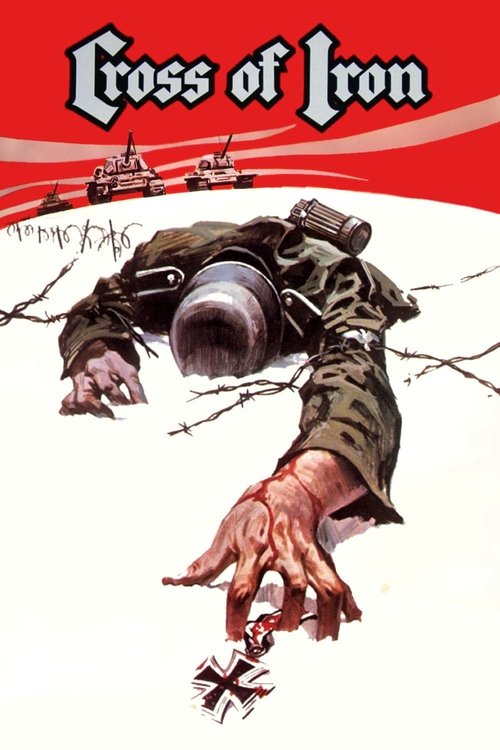
Cross of Iron1977
Peckinpah's furious, brutal take on the Eastern Front from the German perspective. It's punk rock—nihilistic, violent, alive with rage at the machinery that grinds up soldiers.
But Extremely graphic; the tone is deliberately ugly rather than noble. If you want war to feel meaningful, this film won't grant you that comfort.
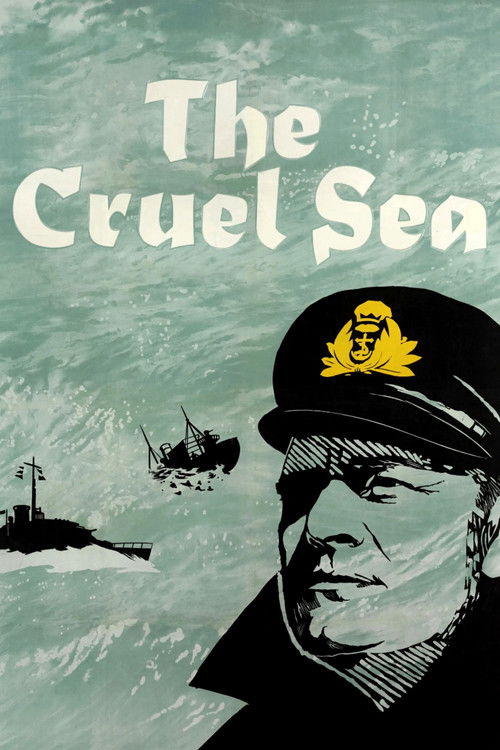
The Cruel Sea1953
A British film about convoy escort duties in the Atlantic—smaller in scope than The Longest Day but equally committed to showing the grinding, ordinary terror of war at sea.
But Very dated in its emotional register; long stretches are quietly procedural rather than dramatically pointed. The pacing will test you.
Come and See1985
Like The Longest Day, it insists on showing the ground-level reality of WWII without mythologizing it, but it goes further into the psychological damage.
A Soviet film about a boy conscripted into the Red Army during the last days of WWII in Belarus. It is perhaps the most devastating film about war ever made—not a battle film but a descent into a specific, local kind of hell.
But Extremely difficult to watch; it commits to trauma in ways that feel transgressive. Some scenes are almost unbearable, and the film doesn't apologize for that.

Stalker1979
Both are concerned with how individuals navigate and survive within vast structures—whether military or metaphysical—and whether meaning can be found there.
Tarkovsky's science-fiction meditation on faith, desire, and the human relationship to power and consequence. On the surface it's about a guide leading people through a mysterious zone; really it's about how we construct meaning in the face of systems larger than ourselves.
But Extremely slow, meditative, and philosophical. There is no action in the conventional sense; if you're watching for plot momentum, you will be frustrated.

People
Cast
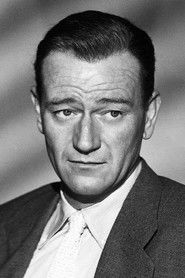 John WayneLt. Col. Benjamin Vandervoort
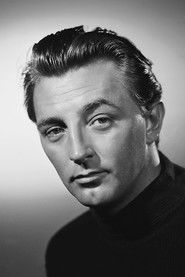 Robert MitchumBrig. Gen. Norman Cota
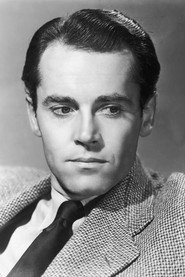 Henry FondaBrig. Gen. Theodore Roosevelt Jr.
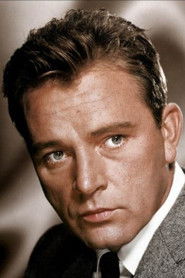 Richard BurtonFlight Officer David Campbell
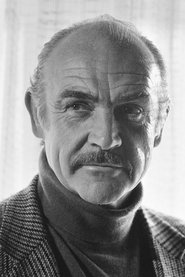 Sean ConneryPvt. Flanagan
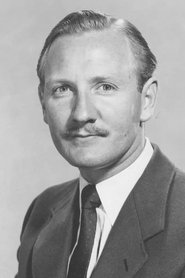 Leslie PhillipsRAF Officer Mac
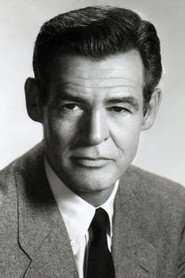 Robert RyanBrig. Gen. James M. Gavin
 Paul AnkaU.S. Army Ranger
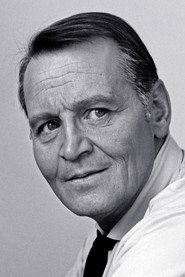 Wolfgang BüttnerMaj. Gen. Dr. Hans Speidel
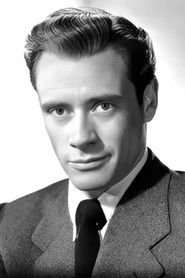 Mel FerrerMaj. Gen. Robert Haines
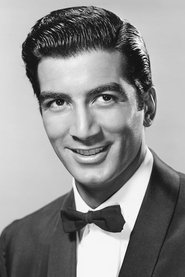 Ray DantonCapt. Frank
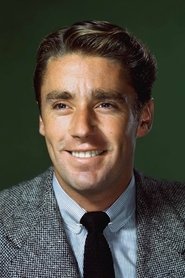 Peter LawfordLord Lovat
Directing
- Bernard FarrelAssistant Director
- Gérard RenateauAssistant Director
- Henry Sokal Jr.Assistant Director
- Jean HermanAssistant Director
- Louis PitzeleAssistant Director
- Tom PevsnerAssistant Director
- Darryl F. ZanuckCo-Director
- Gerd OswaldCo-Director
- Lucie LichtigContinuity
- Andrew MartonDirector
- Bernhard WickiDirector
- Ken AnnakinDirector
- Romain GaryScript Supervisor
- Henry WiseSecond Assistant Director
- Elmo WilliamsSecond Unit Director
- Gerd OswaldSecond Unit Director
Writing
- Cornelius RyanNovel
- Cornelius RyanScreenplay
- David PursallScript Consultant
- Erich Maria RemarqueScript Consultant
- Jack SeddonScript Consultant
- James JonesScript Consultant
- Romain GaryScript Consultant
- David PursallWriter
- Jack SeddonWriter
- James JonesWriter
- Romain GaryWriter
Production
- Elmo WilliamsAssociate Producer
- Maude SpectorCasting
- Darryl F. ZanuckProducer
- Christian FerryProduction Manager
- Julien DerodeProduction Manager
- Lee KatzProduction Manager
- Louis WipfProduction Manager
- Lillian MichelsonResearcher
Recommended by
The Great Escape, Mister Roberts, Patton, Twelve O'Clock High, A Bridge Too Far, Tora! Tora! Tora!, The Desert Fox: The Story of Rommel, Masters of the Air, Show People, The Towering Inferno, The Great Buster: A Celebration, The Blue Max, The Alamo, The Dam Busters, Midway, Battle of Britain, Theirs Is the Glory, SAS: Rogue Heroes, Midway, In Harm's Way, Apocalypse: La 2e Guerre mondiale, Desert Victory, The True Glory, Attack, D-Day: Normandy 1944, Dunkirk, Ike: Countdown to D-Day, The Horse Soldiers, The Ottoman Lieutenant, Breakthrough, Is Paris Burning?, The Red Ball Express