
Film
Cross of Iron
A 1977 war film that strips away heroism to show combat as grinding, senseless attrition. German soldiers retreat from Russia while their officers scheme for medals. James Coburn gives a career-best performance as a pragmatic soldier who sees through the machinery of war. Peckinpah's direction is unflinching—visceral action sequences punctuate long, tense character moments. For anyone tired of war films that ask you to pick a side.
Should you watch it?
Watch it if you like war films that treat heroism as a racket, with grime, bitter gallows humour and a sour lead who would rather keep his men alive than chase medals.
Skip it if you need clean heroics or a brisk plot, since this is violent, episodic and happy to let its scenes sprawl across a two-hour-plus runtime.
What it asks of you: Expect a long, rough-edged slog of mud, bodies and talk, where the pace stays deliberately ragged and the tone rarely lifts.
Not sure? Find tonight's pick in a minute.
If you liked this
Come and See1985
Elem Klimov's Soviet masterpiece shows the same Russian front from the opposite trench, with equal ruthlessness and moral horror. A young partisan's journey into hell. Nothing sanitizes war less thoroughly.
But Relentlessly bleak and sometimes unwatchable in its intimacy with suffering. Not cathartic. Not remotely fun.

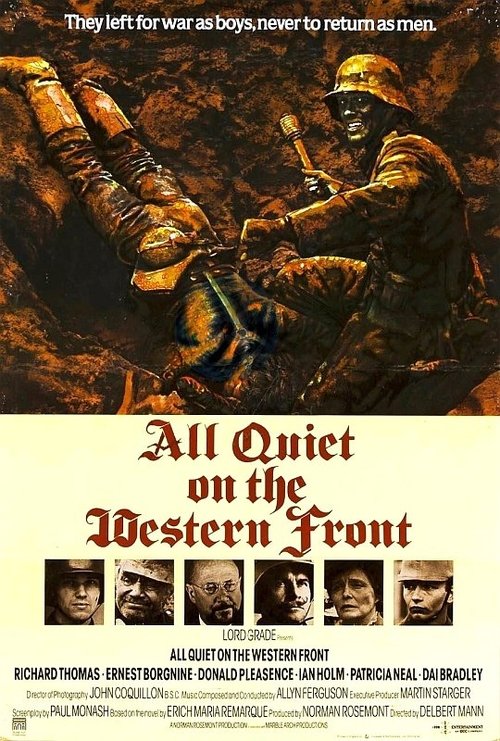
All Quiet on the Western Front1979
A different war, same truth: the machinery grinds men to nothing while generals posture. The 1979 TV adaptation has a documentary plainness that cuts deeper than spectacle. Young soldiers watching their illusions die.
But Slower than *Cross of Iron*. Long stretches of waiting, talking, fear. If you need momentum, this will feel static.
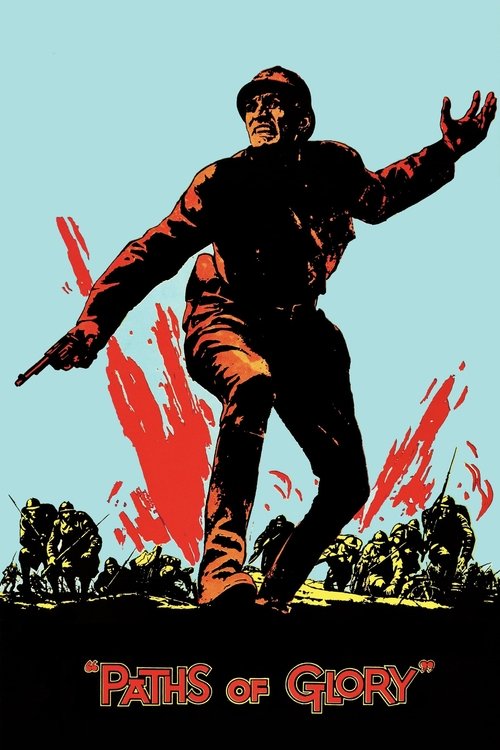
Paths of Glory1957
Kubrick's film about WWI court-martial captures the same contempt for officers willing to waste lives for advancement. Kirk Douglas's character embodies Steiner's moral clarity. Tighter and more surgical than Peckinpah.
But Made nearly 20 years earlier; the action is sparse by modern standards. The final scene is almost unbearably sad.
Not sure tonight? Get a pick in a minute, starting from Cross of Iron
The wildcard
Something you would not have found on your own.
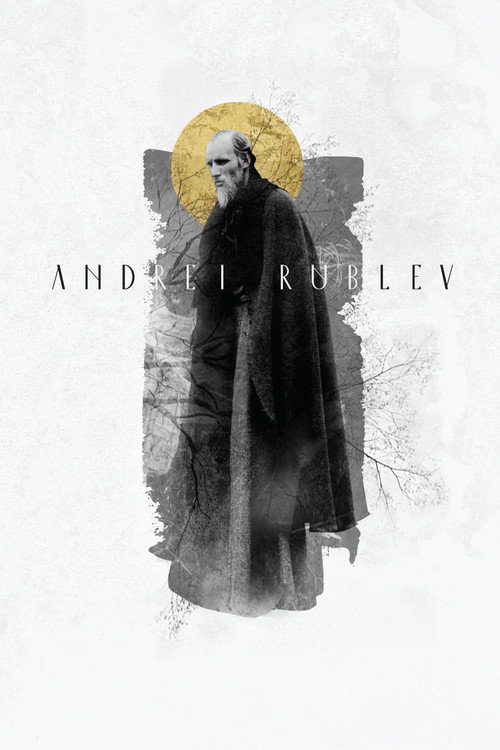
Andrei Rublev1966
Both films examine how systems (military, ecclesiastical) crush human dignity. Where *Cross of Iron* shows this through immediate violence, *Rublev* shows it through centuries of slow cultural damage.
Andrei Tarkovsky's three-hour meditation on art, faith, and state power in 15th-century Russia. It's not a war film, but it's Peckinpah's spiritual opposite: slow, metaphysical, asking what survives when institutions consume individuals. A film about atrocity that moves through silence instead of gunfire.
But Black and white, glacially paced, in Russian. Long sequences of nothing happening. Some will find it a masterpiece; many will find it an ordeal.
More like this (8)
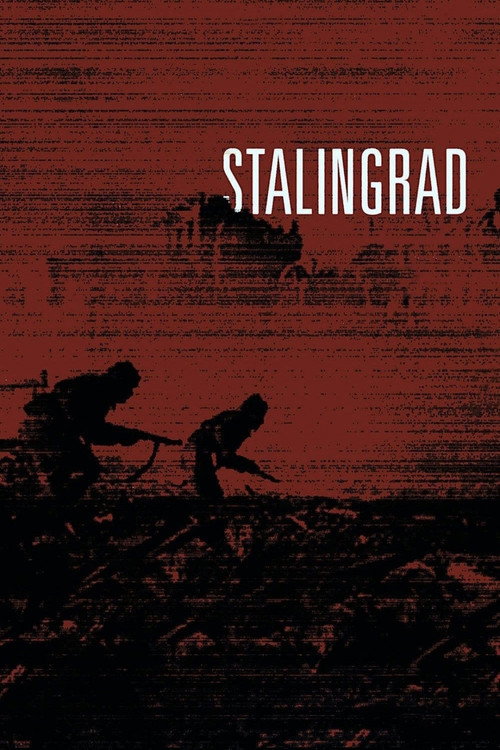
Stalingrad1993
German director Joseph Vilsmaier follows ordinary Wehrmacht soldiers through the battle's worst days. Unflinching about atrocity and desperation. Humanizes men fighting for a regime they didn't choose, without asking you to forgive the regime.
But Brutally graphic, sometimes to the point of sensation. Three hours of dread. The camera lingers on suffering.
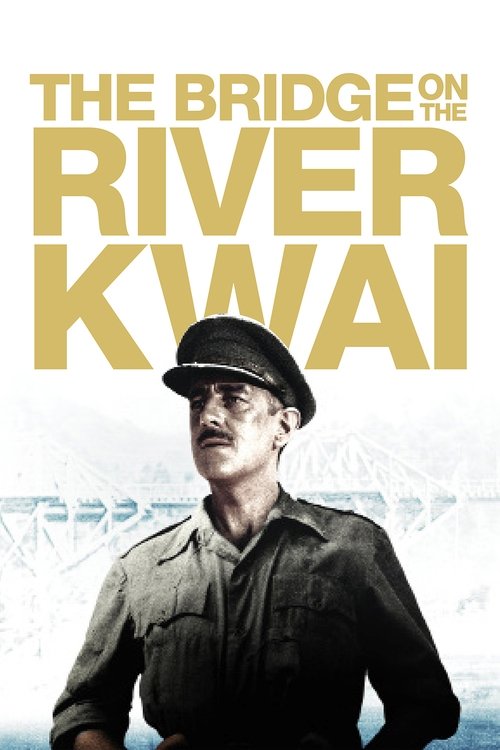
The Bridge on the River Kwai1957
David Lean's masterwork also examines how duty and ego destroy men in wartime. British POWs building a bridge becomes a study in self-deception and the cost of pride. Grander in scale but equally aware of war's absurdity.
But A sweeping epic—if you want intimate brutalism like *Cross of Iron*, this is too beautiful and composed.
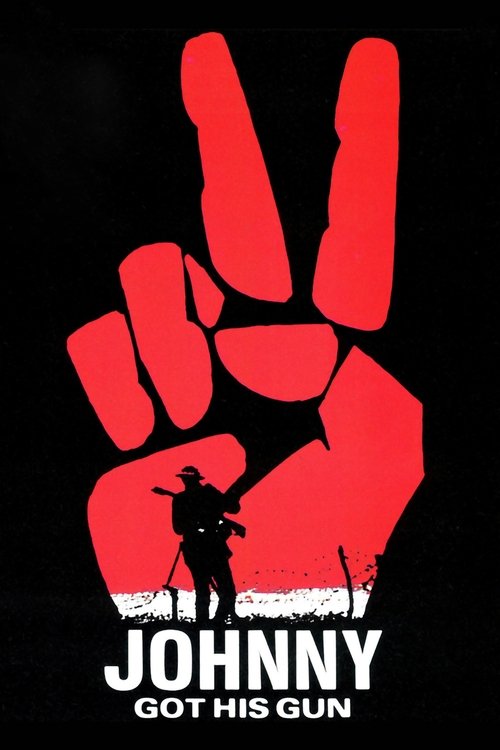
Johnny Got His Gun1971
Dalton Trumbo's adaptation of his own novel shows war's cost through a single soldier, totally paralyzed. Experimental, surreal, furious. A howl at the mechanism that consumes men. Completely singular.
But The style is aggressively anti-realistic. Nightmarish dream sequences. Some will find it pretentious; others will find it essential.
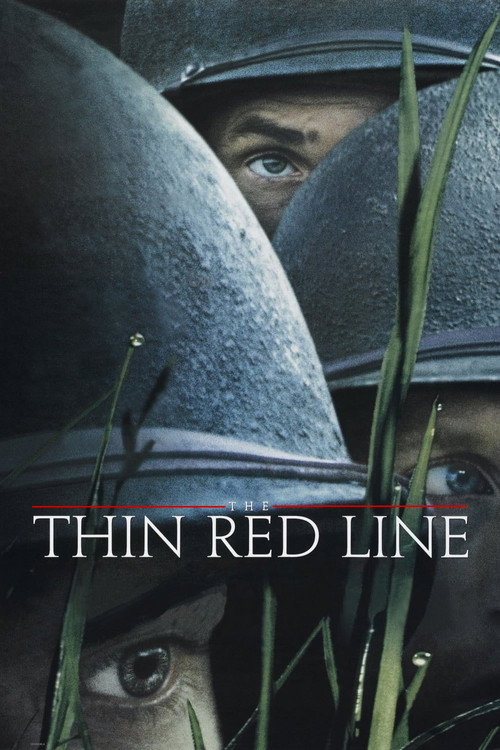
The Thin Red Line1998
Terrence Malick's Pacific campaign film shares *Cross of Iron*'s refusal to deliver a clear moral arc. Philosophical, elliptical, full of men thinking while dying. A meditation on complicity and survival.
But Virtually plotless. Voice-over philosophy. Malick's style divides audiences sharply—this is either profound or self-indulgent.
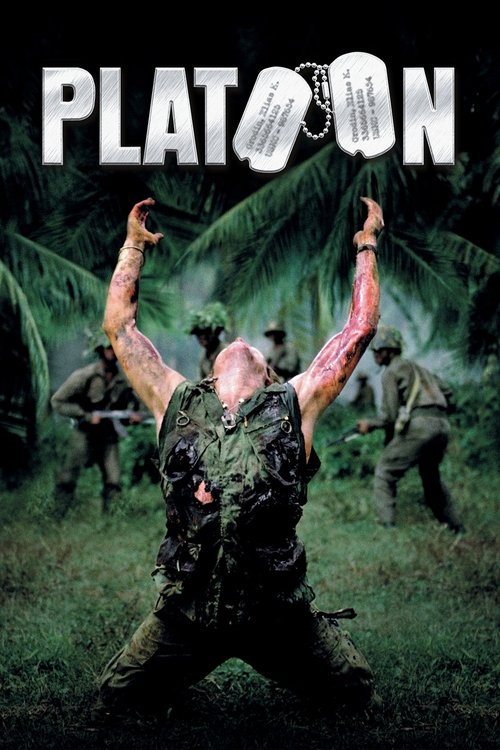
Platoon1986
Oliver Stone's Vietnam film does what *Cross of Iron* does for WWII: follows enlisted men as they learn the war isn't what they were told. The conflict between the idealistic sergeant and the brutal one mirrors Stransky and Steiner.
But Familiar now, less shocking than it was. The moral lessons feel a bit didactic compared to Peckinpah's ambiguity.
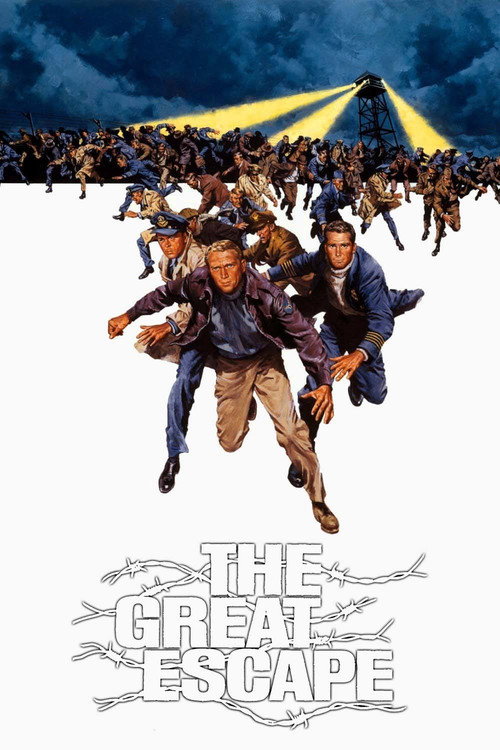
The Great Escape1963
John Sturges' POW escape film has wit and adventure, but also understands the machinery of authority and the men who game it. Less dark than *Cross of Iron*, but the same interest in how soldiers survive systems designed to use them.
But Much lighter in tone. If you want unflinching warfare, this is escapism—which is partly the point.
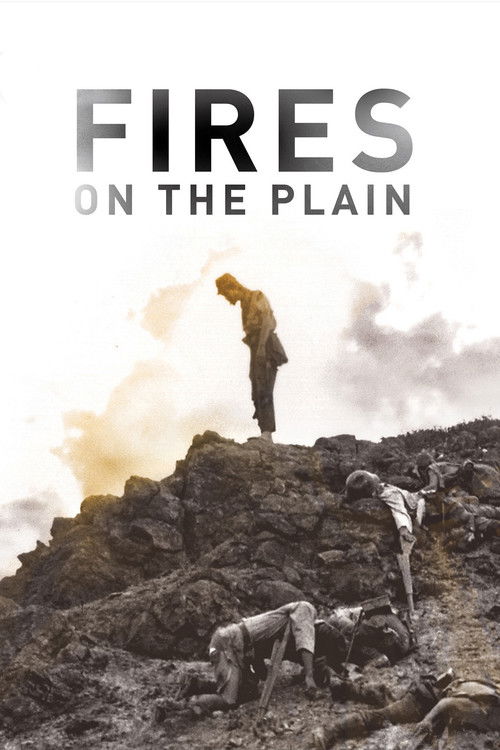
Fires on the Plain1959
Same retreat, same breakdown of civilization, same soldier abandoned by a collapsing machine. Peckinpah's action sequences become Ichikawa's slow horror of disconnection.
Kon Ichikawa's Japanese film follows a soldier abandoned by the retreating Imperial Army in the Philippines, starving and untethered. As nihilistic as *Cross of Iron* but achieved through isolation instead of action. A descent into pure survival.
But Very hard to watch. Deals with cannibalism. Japanese cinema from this era, so the image quality is raw. Obscure and unpleasant in ways that won't appeal to everyone.
A Prophet2009
Both follow a pragmatist learning that idealism gets men killed, that survival means understanding power structures from below. Steiner and Malik are the same man in different cages.
Jacques Audiard's prison film about a young man learning the brutal machinery of authority and survival inside walls instead of trenches. Malik Harris as Steiner—a man learning to game the system to protect himself and his unit. The structure of oppression is identical; only the setting changes.
But Contemporary setting. Some will expect *Cross of Iron* and get a completely different story. It's also slow and often quiet, with violence that matters.

People
Cast
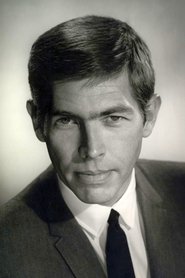 James CoburnUnteroffizier / Feldwebel Rolf Steiner
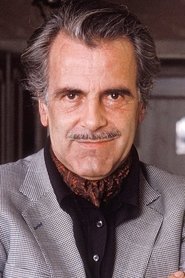 Maximilian SchellHauptmann Stransky
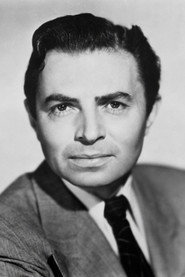 James MasonOberst Brandt
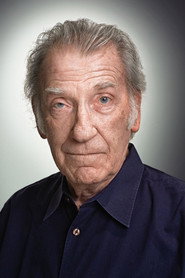 David WarnerHauptmann Kiesel
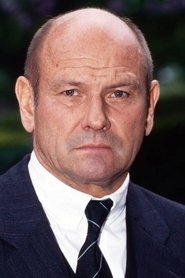 Klaus LöwitschUnteroffizier Krüger
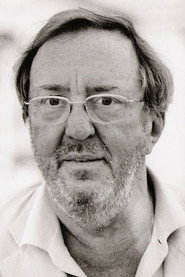 Vadim GlownaGefreiter Kern
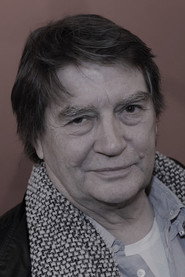 Roger FritzLeutnant Treibig
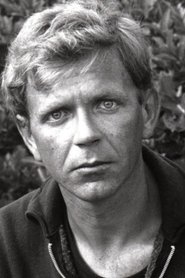 Dieter SchidorAnselm
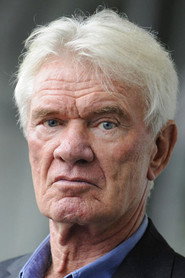 Burkhard DriestSchütze Maag
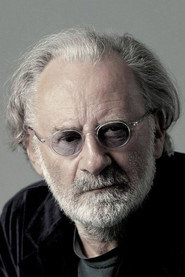 Fred StillkrauthUnteroffizier Schnurrbart
- Michael NowkaDietz
- Véronique VendellMarga
Directing
- Bert BattAssistant Director
- Branislav Brana SrdićAssistant Director
- Chris CarrerasAssistant Director
- Mark WinitskyAssistant Director
- Sam PeckinpahDirector
- Trudy von TrothaScript Supervisor
Writing
- Willi HeinrichNovel
- James HamiltonScreenplay
- Julius J. EpsteinScreenplay
- Walter KelleyScreenplay
- Herbert AsmodiWriter
Production
- Lothar H. KrischerCo-Producer
- Alex WinitskyProducer
- Arlene SellersProducer
- Wolf C. HartwigProducer
- Katherine HaberProduction Assistant
- Dieter NobbeProduction Supervisor
Recommended by
The Dirty Dozen, The Longest Day, Where Eagles Dare, Dying for Sex, The Winter War, The Eagle Has Landed, Stalingrad, Pork Chop Hill, The Last Rescue, Fixed Bayonets!, Das Boot, Hell Is for Heroes, Men in War, Halls of Montezuma