
Film
Men in War
- War action
- Very dark
A 1957 Korean War film about two soldiers at odds—a dutiful lieutenant and a sergeant haunted by duty to a broken colonel—leading survivors through hostile territory toward uncertain salvation. Lean, unglamorous, intense. For viewers who want war stripped of heroics: just exhaustion, fear, and the impossible choices that come with command.
If you liked this
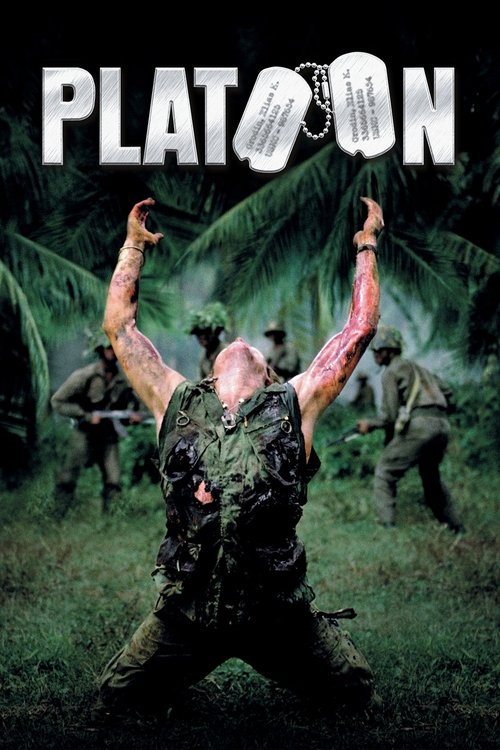
Platoon1986
Oliver Stone's Vietnam viscera: a squad fractured by competing sergeants, moral chaos in the jungle, and the realization that enemies wear your own uniform. Immediacy that makes you feel the mud.
But Heavy-handed at times, and the early '80s filmmaking can feel a touch melodramatic compared to something grittier.
Come and See1985
A Belarusian masterpiece about a boy conscripted into WWII, watching civilization burn. Relentless, hallucinatory, and structurally about the corruption of innocence through survival. Completely uncompromising.
But It's punishing—genuinely one of the hardest war films ever made. Not cathartic. Leaves you hollowed.

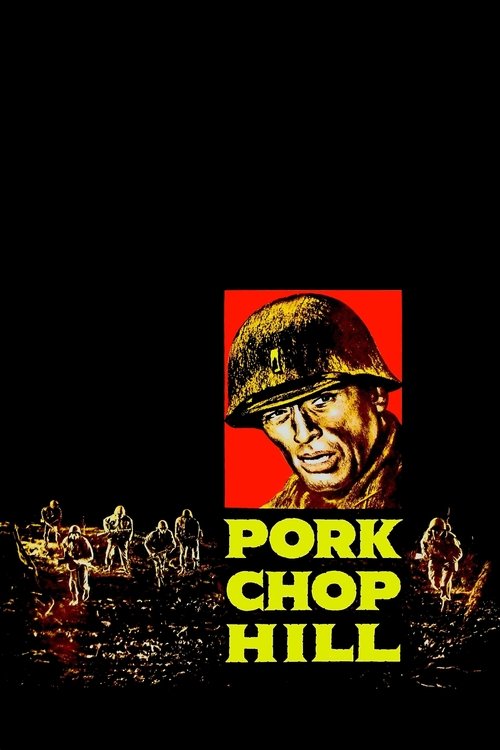
Pork Chop Hill1959
Another Korea picture from the same era, focusing on the senselessness of one final assault. Gregory Peck commanding men for an objective everyone knows is pointless. Sharp script, real tactical thinking.
But Follows a more conventional war-film structure. Less interested in the psychological fracture Ryan's character carries here.
Not sure tonight? Get a pick in a minute, starting from Men in War
The wildcard
Something you would not have found on your own.
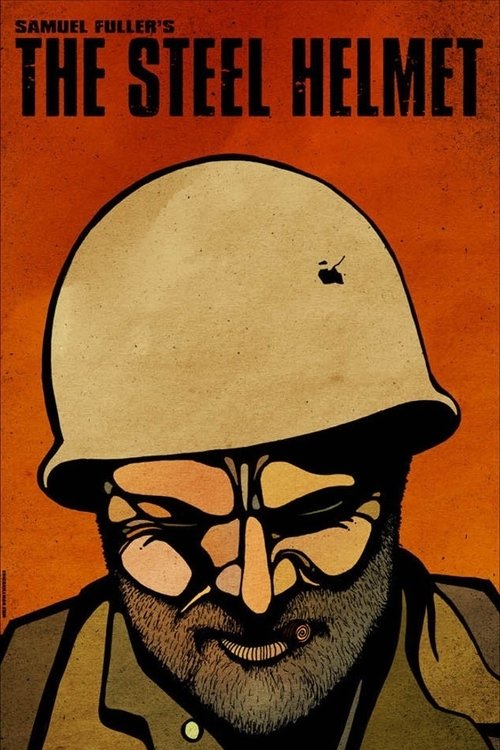
The Steel Helmet1951
Fuller and Mann are working the same Korean War material in real time, but Fuller strips away even the conventional plot and just gives you chaos, exhaustion, and a racist soldier who has to learn or die.
Sam Fuller's Korean War debut, shot in LA on a shoestring. A sergeant and a kid soldier and a dying platoon. Fuller fought in WWII and it shows—this is the real ancestor to Men in War, rawer and stranger. Published 1951, so it arrived while the war was still happening.
But Threadbare budget shows constantly. Acting is sometimes amateurish. Fuller's avant-garde instincts jar against the narrative. Shot on a soundstage and it knows it.
More like this (7)
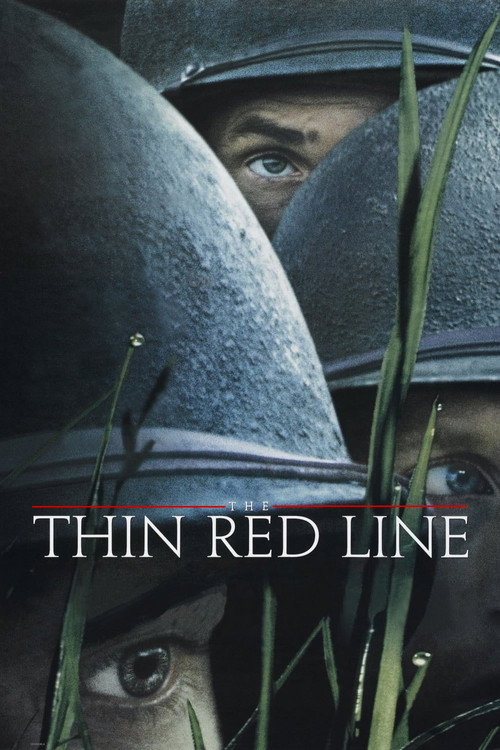
The Thin Red Line1998
Terrence Malick's Guadalcanal poem: soldiers as philosophy students in hell, nature indifferent to suffering, the war as backdrop for existential vertigo. Handheld, introspective, utterly singular.
But Three hours of voiceover and digression. If you want plot momentum, this will feel glacial and maddening.
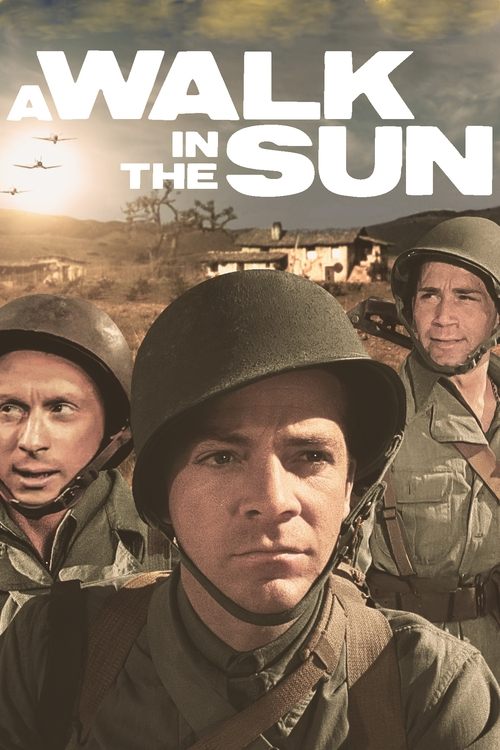
A Walk in the Sun1945
One day, one platoon, Italy 1943. Episodic, character-driven, uncommonly funny for a war film. Treats soldiers as ordinary men doing extraordinary things, not archetypes.
But Low-key to the point of quietness. Action is minimal. Made during WWII, so the politics are of-the-moment and strange now.
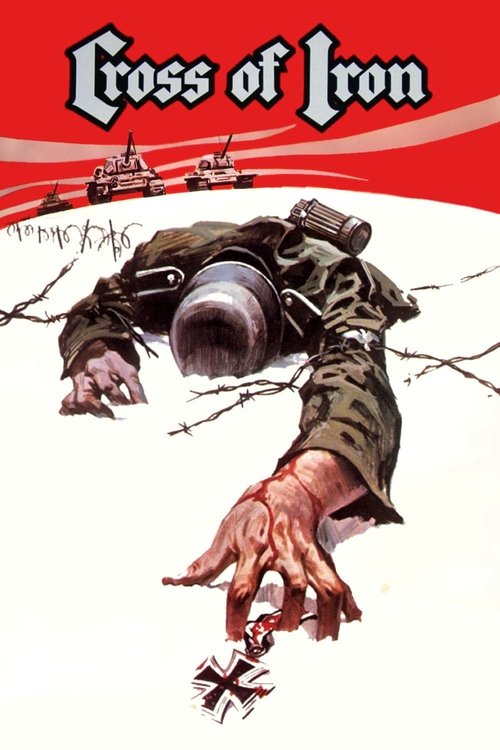
Cross of Iron1977
Peckinpah's Eastern Front nightmare: a German sergeant protecting his men while the system devours them. Cynical, violent, morally clear about the stupidity of command. James Coburn at his best.
But Extremely brutal. Peckinpah's signature excess means gore is not spared, and the nihilism can feel like an aesthetic choice rather than earned.
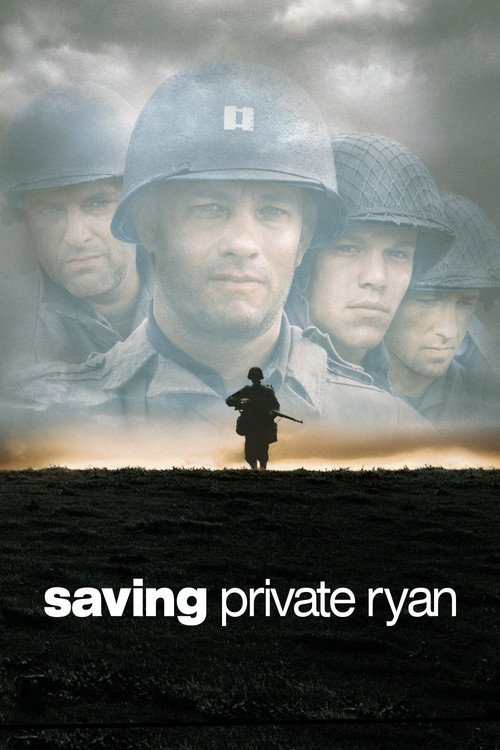
Saving Private Ryan1998
The D-Day sequence alone justifies the watch—tactile, deafening, coherent about the mechanics of violence. Tom Hanks commanding a squad toward a dubious objective. Clear-eyed about cost.
But The second half pulls back into conventional war-film sentiment. Some of the characterization outside combat feels thin.
The Power and the Glory1941
Michael Powell's hunt film: German U-boat crew fleeing across Canada toward the US border. Lean, suspenseful, and interested in the moral cost of survival and betrayal.
But British WWII propaganda, so the ideological spine is visible. Pacing drops in the middle.
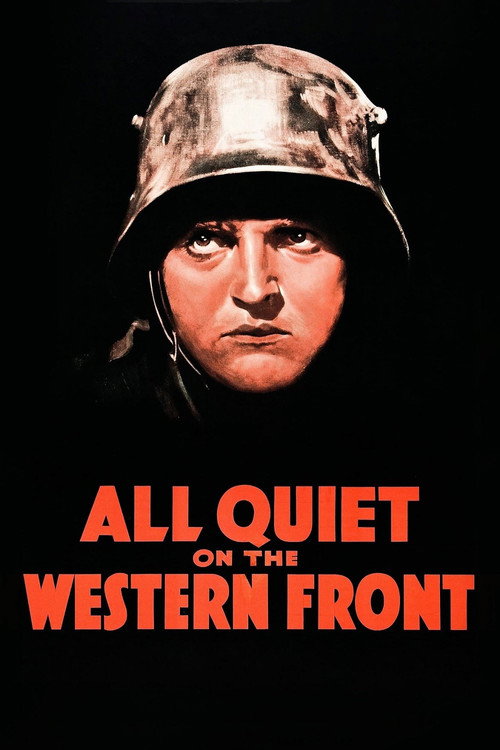
All Quiet on the Western Front1930
The original anti-war film. Boys becoming soldiers becoming ghosts. The trench sequences remain staggering. Sentimental only about the waste itself.
But Early sound film—dialogue can feel stilted, and the print quality varies. The pacing is deliberate, sometimes static.
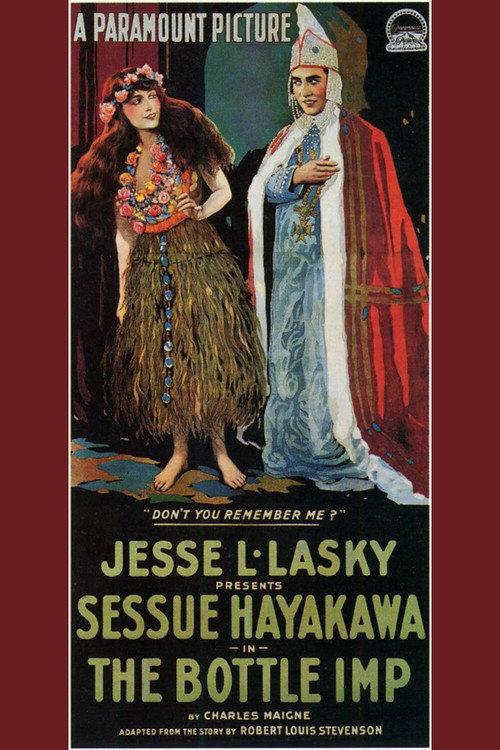
The Bottle Imp1917
Both films treat the journey to an objective as moral predicament rather than narrative engine. Both are interested in what command does to a man's soul when the goal might not even exist.
Vietnamese director Tran Anh Hung adapts Robert Louis Stevenson on a freighter carrying ammunition to Cambodia, 1973. Psychological, literary, shot like oil paint. The journey IS the film: compartments, ritual, men waiting for catastrophe.
But Slow, symbolic, deliberately theatrical. Plot barely moves. Shot on digital at high contrast. If you want action this will feel airless.
People
Cast
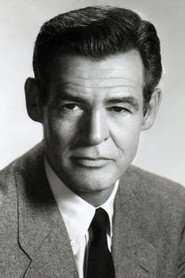 Robert RyanLt. Benson
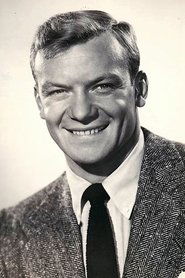 Aldo RaySgt. Montana
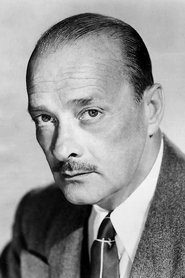 Robert KeithThe Colonel
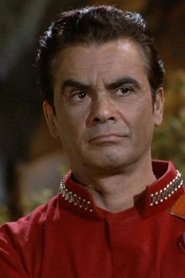 Phillip PineSgt. Riordan
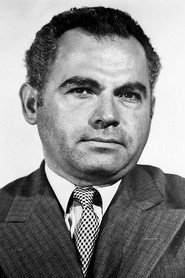 Nehemiah PersoffSgt. Lewis
 Vic MorrowCpl. Zwickley
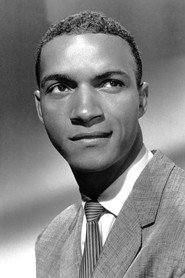 James EdwardsSgt. Killian
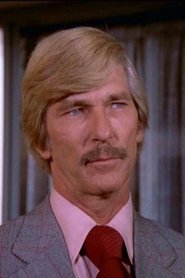 L.Q. JonesSgt. Davis
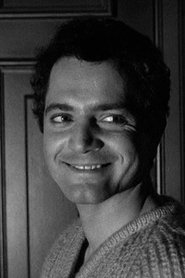 Scott MarlowePvt. Meredith
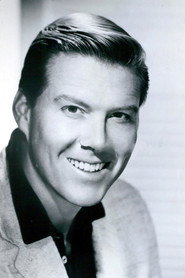 Adam KennedyPvt. Maslow
 Race GentryPvt. Haines
- Walter KelleyPvt. Ackerman
Directing
- Leon ChooluckAssistant Director
- Anthony MannDirector
- Michael PreeceScript Supervisor
Writing
- Van Van PraagNovel
- Ben MaddowScreenplay
- Philip YordanScreenplay
Production
- Anthony MannProducer
- Sidney HarmonProducer
- Irving LernerProduction Manager
- Irving LernerProduction Supervisor