
Film
The Bottle Imp
A 1917 Hawaiian fantasy about a fisherman who buys a magical bottle to win his love, only to discover the wishing-bottle grants desires at a supernatural price. Silent cinema at its most exotic and earnest, shot on location with an all-Hawaiian cast. Gorgeously strange, occasionally maddening, and entirely sincere about its supernatural stakes.
If you liked this
Nosferatu1922
A masterpiece of silent horror that shares The Bottle Imp's visual sophistication and belief in genuine supernatural menace. Murnau's atmosphere is hypnotic, the photography otherworldly.
But Slow pacing and no dialogue require patience. The print quality varies wildly depending on which version you find.

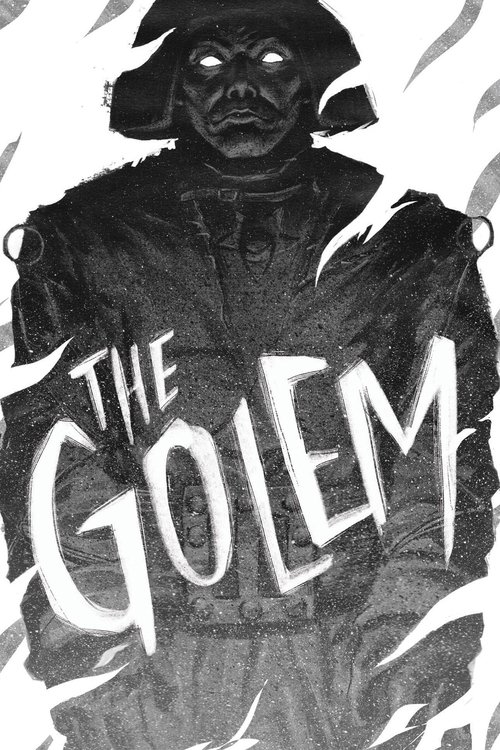
The Golem: How He Came into the World1920
Czech expressionism meets folklore: a rabbi creates a clay creature to protect his people. Like The Bottle Imp, it's a fairy tale about wishes with consequences, rendered in gorgeous, unsettling imagery.
But The philosophical weight can feel heavy-handed. Intertitles are sparse, leaving stretches you must interpret visually.
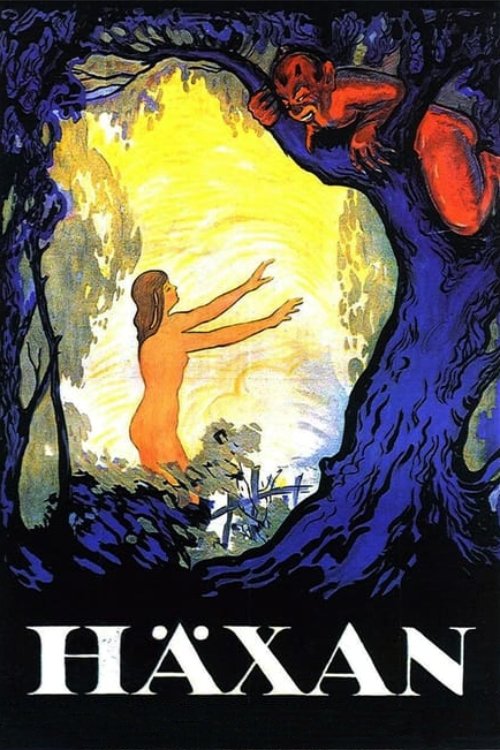
Häxan1922
A Swedish-Danish documentary-fantasy hybrid about witchcraft that's visually baroque and genuinely unsettling. It shares The Bottle Imp's willingness to take the supernatural seriously within a specific cultural frame.
But Deeply strange and sometimes grotesque. It's as much essay as story, which demands active engagement rather than passive watching.
Not sure tonight? Get a pick in a minute, starting from The Bottle Imp
The wildcard
Something you would not have found on your own.
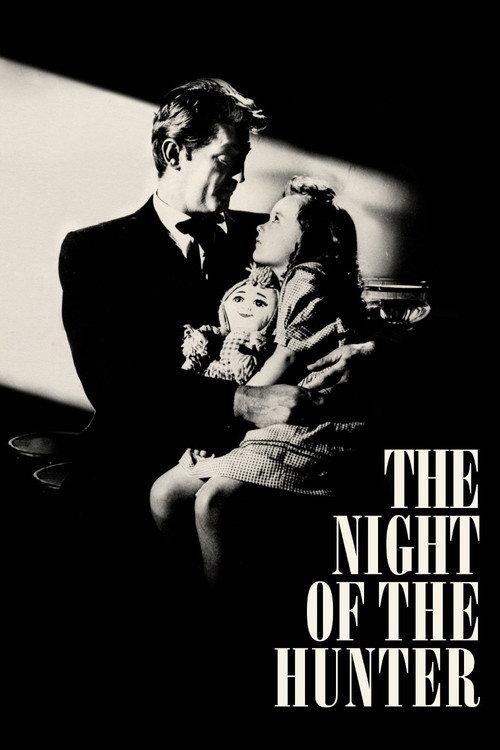
The Night of the Hunter1955
Both are parables about dangerous objects: one a magical bottle, one hidden money. Both treat the pursuit of the object as spiritually corrupting, not just practically dangerous.
A Southern Gothic nightmare about a con man preacher pursuing children for hidden money. Charles Laughton's only film as director, shot in expressionist black-and-white that rivals the German silents. Like The Bottle Imp, it concerns a malevolent object and the damage desire for it causes.
But Brutal and nightmarish. The imagery is occasionally grotesque, the tone uncompromising. It does not offer comfort.
More like this (7)
The Cabinet of Dr. Caligari1920
Expressionist masterpiece about obsession and twisted reality. Like The Bottle Imp, it concerns desires that corrupt, rendered in visuals so striking they become the story itself.
But The painted, distorted sets can feel theatrical rather than cinematic. The psychology is dated, occasionally unintentionally funny.

The Phantom Carriage1921
A Swedish ghost story about redemption through supernatural intervention. It has The Bottle Imp's fairy-tale logic and genuine belief in the weight of wishes, with stunning double-exposure effects.
But At nearly two hours, it asks for sustained attention. The moral framework is explicitly Christian, which may feel didactic.

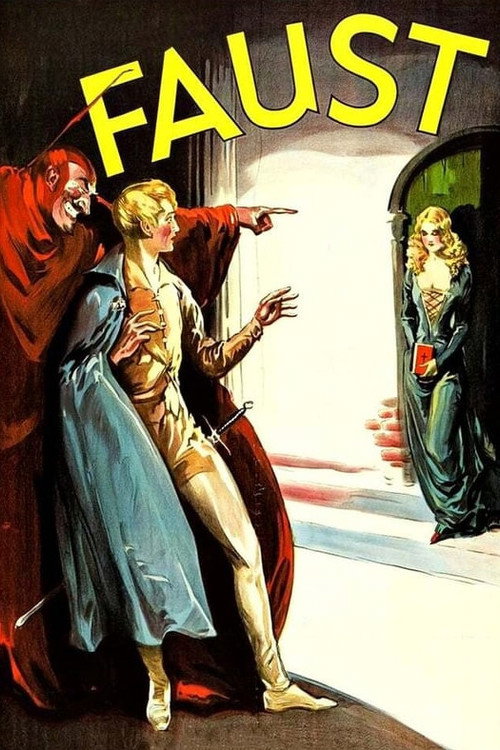
Faust1926
Murnau's adaptation of the ultimate deal-with-the-devil story. The visual language is immaculate, the supernatural mechanics clear and terrible, the consequences absolute.
But Deliberately slow and formal. The Faustian bargain is well-trodden ground; the film trusts you know the shape already.
The Thief of Bagdad1924
Douglas Fairbanks in a fantasy adventure about magical objects that grant wishes. Joyful where The Bottle Imp is cautionary, but both understand that magic exacts a price.
But The tone is lighthearted in a way that dates it. The special effects, however inventive, are obviously artifice.

Under Two Flags1922
A melodrama about a man trying to escape his past through love and sacrifice. It shares The Bottle Imp's quiet understanding that some desires cannot be fulfilled without loss.
But The plot mechanics are creaky. It's sentimental in ways that will feel mawkish to modern eyes.

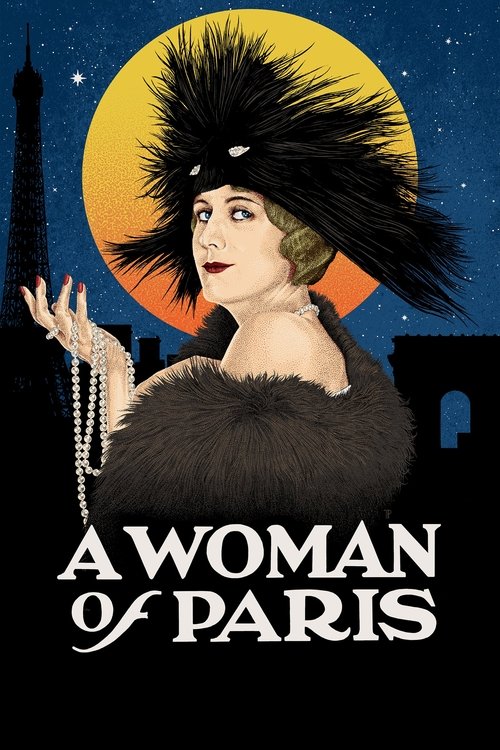
A Woman of Paris: A Drama of Fate1923
Chaplin's sophisticated drama about the cost of desire and ambition. Like The Bottle Imp, it watches closely as characters make choices they cannot undo.
But It's austere for Chaplin, with minimal comedy. The pacing is glacial by any standard.
Mulholland Drive2001
Both use the supernatural (or psychological surrealism) to literalize the consequences of desire. Both ask whether what we get when wishes are granted is really what we wanted.
Lynch's Los Angeles nightmare about two women, a car accident, and the seductive power of fantasy. Like The Bottle Imp, it's about a wish—here, for love and stardom—that reshapes reality itself in terrifying ways. Formally stunning and genuinely disorienting.
But The structure is deliberately fragmented. You will leave confused, and Lynch offers no map. It rewards rewatching but punishes passive viewing.

People
Cast
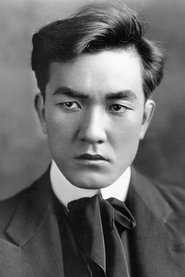 Sessue HayakawaLopaka
- Lehua WaipahuKokua
- H. KomshiKeano
 George KuwaMakale
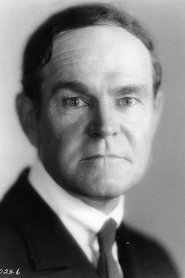 Guy OliverRollins

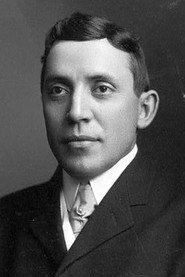 James NeillA Priest
Directing
- Marshall NeilanDirector
Writing
- Robert Louis StevensonStory
- Charles MaigneWriter