
Film
A Woman of Paris: A Drama of Fate
Chaplin's only dramatic leading role (he directed, didn't star) follows a woman torn between a wealthy Parisian lover and the struggling artist she abandoned. A stark, sophisticated silent film about desire, class and the cost of reinvention. Less slapstick than Chaplin's comedies—this is austere, almost Scandinavian in its moral weight.
Should you watch it?
Watch it if you love silent melodrama where the drama lives in faces, glances and small gestures, and you're happy to sit with a slow, restrained romance about class, appearances and the cost of a stylish life.
Skip it if you need dialogue, quick cutting or a brisk pace; this 1923 silent film moves at its own unhurried speed and leans on intertitles and patient staging.
What it asks of you: Roughly eighty minutes of quiet, close attention, since much of the emotion arrives through looks and staging rather than explanation, and the mood stays muted and bittersweet.
Not sure? Find tonight's pick in a minute.
If you liked this
Sunrise: A Song of Two Humans1927
Murnau's masterpiece about temptation and marriage uses the city as a seductive force, just like Paris does here. Visually ravishing and emotionally devastating in ways that still hit hard.
But It's silent, black and white, and moves at its own deliberate pace. The melodrama is heavy-handed by modern standards.

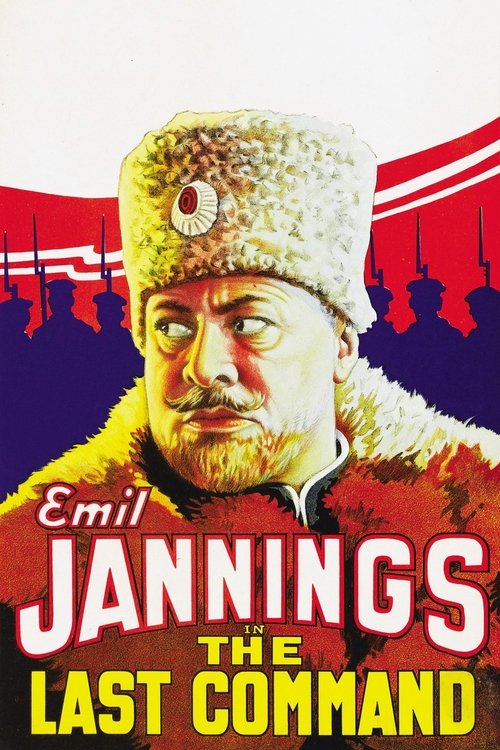
The Last Command1928
Sternberg's study of a broken man undone by love and circumstance. Jannings is extraordinary, the film is gorgeous, and it shares Chaplin's interest in dignity stripped away.
But The plot hinges on recognising a face, which doesn't quite land. Second viewing helps more than it should.
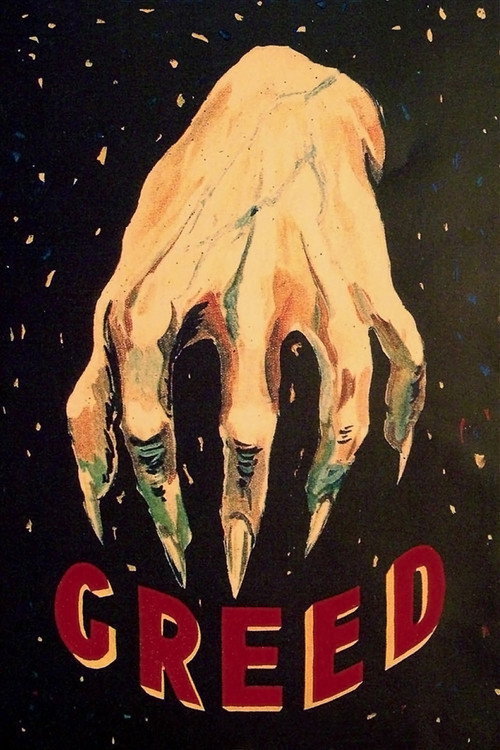
Greed1924
Stroheim's obsessive masterpiece about money destroying a marriage. Like *Woman of Paris*, it strips away illusions and shows how material desire corrodes the soul.
But It's nearly ten hours in its restored form. The original cut was butchered by the studio, so deciding which version to watch is its own problem.
Not sure tonight? Get a pick in a minute, starting from A Woman of Paris: A Drama of Fate
The wildcard
Something you would not have found on your own.
Pandora's Box1929
Both centre a woman navigating desire and social expectation; both are tragic precisely because she's made intelligent choices.
Pabst's German film with Louise Brooks as Lulu, a woman destroyed by male desire and her own hunger. It's far darker and more cynical than *Woman of Paris*, but asks the same question: what does a woman owe herself versus others?
But The misogyny on screen is profound. The film doesn't condemn it—it shows it as inevitable. That's the point, but it's bleak.

More like this (8)
The Phantom Carriage1921
Sjöström's Swedish ghost story about redemption and regret. It has the same grave, unsparing look at human weakness that makes *Woman of Paris* so compelling.
But The pacing is glacial and the supernatural elements feel distant. You need patience and mood on your side.

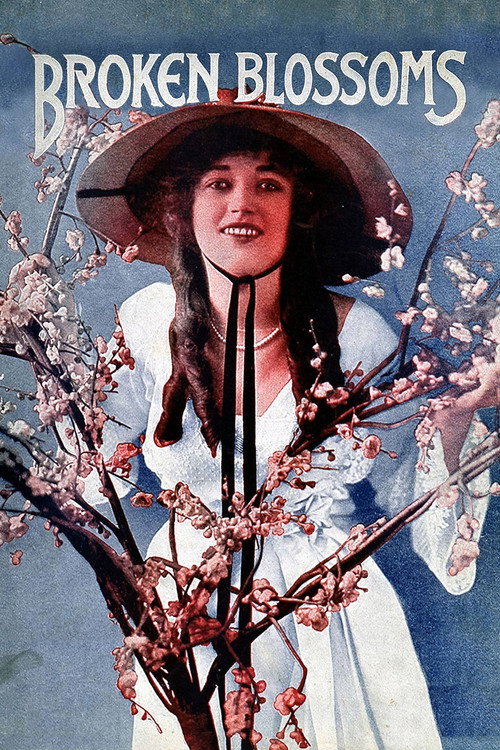
Broken Blossoms or The Yellow Man and the Girl1919
Griffith's film about a Chinese man's devotion to an abused girl, told with genuine tenderness. It shares the quiet intensity and moral seriousness of Chaplin's drama.
But The yellowface casting is deeply uncomfortable, and no amount of artistic merit erases that. It's a historical document you'll need to reckon with.
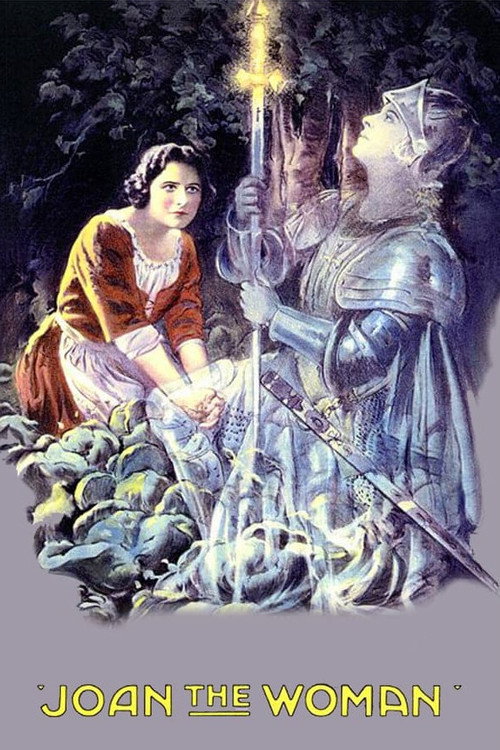
Joan the Woman1916
DeMille's Joan of Arc epic about sacrifice and spiritual conviction. The scale and ambition are different, but both films are about women choosing between earthly and higher goods.
But It's very long, very reverential, and the battle scenes haven't aged with grace. The tone can feel overwrought.
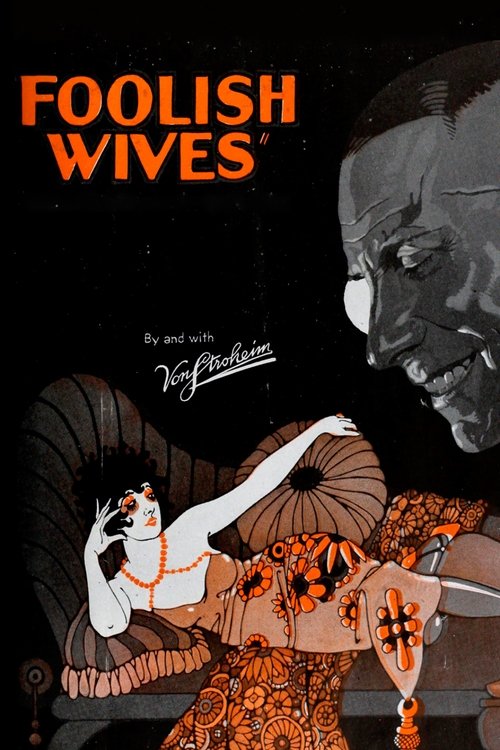
Foolish Wives1922
Stroheim again, this time on seduction and the underside of glamour. Adolphe Menjou (who's in *Woman of Paris*) is squalid and magnetic here.
But The print is incomplete and footage is missing. You're always aware you're watching a wounded thing.
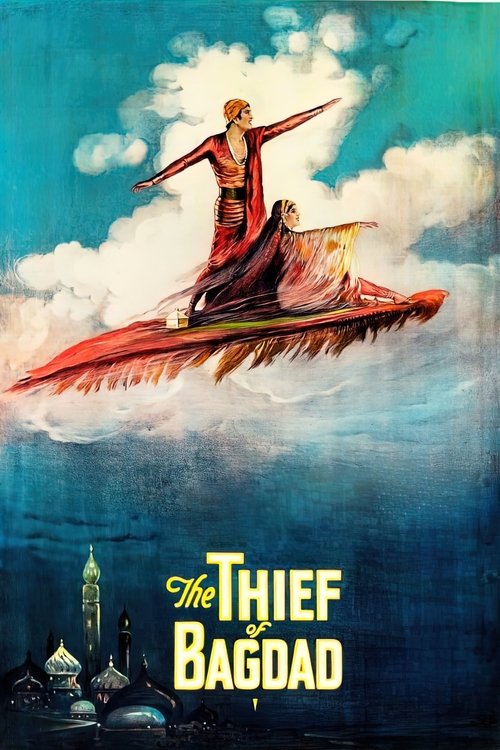
The Thief of Bagdad1924
Raoul Walsh's fantasy with Douglas Fairbanks is visually astounding and tells a love story with real stakes. A reminder that silent cinema could be joyful.
But The orientalism is casual and offensive by any standard. The story is thin beneath the spectacle.
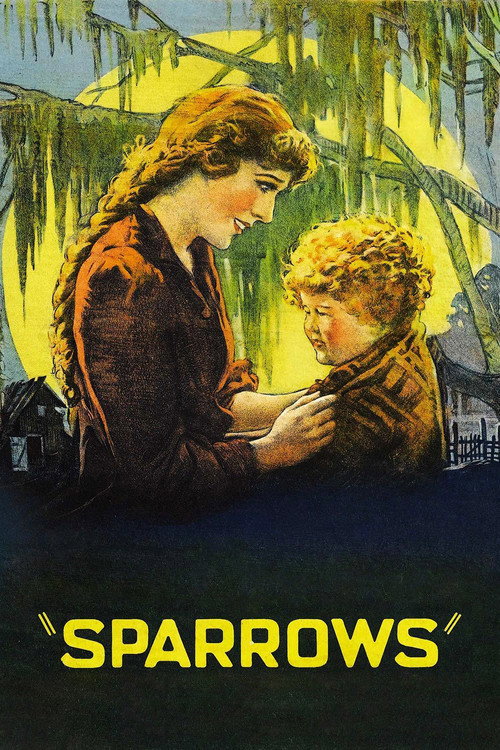
Sparrows1926
Mary Pickford in Beaudine's film about children in an orphanage. It's melodramatic but earned, and shows how sentiment worked best when grounded in real suffering.
But The cuteness factor is high. If child actors make you squirm, this will test that.
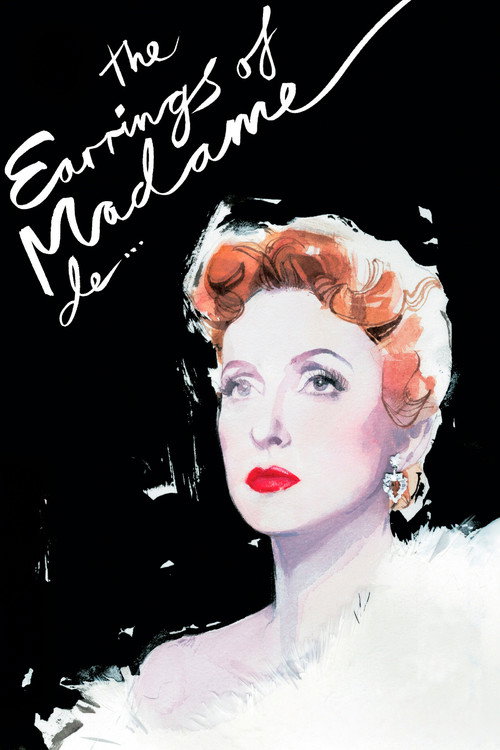
The Earrings of Madame de...1953
Same plot engine; opposite mood. Shows how the same story works as tragedy or drawing-room comedy depending on the temperature.
Ophüls' French comedy about adultery and the objects that track infidelity. It's light where *Woman of Paris* is grave, but structurally identical—a woman between two men, a test of character.
But It's in French with subtitles, and the froth can feel weightless. The cynicism about love and marriage might land as cold.
Jeanne Dielman, 23, quai du Commerce, 1080 Bruxelles1976
Both films trust silence and stillness. Both find drama in small choices. Both refuse to sentimentalise a woman's predicament—just show it.
Chantal Akerman's three-hour film about a widow's routine days and the moment it fractures. It sounds boring and it's hypnotic—a meditation on what women do, what they want, and the cost of routine.
But Three hours of quotidian detail. Shots held longer than narrative logic would suggest. You have to want to watch someone make a meal.

People
Cast
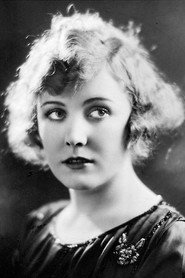 Edna PurvianceMarie St. Clair
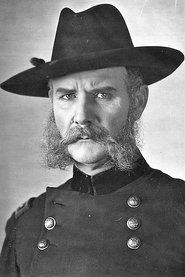 Clarence GeldartMarie's Step-Father
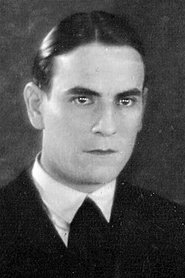 Carl MillerJean Millet
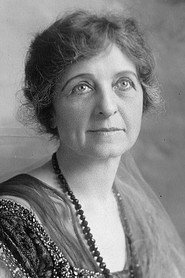 Lydia KnottJean's Mother
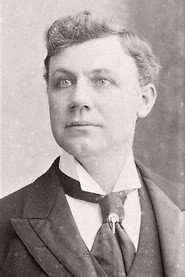 Charles K. FrenchJean's Father
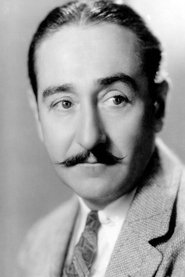 Adolphe MenjouPierre Revel
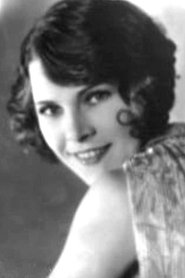 Betty MorrisseyFifi
- Malvina PoloPaulette
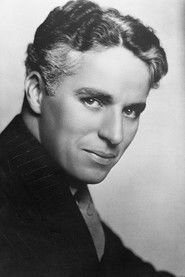 Charlie ChaplinStation Porter (uncredited)
 Bess FlowersMannequin (uncredited)
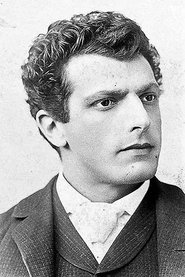 Henry BergmanHead Waiter (uncredited)
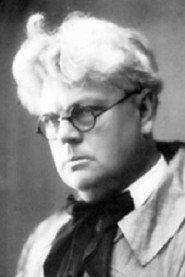 Granville RedmondMan in Nightclub (uncredited)
Recommended by
The Quiet American, The Bottle Imp, Fires of Fate, Let's Make It Legal, Quo Vadis?, Camille, Madame Sans-Gêne