
Film
Madame Sans-Gêne
- Comedy
- Light-hearted
A Parisian laundress crashes Napoleon's court with her sharp tongue and common sense, turning 1941 French comedy into a gleeful class comedy. Arletty is delightful as a woman who refuses to learn her place. It's light, fast, and deeply French—a palate cleanser made during occupation, when such fantasy mattered.
If you liked this
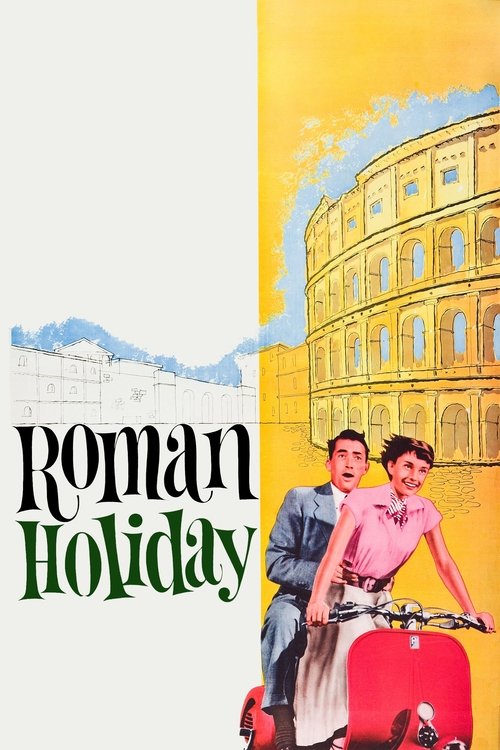
Roman Holiday1953
Audrey Hepburn as a princess playing truant through Rome with Gregory Peck. Charming, beautifully shot, and built on the same pleasure: watching someone break royal protocol and live for a day.
But It's romantic in a fairy-tale way that some find saccharine. The class barriers are softer here than in Madame Sans-Gêne.
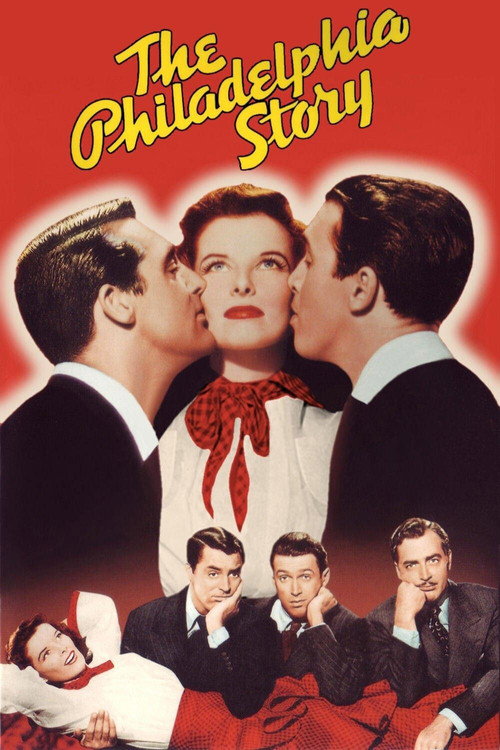
The Philadelphia Story1940
Cary Grant, Katherine Hepburn, and James Stewart in a comedy where Hepburn's sharp-tongued woman defies expectations at every turn. Witty dialogue, impeccable timing, and a woman who won't be tamed.
But Released just before Madame Sans-Gêne, so it might feel like you're seeing the American answer twice. High-society settings aren't for everyone.
Singin' in the Rain1952
Gene Kelly, Donald O'Connor, and Debbie Reynolds in a film that wears its joy so lightly it seems effortless. Post-war entertainment at its most buoyant and skilled, full of the same scrappy charm.
But The Hollywood setting and musical-within-a-film frame can feel dated. Some find pure spectacle without stakes exhausting rather than liberating.

Not sure tonight? Get a pick in a minute, starting from Madame Sans-Gêne
The wildcard
Something you would not have found on your own.
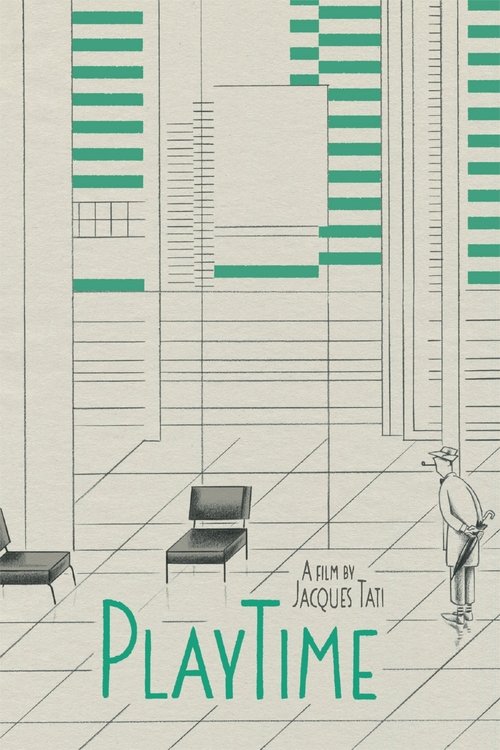
PlayTime1967
Both are love letters to Paris that work through class collision and physical comedy. One is screwball dialogue, one is silent observation—but both trust the city itself to be funny.
Jacques Tati's vast comedy about a woman and a man navigating a modernist Paris through slapstick and architectural jokes. It's set in a gleaming new Paris versus Madame Sans-Gêne's older one, but both are comedies about being out of place.
But Shot in 70mm and running 155 minutes, it's visually dense and deliberately slow. There's almost no plot. The humor requires you to watch the entire frame, not just the center.
More like this (8)
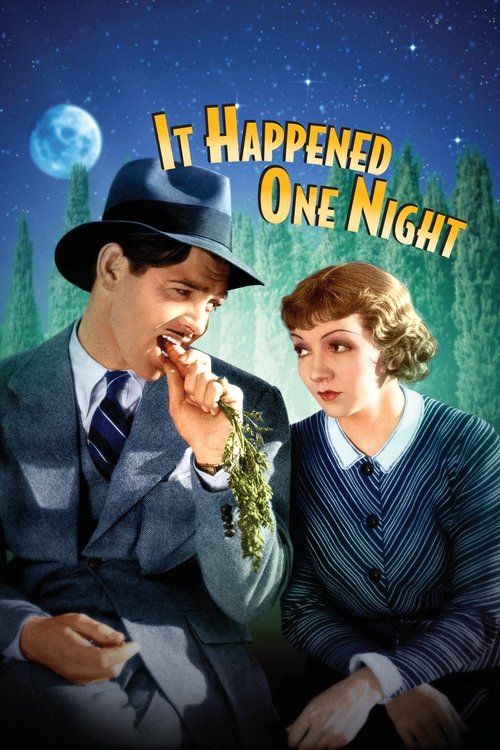
It Happened One Night1934
Claudette Colbert and Clark Gable's runaway heiress meets a reporter. Snappy, affectionate, and built entirely on the energy of two people refusing to behave as their station demands.
But Pre-Code screwball can feel frantic if you're not in the mood. Pacing that feels brilliant to some lands as exhausting to others.
Breakfast at Tiffany's1961
Audrey Hepburn as Holly Golightly, a woman who makes her own rules in a world desperate to contain her. Stylish, tender, and built on the same core: a woman's refusal to conform.
But The film softens the source novel significantly. Some find it too glossy and pretty for its own good.

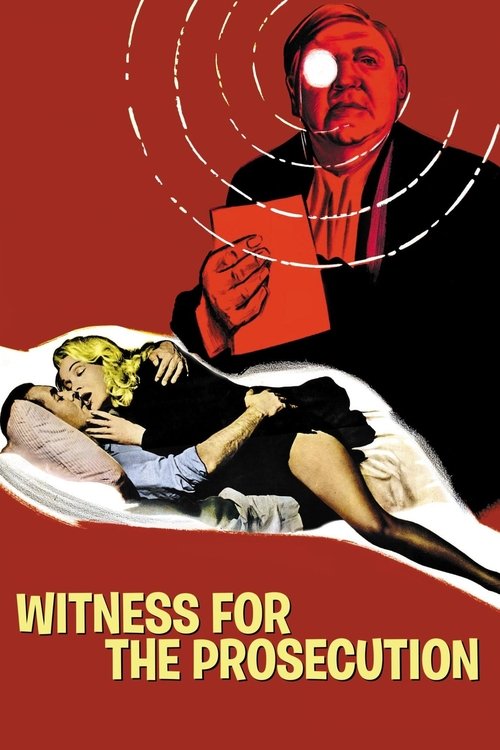
Witness for the Prosecution1957
Marlene Dietrich in a courtroom drama that hinges on a woman's commanding presence and refusal to play by the rules. Sharp dialogue, genuine stakes, and a performance that crackles.
But It's a heavy mystery, not a comedy. The tone shift from Madame Sans-Gêne might feel jarring rather than rewarding.
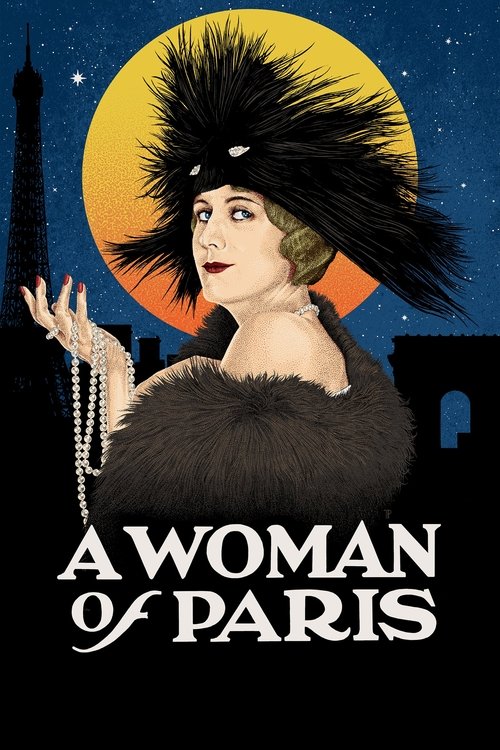
A Woman of Paris: A Drama of Fate1923
Charlie Chaplin's only dramatic film, following a woman who refuses victimhood and makes her own way in a cruel world. Sophisticated, quietly powerful, a different register altogether.
But Silent, and shot in a restrained style that requires patience. The morality is murky in ways modern audiences don't always expect.
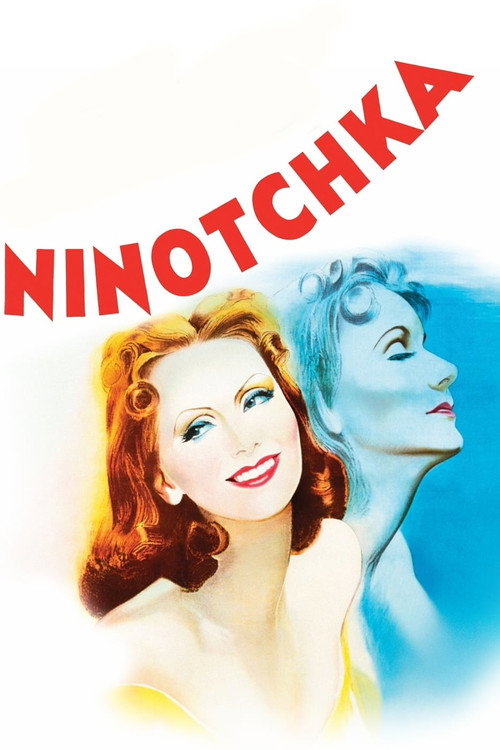
Ninotchka1939
Greta Garbo as a Soviet envoy undone by Paris and Melvyn Douglas. Espionage comedy where the real joke is watching a woman's armor crack. Witty and genuinely moving beneath the laughs.
But The Soviet satire feels period-specific. Some find Garbo's glacial performance off-putting rather than magnetic.
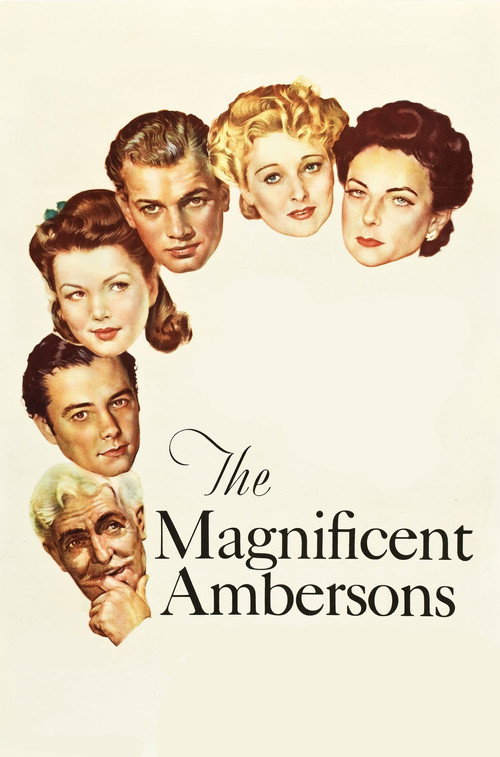
The Magnificent Ambersons1942
Orson Welles directing a chamber piece about class and decline in a changing America. More serious than Madame Sans-Gêne, but the same current runs underneath: society shifting, old orders collapsing.
But It's heavy, deliberately paced, and ends ambiguously. You have to sit with discomfort rather than laugh through it.
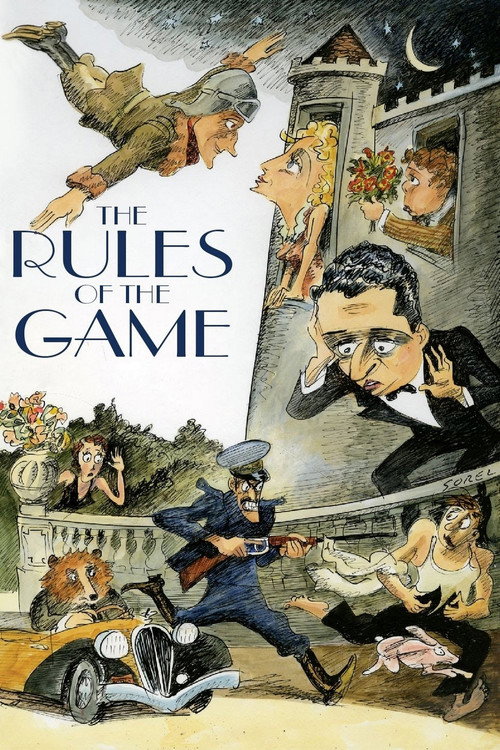
The Rules of the Game1939
Both films are French comedies about class boundaries being violated at a crucial historical moment. One is anarchic joy, one is tragic inevitability—but they're asking the same question about what holds society together.
Jean Renoir's masterpiece about a weekend party where social rules crack and collapse. Made in France on the eve of war, it's a far more serious film, but the engine is identical: watching rigid hierarchies shatter against human desire.
But It's a complex ensemble piece with no clear protagonist. The tone shifts between comedy and tragedy. It demands to be watched carefully, not passively.
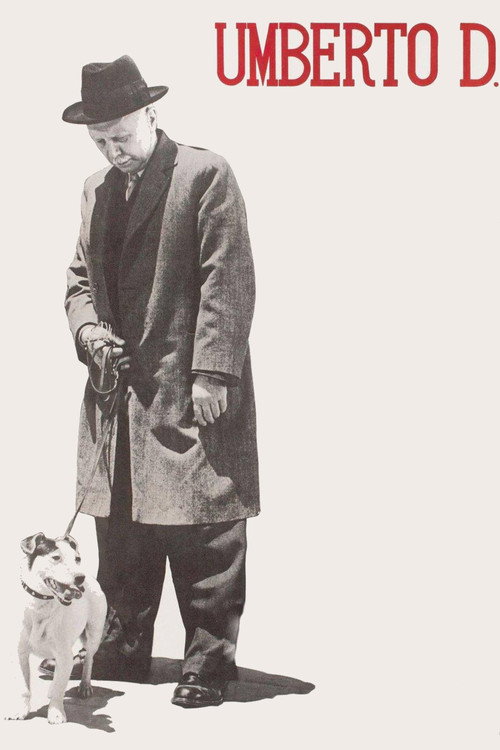
Umberto D.1952
Both films center an underclass woman navigating a world that doesn't respect her. One dances through it, one endures it—but both are about dignity in the face of indifference.
Vittorio De Sica's neorealist film about an elderly retired bureaucrat and his housemaid fighting eviction. It has none of Madame Sans-Gêne's lightness, but the same preoccupation: how people with nothing survive in a system rigged against them.
But It's bleak and quiet. The pleasures are minimal and hard-won. If you want entertainment rather than moral challenge, this will feel punishing.
People
Cast
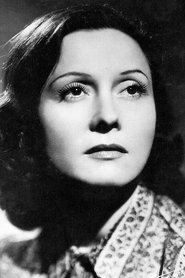 ArlettyCatherine Hubscher
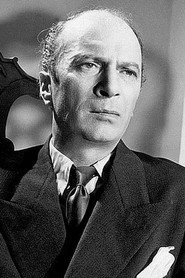 Aimé ClariondChief of police Fouché
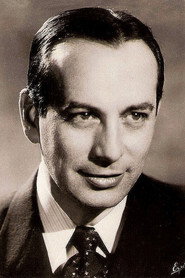 Maurice EscandeCount of Neipperg
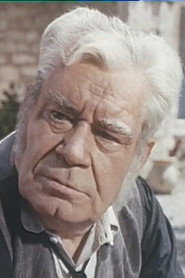 Henri NassietMarshal Lefebvre
- Jeanne ReinhardtQueen Caroline
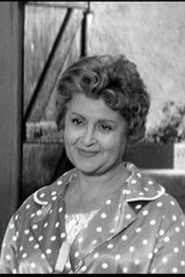 Madeleine SylvainPrincess Élisa
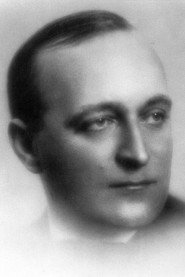 Albert DieudonnéNapoléon 1er
- Geneviève AugerEmpress Marie-Louise
 Mona DolMadame de Bülow
- Ror VolmarSinger
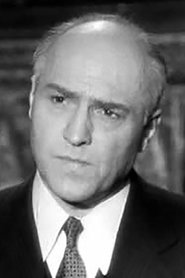 André CarnègeSavary
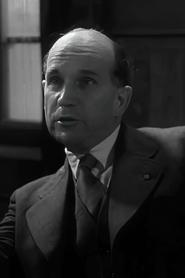 Paul AmiotMaximilen de Robespierre
Directing
- Roger RichebéDirector
Writing
- Pierre LestringuezDialogue
- Emile CrouzetNovel
- Victorien SardouNovel
- Jean AurencheScreenplay
- Roger RichebéScreenplay