
Film
Ninotchka
A stiff Soviet envoy arrives in Paris to sell confiscated jewels and ends up seduced by champagne, silk stockings and one very persistent count. Garbo's only real comic performance turns her legendary severity into the punchline, then into something surprisingly tender. Lubitsch directs with his famous 'touch' — nothing is said outright that a raised eyebrow can't say better. For anyone who thinks 1930s political satire and old Hollywood glamour can be sharp, warm and funny at once.
If you liked this
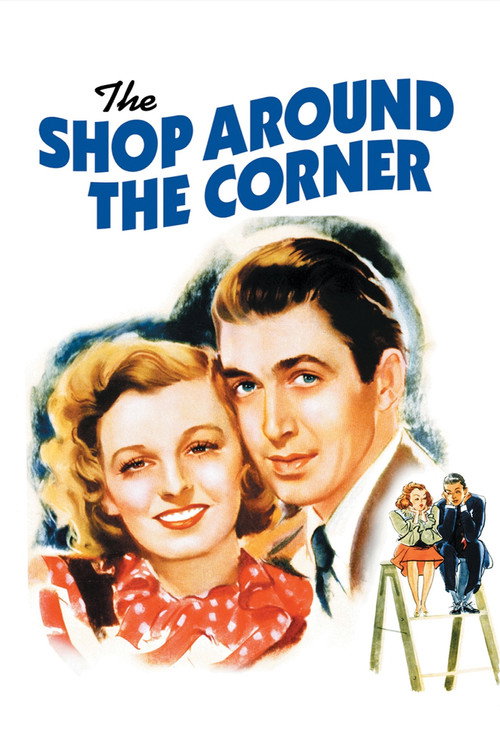
The Shop Around the Corner1940
Lubitsch's other 1940 miracle — a tender, funny romance between two department-store clerks who despise each other in person and adore each other on paper. Same warmth, same precision, arguably even better.
But No political satire here, just a small shop and small lives — if you wanted Cold War bite, this is pure sweetness instead.
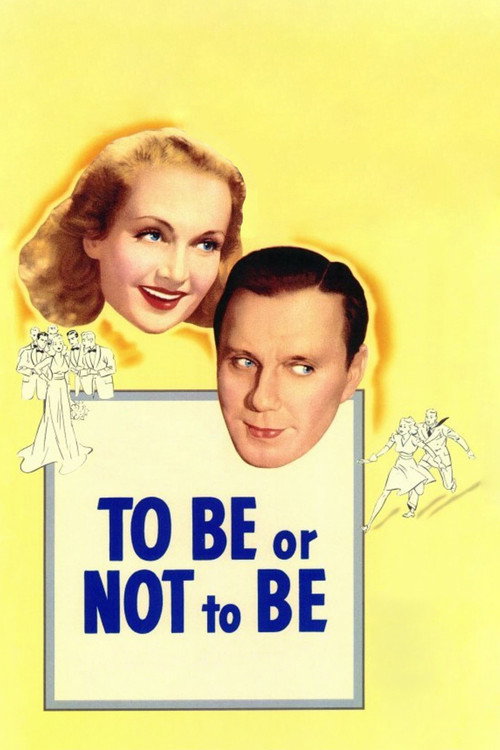
To Be or Not to Be1942
Lubitsch turns Nazi-occupied Warsaw into a stage for a theatre troupe's wildest performance yet, mixing farce with real danger in a way only he could pull off without flinching.
But The comedy sits right next to genuine menace, which some viewers find tonally jarring rather than daring.
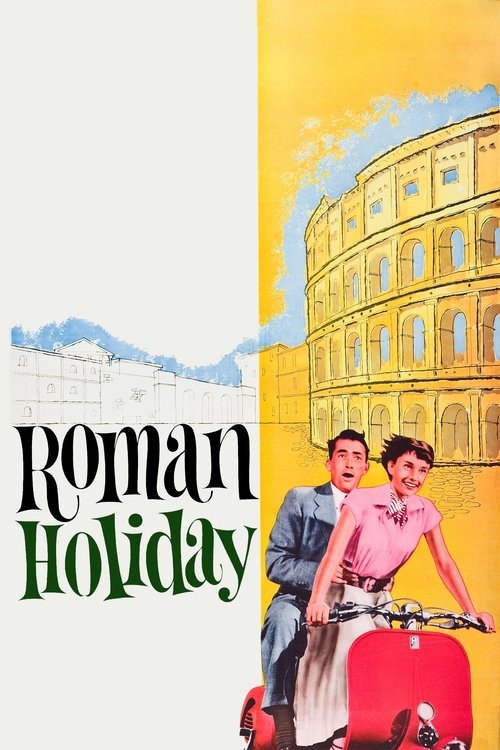
Roman Holiday1953
A dutiful princess sheds her handlers for one glorious day with a charming reporter in Rome — the same premise of duty melting under romance, with Audrey Hepburn at her most luminous.
But It's gentler and sadder underneath the fizz; the ending trades punchlines for wistfulness.
The wildcard
Something you would not have found on your own.
The Marriage Circle1924no page yet
This is the film where Lubitsch invented the 'touch' Ninotchka runs on — the same trick of letting glances and objects do the talking, fifteen years earlier and without a single line of dialogue.
Watch the exact visual grammar Ninotchka inherits: a door, a glance, a misplaced object telling you everything a line of dialogue would. Silent comedy at its most sophisticated and mischievous.
But No sound, no Garbo, and modern viewers often need a minute to adjust to silent-film pacing and intertitles.
More like this (8)
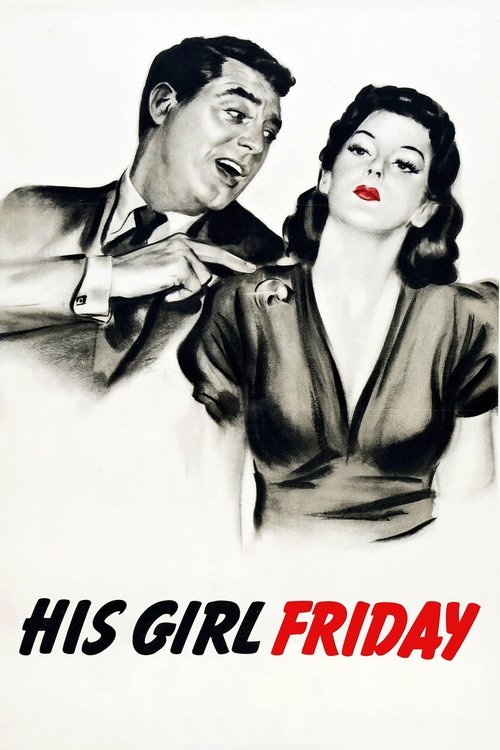
His Girl Friday1940
Dialogue fired at machine-gun speed between two people who can't stop sparring or loving it, with Rosalind Russell matching every quip Cary Grant throws at her.
But The newsroom cynicism and rapid pace can feel exhausting if you wanted something more languid.
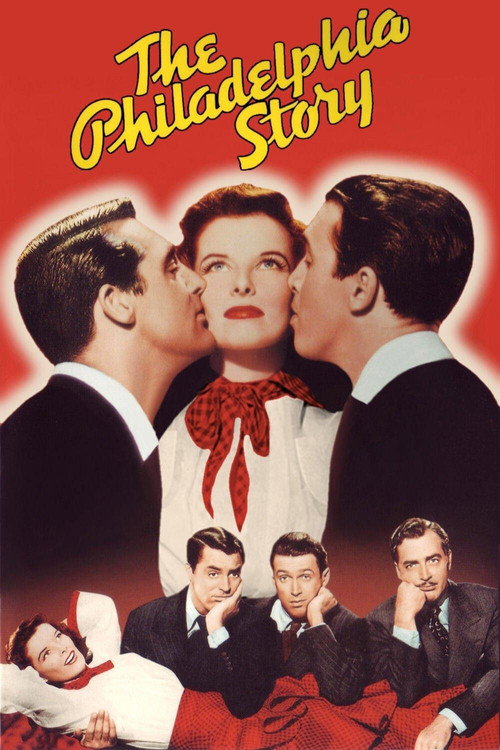
The Philadelphia Story1940
High-society wit, a woman fielding three suitors with icy poise that slowly cracks, and dialogue so polished it practically sparkles on screen.
But The politics here are class, not ideology — if you wanted satire with teeth, this is softer.
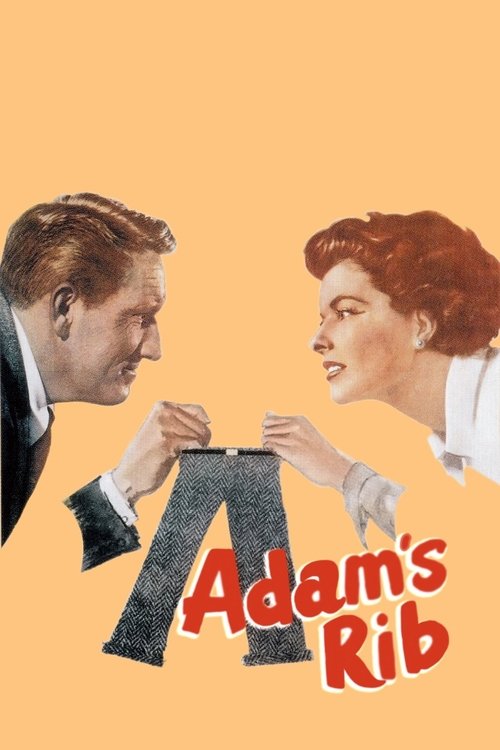
Adam's Rib1949
Tracy and Hepburn play married lawyers on opposite sides of a case, turning courtroom sparring into the sharpest kind of marital comedy.
But It's more argument than romance for long stretches — less swoon, more debate.
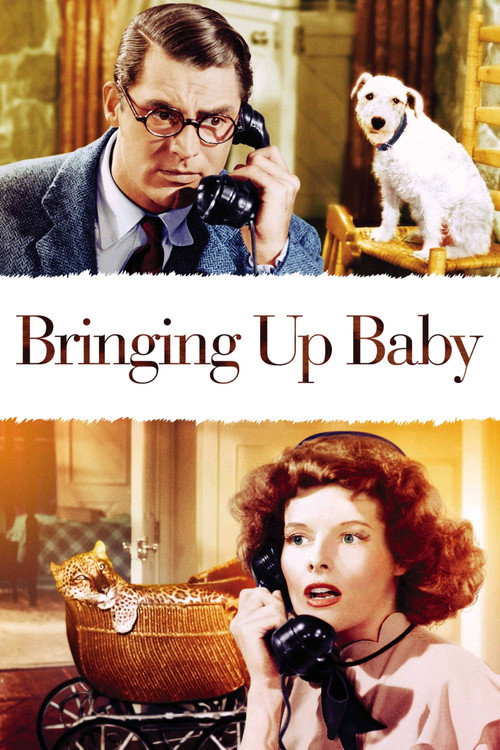
Bringing Up Baby1938
Pure screwball chaos: a leopard, a dinosaur bone, and Cary Grant losing his mind opposite Katharine Hepburn at her most delightfully unstoppable.
But The manic energy never lets up — no quiet Lubitsch pauses, just constant escalating farce.
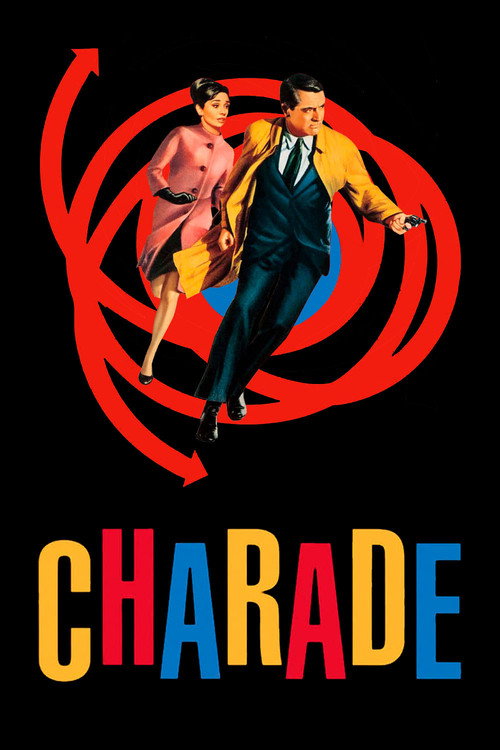
Charade1963
Paris again, but this time wrapped in a Hitchcock-flavoured mystery, with Audrey Hepburn and Cary Grant trading charm and suspicion in equal measure.
But It's a thriller first, romance second — the stakes are higher and the tone less playful.
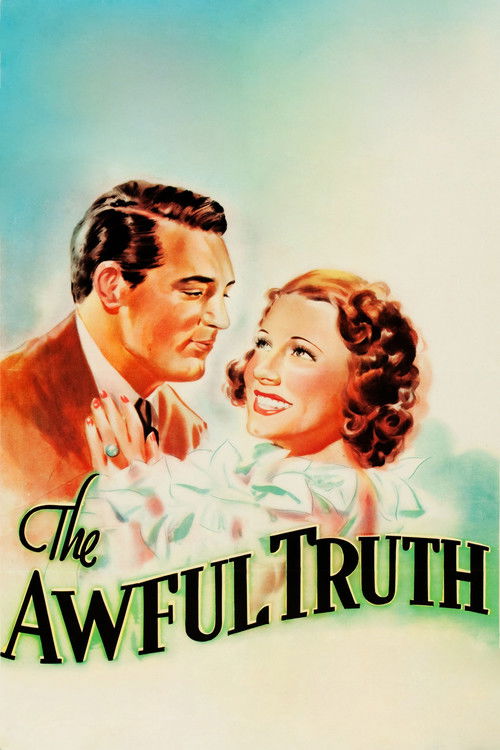
The Awful Truth1937
A divorcing couple sabotage each other's new romances while clearly still in love, in one of the screwball genre's funniest and most influential entries.
But It's an earlier, rougher screwball template — some jokes feel dated compared to Lubitsch's later polish.
The Lives of Others2006
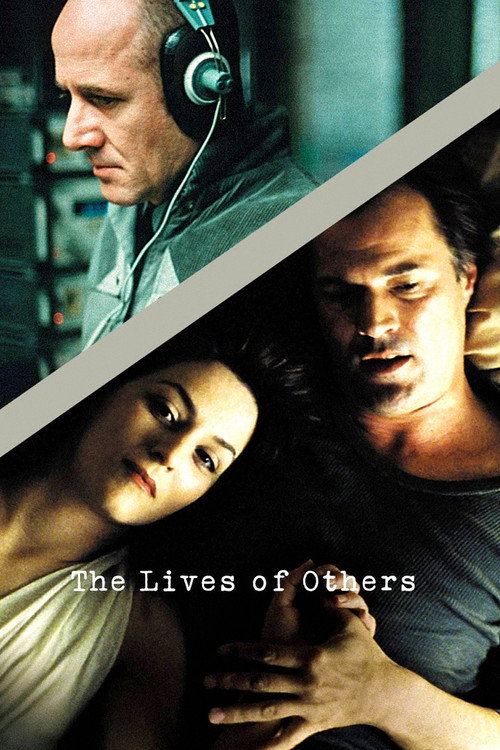
Same ideological premise — a state agent assigned to watch, judge or convert someone who represents everything the system distrusts — but played entirely straight, as tragedy rather than farce.
The Stasi surveillance drama that answers the question Ninotchka never has to: what happens when the state actually wins? Devastating, precise, and one of the great modern political films.
But There is no champagne here, no jokes, no happy Parisian ending — this one will genuinely upset you.
The Americans2013
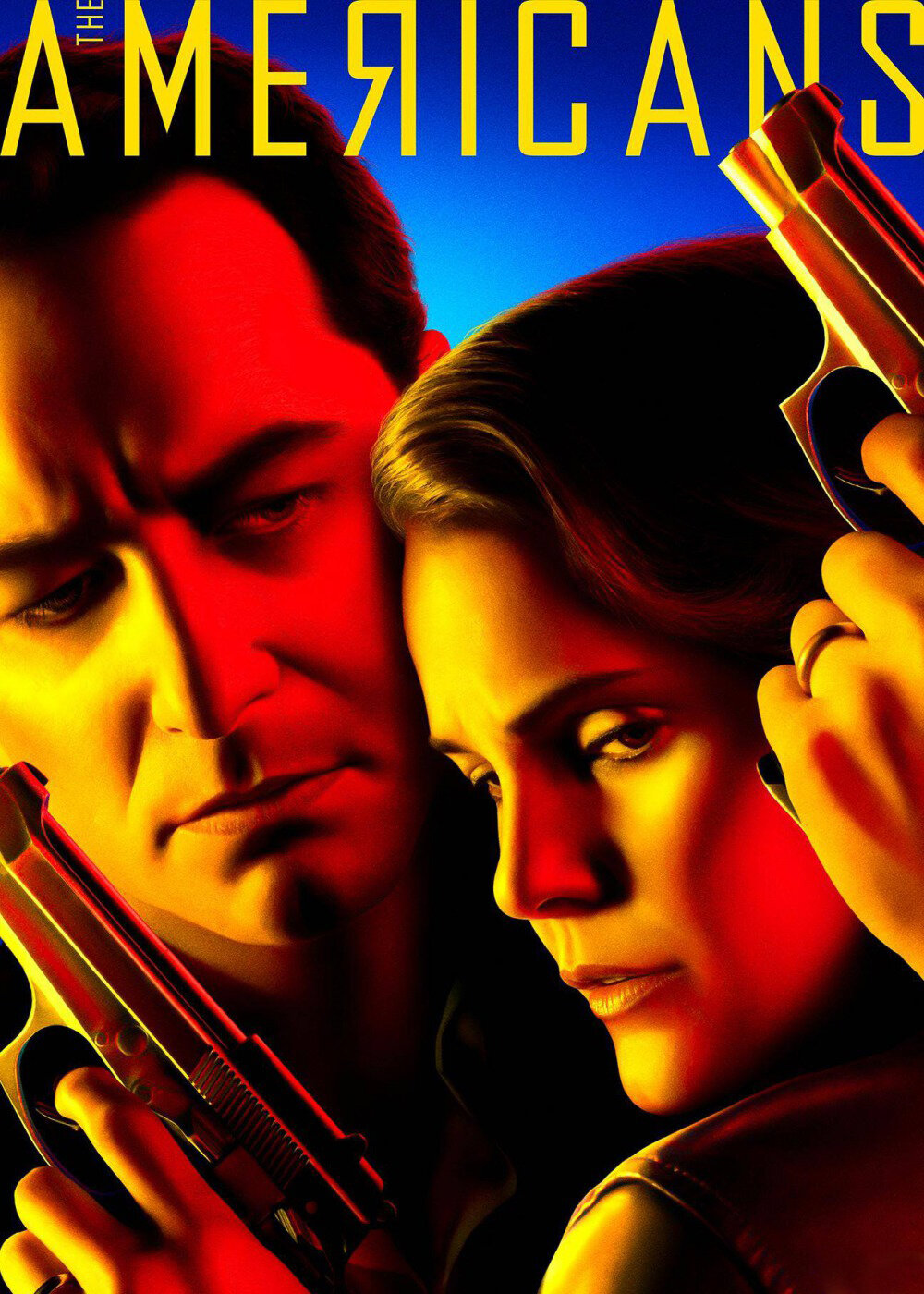
Takes the Cold War seduction of ideology and stretches it across six seasons of espionage, marriage and deep-cover identity — the same question of whether love can survive political conviction, played for keeps.
A married pair of Soviet spies embedded in 1980s America, forced to seduce, betray and occasionally love people on the other side. Tense, morally messy, addictive across six seasons.
But It's a serious, slow-burn thriller with real violence — nothing like the light comic register of Ninotchka.
People
Cast
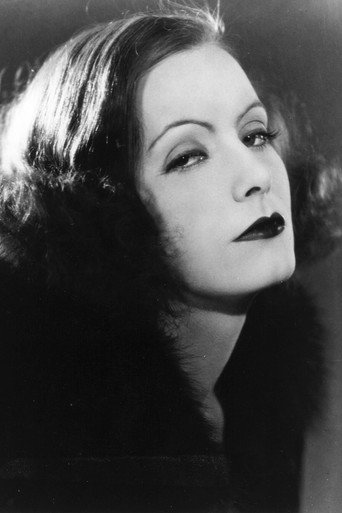 Greta GarboNina "Ninotchka" Ivanovna Yakushova
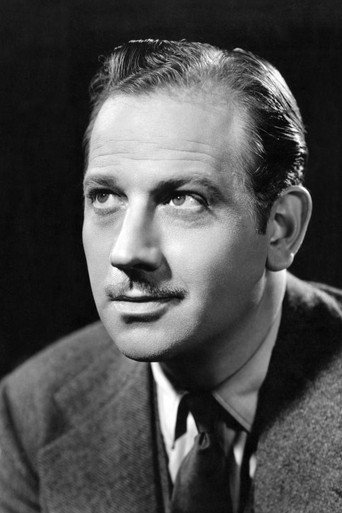 Melvyn DouglasCount Leon d'Algout
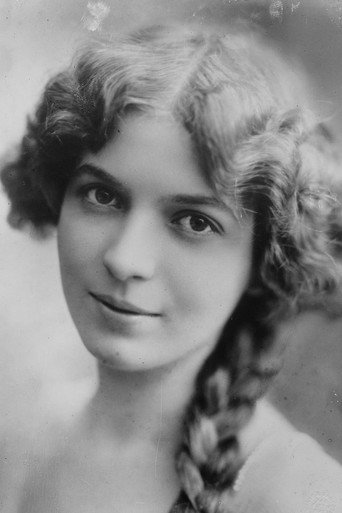 Ina ClaireGrand Duchess Swana
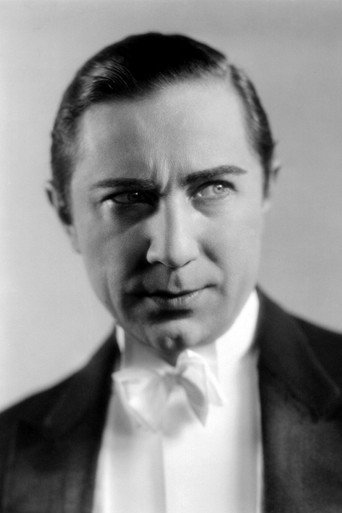 Bela LugosiCommissar Razinin
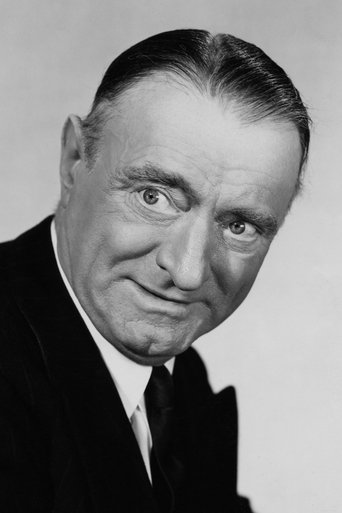 Sig RumanComrade Iranoff
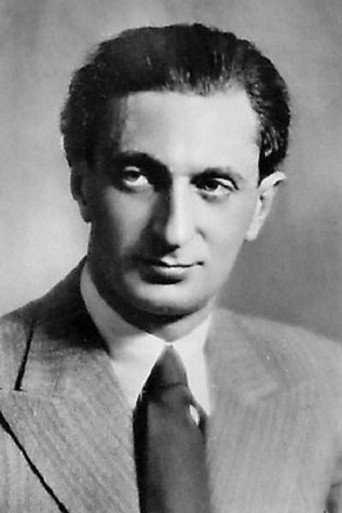 Felix BressartComrade Buljanoff
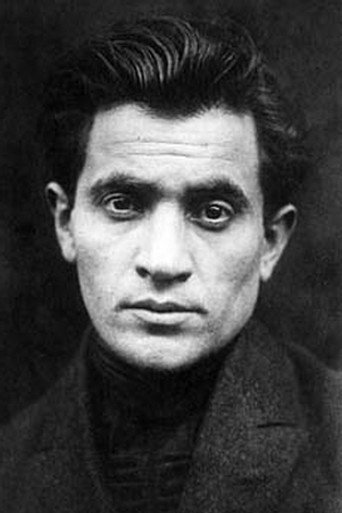 Alexander GranachComrade Kopalski
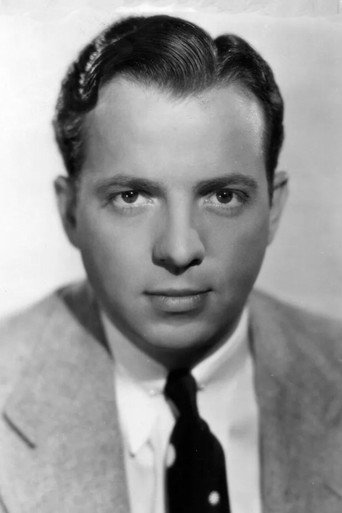 Gregory GayeCount Alexis Rakonin
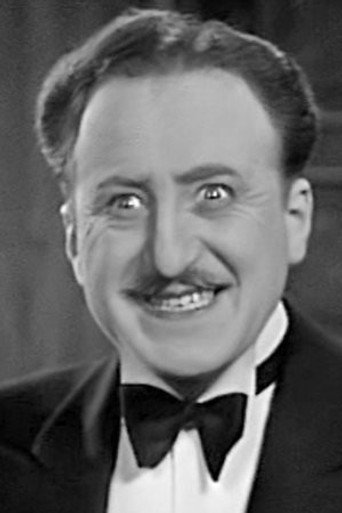 Rolfe SedanHotel Manager
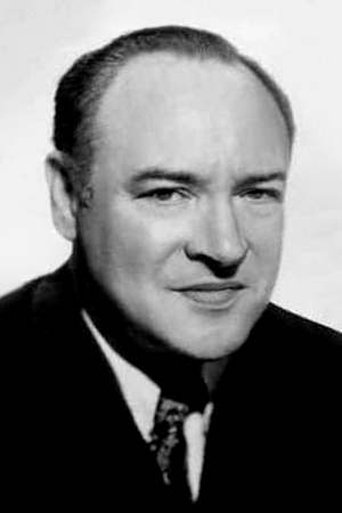 Edwin MaxwellMercier
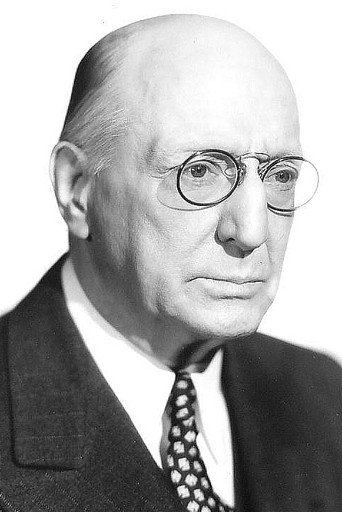 Richard CarleGaston
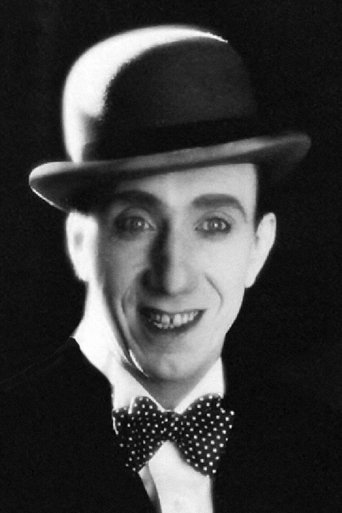 George DavisPorter at Railroad Station (uncredited)
Directing
- Horace HoughAssistant Director
- Ernst LubitschDirector
- John WatersSecond Unit Director
Writing
- Billy WilderScreenplay
- Charles BrackettScreenplay
- Walter ReischScreenplay
- Melchior LengyelStory
Production
- Sidney FranklinAssociate Producer
- Ernst LubitschExecutive Producer
Recommended by
Roman Holiday, Silk Stockings, The Shop Around the Corner, Good Bye, Lenin!, The Russians Are Coming! The Russians Are Coming!, Design for Living, Heaven Can Wait