
Film
Midnight
Other titles called Midnight: the 1934 film, the 2013 series (Comedy Central).
A scrappy American showgirl stranded in Paris talks her way into high society by pretending to be Hungarian nobility. Billy Wilder's debut directorial feature crackles with wit, timing, and the kind of romantic entanglement that spirals into beautiful chaos. It's for anyone who loves dialogue that bounces like a tennis match and characters who scheme their way into your heart.
Should you watch it?
Watch it if you like screwball comedy built on snappy dialogue, a heroine improvising her way through a lie, and the pleasure of watching sophisticated people get outwitted by someone quicker than them.
Skip it if you find 1930s farce mannered; the jokes lean on misunderstandings and posh stage business that can feel stagey, and the romance stays polite rather than hot.
What it asks of you: Ninety-four minutes, light and quick, with dialogue doing most of the work; you need to keep up with rapid exchanges and accept a premise built on pure pretense.
Not sure? Find tonight's pick in a minute.
If you liked this
Breakfast at Tiffany's1961
Audrey Hepburn as a woman reinventing herself in New York, charming her way through a world not quite ready for her. Sharp, romantic, and built on the same foundation of style obscuring deeper loneliness.
But The film hasn't aged perfectly—some elements feel dated in uncomfortable ways, and the tone wavers between romantic comedy and something sadder.

Singin' in the Rain1952
Pure joy: songs, dancing, and a con artist's scheme to pass off a non-speaking extra as a star. Technically audacious, emotionally buoyant, with the same pleasure in watching people talk and move faster than life.
But If you're not in the mood for full-throated musical numbers, it can feel relentless. And some of the gender dynamics are very much of their era.

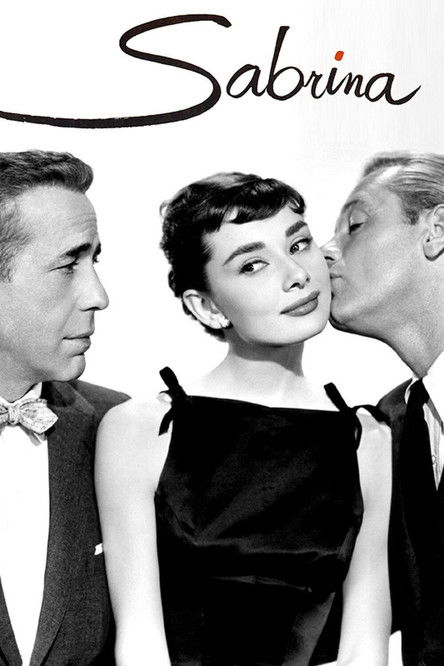
Sabrina1954
Audrey Hepburn again, but here as the daughter of a chauffeur who goes to Paris, returns transformed, and tangles two brothers. Wilder directed this too—the same control of romantic misdirection and the same belief in the power of a good entrance.
But The class politics are more felt than examined. And if you prefer your comedies unsentimentally funny, this one lets tenderness in.
Not sure tonight? Get a pick in a minute, starting from Midnight
The wildcard
Something you would not have found on your own.
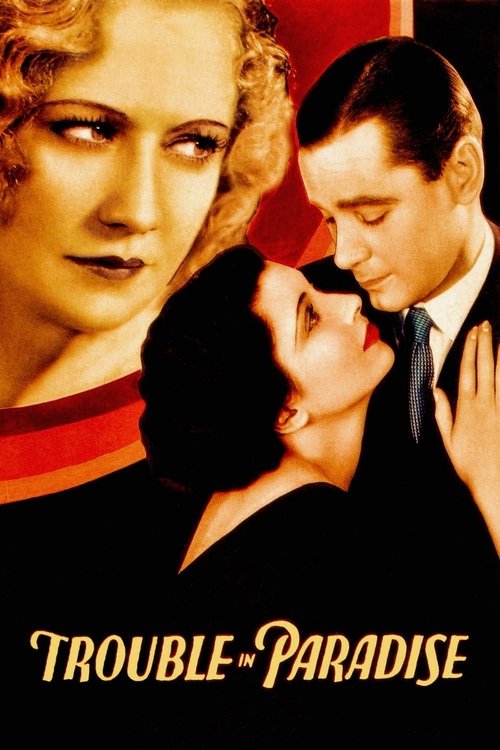
Trouble in Paradise1932
Both are comedies built on the architecture of the long con, where the pleasure is watching intelligent people lie beautifully and fall for each other anyway.
Ernst Lubitsch's masterpiece about a con artist couple in Venice pretending to be legitimate. It moves like Midnight—urbane, sensual, and convinced that charm and deception are the same currency. But it's earlier, sharper, and far more openly erotic.
But The print quality can be variable; Lubitsch's style is oblique and requires you to read between the images. It won't spell anything out.
More like this (8)
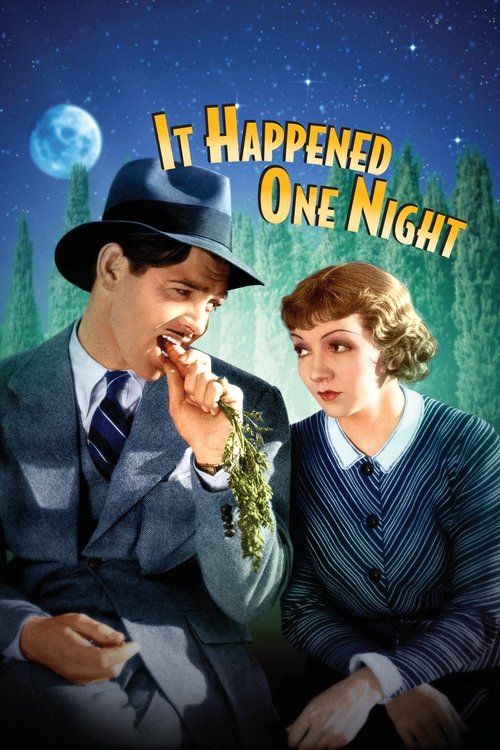
It Happened One Night1934
A runaway heiress and a reporter. Snappy dialogue, genuine chemistry, and the blueprint for every romantic comedy that knows how to make banter feel like foreplay. Claudette Colbert's energy here is infectious.
But The pacing is 1930s pacing—some scenes breathe in ways modern viewers find slack. And the class commentary is gentle to the point of vanishing.
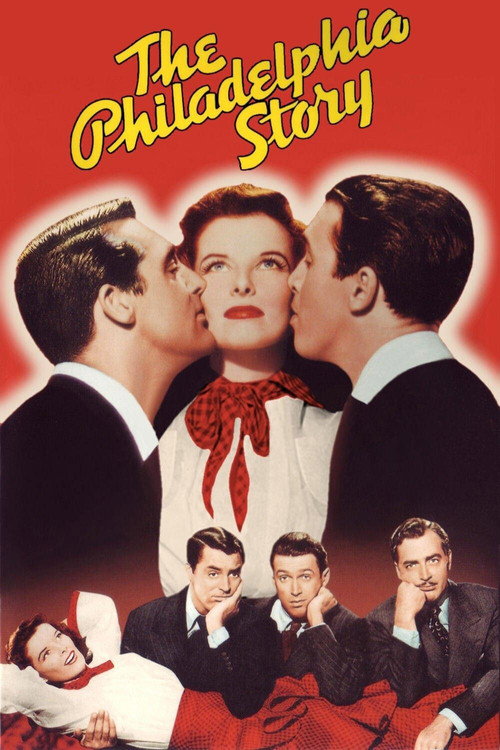
The Philadelphia Story1940
Cary Grant, Jimmy Stewart, and Katherine Hepburn in a comedy about reinvention and seeing people clearly. It has the same urbane confidence and the same belief that smart people can be deeply silly.
But Three megastars can overshadow the plot. If you prefer intimate comedies to star vehicles, the celebrity of it all gets in the way.
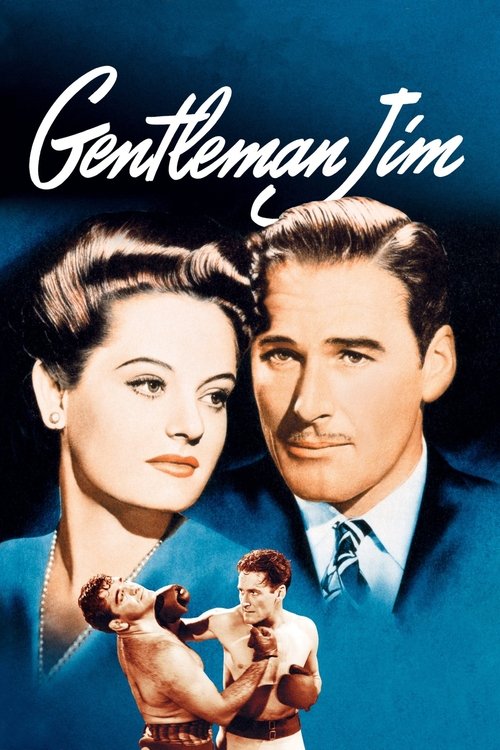
Gentleman Jim1942
Errol Flynn as a charming con man lying his way to fame in 1880s San Francisco. A lesser film than Midnight, but it shares the pleasure of watching a beautiful liar talk their way upward while everyone watches, half-delighted and half-skeptical.
But It's a biographical boxing film wrapped in a con. If either of those genres doesn't appeal, the other won't carry it.
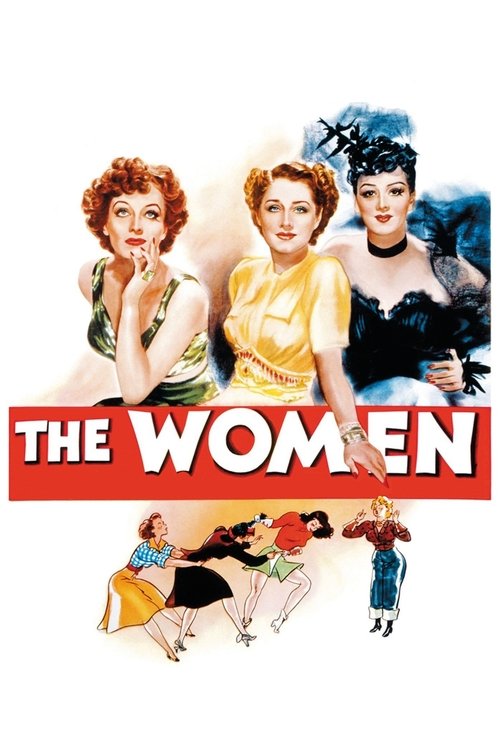
The Women1939
An all-female cast navigating Manhattan society, jealousy, and the work of looking fabulous. Rapid-fire comedy without a man to slow it down. Made the same year as Midnight and just as much fun.
But The plot hinges on infidelity and cattiness. If the women-at-war template feels dated or exhausting, the film won't convert you.
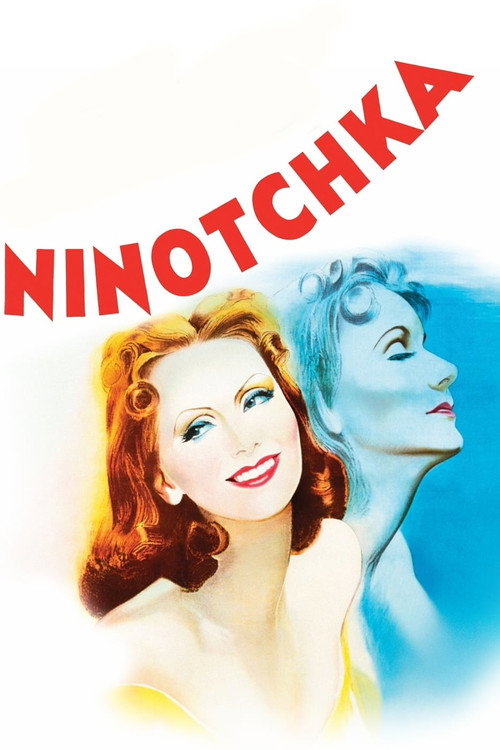
Ninotchka1939
Greta Garbo as a Soviet envoy undone by Paris and Melvyn Douglas. Another Wilder—another game of mistaken identity and ideological seduction. It's tender and funny in equal measure, with a lightness that belies its Cold War anxieties.
But The satire of Communism can feel thin now, and Garbo's glacial delivery isn't for everyone. It requires patience.
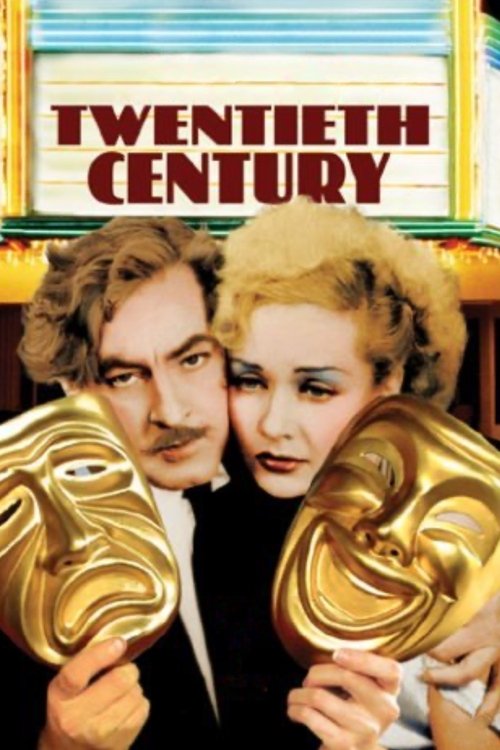
Twentieth Century1934
John Barrymore (who's also in Midnight!) and Carole Lombard on a train, theatrical and manic and devoted to outmaneuvering each other. The kinetic energy is extraordinary; it's like watching two comedians fence with words and timing.
But The hysteria is relentless—there's barely a quiet moment. And the aggression between the leads, though playful, can feel harsh.
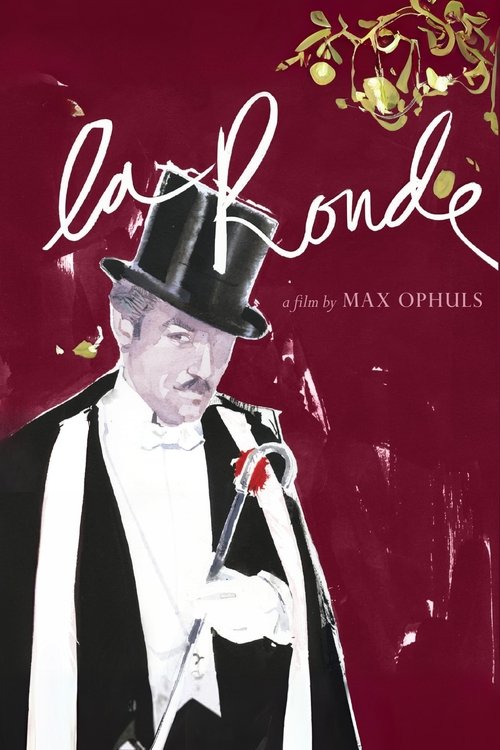
La Ronde1950
Both treat high society as a stage, people as performers, and seduction as an art form. Both are love letters to cities where looking good and saying the right thing matter more than being good.
Max Ophüls' carousel of Viennese seduction in the Belle Époque—each scene a flirtation, each one feeding into the next. Visually dazzling, and it shares Midnight's belief that romance and performance are inseparable, that Paris (or Vienna) is the best costume a person can wear.
But It's episodic and formal. If you want narrative momentum and emotional stakes, it's a film that floats above both. And the subtitles require attention.
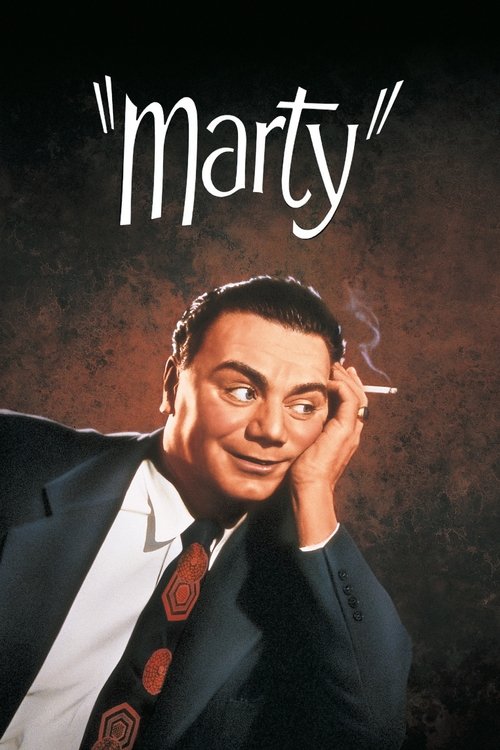
Marty1955
Both understand that romance, at its heart, is about two people recognizing each other. Midnight does it through masks and deception; Marty does it through honesty. One is the other's shadow.
A Butcher in the Bronx, lonely and unpromising, meets a lonely woman on a Saturday night. It's a half-hour TV play blown up to film—spare, tender, and utterly without pretense. The opposite of Midnight's glitter, but equally alive to the moment when two people stop performing and actually see each other.
But It's unglamorous and the pacing is deliberate. If you loved Midnight for its speed and shine, Marty will feel deliberately small and slow. Also, the gender dynamics are very 1950s.
People
Cast
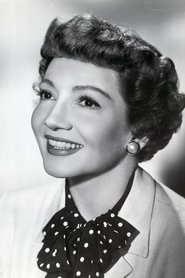 Claudette ColbertEve Peabody
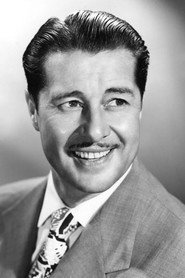 Don AmecheTibor Czerny
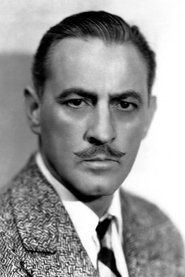 John BarrymoreGeorges Flammarion
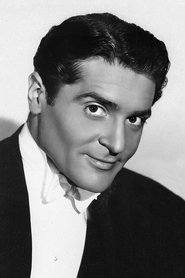 Francis LedererJacques Picot
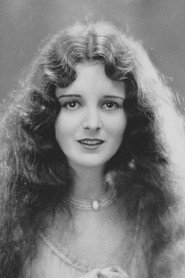 Mary AstorHelene Flammarion
 Elaine BarrieSimone
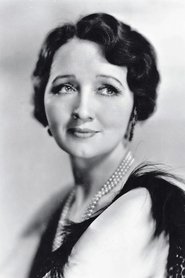 Hedda HopperStephanie
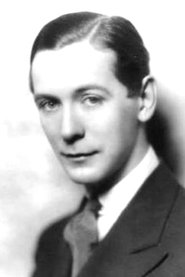 Rex O'MalleyMarcel
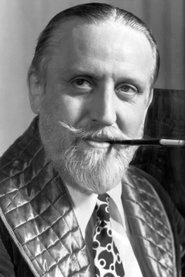 Monty WoolleyThe Judge
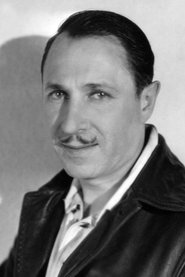 Armand KalizLebon
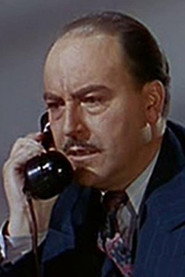 Eugene BordenPorter (uncredited)
 Paul BryarPorter (uncredited)
Directing
- Hal WalkerAssistant Director
- Mitchell LeisenDirector
- Hal WalkerSecond Unit Director
Writing
- Edwin Justus MayerOriginal Story
- Franz SchulzOriginal Story
- Billy WilderScreenplay
- Charles BrackettScreenplay
Production
- William LeBaronExecutive Producer
- Arthur Hornblow Jr.Producer
Recommended by
It Happened One Night, The Palm Beach Story, Nothing Sacred, The Ghost Goes West, The Enchanted Cottage, Sylvia Scarlett, Berkeley Square, Seven Keys to Baldpate, One Hour with You, Svengali, Ruggles of Red Gap, Easy Living, The Gorilla, Shopworn, It's a Wonderful World, Day-time Wife, The Great Garrick, Wonder Man, O. Henry's Full House, Girls About Town, The Man in the Mirror, Lady for a Day, The Saint Strikes Back, Fast and Loose, The Magnificent Dope, The Gilded Lily, Tovarich, Merrily We Live, The Bride Comes Home, Accent on Youth, Hands Across the Table