
Film
Hands Across the Table
A Depression-era romantic comedy about a manicurist and a lazy, broke fiancé who scheme to marry rich but keep falling for each other instead. Carole Lombard is radiant and sharp; the film moves like a perfectly timed dance, finding genuine warmth inside a premise about mercenary ambition. It's a reminder that 1930s Hollywood could make cynicism itself feel hopeful.
If you liked this
It Happened One Night1934
The gold standard of screwball romance. Claudette Colbert and Clark Gable have the same electric banter and class-clash energy, with a road-trip structure that lets both characters' walls come down. Essential viewing.
But It's a decade older than you might expect, and some of the pacing feels languid by modern standards. The romance takes its time earning the final act.

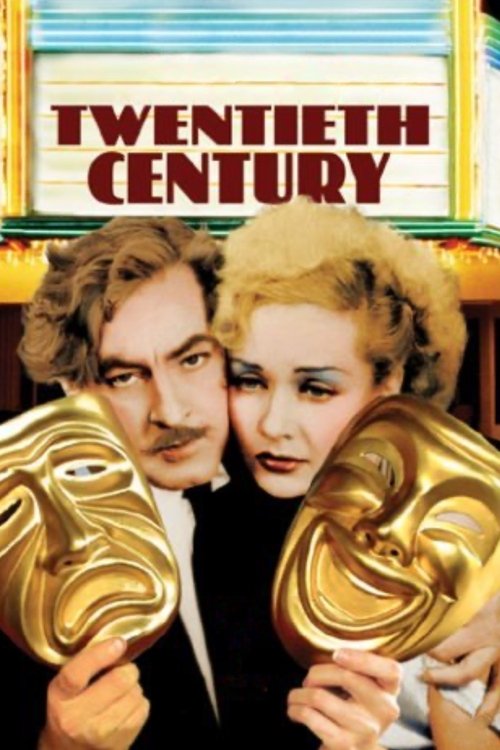
Twentieth Century1934
John Barrymore and Carole Lombard again, this time a stage director and actress locked in a backstage battle of egos and desire. Faster and meaner than Hands Across the Table, pure theatrical mayhem. Proof Lombard excelled at both styles.
But The theatricality can feel arch if you're not in the mood. It's winking at itself constantly, which some viewers find exhausting.
The Lady Eve1941
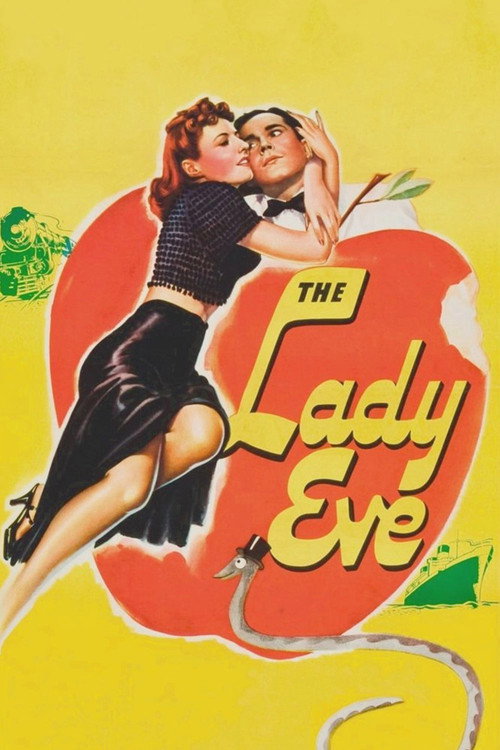
Preston Sturges' masterpiece about a con artist and a wealthy naif. It has the same DNA—fortune hunters, mistaken identities, genuine feeling under the schemes—but turned inside out with more elaborate plotting and darker comedy.
But It's longer and more convoluted. The middle section gets genuinely complicated, and some threads don't quite tie up neatly.
Not sure tonight? Get a pick in a minute, starting from Hands Across the Table
The wildcard
Something you would not have found on your own.
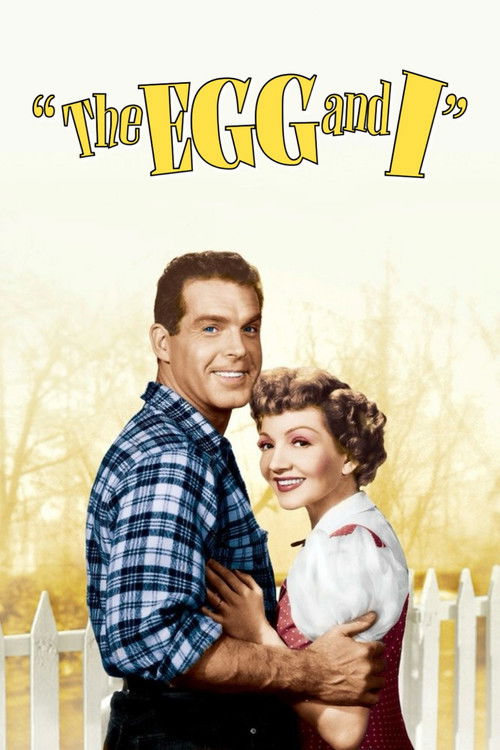
The Egg and I1947
Same central couple doing the inverse: instead of two fortune hunters choosing each other, two people from different worlds learning to make a life. MacMurray plays honest instead of idle.
Claudette Colbert as a city woman married off to a chicken farmer (Fred MacMurray). It's not a comedy about scheming to marry rich—it's what happens after you marry someone without money and have to actually live together. A gentler, more domestic answer to the same question.
But It's sentimental and slow. The stakes are domestic and small; if you want romance that feels consequential, this will feel slight.
More like this (8)
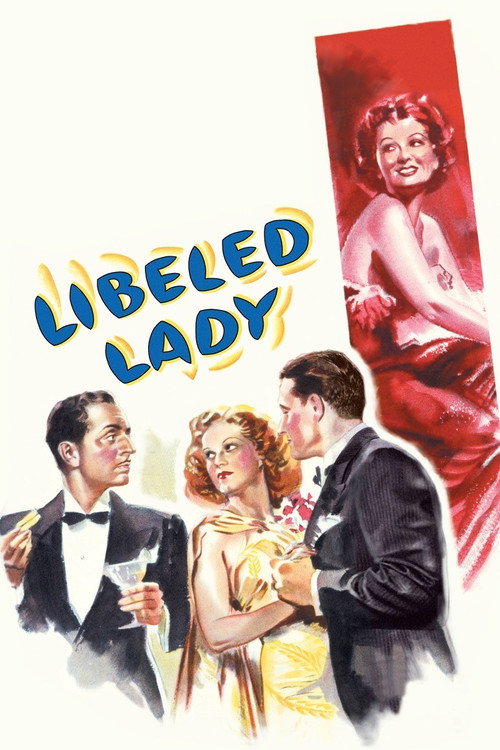
Libeled Lady1936
William Powell, Myrna Loy, Jean Harlow, and Spencer Tracy in a plot about fake courtship, newspaper schemes, and dancing around what they actually feel. Peak MGM screwball with four stars who all know exactly what they're doing.
But Four leads means the spotlight keeps moving. If you want a focused romance, this is too much of an ensemble comedy.
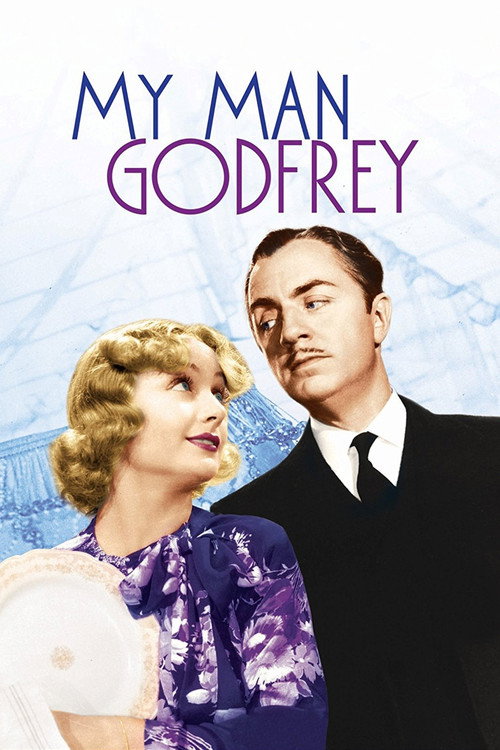
My Man Godfrey1936
William Powell as a depression hobo hired as a butler by a chaotic rich family. Like Hands Across the Table, it's about class, money, and the comedy of mistaken identity, but sadder and kinder about its portrait of want.
But The tone wavers between silly and serious in ways that don't always land. The ending shifts registers so abruptly it can feel jarring.
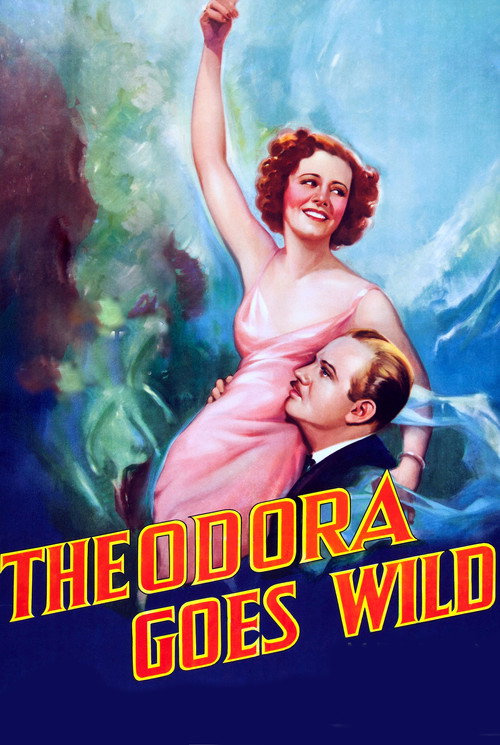
Theodora Goes Wild1936
Irene Dunne as a prim small-town woman hiding a secret identity. It's got the same playful deception and the same faith that people are bigger than their circumstances. Dunne brings warmth to what could be pure farce.
But It's smaller and quieter than you might want. The comedy relies on understated reactions rather than big set pieces.
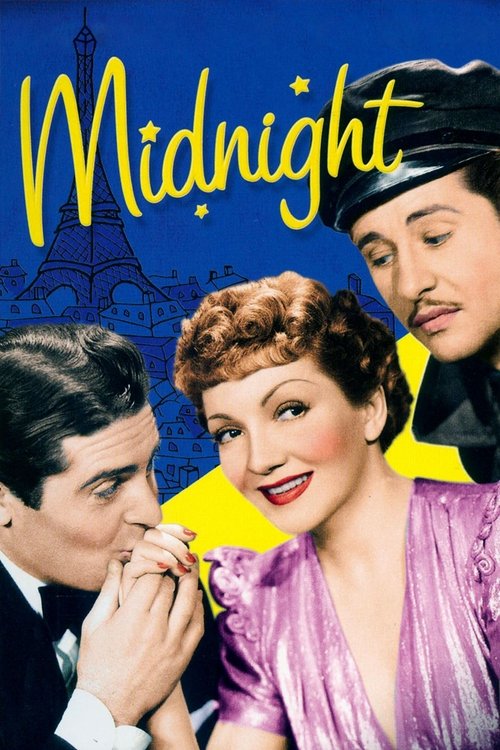
Midnight1939
Claudette Colbert as a penniless woman hired to seduce a man so his wife will divorce him. Another con with a heart. Billy Wilder directed, and you can feel the sophistication and moral ambiguity even in this lighter work.
But It's more elegant than hilarious. If you're hoping for belly laughs, it's too urbane and witty for that.
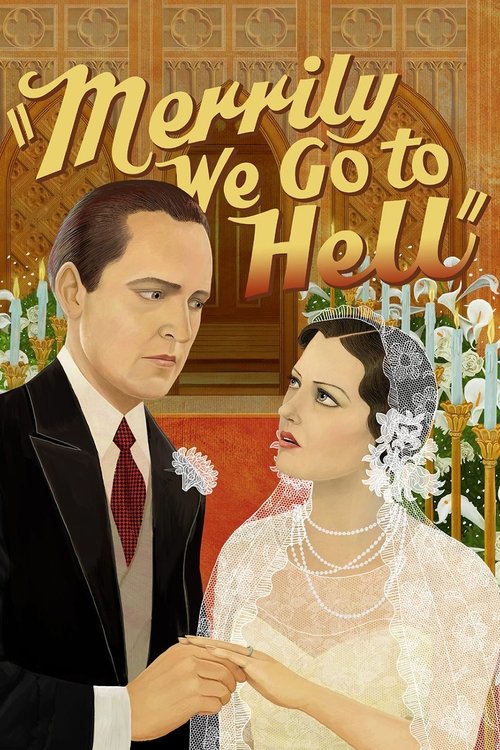
Merrily We Go to Hell1932
Fredric March and Sylvia Sidney as a playwright and an heiress. Darker and more cynical than Hands Across the Table—class warfare with actual bitterness—but with the same structure of money plotting that falls apart when real feeling arrives.
But It's genuinely bleak in stretches. The comedy is sardonic rather than buoyant, and the romance takes a backseat to character damage.
She Loves Me Not1934no page yet
Bing Crosby in a musical romantic comedy about an actress and a college student. If you want the same plot with songs and a lighter touch, this delivers. Crosby's charm carries it even when the story sags.
But The plot is paper-thin, and without Crosby's presence it would evaporate. The musical numbers interrupt rather than integrate the story.
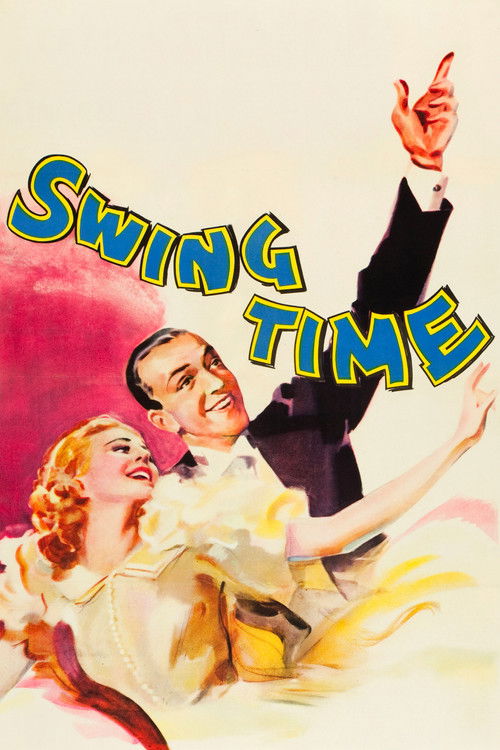
Swing Time1936
Released the same year as Hands Across the Table; both are about navigating class through performance and charm, one through dialogue and one through movement.
Fred Astaire and Ginger Rogers in a musical where the romance is built on the same foundations—class difference, financial precarity, mistaken identity—but expressed through dance. The 'Waltz in A Flat' alone is worth the price. Pure cinema.
But If you don't care about dance, the plot is thin and meandering. The musical sequences stop the story dead, and you have to be patient with that.
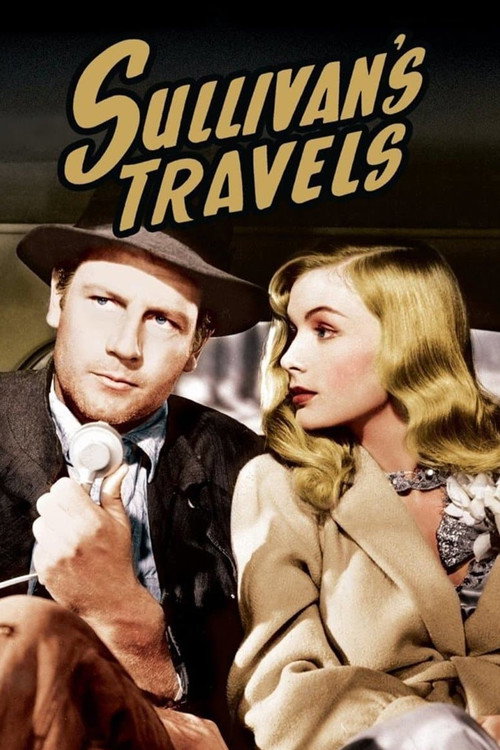
Sullivan's Travels1941
Like Hands Across the Table, it argues that depression-era scheming and money-chasing are survival, not moral failure—but it goes darker and sadder about the cost of that survival.
Preston Sturges' portrait of a Hollywood director who disguises himself as a bum to research poverty. It looks like satire—it opens like one—but becomes genuinely tragic and then genuinely hopeful. Comedy as a moral position, not just a technique.
But The tonal shift is jarring and deliberate. It stops being funny in the third act, and some viewers resent that rupture. The political statement can feel preachy.
People
Cast
 Carole LombardRegi Allen
 Fred MacMurrayTheodore Drew III
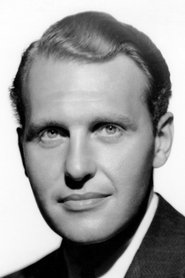 Ralph BellamyAllen Macklyn
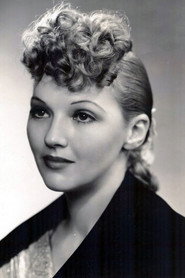 Astrid AllwynVivian Snowden
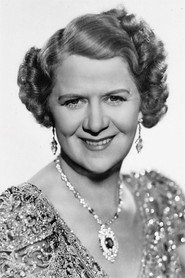 Ruth DonnellyLaura
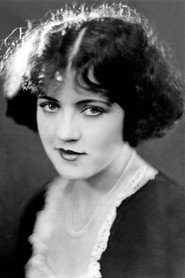 Marie PrevostNona
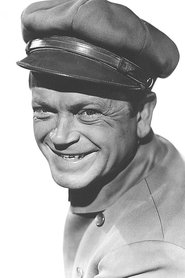 Murray AlperCabbie (uncredited)
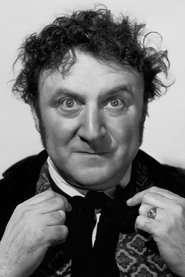 Herman BingBarber (uncredited)
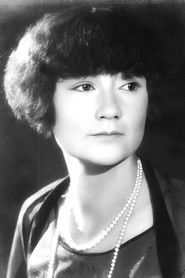 Marcelle CordayCeleste (uncredited)
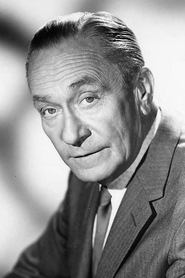 William DemarestRegi's Date Natty (uncredited)
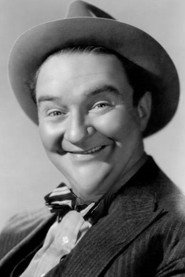 Edward GarganPinky Kelly (uncredited)
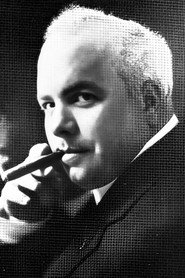 Ferdinand MunierMiles (uncredited)
Directing
- Mitchell LeisenDirector
Writing
- Herbert FieldsScreenplay
- Norman KrasnaScreenplay
- Vincent LawrenceScreenplay
- Viña DelmarStory
- Dorothy ParkerWriter
Production
- Henry HerzbrunExecutive Producer
- E. Lloyd SheldonProducer