
Film
Merrily We Go to Hell
A 1932 Pre-Code melodrama about a hard-drinking newspaperman and the heiress who loves him, directed with surprising tenderness by Dorothy Arzner. It swings between screwball comedy and genuine heartbreak, refusing easy answers about addiction and marriage. Sylvia Sidney and Fredric March are magnetic. For anyone curious about how Hollywood handled darkness before the censors tightened their grip.
Should you watch it?
Watch it if you like bittersweet romances about a charming wreck of a man, where wit and self-sabotage keep bumping into each other, and an old-Hollywood tone that treats drink as both joke and wound.
Skip it if you want brisk, plot-driven comedy, since this lingers in talky, melancholy scenes and its sharp lines sometimes cover a romance that feels thin.
What it asks of you: Under ninety minutes of quick back-and-forth, with a mood that swings from giddy to glum, so you'll need to keep up with the dialogue.
Not sure? Find tonight's pick in a minute.
If you liked this
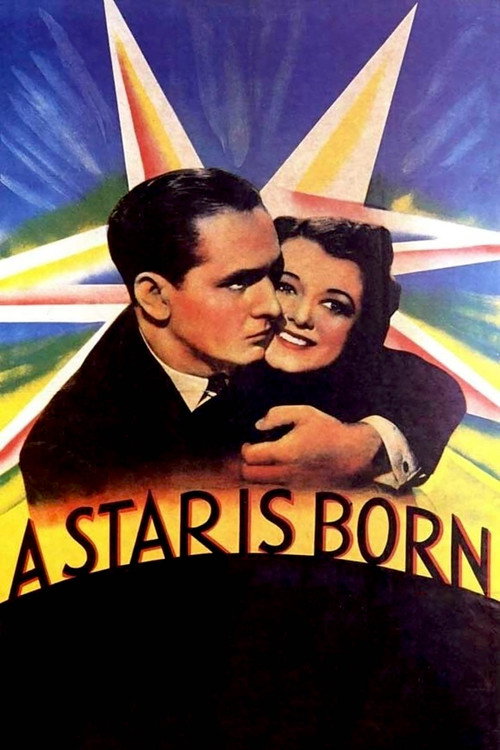
A Star Is Born1937
Same era, same Pre-Code frankness about Hollywood and addiction, with Janet Gaynor and Fredric March again (he's excellent at these self-destructive men). A slow-motion tragedy that earns every tear.
But The pacing is deliberate. If you want plot momentum over character study, it'll feel repetitive and sad in a way that doesn't go anywhere.
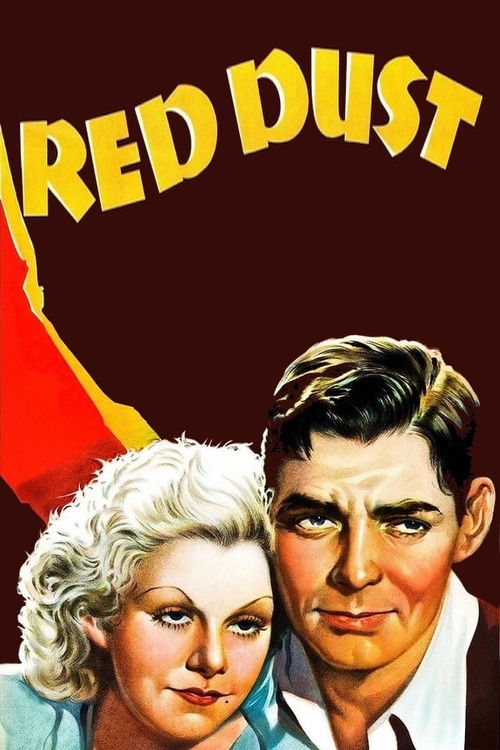
Red Dust1932
Released the same year, starring Jean Harlow and Clark Gable. A love triangle in the tropical heat, witty and steamy, with a similar energy—romance tangled with self-sabotage and class friction.
But It's a star vehicle first, character study second. The emotional weight sits lighter than *Merrily We Go to Hell* does.
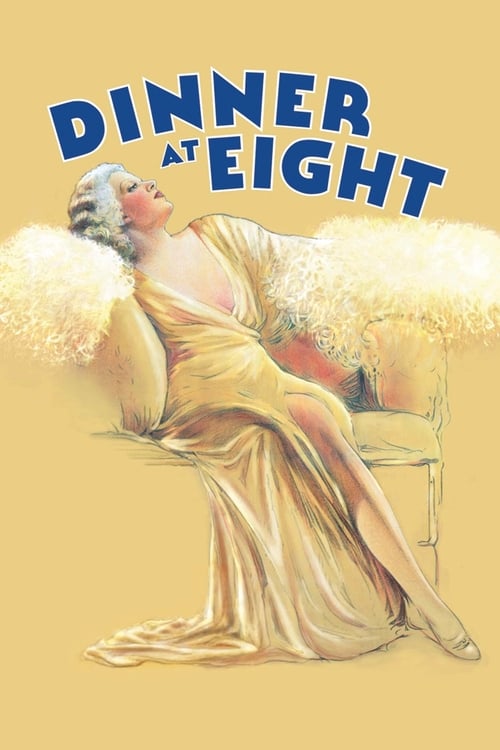
Dinner at Eight1933
Arzner didn't direct this, but it's the same Pre-Code moment—sophisticated, mordant, full of people behaving badly. A dinner party becomes a pressure cooker. Wallace Beery, Jean Harlow, Marie Dressler.
But With eight leads and one dinner, it's an ensemble sketch rather than a focused romance. You have to enjoy the format.
Not sure tonight? Get a pick in a minute, starting from Merrily We Go to Hell
The wildcard
Something you would not have found on your own.
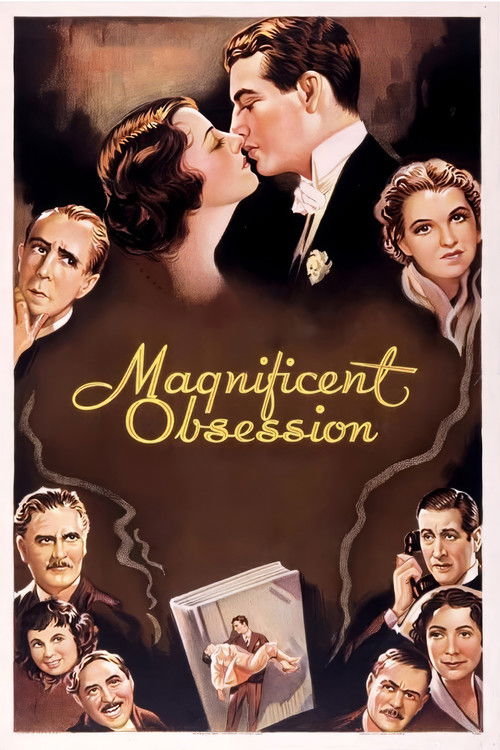
Magnificent Obsession1935
Both are about men trying to rebuild themselves through love, but *Obsession* suggests it might actually work, while *Merrily* knows it won't. Two philosophical opposite numbers.
Douglas Sirk (before the '50s melodramas) and Robert Taylor. A man tries to fix the damage he's caused through obsessive redemption. Same architecture as *Merrily*—addiction, self-sabotage, love as both salvation and trap—but in a completely different register, almost mystical, with Sirk's visual poetry already blooming.
But The spiritual philosophy will read as melodramatic nonsense to a modern viewer. It's sincere in a way that requires patience with its own earnestness.
More like this (8)
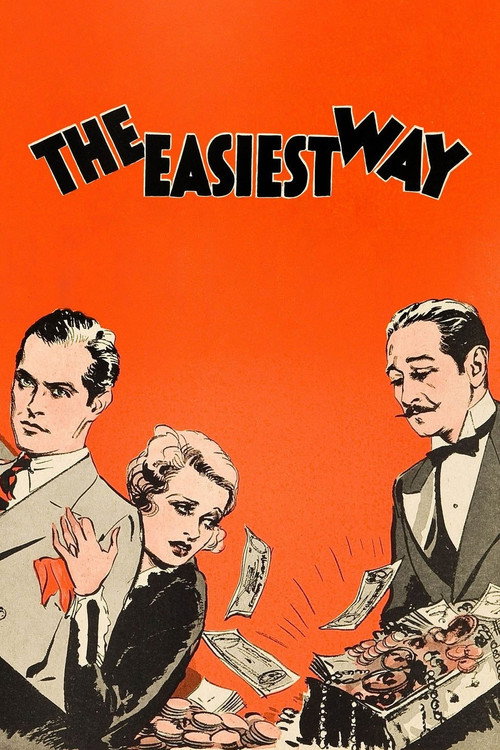
The Easiest Way1931
Constance Bennett, Pre-Code, about a woman entangled with an alcoholic man of wealth. Direct thematic echo—same moral ambiguity about marriage, money, and whether love can fix damage.
But It's more of a vehicle for Bennett's star power than a true tragedy. The ending hedges its bets in a way that undercuts the story's intelligence.
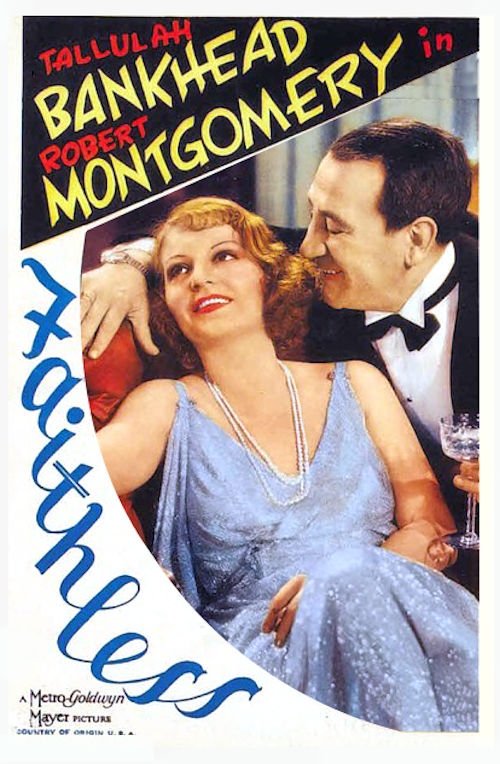
Faithless1932
Pre-Code melodrama with Tallulah Bankhead about a marriage cracking under infidelity and class pressure. Directed by Harry Beaumont with real venom. The crisis feels urgent and specific.
But Bankhead's performance is theatrical in a way that can feel dated. The film is genuinely unsettling, which some viewers will find punishing rather than rewarding.
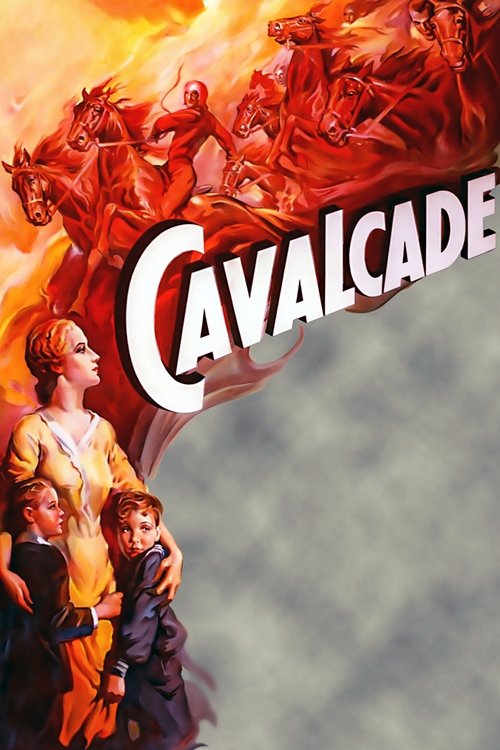
Cavalcade1933
Noel Coward's epic of class and marriage across three decades. *Merrily* is intimate; this is the same themes at the scale of a nation. A reminder of how good the '30s got.
But It's a stately parade of historical moments. If you want something lean and direct, this sprawls. The episodic structure can feel like a very long prologue.
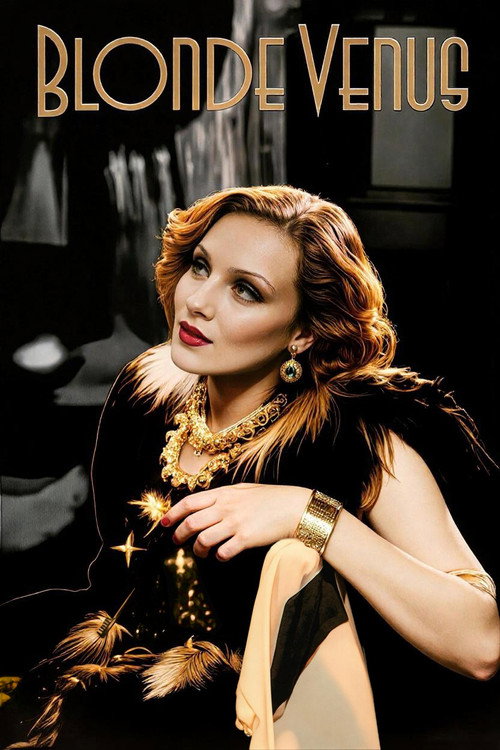
Blonde Venus1932
Marlene Dietrich and Herbert Marshall, also 1932, about marriage fractured by career ambition and infidelity. Josef von Sternberg directs—gorgeous, strange, and morally complicated in a way that *Merrily* would recognise.
But Sternberg's style prioritizes atmosphere over story momentum. If you find his visual density precious rather than poetic, it'll frustrate you.
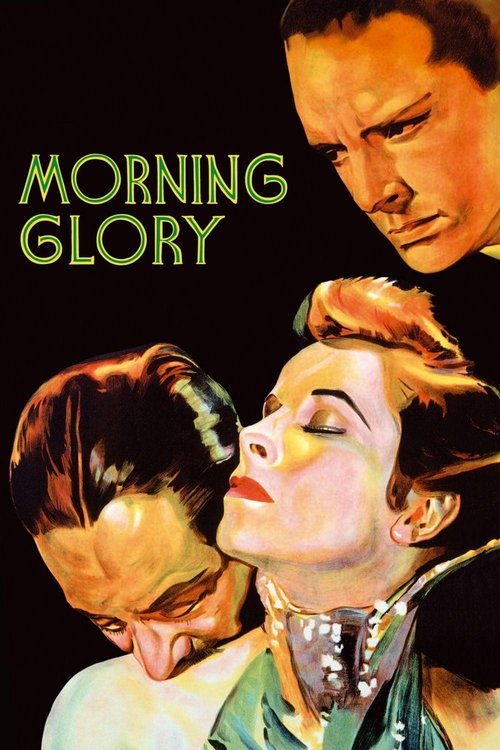
Morning Glory1933
Katharine Hepburn's Oscar-winning debut about a young actress and an older man in the theatre world. The screwball energy masks real pain about ambition and whether love means sacrifice.
But It's lighter than *Merrily We Go to Hell*, and the resolution is romantic rather than tragic. If you're in the mood for heartbreak, this is comfort instead.
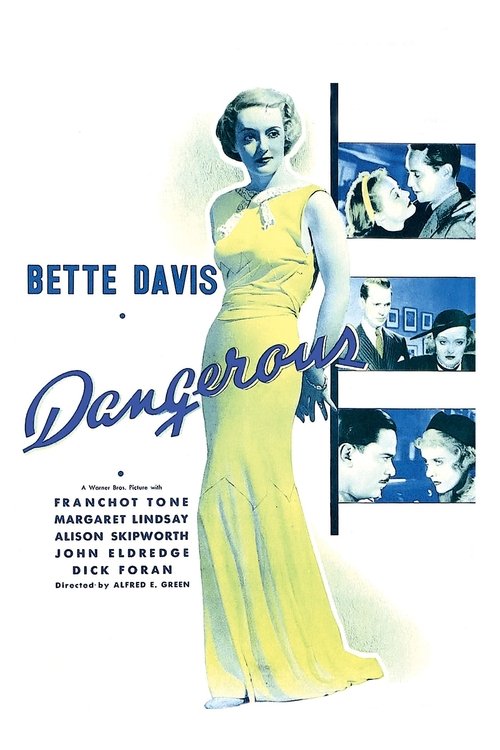
Dangerous1935
Bette Davis as an alcoholic actress on a downward spiral, Franchot Tone as the man trying to save her. A mirror-image of *Merrily*—same addictive self-destruction, reversed gender roles, Davis is mesmerizing.
But It's a straight tragedy with no comic relief. By the end you'll be emotionally wrung out in a way some viewers find exhausting rather than cathartic.
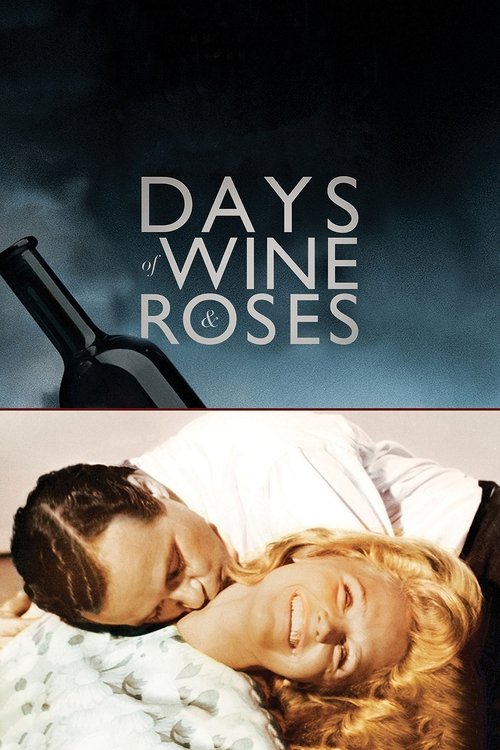
Days of Wine and Roses1963
The same plot, thirty years later, with the Pre-Code dark humour surgically removed. A companion piece that reveals what *Merrily* was trying not to say.
A leap to 1962, but essential: Jack Lemmon and Lee Remick spiral together into alcoholism. It's *Merrily We Go to Hell* stripped of comedy, photographed in remorseless black-and-white, with Blake Edwards directing a tragedy so committed it verges on horror. Shows what the story becomes without mercy or irony.
But It's punishing. There's no lightness, no reprieve. If you need any hope in your stories, this will devastate you in a way that feels sadistic rather than cathartic.
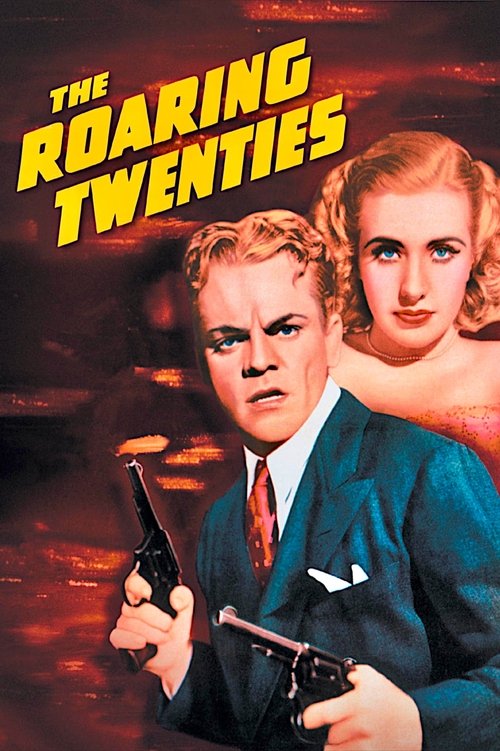
The Roaring Twenties1939
Same Pre-Code moral chaos and the same impossible choice between love and self-destruction, but channeled through a different genre entirely. Shows the range of the moment.
James Cagney, Humphrey Bogart, and Priscilla Lane in a gangster film that's actually about the same spiritual wreckage as *Merrily*—but the addiction is crime instead of drink, and the love story is secondary to the fall. Raoul Walsh, extraordinary cinematography. It's a Western in a '20s suit.
But It's a gangster picture first, not a melodrama. The violence is abrupt. If you want intimate psychological wreckage rather than noir grandeur, you'll feel the tone shift.
People
Cast
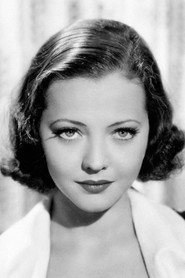 Sylvia SidneyJoan Prentice
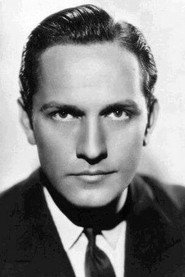 Fredric MarchJerry Corbett
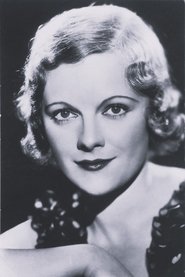 Adrianne AllenClaire Hempstead
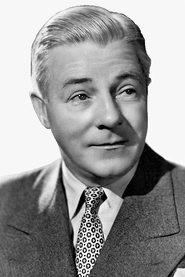
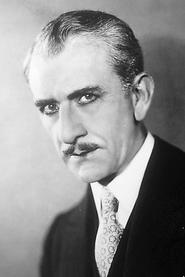 George IrvingMr. Prentice
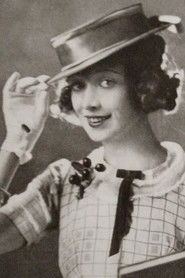
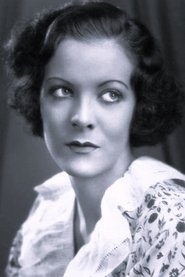 Florence BrittonCharlcie
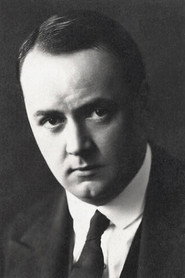 Charles ColemanRichard Damery
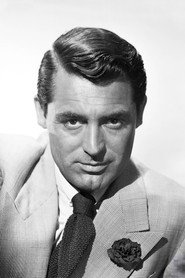 Cary GrantCharlie Baxter
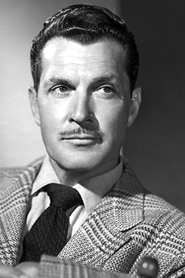 Kent TaylorGreg Boleslavsky
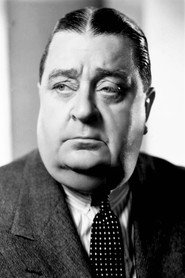 Robert GreigBaritone Bartender (uncredited)
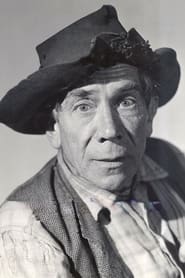 Ernie AdamsReporter (uncredited)
Directing
- Charles BartonAssistant Director
- Dorothy ArznerDirector
Writing
- Cleo LucasOriginal Story
- Edwin Justus MayerScreenplay
Production
- Fred A. DatigCasting
- Mel BallerinoCasting
- Joe EgliCasting Assistant