
Film
International House
- Screwball comedy
- Light-hearted
- Relentless
A 1933 comedy revue disguised as a plot. An international hotel in China becomes chaos when its radio telescope invention attracts investors, musicians, and comedians. It's less a narrative than a carousel of vaudeville acts and musical numbers—a time capsule of Depression-era entertainment where the comedy changes shape every five minutes. Perfect if you love old comedy that doesn't care about coherence.
If you liked this
Singin' in the Rain1952
A musical where plot and spectacle serve the same purpose: joy. Like International House, it's structured as a series of set pieces that build on each other, celebrating performance itself as the real subject.
But It's utterly polished and confident where International House is scrappy. If you want the rough energy of early 1930s chaos, this will feel too clean.

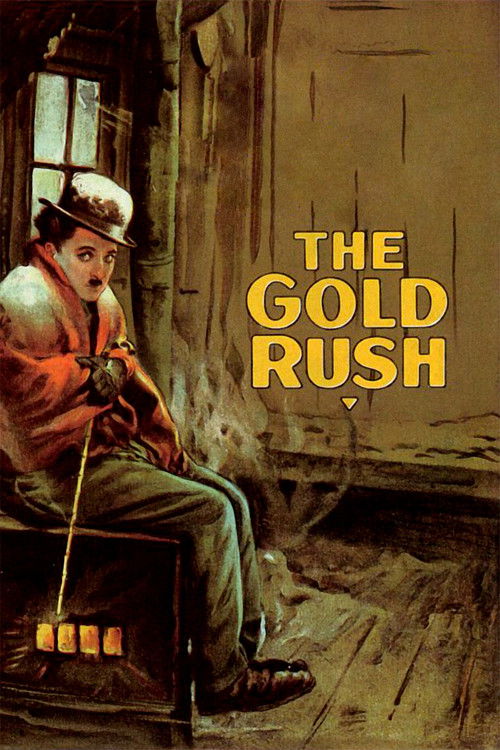
The Gold Rush1925
Chaplin's feature-length comedy has the same episodic structure—a series of brilliant gags and situations strung together by the thinnest plot. It's slapstick as philosophy, with heart underneath.
But It's silent and sometimes achingly sentimental. The comedy is slower and more deliberate than International House's rapid-fire revue pace.
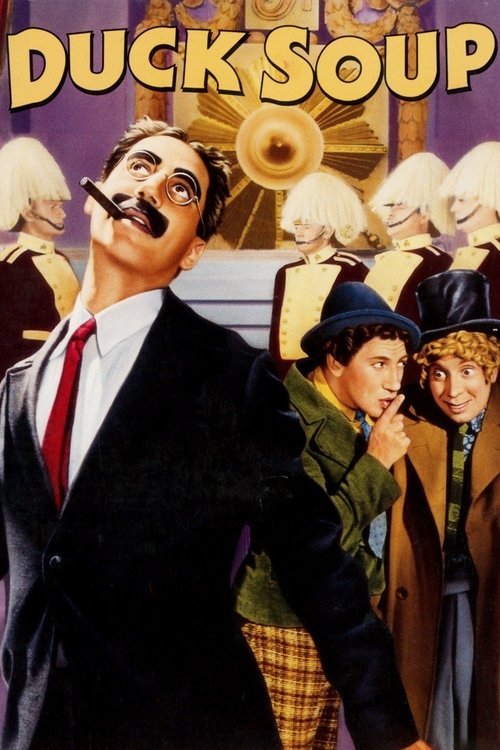
Duck Soup1933
The Marx Brothers' masterpiece: anarchic, hostile to plot, full of vaudeville bits and absurdist dialogue. Released the same year and in the same spirit—comedy that tears the story apart on purpose.
But It's more aggressively nonsensical and less interested in charm. The rhythm is faster and meaner than International House's variety-show approach.
Not sure tonight? Get a pick in a minute, starting from International House
The wildcard
Something you would not have found on your own.
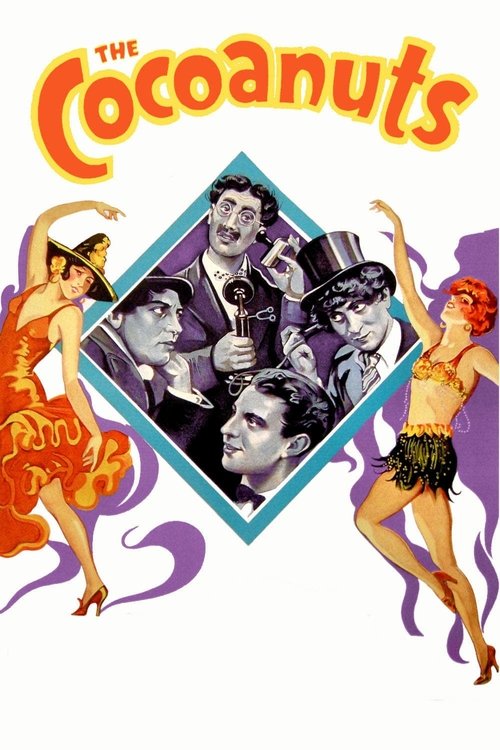
The Cocoanuts1929
Both are essentially vaudeville bills dressed as movies—structure borrowed from the music hall, where any excuse for a new act is good enough.
The Marx Brothers' film debut: stage play filmed with stage energy, full of musical numbers and vaudeville bits that have nothing to do with the thin plot. It's an ancestor to International House—early sound cinema still figuring out that comedy could be a revue.
But It's dated even by 1929 standards, technically rough, and moves in the lopsided rhythm of captured stagecraft. The jokes often don't land now.
More like this (8)
It's a Gift1934
W.C. Fields at his peak—the same curmudgeonly energy he brings to International House, but here sustained across a whole film. Brilliant drunk comedy and comic timing that influenced everything after.
But It's a single character's odyssey, not an ensemble revue. If you want the all-star carousel, this narrows the focus considerably.

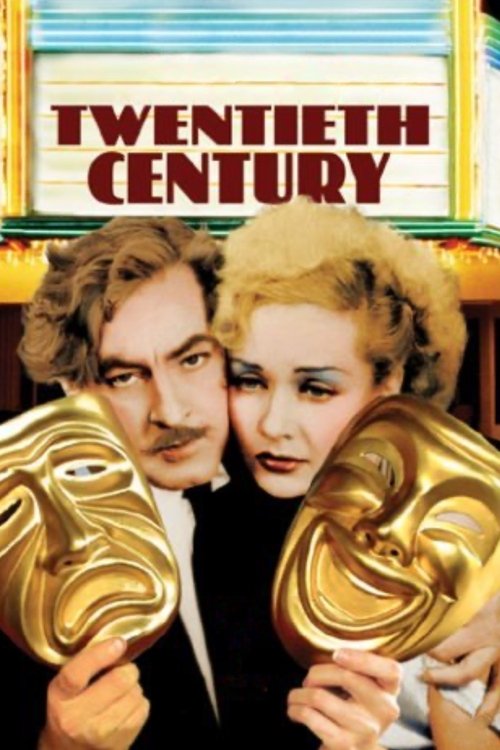
Twentieth Century1934
Screwball comedy at breakneck speed, with a theatrical producer and actress sparring on a train. It has the same manic energy and commitment to performance as International House, just focused and sharpened.
But It's streamlined and plot-driven. You lose the rambling, 'what happens next?' quality that makes International House feel like a vaudeville bill.
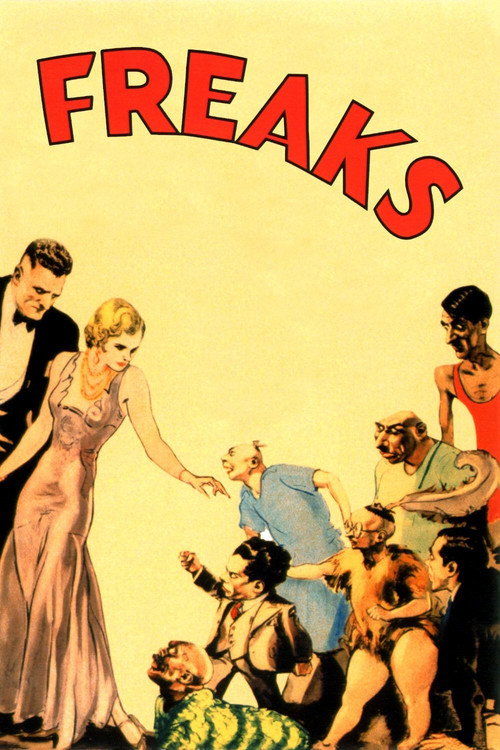
Freaks1932
Equally transgressive 1930s cinema that refuses respectability. A circus troupe, moral chaos, genuine horror—it's the serious sibling to International House's comedy. Both are unafraid to be strange.
But It's deeply uncomfortable and tragic, not remotely comedic. The tonal whiplash will jar you if you're expecting consistent entertainment.
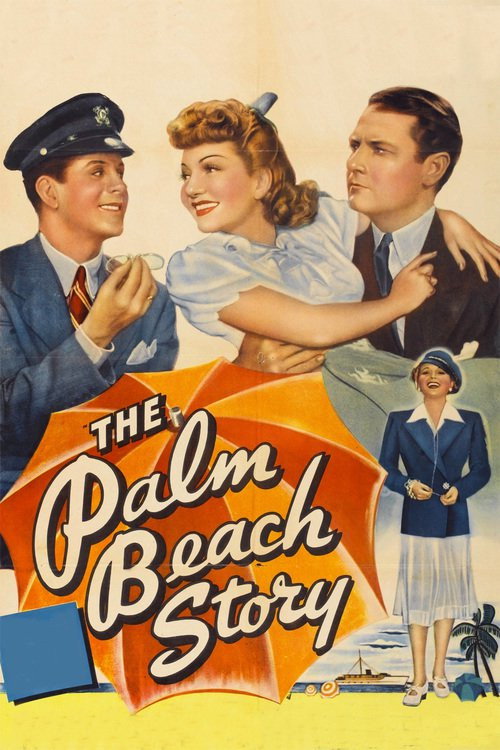
The Palm Beach Story1942
Preston Sturges directs a screwball that moves like a vaudeville act—quick scenes, bizarre characters, the camera racing ahead of the dialogue. That same sense of controlled mayhem and ensemble timing.
But It's more romantic and plot-conscious than International House. The structure serves story rather than celebration.
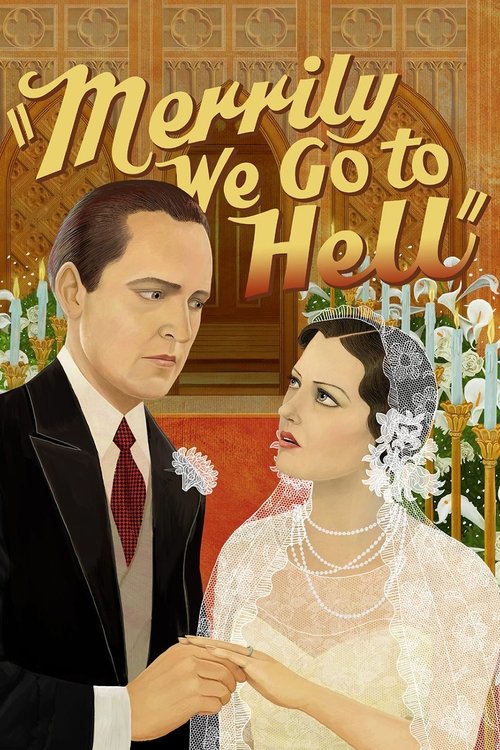
Merrily We Go to Hell1932
Another 1932 chaos-piece with a theatre setting and showbiz characters. It's less a comedy than a document of that era's theatrical and musical world—the same ecosystem as International House.
But It's dramatic and bitter underneath the glamour. You lose the pure variety-show spirit if you're looking for uncomplicated laughs.
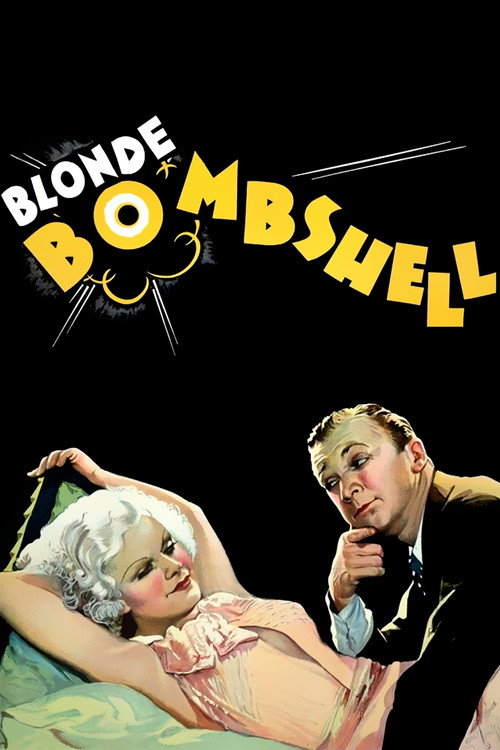
Bombshell1933
Released the same year, it's a Hollywood comedy with a similar all-star supporting cast and fast-paced gag structure. Jean Harlow navigates the same kind of anarchic ensemble world.
But It's more focused on character and story than International House. The revue energy diffuses into a more traditional narrative.
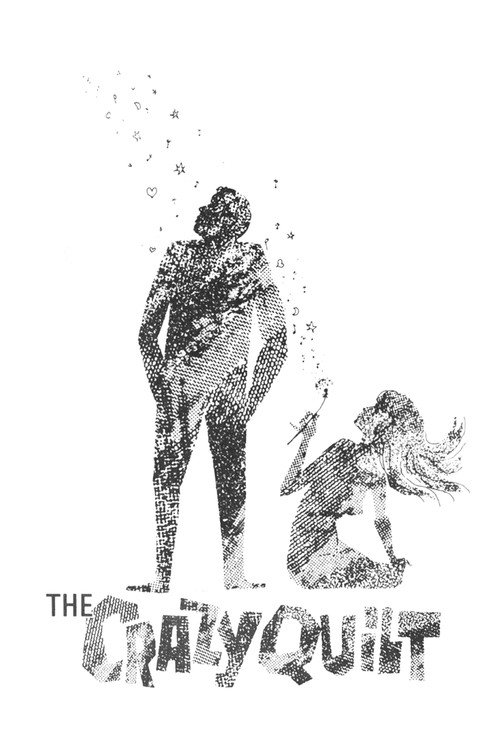
The Crazy-Quilt1966
Both celebrate digressiveness itself—the idea that entertainment doesn't need a through-line, just a sequence of excellent moments and a permissive audience.
An avant-garde comedy collage about painters and bohemians, built from sketches and acts rather than narrative. It's what happens if you take International House's structure and push it into experimental territory—same carnival spirit, no apologies for incoherence.
But It's genuinely obscure and won't feel like a movie at all if you want traditional satisfaction. The humour is cerebral and the image quality is rough.
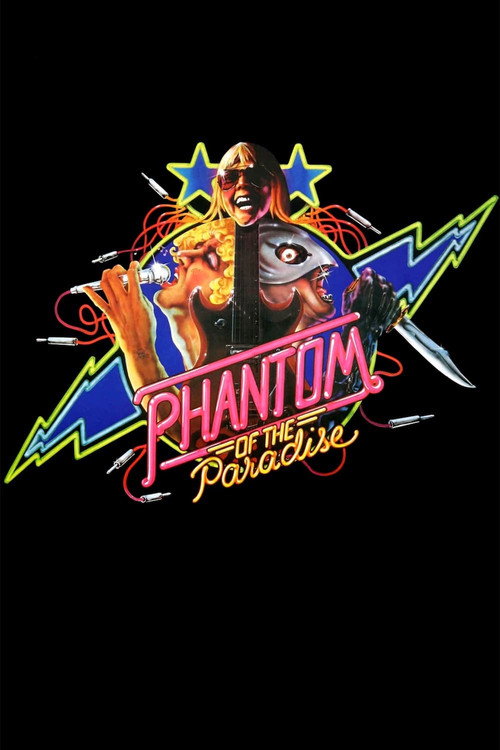
Phantom of the Paradise1974
Both use a hotel/theatre setting as an excuse to stage a series of set pieces and musical numbers where anything can happen and the plot is almost a prank on the audience.
Brian De Palma's mad musical where a rock star and a glam theatre collide. It has International House's commitment to spectacle-over-story and its joy in performance, but filtered through 1970s excess and obsession. Same carnivalesque spirit, total commitment to artifice.
But It's camp horror-comedy, much darker and more disturbing. If you want the innocence and lightness of 1933, this will feel garish and sinister by comparison.
People
Cast
 Peggy Hopkins JoycePeggy Hopkins Joyce
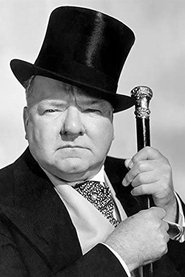 W.C. FieldsProfessor Quail
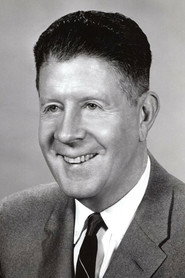 Rudy ValleeHimself
 Stuart ErwinTommy Nash
 George BurnsDoctor Burns
 Gracie AllenNurse Allen
 Sari MaritzaCarol Fortescue
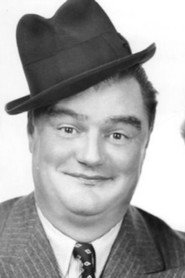 F. Chase TaylorColonel Stoopnagle
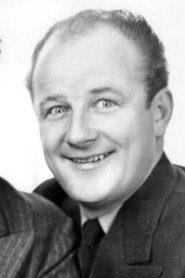 Budd HulickBudd
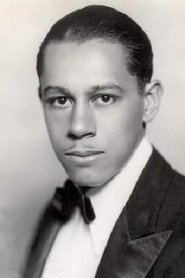 Cab CallowayCab Calloway
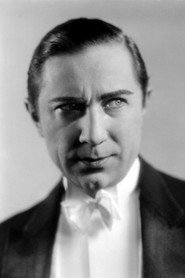 Bela LugosiGeneral Petronovich
 Rose MarieHerself / Baby Rose Marie
Directing
- A. Edward SutherlandDirector
Writing
- Francis MartinScreenplay
- Walter DeLeonScreenplay
Production
- Emanuel CohenExecutive Producer