
Film
The Cocoanuts
- Slapstick
- Light-hearted
The Marx Brothers' first film captures them at their anarchic peak: Groucho's rapid-fire insults, Harpo's physical genius, Chico's wordplay, and Zeppo's stoicism collide in a Florida hotel during the 1920s land boom. It's vaudeville transplanted to celluloid—loose, silly, occasionally baffling, always electric. For anyone curious about comedy's origins or the Marx Brothers' singular genius.
Should you watch it?
Watch it if you love the Marx Brothers at their most anarchic, when the jokes come faster than the plot can hold them and a backstage musical ends up as a vehicle for pure verbal chaos.
Skip it if you want a tight, modern comedy with clean pacing; this early sound film is stagey, creaky in its staging, and its musical numbers can stall the momentum between gags.
What it asks of you: It runs about ninety-three minutes and asks you to tolerate early talkie stiffness, with the camera mostly parked while the brothers barrel through wordplay and set pieces.
Not sure? Find tonight's pick in a minute.
If you liked this
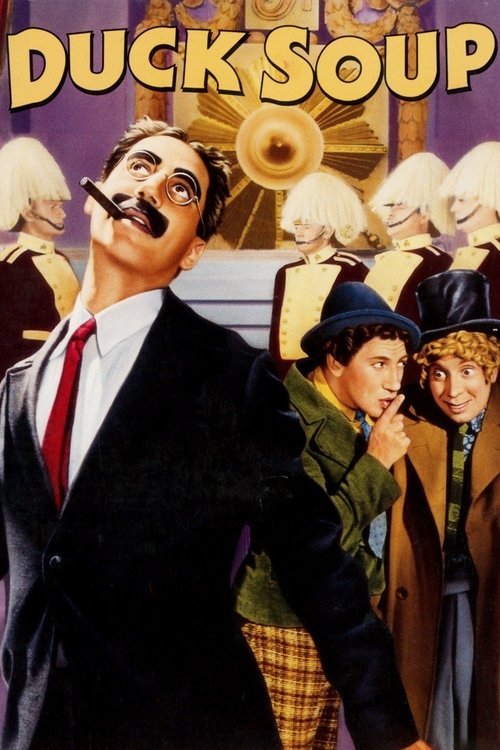
Duck Soup1933
The Marx Brothers at their most focused and fearless, tearing through political satire with machine-gun dialogue and inspired absurdism. Harpo chasing Margaret Dumont through a mirror sequence is comedy perfection.
But The plot barely exists and the pacing assumes you're entertained by chaos. If you need narrative to hang onto, this will frustrate you.
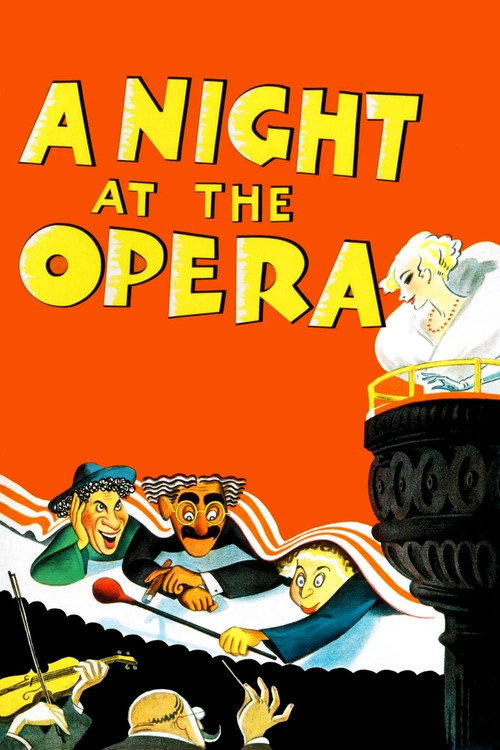
A Night at the Opera1935
Their Irving Thalberg period: the anarchic Marx Brothers energy refined by a major studio's craft. The stateroom scene is one of cinema's greatest sustained comedies. Groucho and Margaret Dumont's verbal sparring reaches an art form.
But It's longer and slower-paced than their earlier work. Some find the romantic subplot and musical interludes interrupt the comedy's momentum.
It Happened One Night1934
The screwball comedy blueprint—fast, witty, alive with romantic tension. Claudette Colbert and Clark Gable have genuine chemistry, and the banter feels fresh even now. Essential if you love comedy with stakes.
But The romantic plot is the engine here, not jokes. If you're coming from The Cocoanuts expecting pure absurdism, the earnestness might feel like a comedown.

Not sure tonight? Get a pick in a minute, starting from The Cocoanuts
The wildcard
Something you would not have found on your own.
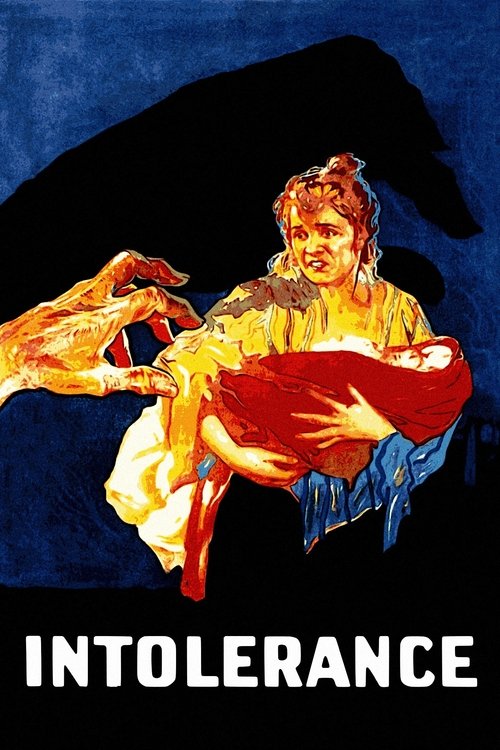
Intolerance: Love's Struggle Throughout the Ages1916
Both are products of early cinema discovering what it could do. Where The Cocoanuts uses film for speed and nonsense, Intolerance uses it for scale and ambition. They're opposite answers to the same question: what can cinema do that the stage cannot?
D.W. Griffith's silent epic intercuts four historical stories across centuries. It's visually overwhelming, narratively daring, and deeply felt—comedy's opposite in every way. But it shows how cinema itself was born as something that could hold vastness.
But It's nearly four hours long, deeply racist in its assumptions, and emotionally exhausting. The scale is almost deliberately incomprehensible.
More like this (7)
Singin' in the Rain1952
Gene Kelly and Donald O'Connor in the greatest musical comedy ever made. The choreography is transcendent, the timing is flawless, and it's genuinely funny—not just pretty. A masterclass in how to make joy look effortless.
But It's a musical first and comedy second. If you don't care about the dance numbers, you're missing why this film matters.

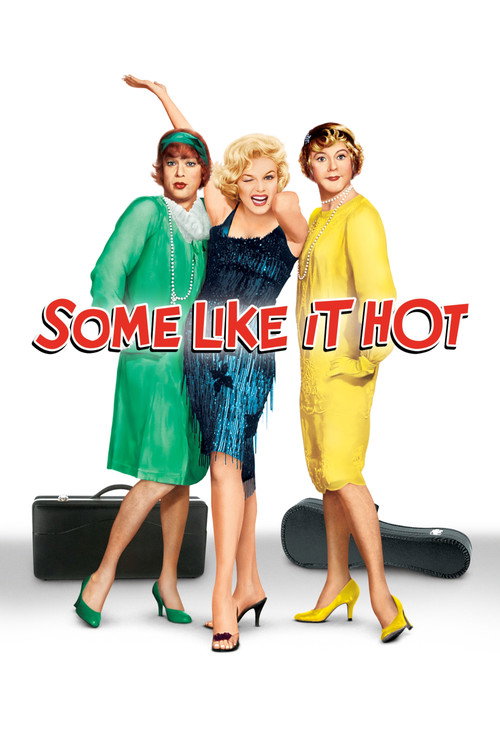
Some Like It Hot1959
Billy Wilder's perfect comedy: Tony Curtis, Jack Lemmon, and Marilyn Monroe in a plot so clever and funny it hasn't aged a day. The script is airtight and every laugh lands exactly when it should.
But The gender play and Lemmon's drag performance are the whole joke—if that premise doesn't appeal to you, there's not much else beneath it.
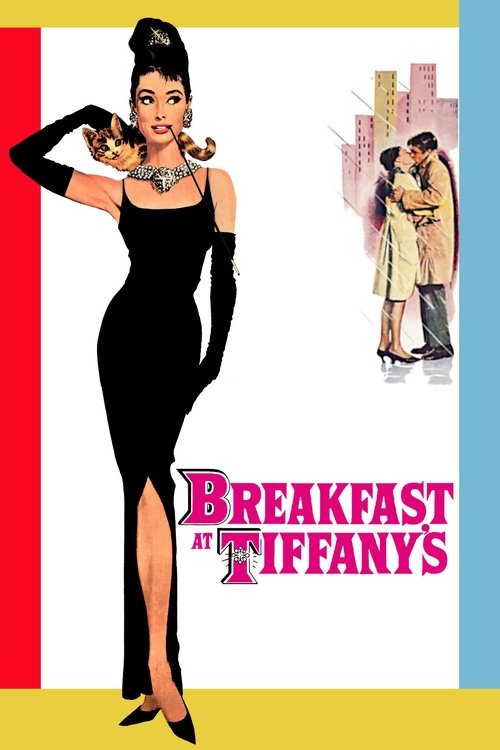
Breakfast at Tiffany's1961
Audrey Hepburn is luminous, the comedy is sophisticated without being cold, and Henry Mancini's score is perfect. It's romantic and funny and stylish in a way that feels impossible now.
But The racial caricature of the Japanese neighbor is jarring and offensive. The romantic plot overshadows the character comedy, which might disappoint you.
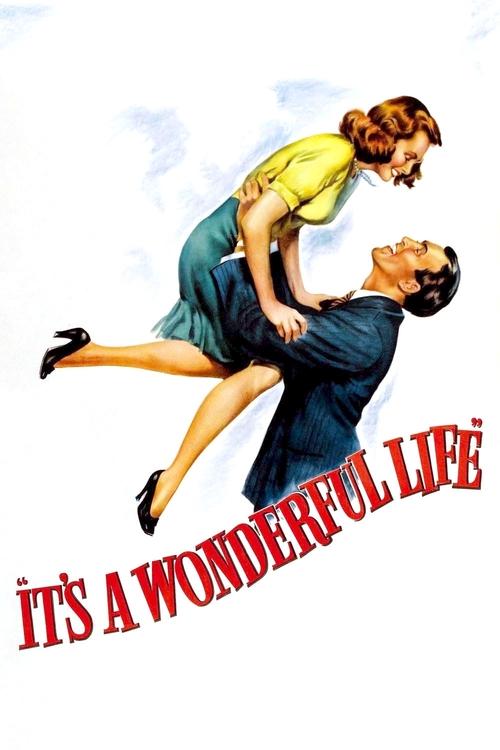
It's a Wonderful Life1946
Frank Capra's sentimental masterpiece about community and purpose. James Stewart anchors it perfectly, and it manages to be funny and profound without betraying either impulse.
But It's deeply sentimental and preachy by design. The tone is miles from The Cocoanuts—if you want pure comedy, this will feel like homework.
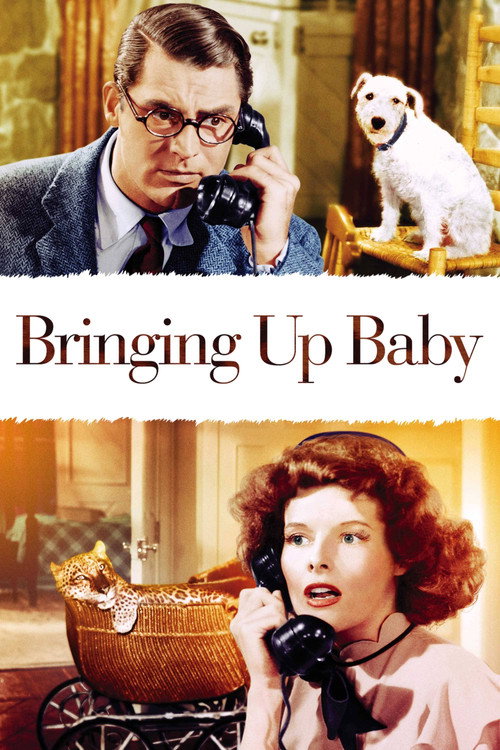
Bringing Up Baby1938
Howard Hawks' screwball miracle: Cary Grant and Katharine Hepburn in a plot so beautifully constructed and timed that it feels like watching a perfect machine. Funny, romantic, thrilling—everything working at once.
But The screwball style demands a certain kind of attention. The rapid dialogue and absurdist logic might feel exhausting if you're not in the mood.
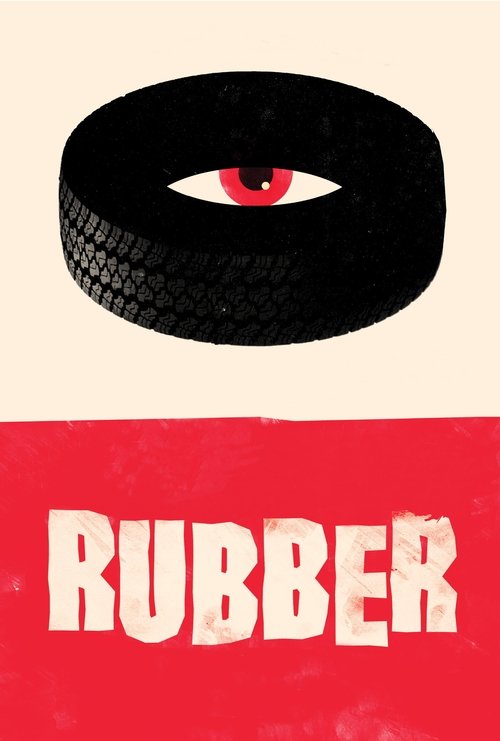
Rubber2010
Both films trust comedy to work through pure absurdism rather than character or plot logic. Neither bothers to explain itself. The Cocoanuts asks 'what if the Marx Brothers ran a hotel?' Rubber asks 'what if a tire could kill?' Both know the answer is funnier if you never fully explain it.
A sentient tire rolls through the desert killing people. It's absurdist, genuinely inventive, and completely committed to its ridiculous premise. If you love comedy that doesn't explain itself and trusts you to keep up, this is it.
But It's deliberately difficult and frustrating. Some will find it pretentious or just boring. The premise wears thin if you're not on its wavelength.
The Night of the Hunter1955
Both are products of actors bringing vaudeville energy to the film medium—Laughton as director channeling stage expressionism into pure cinema, the Marx Brothers doing the same with comedy. But where the Marx Brothers' theatrical style creates chaos and joy, Laughton uses it to create dread. Same instrument, opposite emotion.
Charles Laughton's only film as director is a nightmare—psychologically vicious, gorgeously shot, genuinely frightening. Robert Mitchum is terrifying. It's the dark heart that comedy and sentiment usually avoid.
But It's bleak and violent and unsettling. The theatrical style and moral darkness will feel alien if you're expecting entertainment in the traditional sense.

People
Cast
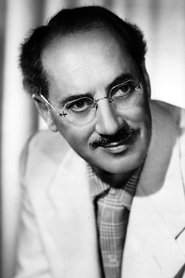 Groucho MarxHammer
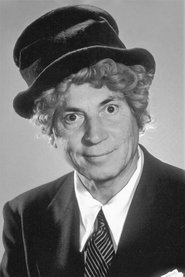 Harpo MarxRed
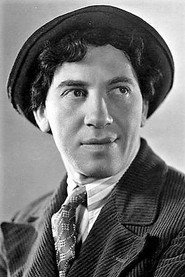 Chico MarxPastrami
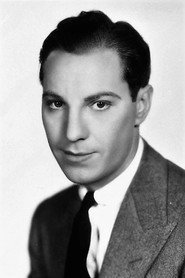 Zeppo MarxJamison
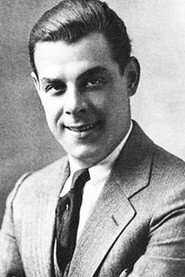 Oscar ShawBob Adams
 Mary EatonPolly Potter
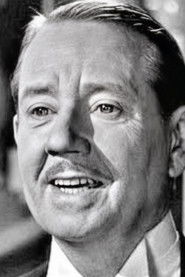 Cyril RingHarvey Yates
 Kay FrancisPenelope
 Margaret DumontMrs. Potter
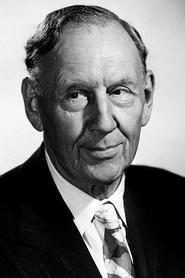 Basil RuysdaelDetective Hennessy
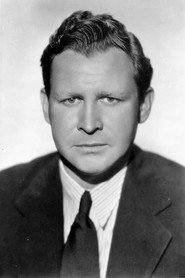 Barton MacLaneBather

Directing
- Joseph SantleyDirector
- Robert FloreyDirector
Writing
- George S. KaufmanBook
- Irving BerlinMusical
- Morrie RyskindScreenplay
- George S. KaufmanWriter
Production
- Walter WangerProducer
Recommended by
Footlight Parade, The Sunshine Boys, Dames, Syncopation, Roman Scandals, The Phantom President, The Time, The Place and The Girl, International House, Hollywood Party, College Humor, We're Not Dressing, Palmy Days