
Film
Palmy Days
- Comedy
- Light-hearted
A 1931 musical comedy where Eddie Cantor plays a bakery assistant mistaken for an efficiency expert, leading to slapstick chaos and romantic entanglement. It's pure vaudeville energy translated to screen—rapid-fire gags, elaborate musical numbers, and the kind of physical comedy that stops the narrative dead for a good laugh. Perfect for anyone curious about early sound film's theatrical DNA.
Should you watch it?
Watch it if you enjoy fast-talking pre-Code vaudeville, where a wisecracking mix-up snowballs and the songs arrive as bright interruptions rather than emotional peaks.
Skip it if you want a tight plot or a gentle romance, since the story is a loose excuse for gags and the love interest barely registers against the sight-gags and chatter.
What it asks of you: Expect a brisk seventy-seven minutes, a lot of mugging and rapid-fire patter, and a willingness to accept a flimsy premise and creaky early sound staging without sulking.
Not sure? Find tonight's pick in a minute.
If you liked this
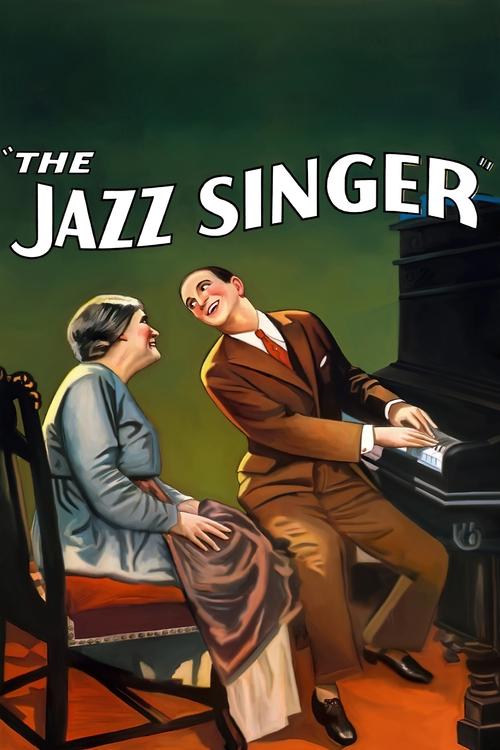
The Jazz Singer1927
The film that proved sound could work in cinema, with similar vaudeville-to-screen energy and a star (Al Jolson) commanding the screen through sheer charisma and musical performance.
But The blackface sequences are historically important but deeply uncomfortable, and the melodramatic plot can feel overwrought beneath the entertainment.
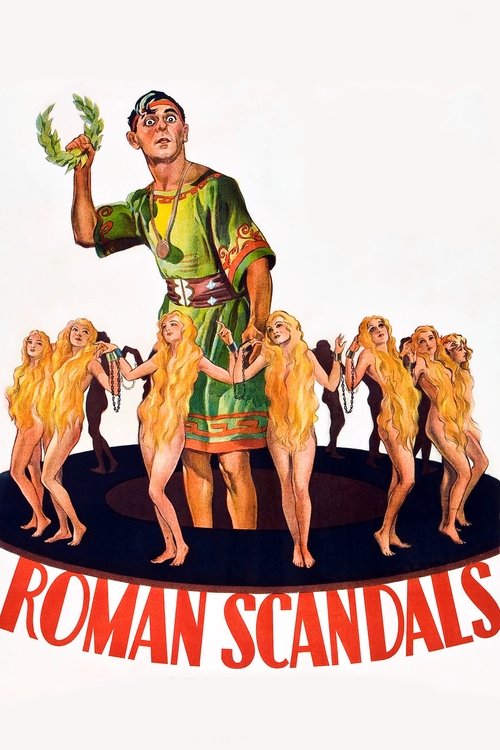
Roman Scandals1933
Another Eddie Cantor vehicle that perfects the formula Palmy Days explores: ancient Rome reimagined as absurdist musical comedy, with dazzling production numbers and Cantor's endearing nervous energy.
But The pacing is relentless to the point of exhaustion, and some of the ethnic stereotypes and production choices will make modern viewers uncomfortable.
Singin' in the Rain1952
The spiritual descendant of early sound comedies like this one—still rooted in vaudeville physicality and song, but with smoother filmmaking and a genuine emotional core alongside the spectacle.
But At over two hours, it's considerably longer, and its self-aware nostalgia works best if you're already invested in classic Hollywood.

Not sure tonight? Get a pick in a minute, starting from Palmy Days
The wildcard
Something you would not have found on your own.
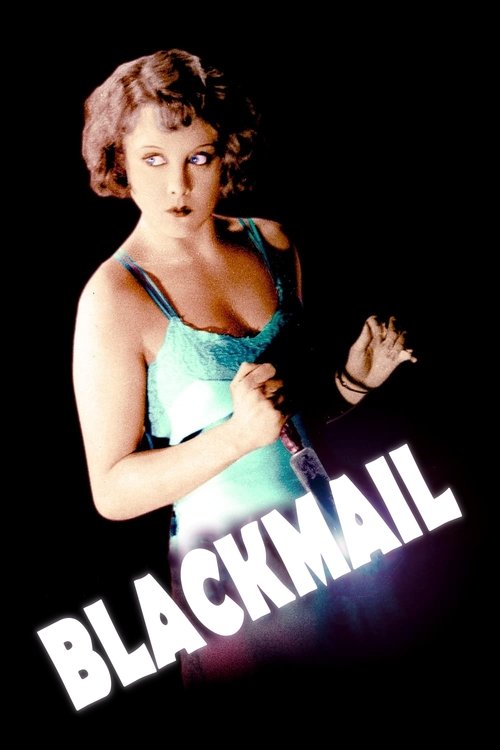
Blackmail1929
Both films are from the same moment when sound arrived in cinema, but they're opposite responses—Palmy Days cranks the theatrical noise to maximum, Blackmail uses silence as a weapon. Together they show the full spectrum of what filmmakers suddenly could do.
Hitchcock's first sound film proves that in 1929, a director could use sound expressively and daringly—dialogue is sparse, ambient sound is everything, and the murder and blackmail plot twists in ways that still surprise.
But It's a thriller where nothing explodes and almost nothing moves fast; if you're coming from Palmy Days for non-stop energy, the glacial pacing will feel like a punishment.
More like this (8)
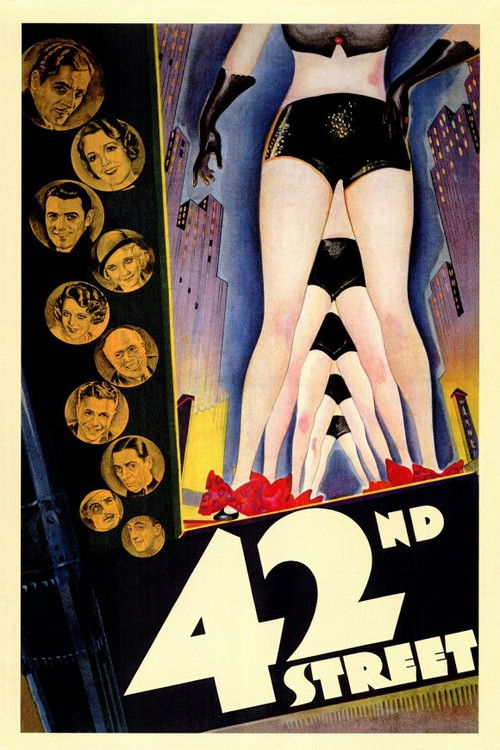
42nd Street1933
Backstage musical with the same Depression-era hunger and ingenuity, similar ensemble chaos, and some of the most inventive choreography of the early 1930s.
But Less about individual star power and more about the system itself; if you're coming for one charismatic lead carrying the film, you won't find that here.
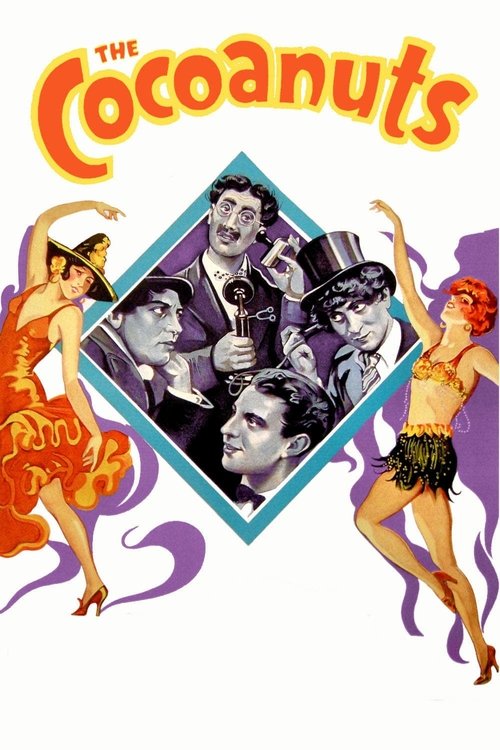
The Cocoanuts1929
Marx Brothers in their debut film, with the same anarchic energy and rapid wordplay, set in a Miami hotel where nothing makes sense but everything is funny.
But The recorded sound quality is poor, the plot barely exists, and their style of humor is specific enough that it either connects immediately or not at all.
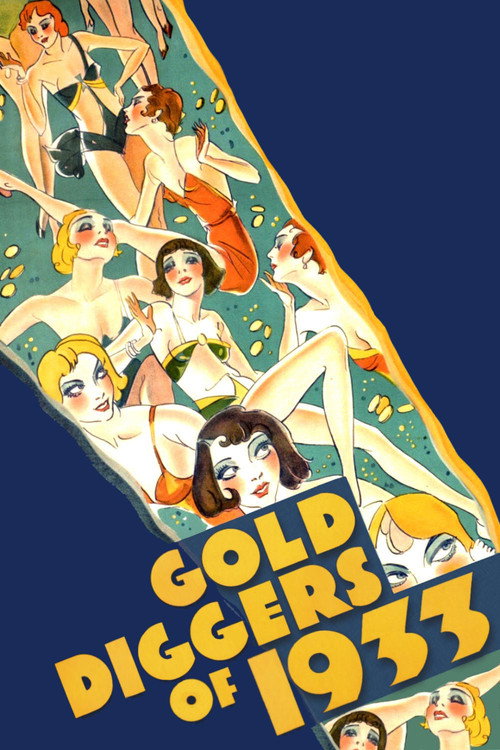
Gold Diggers of 19331933
Ensemble comedy about showgirls and con men with stunning Busby Berkeley choreography, genuine romantic tension, and a Depression-era scrappiness that mirrors Cantor's world.
But The musical numbers, while gorgeous, do grind the story to a halt, and some of the financial politics feel dated and heavy-handed.
Merrily We Roll Along
Fred Astaire and Ginger Rogers in a less famous vehicle that shares the same optimistic musical-comedy spirit and Depression-era backdrop, with excellent ensemble work.
But It's overshadowed by their more famous pairings, and the plot about a struggling composer is thinner than you'd expect.
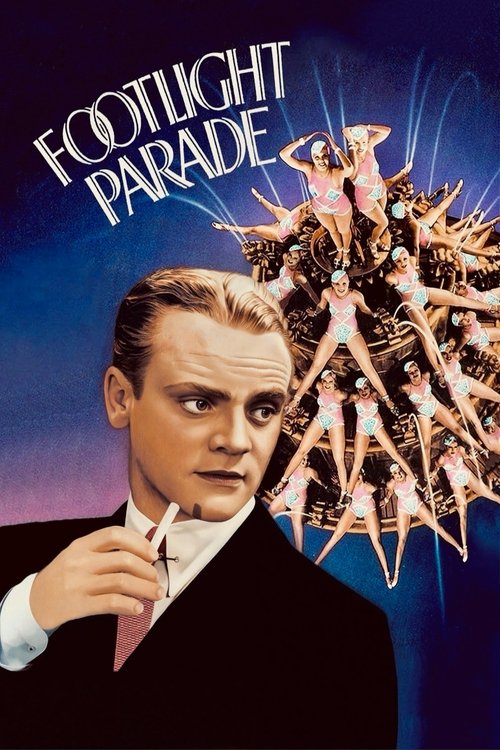
Footlight Parade1933
James Cagney in a backstage musical that captures the same theatrical frenzy and scrambling energy, with Busby Berkeley's wildest choreography yet.
But Cagney's character is more aggressive than charming, which can make the romantic subplot feel forced, and the tone shifts awkwardly between comedy and sentimentality.
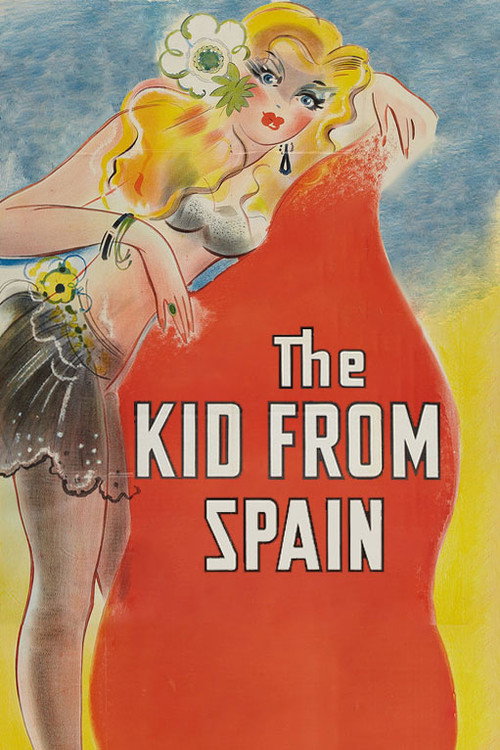
The Kid from Spain1932
Eddie Cantor in a Spanish bullfighting romp with strong musical numbers and the same manic physicality, directed by Leo McCarey with a slightly more polished sensibility.
But The plot is thin even by the standards of the era, and some of the cultural caricaturing is cringe-inducing in ways that overshadow the comedy.
The Phantom Carriage1921
Both are about mistaken identity and false appearances—but where Palmy Days treats it as farce, Phantom Carriage treats it as tragedy. A side-by-side comparison shows what tone can change about the exact same premise.
A Swedish ghost story that predates Palmy Days by a decade and has no comedy in it whatsoever, but uses optical effects and visual trickery to create genuine dread—proof that cinema could be about mood instead of jokes.
But It's silent, it's slow, it's about death and guilt, and its visual style (shadows, doubles, overlapped images) will feel alien if you're used to dialogue-driven entertainment.

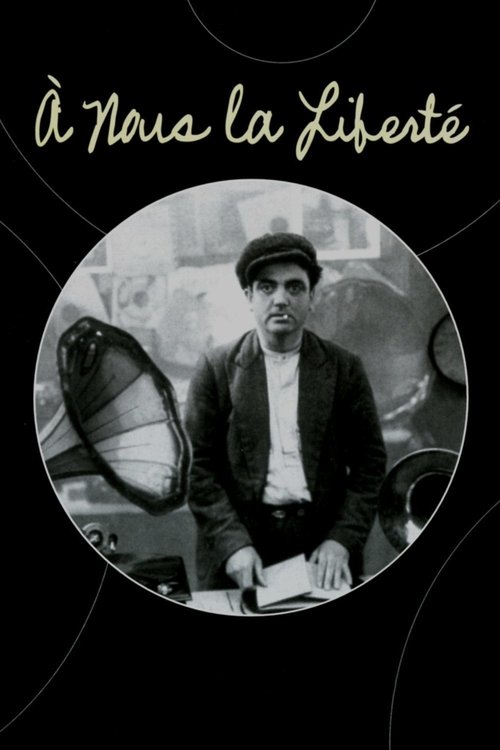
À Nous la Liberté1931
Made in 1931, the same year as Palmy Days, it's a parallel solution to the same problem—how do you make comedy now that film can talk? This one chose not to talk. Same era, opposite answer.
A French comedy-fantasy from the exact same year about factory workers and con men, with visual gags that don't need translation and a political edge (you can practically feel Chaplin watching this). Gorgeous to look at.
But It's silent and French, with a 1930s left-wing agenda that comes across more as earnest than funny to modern ears; you have to want to watch something from another country in another language.
People
Cast
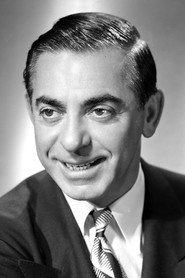 Eddie CantorEddie Simpson
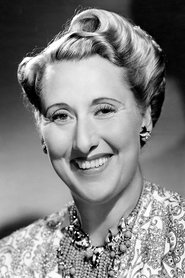 Charlotte GreenwoodHelen Martin
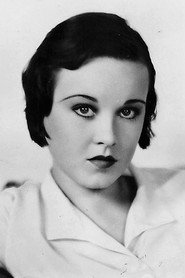 Barbara WeeksJoan Clark
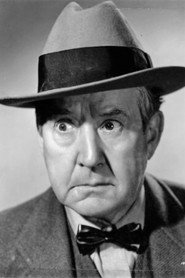 Spencer ChartersMr. Clark
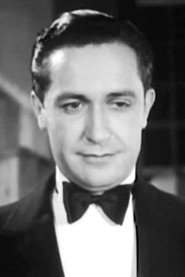 Paul PageSteve
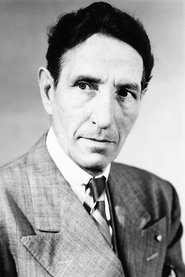 Charles MiddletonYolando
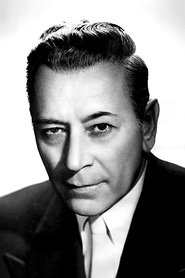 George RaftJoe
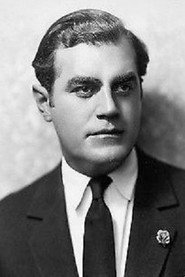 Harry WoodsYolando's Henchman
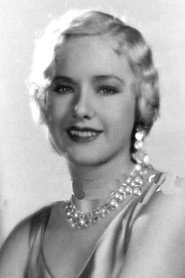 Loretta AndrewsGoldwyn Girl (uncredited)
 Busby BerkeleyFortune Teller (uncredited)
- Edna CallahanGoldwyn Girl (uncredited)
 Paulette GoddardGoldwyn Girl (uncredited)
Directing
- A. Edward SutherlandDirector
Writing
- David FreedmanStory
- Eddie CantorStory
- Morrie RyskindStory
Production
- Samuel GoldwynProducer