
Film
À Nous la Liberté
A 1931 French musical comedy about escaped convicts turned businessmen, grappling with freedom, friendship, and the dehumanizing machinery of modern industry. René Clair's masterpiece is witty, formally inventive, and oddly moving—a film that feels light on its feet while asking serious questions about who we become when we climb. Essential viewing for anyone curious about cinema's early maturity.
Should you watch it?
Watch it if you love sly, socially pointed comedy where the gags are visual and the satire jabs at machinery and money, with a bit of song tucked into the mischief.
Skip it if you need fast, snappy talk or modern pacing, since this is an early talkie with a leisurely, musical rhythm and a playful, old-fashioned sensibility.
What it asks of you: Ninety-five minutes, unhurried and light, with songs arriving at their own pace; it asks you to settle in and let its gently absurd mood build.
Not sure? Find tonight's pick in a minute.
If you liked this
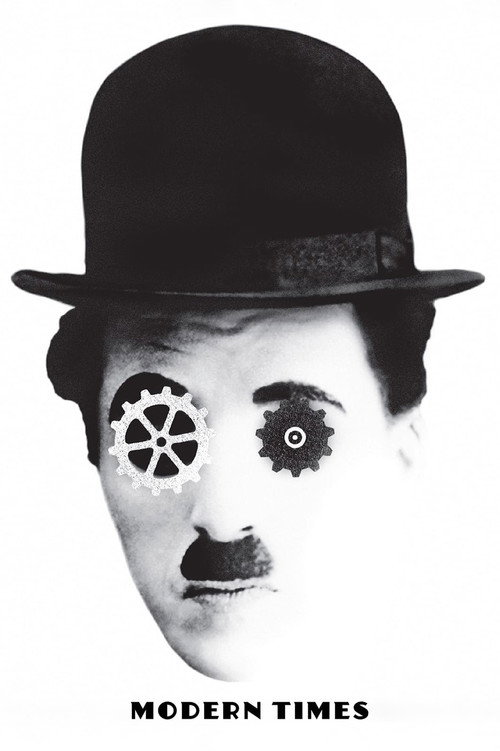
Modern Times1936
Chaplin's response to the same industrial anxieties—an assembly-line nightmare made sublime through silence, slapstick, and pathos. Shares À Nous la Liberté's soul while taking it in a darker direction.
But It's slower than you expect, and the emotional beats can feel heavy-handed if you're expecting pure comedy.
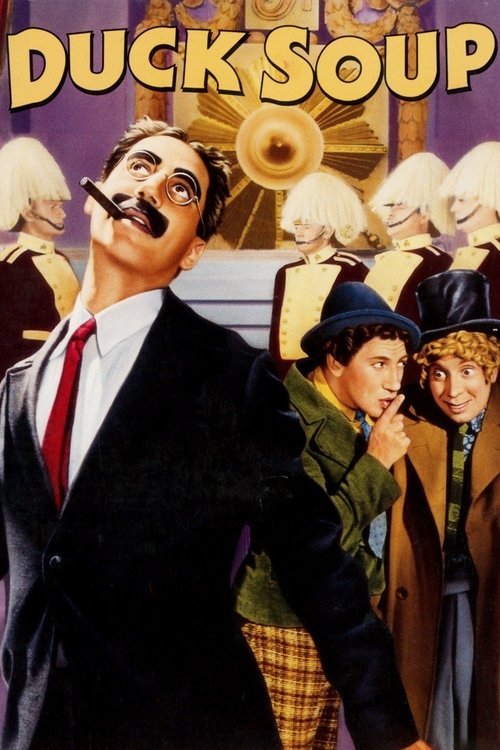
Duck Soup1933
The Marx Brothers destroy logic and decency with the same anarchic energy Clair brings to factories and freedom. Both films prove comedy can dismantle systems while making you laugh.
But The pacing is relentless and deliberately nonsensical—if you need plot coherence, this will frustrate you.
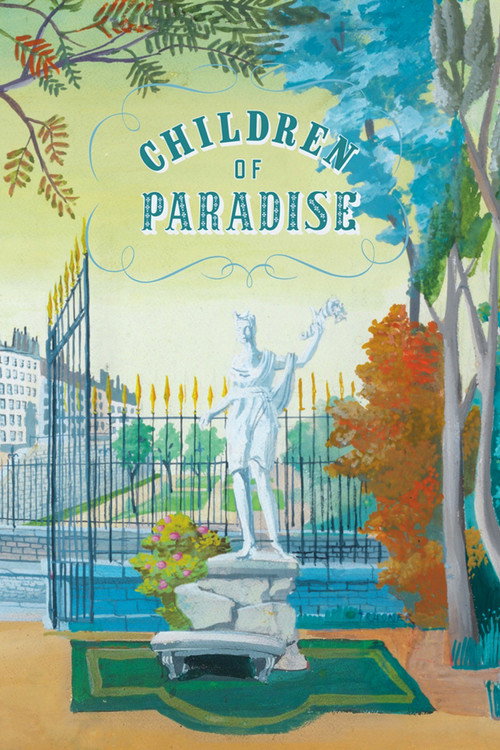
Children of Paradise1945
Carné and Prévert's towering French cinema masterpiece, equally poetic about love and ambition, class and performance. A spiritual successor in scope and humanism, if not tone.
But At three hours and deeply melodramatic, it demands patience and emotional investment in a way À Nous la Liberté doesn't.
Not sure tonight? Get a pick in a minute, starting from À Nous la Liberté
The wildcard
Something you would not have found on your own.
The Phantom Carriage1921
Both films use their genre—satire for Clair, supernatural melodrama for Sjöström—to explore whether men can truly break free from the systems and relationships that define them.
Sjöström's Swedish masterpiece uses supernatural framework to ask what we owe those we've wronged and whether we can escape our past—the exact moral spine of À Nous la Liberté, delivered through ghostly, poetic cinema.
But It's glacially paced, entirely silent, and genuinely bleak in ways that feel remote from modern viewing habits.

More like this (6)
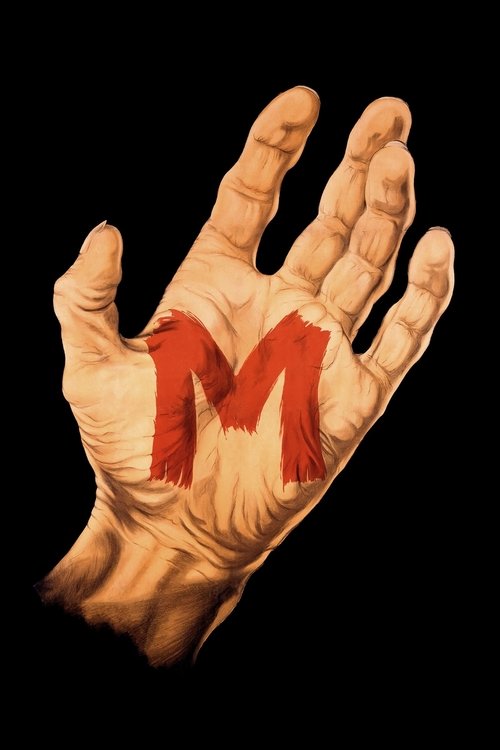
M1931
Lang's Berlin thriller made the same year, equally concerned with systems—legal, moral, social—and how they entrap us. Dark where Clair is light, but sharing a profound skepticism of institutions.
But It's grim, deliberately paced, and focused on a child murderer. The tone is nightmarish rather than playful.
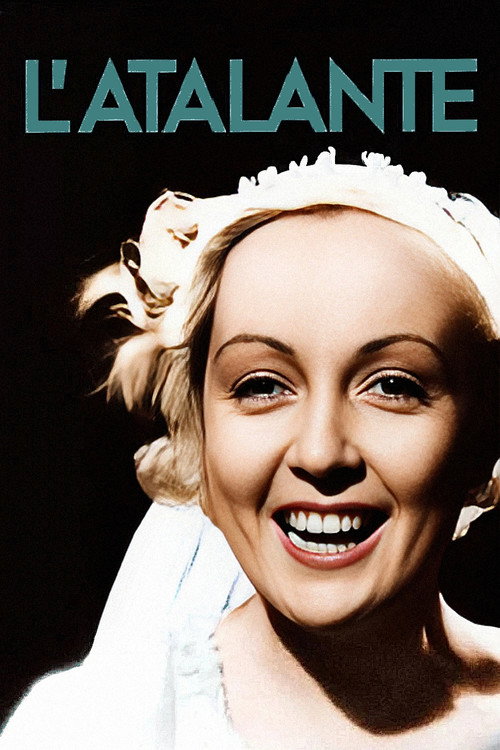
L'Atalante1934
Vigo's tender, eccentric love story channels Clair's visual invention and French poetic realism. A film about desire and freedom that feels like a cousin, warmer and more intimate.
But The plot is thin and meandering; if you need clear narrative momentum, it drifts in ways that may test you.
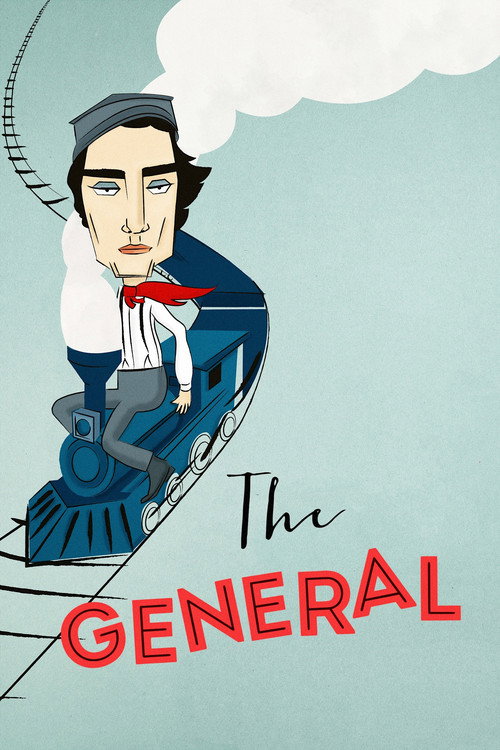
The General1926
Buster Keaton's silent masterpiece about a train, a war, and a man's dignity. The same era as Clair, the same formal brilliance, the same marriage of gag and meaning.
But It's silent, it's fifty years older, and the humor is entirely physical—not everyone connects with that language.
Nosferatu1922
Murnau's expressionist horror shares À Nous la Liberté's fascination with how modernity invades and corrupts. Both films are formally perfect; both are deeply unsettling beneath their surface.
But It's a vampire film made in 1922—if Gothic horror and silent cinema aren't your language, you'll feel distant from it.

Singin' in the Rain1952
A later, American answer to the same questions about performance, freedom, and art in an industrial system. Joyful where Clair is ambivalent, but equally inventive and alive.
But Its optimism feels naive compared to Clair's skepticism, and the Hollywood musical style is entirely different in idiom.

Stalker1979
Where À Nous la Liberté shows liberation as escape, Tarkovsky shows it as a problem with no exit. Both films suggest freedom might be an illusion we chase forever.
Tarkovsky's philosophical science-fiction meditation on desire, freedom, and what we're actually searching for. A film that moves at the opposite speed from Clair but asks the same question: what does liberation look like?
But It's 163 minutes of Russian philosophical cinema with minimal plot. If you need narrative momentum or spectacle, this will feel interminable.

People
Cast
 Henri MarchandÉmile
 Raymond CordyLouis
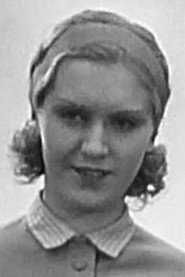 Rolla FranceJeanne
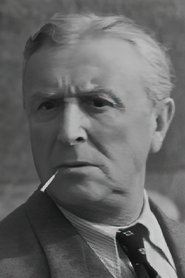 Paul OllivierPaul Imaque, l'oncle
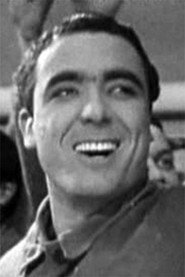 Jacques ShellyPaul
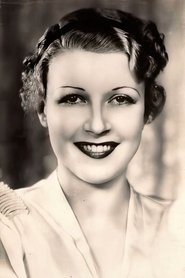 Germaine AusseyMaud
 Léon LorinLe vieux monsieur sourd
- Vincent HyspaLe vieil orateur
 André MichaudLe contremaitre
- MaximilienneUne invitée au diner
 Alexander D'ArcyLe gigolo
- William BurkeL'ancien détenu
Directing
- Albert ValentinAssistant Director
- René ClairDirector
Writing
- René ClairStory
Production
- Alexandre KamenkaProducer
- Frank CliffordProducer
- Roger Le BonProducer
- Georges LampinProduction Manager
Recommended by
Modern Times, The Great McGinty, Le Million, One Hour with You, Merry-Go-Round, The History of Mr. Polly, Palmy Days