
Film
Merry-Go-Round
A 1923 silent film about a disguised nobleman juggling love, class, and deception in fin-de-siècle Vienna. It's a romantic comedy with real warmth, moving at the pace of theater—intimate, playful, occasionally aching. For anyone discovering silent cinema or drawn to stories about people trapped between who they are and who they pretend to be.
If you liked this
Sunrise: A Song of Two Humans1927
F.W. Murnau's masterpiece captures that same bittersweet Vienna-set romance, with a man torn between worlds. The cinematography is breathtaking and the emotional precision is devastating.
But It's heavier and more expressionistic than Merry-Go-Round. If you want lightness and charm, this goes somewhere darker.

The Phantom Carriage1921
Sjöström's supernatural romance shares the film's blend of class commentary and genuine feeling beneath the melodrama. A ghost story that's actually about the lives we choose and the people we owe.
But Swedish, slow, and the plot requires patience. The pacing will feel stagy if you're used to modern editing.

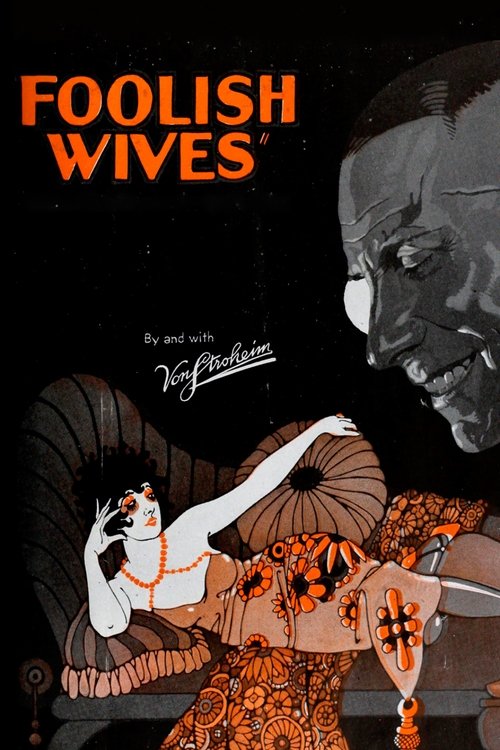
Foolish Wives1922
Stroheim's film shares the same setting and era, exploring deception and desire in post-war Vienna with darkly comic precision. A con man's game played with elegant cruelty.
But It's cynical where Merry-Go-Round is warm. The tone is harsher, the stakes more poisonous.
Not sure tonight? Get a pick in a minute, starting from Merry-Go-Round
The wildcard
Something you would not have found on your own.
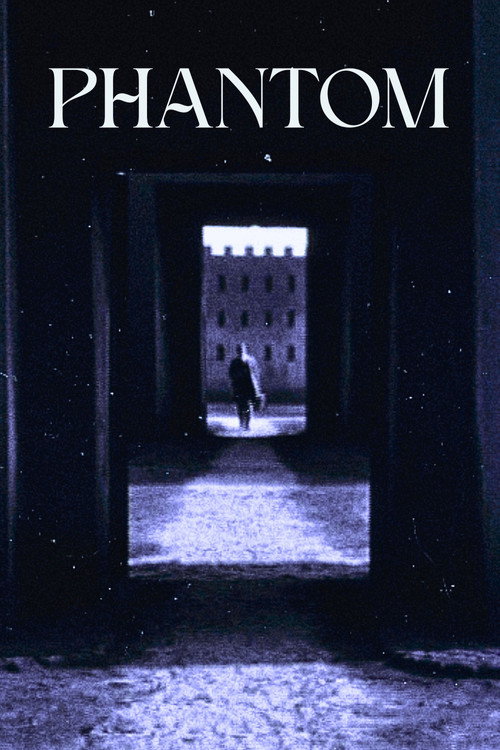
Phantom1922
Both films center on a man living a false identity to reach a woman he can't have, but where Merry-Go-Round is theatrical and social, Phantom is internal and hallucinatory. One is about class pretense; the other is about the fantasies we construct in our own heads.
F.W. Murnau again, but this time making a hallucinated dream-film about a man obsessed with a woman who isn't real. It's Merry-Go-Round's twin—both about deception and desire, but Phantom makes it psychosexual and baroque.
But It's visually overwhelming and deeply strange. The narrative dissolves into pure cinema. Not everyone wants their romance abstract and nightmarish.
More like this (7)
The Lodger: A Story of the London Fog1927
Hitchcock's thriller uses mistaken identity and class anxiety the way Merry-Go-Round does, but as suspense. The visual storytelling is inventive and the paranoia crackles.
But It's a murder mystery, not a romance. The mood is paranoid and claustrophobic rather than charming.

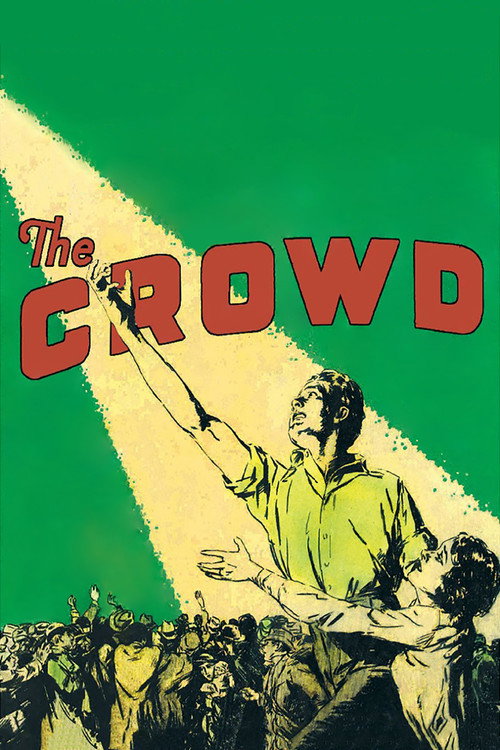
The Crowd1928
King Vidor's portrait of ordinary life has the same gentle skepticism about class and identity. It's funny and sad in the same breath, made by someone who loved messy human contradiction.
But It's not a romance and it's not escapist. The story is about disappointment and compromise, which can feel heavy if you want entertainment.
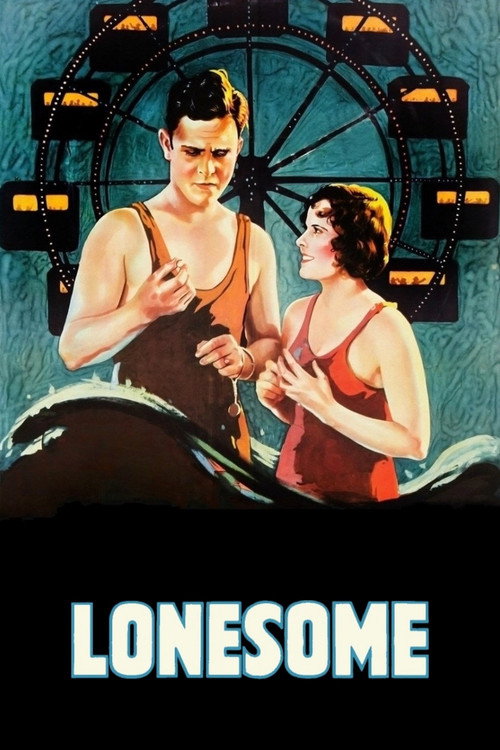
Lonesome1928
Borzage's film shares the Vienna setting and the story of two people finding each other across class. It's tender and strange, shot with real visual poetry.
But It's more experimental and less dramatically satisfying. Some sequences feel like sketches rather than a complete story.
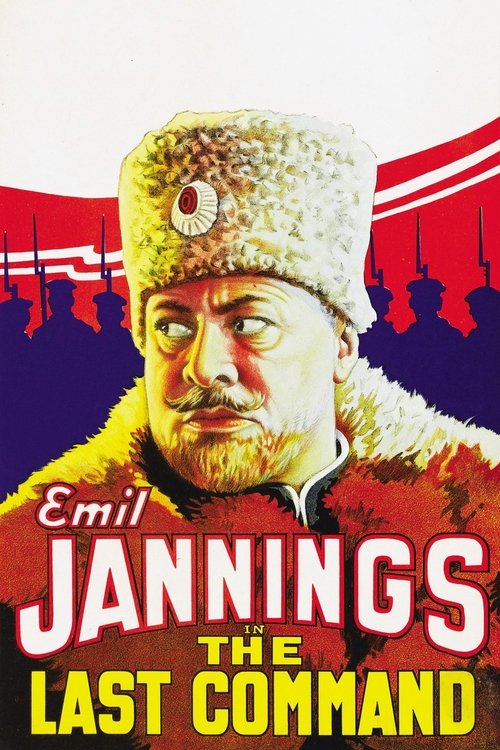
The Last Command1928
Sternberg's film is also about a man playing a role that isn't real, haunted by his past. There's the same bittersweet compression of tragedy and charm.
But It's Russian Revolution drama, not romantic comedy. The tone is elegiac and the ending is dark.
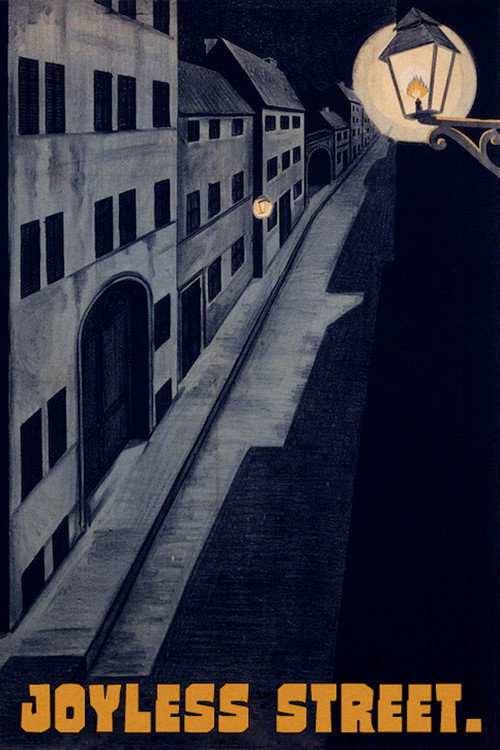
Joyless Street1925
Pabst's Vienna-set melodrama has the same setting and explores desire and desperation with unflinching clarity. Greta Garbo is extraordinary.
But It's grim and tragic. There's no charm or lightness to it—it's about survival in a broken society.
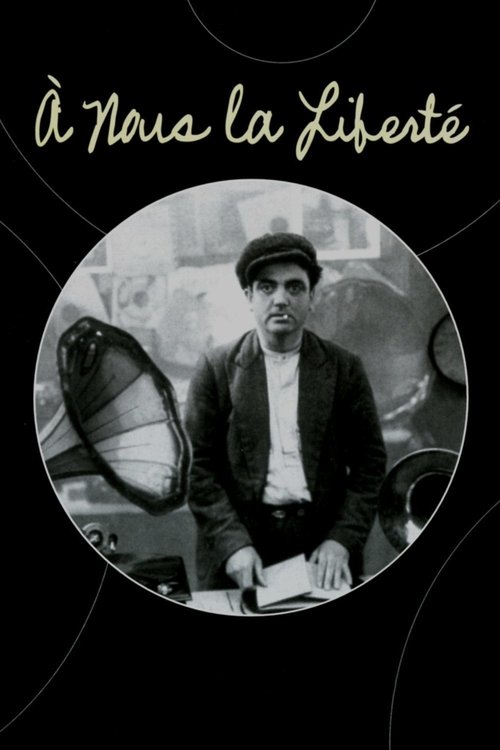
À Nous la Liberté1931
Both are about men pretending to be something they're not in order to navigate a society that doesn't want them. But where Merry-Go-Round romanticizes the deception, Clair makes it the engine of political comedy—the costume is the truth.
Clair's masterpiece is a comedy about two escaped convicts in a mechanized world, with the Vienna-operetta spirit Merry-Go-Round has. It's witty, anarchist, and genuinely funny—early sound film at its most sophisticated and joyful.
But It's in French and it's early sound, so the dialogue is thick and the pacing feels deliberate. The social satire can feel abstract.
Stalker1979
Both films use disguise and journey as a way to explore identity: who we pretend to be, who we wish to be, and whether those things can ever align with reality. Merry-Go-Round asks it as romance; Stalker asks it as philosophy.
Tarkovsky's philosophical epic follows three men on a journey through a mysterious zone to find a room that grants wishes. Slow, hypnotic, it asks what we really want and whether we deserve it—the metaphysical question buried under Merry-Go-Round's romantic surface.
But It's three hours of deliberate, ambiguous cinema. No plot, barely any dialogue. If you want narrative satisfaction or clarity, you will hate it.

People
Cast
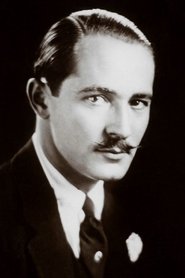 Norman KerryCount Franz Maximilian Von Hohenegg
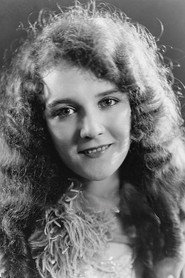 Mary PhilbinAgnes Urban
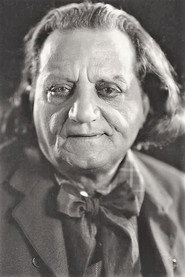 Cesare GravinaSylvester Urban
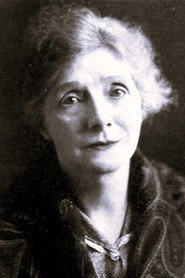 Edith YorkeUrsula Urban
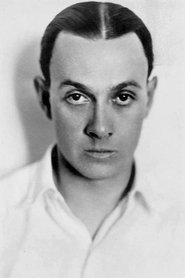 George HackathorneBartholomew Gruber
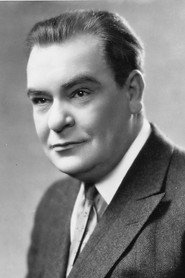 George SiegmannSchani Huber
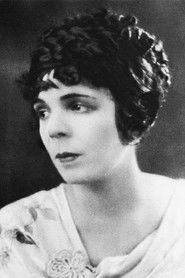 Dale FullerMarianka Huber
- Lillian SylvesterMrs. Aurora Rossreiter
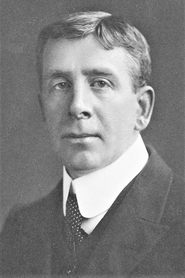 Spottiswoode AitkenMinister of War / Gisella's Father
- Dorothy WallaceCountess Gisella Von Steinbruck
- Albert EdmondsonNepomuck Navrital
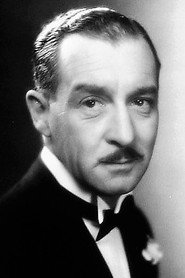 Albert ContiRudi / Baron von Leightsinn
Directing
- Erich von StroheimDirector
- Rupert JulianDirector
Writing
- Finis FoxAdaptation
- Mary O'HaraDialogue
- Harvey GatesStory
Production
- Irving ThalbergProducer