
Film
Foolish Wives
Erich von Stroheim's audacious 1922 silent masterpiece about a bogus Russian count seducing his way through the French Riviera. Visually sumptuous and psychologically astute, it's a character study wrapped in scandal and deceit. For anyone fascinated by early cinema's ambition, moral complexity, or how von Stroheim could make villainy magnetic and utterly human.
Should you watch it?
Watch it if you love silent-era craft where every frame is built like a set piece, and you don't mind a villain who is charming, vain and thoroughly enjoyable to watch misbehave.
Skip it if you need brisk pacing, since at nearly two and a half hours this is lavish and deliberate, and its sly, sometimes leering tone may feel more tiresome than tantalising.
What it asks of you: Settle in for a long, unhurried silent picture with intertitles to read, where the scale and staging do most of the work and attention pays off in small visual details.
Not sure? Find tonight's pick in a minute.
If you liked this
Nosferatu1922
Released the same year and equally revolutionary in its visual storytelling. A haunting, atmospheric masterpiece that shows what German Expressionism could do to the human soul. Essential silent cinema.
But The pacing is deliberate and the horror comes from mood rather than action. If you need plot momentum, it can feel glacial.

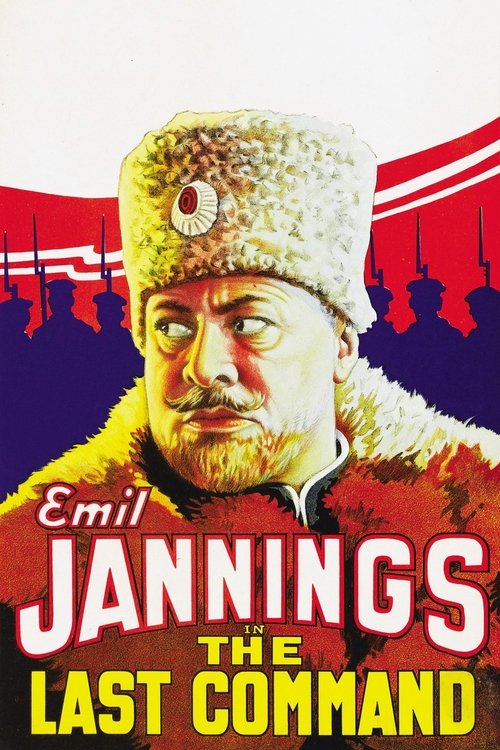
The Last Command1928
Emil Jannings gives a devastating performance as a fallen Russian general in post-revolutionary Hollywood. It has Stroheim's same interest in the lies men tell themselves, with equal elegance and despair.
But The emotional weight is heavy throughout. There's beauty here but not much lightness, and the ending won't lift your mood.
The Phantom Carriage1921
Arne Börglund's Swedish masterpiece about guilt, redemption, and the supernatural. Visually inventive in ways that rival Stroheim, with genuine emotional depth beneath the Gothic trappings.
But It's extremely long and moves in a dreamlike rhythm. Impatience with ambiguous morality or slow reveals will wear you down.

Not sure tonight? Get a pick in a minute, starting from Foolish Wives
The wildcard
Something you would not have found on your own.
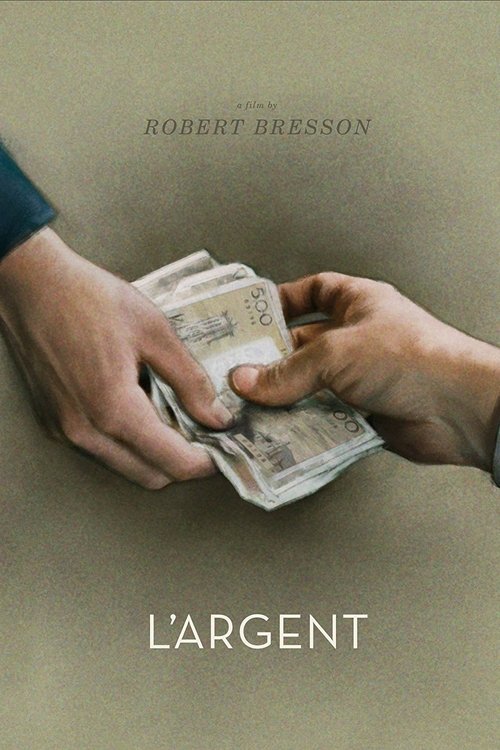
L'Argent1983
Both chart the moral rot beneath elegant surfaces. Where Foolish Wives seduces you into complicity with its villain, L'Argent refuses you even that comfort.
Robert Bresson's austere masterpiece about a counterfeit note circulating through French society, destroying everyone it touches. Where Stroheim's con man is magnetic and human, Bresson's money is an abstract force of corruption. Both are about the lies money tells and the lies it makes of us, but Bresson strips away all seduction.
But Bresson is nearly anti-cinematic: minimal acting, no music, moral coldness. If you need warmth or emotional catharsis, this will feel punishing rather than profound.
More like this (8)
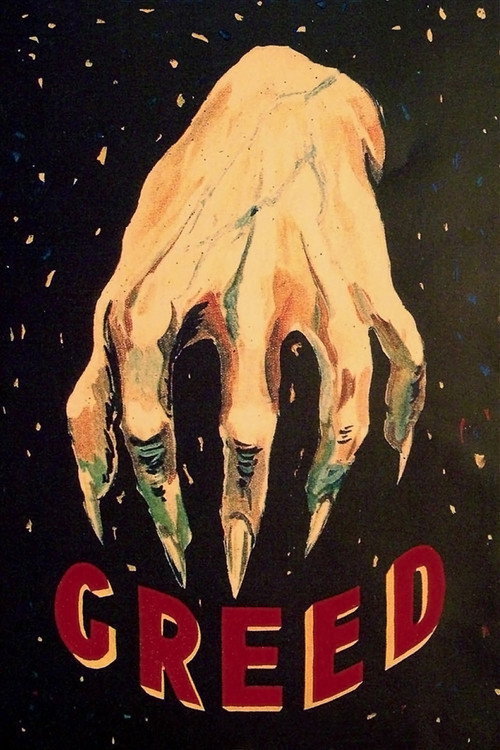
Greed1924
Von Stroheim's own follow-up, even more ambitious and brutal. A descent into obsession that makes Foolish Wives look restrained. Considered one of cinema's greatest achievements, period.
But The original cut ran nearly nine hours; even the reconstructed version demands serious endurance. The misanthropy is unrelenting.
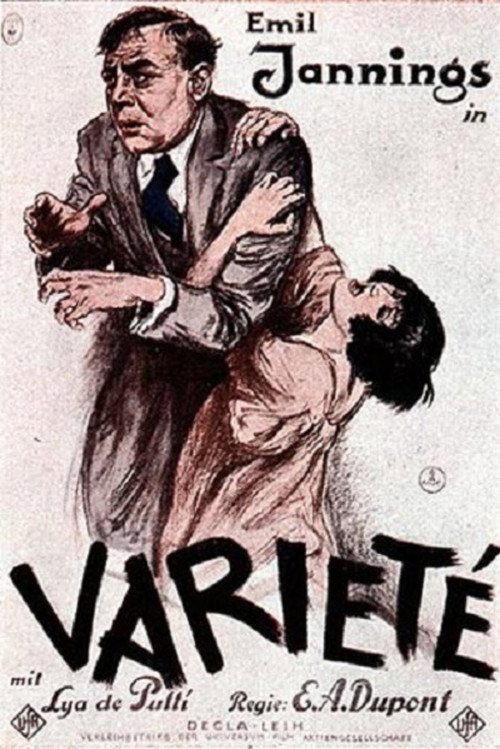
Variety1925
E.A. Dupont's dazzling film about circus performers, jealousy and desire. Technically inventive with handheld cameras and dynamic compositions that feel startlingly modern. A con artist's world of spectacle and lies.
But Some theatrical moments feel overwrought by today's standards. The moral framework can seem dated or sanctimonious.
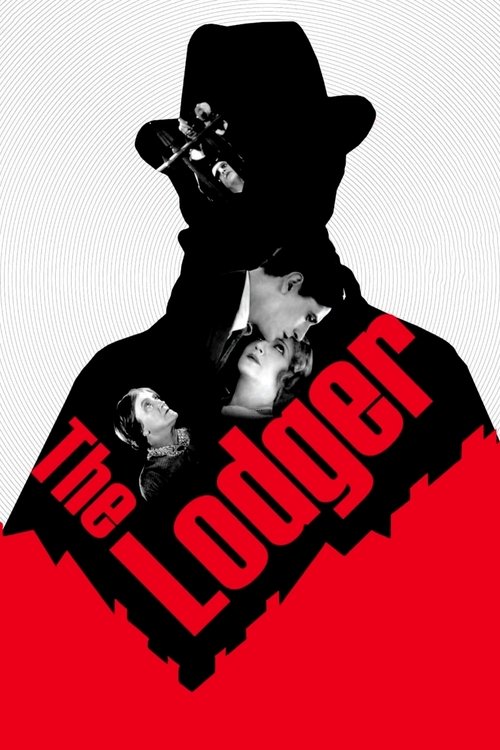
The Lodger: A Story of the London Fog1927
Hitchcock's first suspense masterpiece, about a lodger suspected of being a serial killer. Builds psychological tension with purely visual storytelling and moral ambiguity. Proof that silent cinema could do thriller better than sound ever did.
But Subtlety sometimes gives way to expressionistic excess. The pacing shifts awkwardly in places.
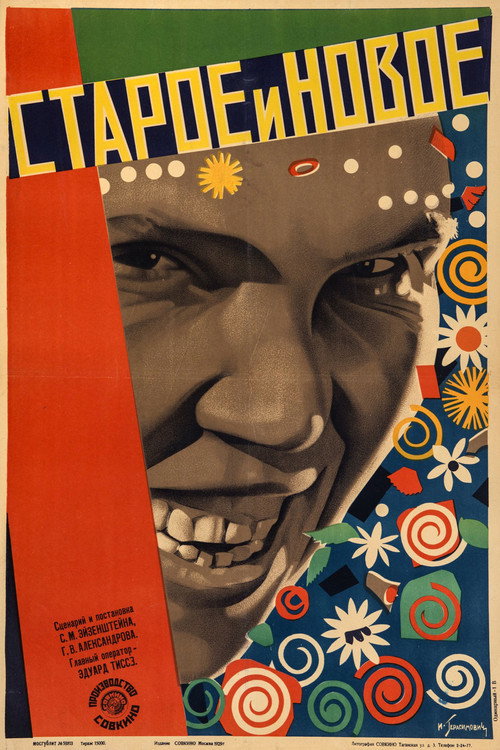
The General Line1929
Sergei Eisenstein's propagandistic but visually staggering film about Soviet agricultural reform. Shows how silent cinema could make ideology into montage, rhythm, and visual poetry. Completely different register but equally radical.
But The politics are heavy-handed and dated. Its formal brilliance can't overcome the agenda underneath, for some viewers.
Sunrise: A Song of Two Humans1927
F.W. Murnau's lush, romantic film about a husband tempted to murder his wife by a city woman. German Expressionism meets genuine love story. Visually gorgeous and emotionally devastating. A masterpiece.
But The melodrama can feel suffocating. If you resist the sentiment, the whole structure collapses for you.

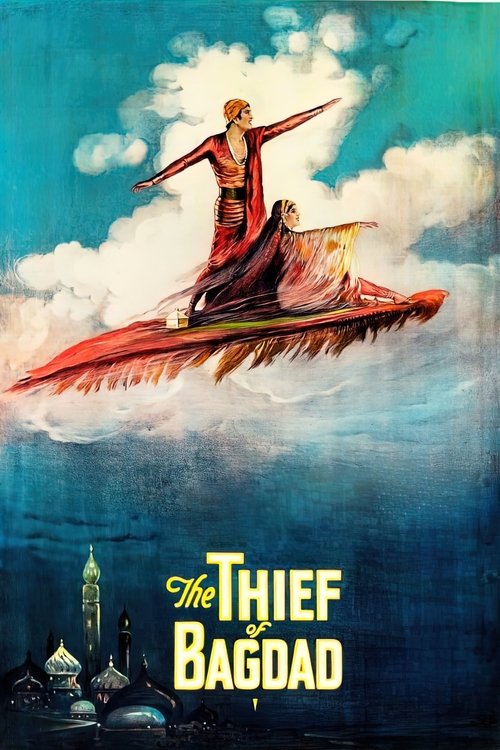
The Thief of Bagdad1924
Raoul Walsh's lavish adventure with Douglas Fairbanks, where charm and deception are the real currency. A lighter touch than Stroheim but similarly fascinated by performance, desire and the lies we buy into willingly.
But It's episodic and sometimes slow. The orientalism feels distant and kitschy now. More fun than moving.
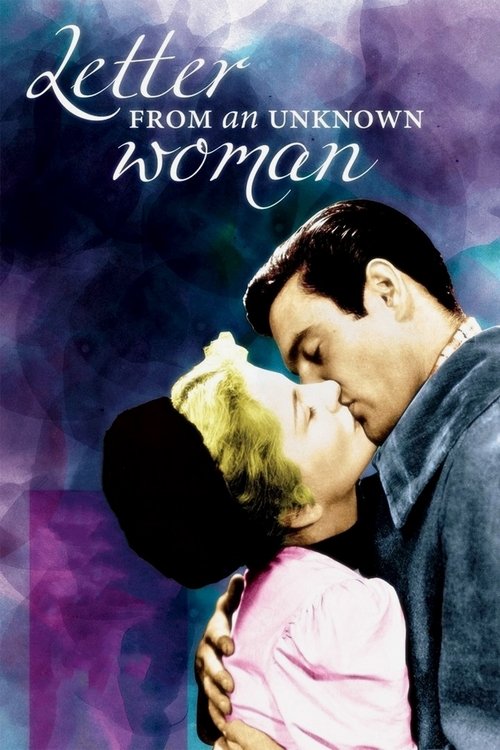
Letter from an Unknown Woman1948
Both are about the stories people tell themselves about desire and their own sophistication. Stroheim's count charms women; Ophüls shows what it costs to believe in him.
Max Ophüls' ravishing melodrama about a woman's lifelong unrequited love for a charming libertine. It has Stroheim's fascination with seduction and self-deception, but told entirely from the woman's side. Every shot is graceful, every emotion genuine. A secret masterpiece.
But It's hopelessly romantic about a situation that is fundamentally one-sided and delusional. If you need the woman to leave him, this will infuriate you.
The Leopard1963
Both are fascinated by aristocratic performance and the fragility of rank. Stroheim's fake count and Visconti's real prince are both trying to preserve something that modernity is destroying.
Luchino Visconti's three-hour Italian epic about an aristocrat watching his world collapse into modernity. Visually sumptuous in ways that rival Stroheim, but in color and CinemaScope. A meditation on nobility, authenticity, and the performance of social position across an entire historical moment.
But The pacing is glacial and the historical context (Italian Unification) can feel remote. It's a film for sitting with loss, not for entertainment.

People
Cast
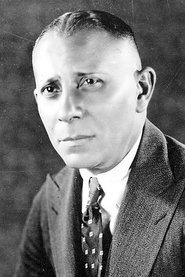 Erich von StroheimCount Wladislaw Sergius Karamzin
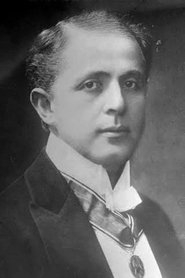 Rudolph ChristiansAndrew J. Hughes
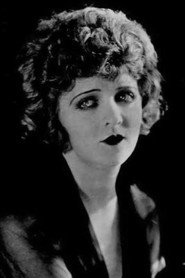 Miss DuPontHelen Hughes
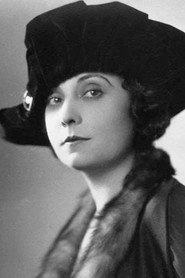 Maude GeorgePrincess Olga Petchnikoff
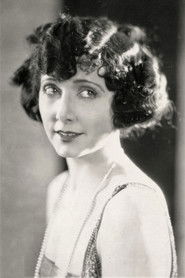 Mae BuschPrincess Vera Petchnikoff
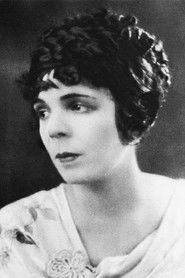 Dale FullerMaruschka
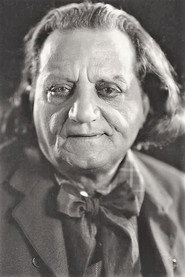 Cesare GravinaCesare Ventucci
- Malvina PoloMarietta
- Albert EdmondsonPavel Pavlich
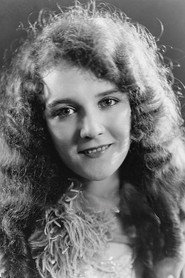 Mary PhilbinCrippled Girl (uncredited)
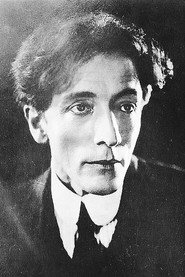 Nigel De BrulierMonk (uncredited)
- C.J. AllenAlbert I
Directing
- Edward SowdersAssistant Director
- Jack R. ProctorAssistant Director
- Louis GermonprezAssistant Director
- Erich von StroheimDirector
Writing
- Erich von StroheimScenario Writer
- Erich von StroheimWriter
Production
- Irving ThalbergProducer
- R.H. CochranePublicist
Recommended by
Applause, Way Down East, Horse Feathers, A Florida Enchantment, The Sheik, The Pleasure Garden, The Temptress, Lonesome, The Battle of the Sexes, Reckless, The Firefly, A Woman of Paris: A Drama of Fate, The Ace of Cads, The Reckless Age, The Branded Woman, The Big Broadcast of 1938, Merry-Go-Round, A Girl's Folly, Boom Town, The Man I Love, Gentlemen Prefer Blondes