
Film
Applause
Applause is a 1929 backstage musical about a burlesque star trying to shield her daughter from the theatrical world that made and unmade her. It's visually inventive and genuinely moving—a mother's desperation to give her child a different life, set against the glittery machinery of vaudeville. Essential early sound cinema, particularly for Helen Morgan's raw performance.
Should you watch it?
Watch it if you love early sound films where the rough edges are part of the charm, and you want a melancholy look at show-business glamour without polish.
Skip it if the creaky early-sound staging will wear thin fast if you want modern pacing, and its talk-heavy scenes will test anyone expecting slick, song-driven razzle-dazzle.
What it asks of you: Eighty minutes, unhurried and plain-spoken, with scenes that linger on people talking in cramped rooms; settle into its old-fashioned rhythm rather than expect it to hurry along.
Not sure? Find tonight's pick in a minute.
If you liked this
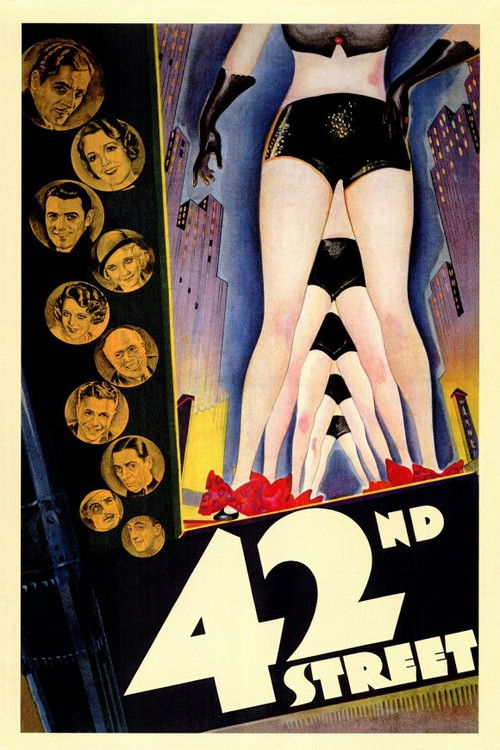
42nd Street1933
A later but definitive backstage musical with stunning choreography and genuine stakes. Shows how quickly the genre evolved after Applause, with bigger budgets and tighter plotting. Astaire and Powell at their peak.
But If you want the emotional weight of Applause, this leans harder into spectacle and charm. The plot can feel thin under all the tap dancing.
Singin' in the Rain1952
The gold standard of the form: joy, technical brilliance, and real narrative tension about fame and loyalty all braided together. The transition from silent to sound cinema gives it edge even as it celebrates entertainment itself.
But It's so beloved and widely available that it can feel like comfort food rather than revelation. The sentiment is earned but unapologetic.

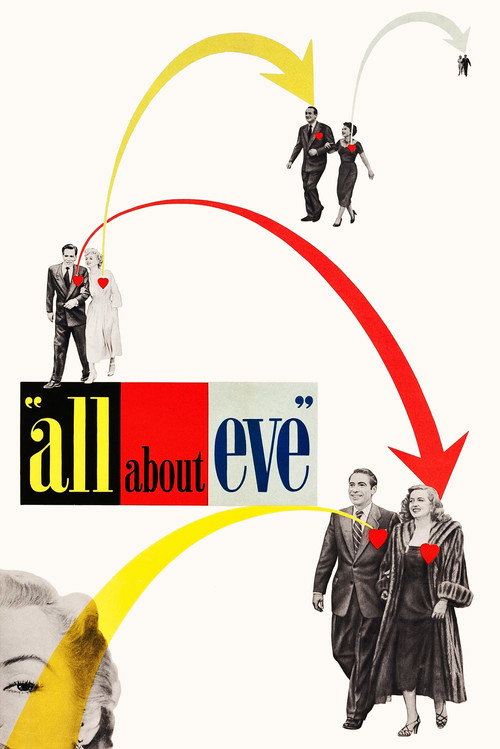
All About Eve1950
An acid-sharp look at theatrical ambition and aging female performers. Bette Davis gives a masterclass in playing a woman whose power is slipping; it echoes Applause's core tension but with cynicism and wit instead of heartbreak.
But The stage world here is Broadway drama, not burlesque—it's the opposite register. Much more talk, much less music or spectacle.
Not sure tonight? Get a pick in a minute, starting from Applause
The wildcard
Something you would not have found on your own.
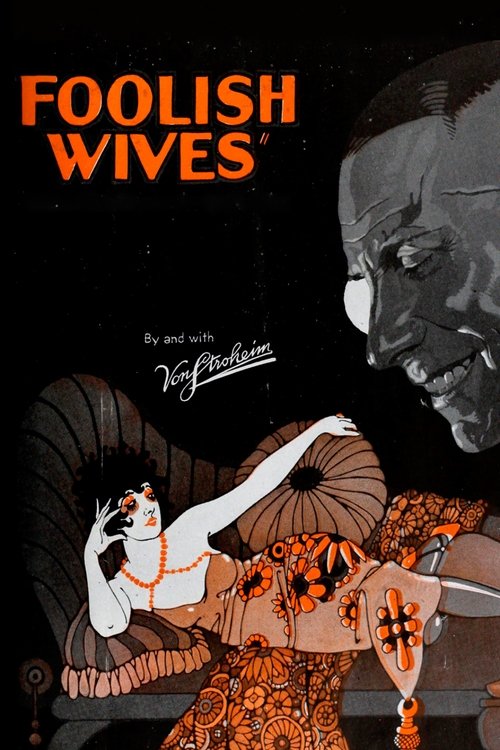
Foolish Wives1922
Both explore how the skills of performance—charm, manipulation, reinvention—can save you or destroy you, depending on what you're selling and who's watching.
A Erich von Stroheim silent film about performance, con artistry, and the thin line between theater and reality. Made seven years before Applause, it shows how cinema was already wrestling with the cost of playing a role—but through fraud and seduction rather than maternal love.
But It's silent and nearly three hours long. The narrative is baroque and the moralism is weirdly complicated; it doesn't resolve the way Applause does.
More like this (7)
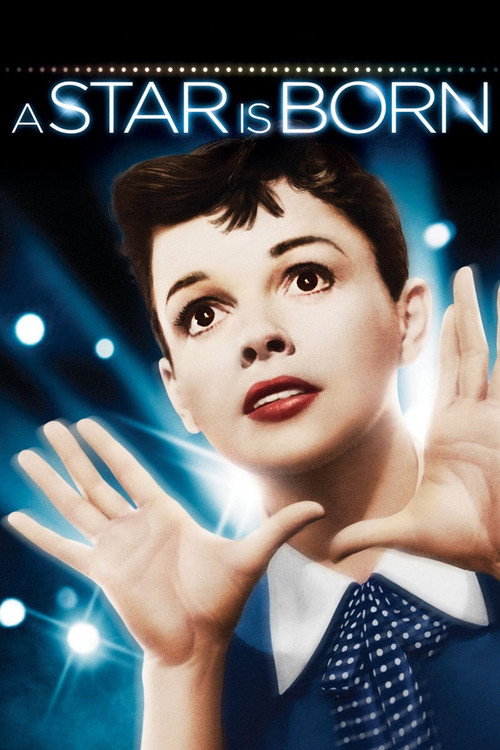
A Star Is Born1954
The 1954 Judy Garland version captures that same dynamic of a parent's sacrifice and a child's difficult inheritance, but transposes it to Hollywood. Garland's performance is painfully generous; the film doesn't look away from the cost of stardom.
But It's nearly three hours and moves slowly by modern standards. The Technicolor romanticism of Hollywood can soften what is actually a story about self-destruction.
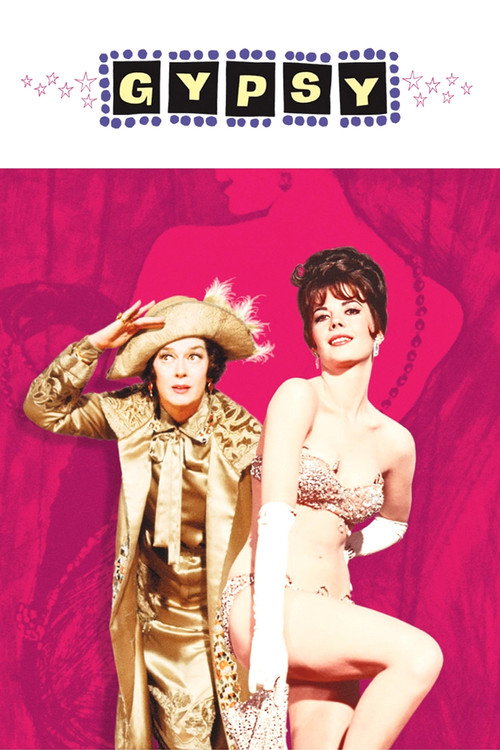
Gypsy1962
Rosalind Russell as the ultimate stage mother, ruthless and charismatic and utterly convinced she knows what's best for her daughter. It takes the Applause premise and pulls it taut: same world, same conflict, dial everything to eleven.
But Russell's performance is so dominating that Rose almost becomes the protagonist. Some viewers find the character insufferable rather than tragic.
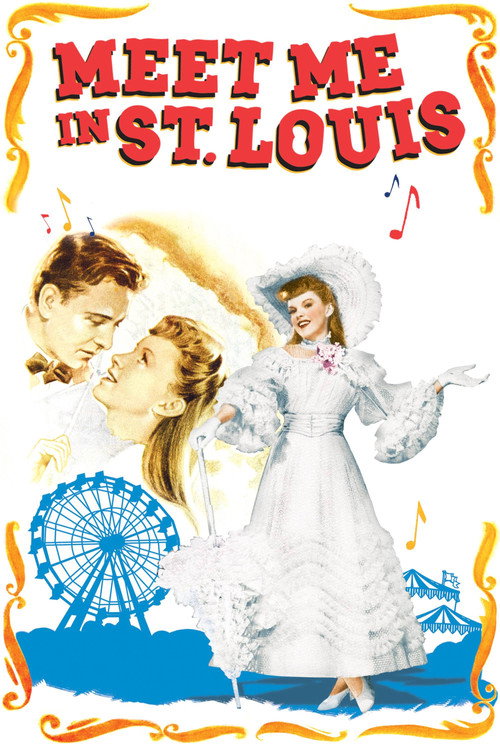
Meet Me in St. Louis1944
A gentler backstage inflection: family and theatrical ambition, but set in domestic life rather than the stage itself. Judy Garland again, and it captures something Applause does—the ache of watching someone you love want something you can't give them.
But It's a musical in tone rather than execution. If you're after spectacle or songs, you'll find it charming but slight.
The Red Shoes1948
Powell and Pressburger's masterpiece about a young dancer caught between art and love, torn apart by a mentor who demands everything. The mother-daughter dynamic isn't present, but the theme of sacrifice and the cost of ambition is absolute.
But It's visually overwhelming and can feel claustrophobic. The color and the editing are so assertive that some find it airless rather than moving.

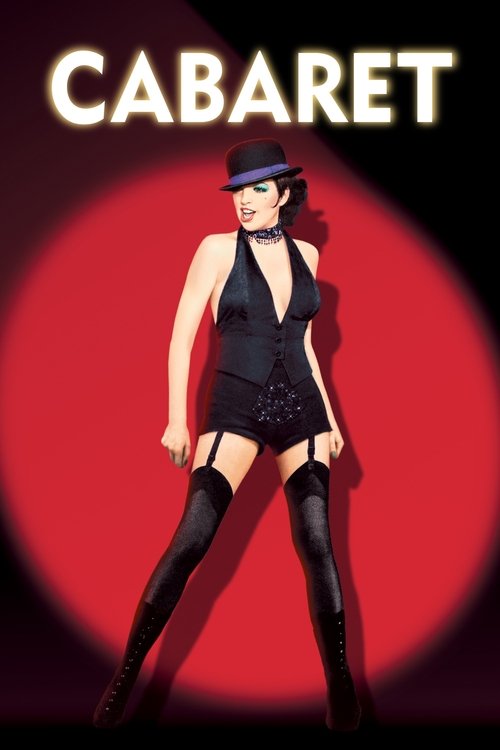
Cabaret1972
Takes the backstage musical into a darker register entirely—Sally Bowles in Weimar Berlin, performance as survival and defiance. The Emcee and the Kit Kat Club are shadows of the burlesque world Applause knew.
But The joy is cynical or frantic. There's no sentiment here, no redemption. It's a masterpiece but austere compared to what you might want.
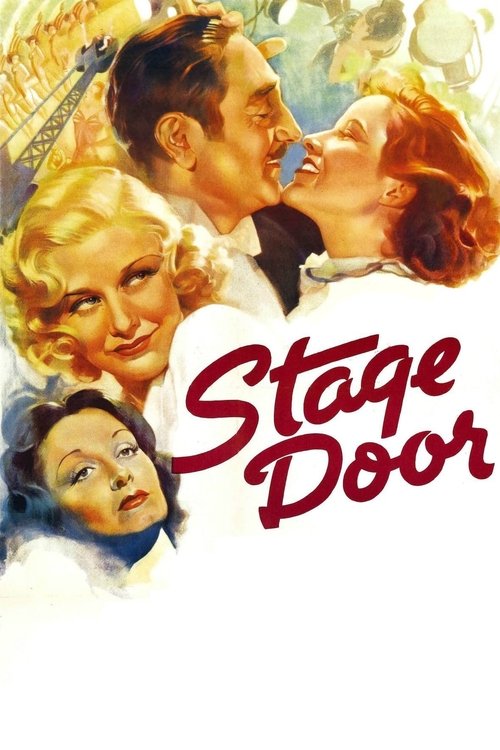
Stage Door1937
Both ask what women in show business owe each other, and whether the industry itself is worth the cost to the people inside it.
A sharp ensemble film about struggling actresses in a boarding house, competing and supporting each other while the system chews them up. It's Applause's world translated to dialogue and group dynamics rather than one mother-daughter story. Katharine Hepburn and Ginger Rogers, best in show.
But The tone is fast and comedic rather than elegiac. Some of the wit lands as brittle, and the ending softens the film's own critique of the system.
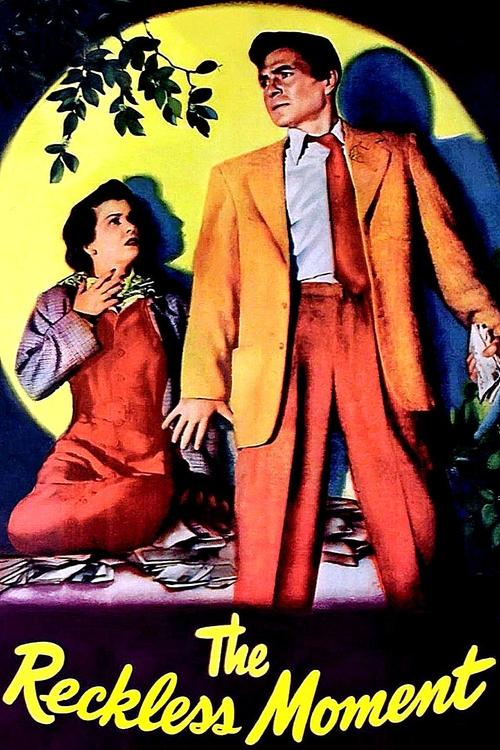
The Reckless Moment1949
The exact same mother-daughter bind as Applause—one trying to save the other through self-sacrifice—but stripped of theater and music and exposed as pure emotional machinery.
Ophüls's melodrama about a mother who commits a crime to protect her daughter's future. Not about theater at all, but about maternal desperation and the weight of impossible choices. Shot through with visual eloquence and genuine moral complexity.
But It's a psychological noir, not a musical or backstage story. The mood is anxious and shadowed. If you're looking for the theatrical world itself, you won't find it here.
People
Cast
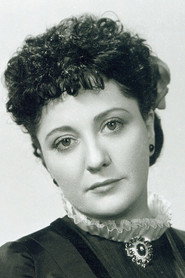 Helen MorganKitty Darling
 Joan PeersApril Darling
- Fuller Mellish Jr.Hitch Nelson
- Jack CameronJoe King
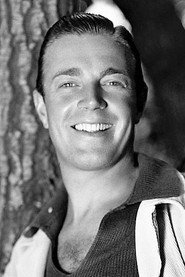 Henry WadsworthTony
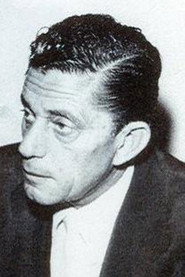 Mack GraySlim's Brother
- Dorothy CummingMother Superior
Directing
- Otto BrowerAssistant Director
- Rouben MamoulianDirector
Writing
- Garrett FortAdaptation
- Dolly MorseLyricist
- E.Y. HarburgLyricist
- Beth BrownStory
Production
- Jesse L. LaskyProducer
- Monta BellProducer
- Walter WangerProducer
Recommended by
Dames, The Hollywood Revue of 1929, Sweethearts, The Singing Fool, Innocents of Paris, The Phantom President, The Cat and the Fiddle, Going Hollywood, Min and Bill, A Free Soul, The Man I Love, The Bowery