
Film
Innocents of Paris
A 1929 musical romance where Maurice Chevalier plays a Parisian junk dealer torn between humble love and sudden stardom. It's a slim, charming artifact of early sound film—intimate and slightly creaky, with music that stops the story dead but never feels like a chore. For anyone curious about how romance worked before cynicism, or how Chevalier became Chevalier.
If you liked this
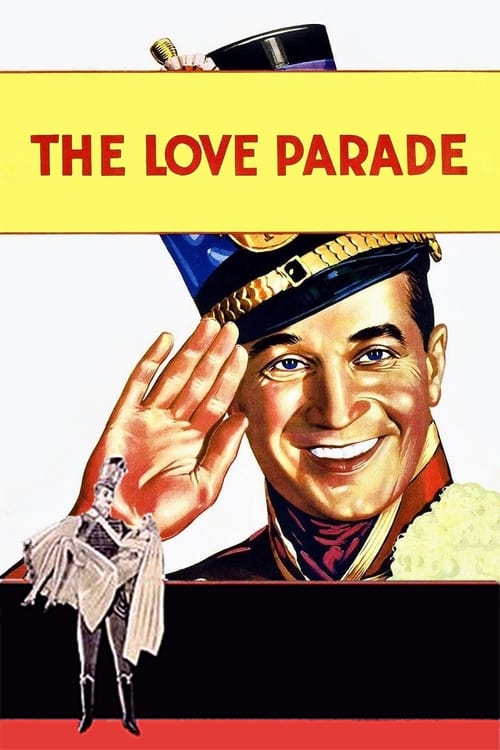
The Love Parade1929
Lubitsch's debut talkie, also starring Chevalier. It has the same playful sophistication and musical confidence, but with sharper wit and a director working at the height of his powers. The sex comedy is genuinely clever.
But Lubitsch's touch is so light it can feel insubstantial if you're after plot. The whole thing is decoration, which is rather the point.
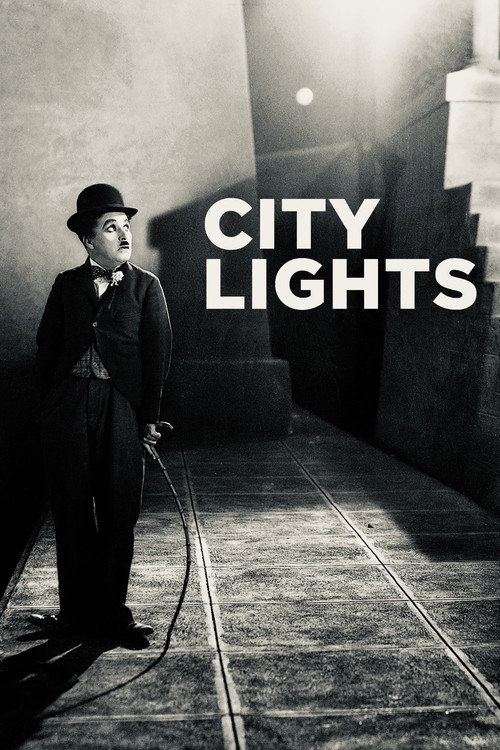
City Lights1931
Chaplin's silent masterpiece arrived just after this, proving the emotional depth possible in the form. A tramp falls for a blind flower girl; the climax still devastates. It shows what the era was reaching toward.
But It's almost wordless in a talkie era. If you need dialogue to feel engaged, the silence will frustrate rather than enchant you.
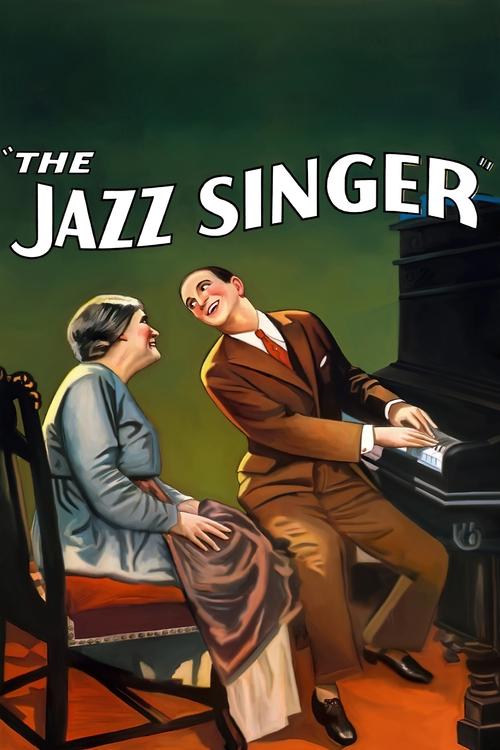
The Jazz Singer1927
The first feature-length talkie, and it's better than its reputation suggests. Jolson's a colossal ego, but the tension between tradition and ambition is genuinely felt. It's the ancestor of every show-biz struggle story since.
But The blackface sequences are a wall. You have to be willing to sit with that ugliness as a document of its time, which some viewers reasonably won't.
Not sure tonight? Get a pick in a minute, starting from Innocents of Paris
The wildcard
Something you would not have found on your own.
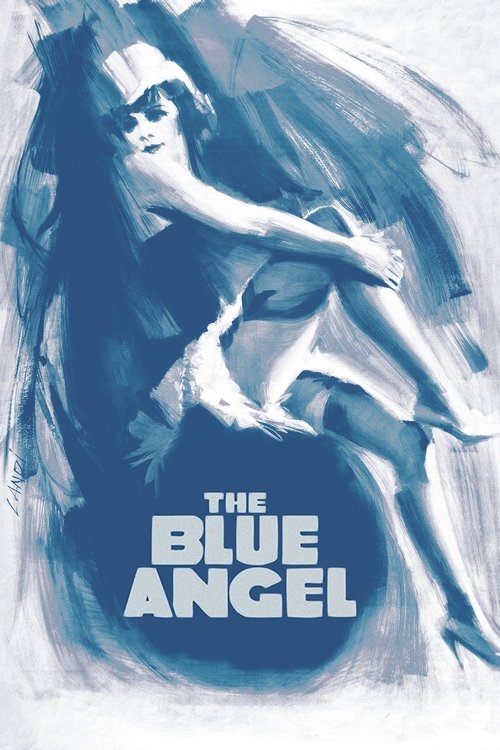
The Blue Angel1930
Both films use early sound to explore whether love or ambition wins. Sternberg answers: neither. The machinery grinds on.
Another Chevalier contemporary, but Josef von Sternberg's film is the dark mirror of Innocents—a man undone by love rather than saved by it. Marlene Dietrich is hypnotic, and the descent is filmed with such style and cruelty that you can't look away.
But It's bleak and sexually frank for 1930. The woman is not sympathetic; the man's humiliation is the point. Some find it misogynistic despite its visual brilliance.
More like this (8)
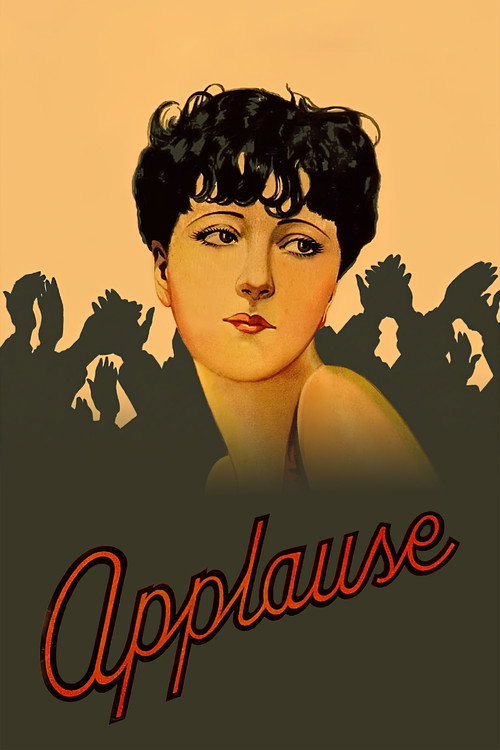
Applause1929
A mother-daughter tragedy set in burlesque, made by Mamoulian with visual inventiveness that had no business working in early sound. It's both stagey and cinematic, grimy and beautiful. Pure heartbreak.
But The sound recording is rough by any standard; dialogue overlaps, music drowns things out. It's a feature of the era, but it can make following scenes a genuine effort.
Sunrise: A Song of Two Humans1927
A newlywed couple rekindles their marriage after temptation nearly ruins it. Murnau's visual poetry turned to domestic tenderness—it's devastatingly romantic and made entirely in silent film language. The city sequence alone justifies it.
But It's a silent film. If you're looking for dialogue-driven drama, this will feel like watching paintings, however gorgeous the painting.

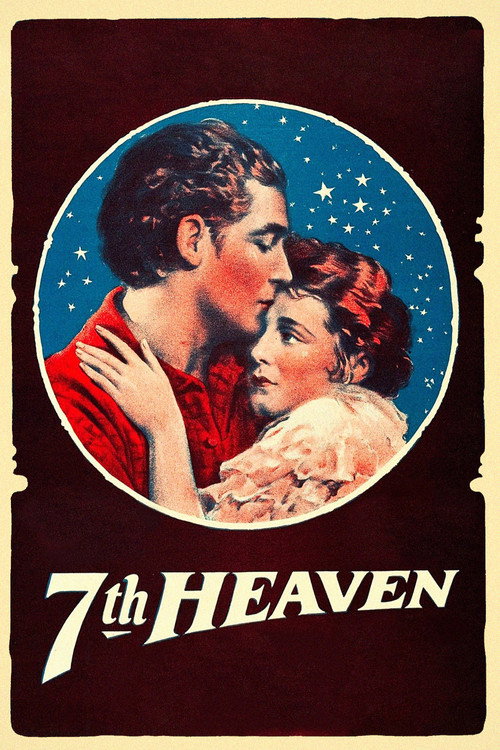
7th Heaven1927
A Paris-set romance between a street sweeper and a factory girl, directed by Borzage with almost unbearable sincerity. It caught the spirit of devotion that the era idealized. Chevalier's predecessor in the romantic everyman role.
But That sincerity reads as saccharine now. If irony is your native language, this will feel like a foreign country you can't quite learn to navigate.
Nosferatu1922
Not romance—pure dread. But it's Murnau's earlier masterpiece, and if you're exploring 1920s cinema, it's the summit. Gothic, nightmarish, visually perfect. Still genuinely unsettling.
But It's a vampire film made before vampire films had rules. If you're after plot coherence or scares you understand, this is impressionistic and strange.

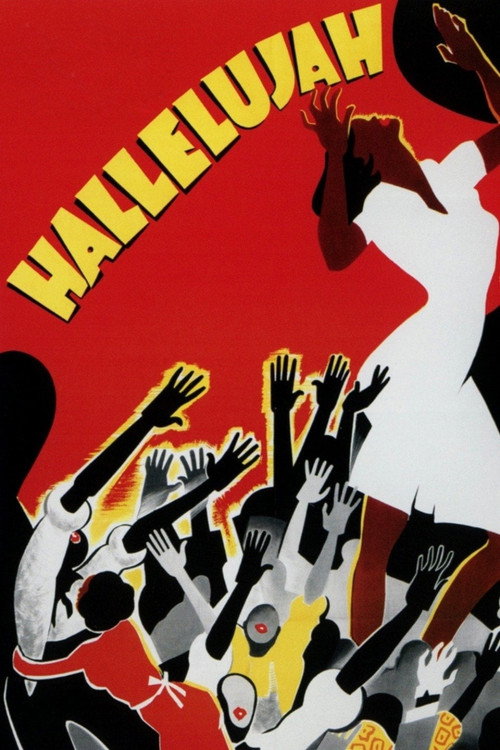
Hallelujah1929
King Vidor's first talkie, set in the American South—a spiritual and musical drama about a man undone by his desires. It's rougher and more ambitious than Innocents, with real anger beneath the romance.
But The racial politics are complicated and sometimes uncomfortable. It's a well-meaning film by a white director, which means it doesn't bear scrutiny without friction.
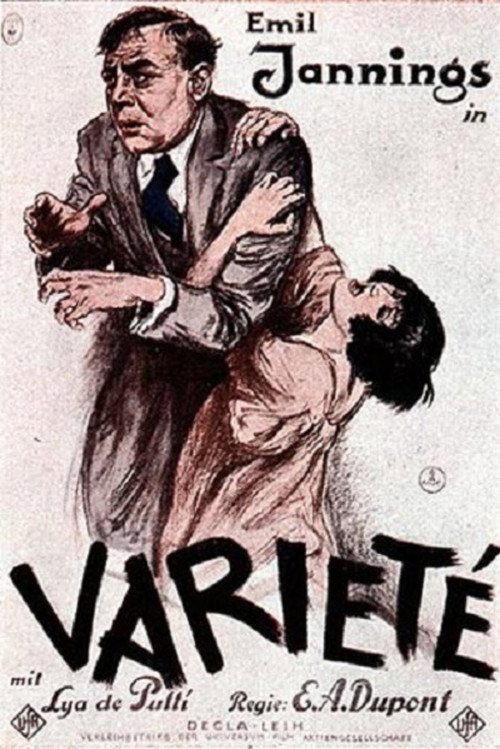
Variety1925
A Berlin vaudeville backdrop for a story of jealousy and betrayal. Emil Jannings is magnificent, and Dupont's camera work is still dazzling. It shows the melodrama running under the entertainment.
But It's a silent film about circus performers, which is already niche. The emotional register is very high-volume; everything is felt loudly.
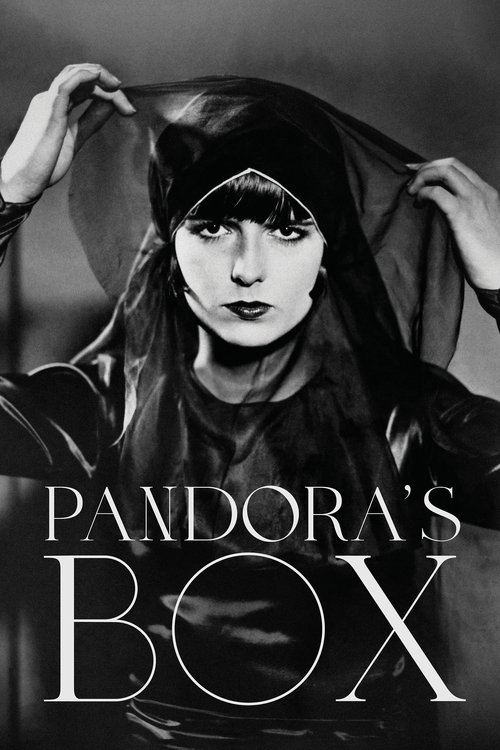
Pandora's Box1929
Both arrived in 1929 as sound cinema was being invented. But where Chevalier's film celebrates love's redemption, Pabst questions whether love survives contact with desire and society.
Released the same year, Pabst's German tragedy about a woman who destroys every man who loves her. It's sexually frank, visually sophisticated, and morally complex in a way Innocents isn't even attempting. Louise Brooks is mesmerizing.
But It's a foreign film from nearly a century ago, which means subtitles and patience. The print quality varies; some editions are murky. And it's genuinely dark—not a romance, a dissection of one.
Singin' in the Rain1952
Singin' in the Rain is the backward glance at the era Innocents helped invent. It's what the 1920s became once Hollywood learned to use sound as music rather than obstacle.
A musical about the transition from silent to sound film, made 23 years later with all the techniques perfected. Gene Kelly and Donald O'Connor are airborne with joy, and the film is fundamentally about exactly what Innocents was grappling with: how do you tell stories when sound arrives?
But It's cheerful in a way that can feel lightweight if you're looking for genuine emotion. The technical sophistication sometimes overwhelms the heart.

People
Cast
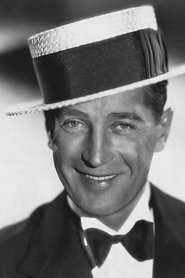 Maurice ChevalierMaurice Marney
- Sylvia BeecherLouise Leval
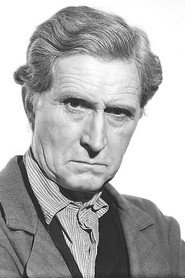 Russell SimpsonEmile Leval
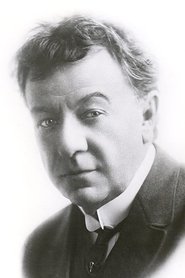 George FawcettMonsieur Marny
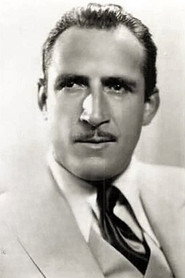 John MiljanMonsieur Renard
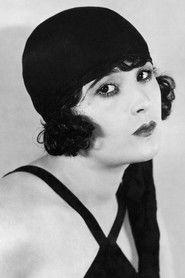 Margaret LivingstonMadame Renard
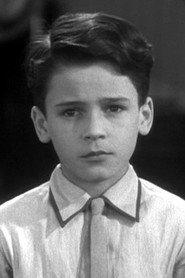 David DurandJo-Jo
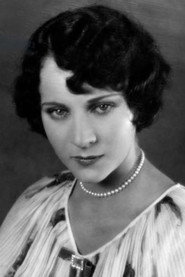 Helene CostelloBit Role
Directing
- Richard WallaceDirector
Writing
- Ernest VajdaWriter
- Ethel DohertyWriter
Production
- Adolph ZukorExecutive Producer
- Jesse L. LaskyProducer