
Film
Hallelujah
King Vidor's 1929 landmark is the first major Hollywood film with an all-Black cast, and one of the earliest sound musicals period — you can feel the technology still being invented under it. It's stagey, melodramatic, and morally simple: a man's fall into temptation and rise into preaching, scored with spirituals and blues. Watch it for the music and the history, not for nuance.
If you liked this
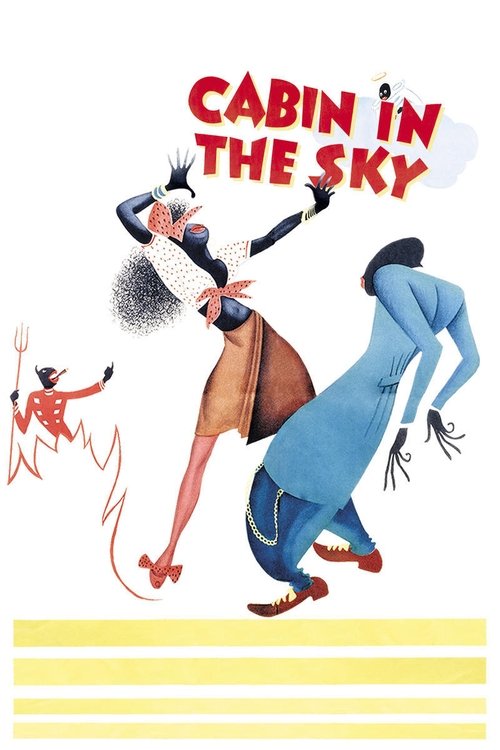
Cabin in the Sky1943
MGM's next major all-Black musical fantasy, with Ethel Waters and Lena Horne fighting for a man's soul between heaven and hell — same gospel-and-temptation engine, glossier production, unforgettable numbers.
But The heaven-and-hell allegory is broad and cartoonish, and some of the 'folk' framing hasn't aged any better than Hallelujah's.
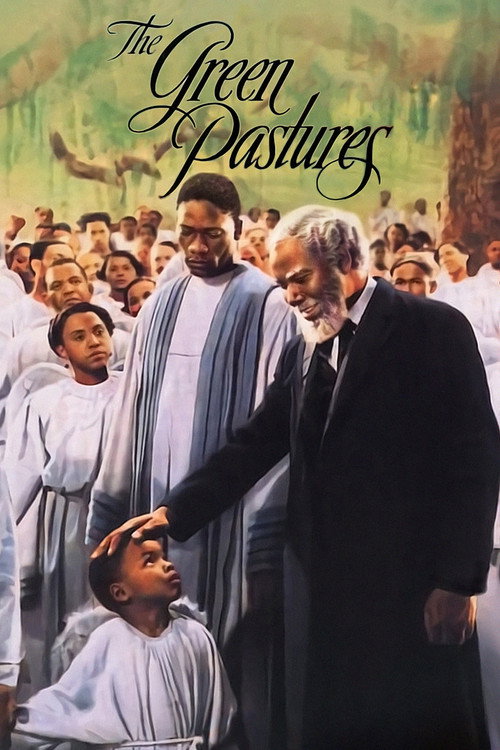
The Green Pastures1936
Warner Bros' all-Black retelling of Old Testament stories as Southern folk fable, made just seven years after Hallelujah — a direct descendant in tone, faith, and cast.
But Even more overtly patronizing in its 'simple folk' framing; a tough watch if you're sensitive to condescending racial imagery.
Porgy and Bess1959no page yet
Sidney Poitier and Dorothy Dandridge lead this lavish Gershwin musical of sin, faith and violence in a Black community — controversial then, still a landmark of the genre now.
But Poitier and other cast members later disowned it; the mythologizing of poverty can feel uncomfortably distant from reality.
The wildcard
Something you would not have found on your own.
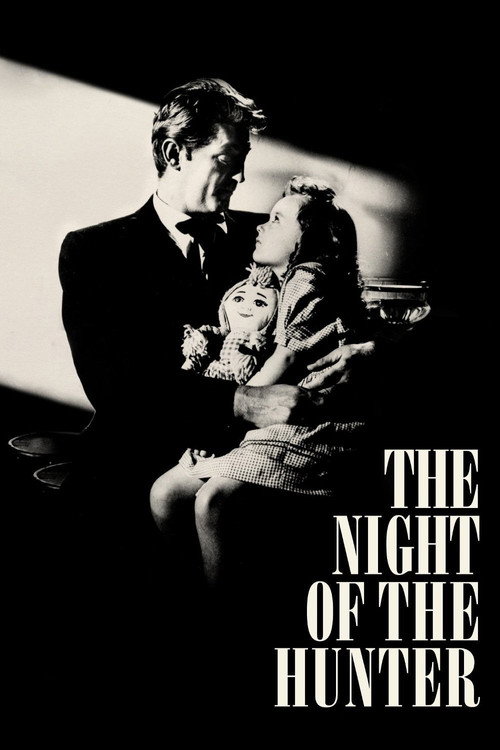
The Night of the Hunter1955
Both use a preacher figure and gospel iconography to explore sin and salvation in the rural South — Hunter inverts Zeke's redemption into a portrait of pure predation.
Robert Mitchum's murderous fake preacher is Zeke's dark mirror image — the same imagery of hymn and hypocrisy turned into a Southern Gothic nightmare thriller.
But Genuinely frightening in places; if you came for Hallelujah's warmth, this replaces it with dread.
More like this (8)
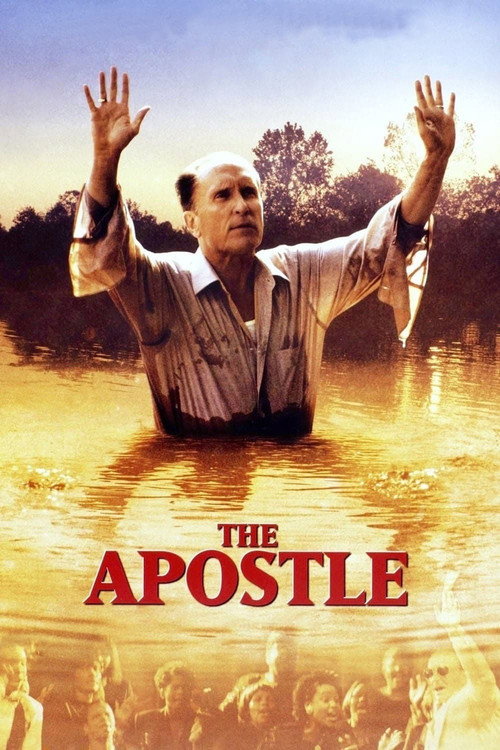
The Apostle1997
Robert Duvall plays a preacher who kills a man and flees into a self-made ministry — Zeke's arc reversed and modernized, played with total conviction and zero condescension.
But Slow, meditative pacing; Duvall's committed performance carries long stretches with very little plot.
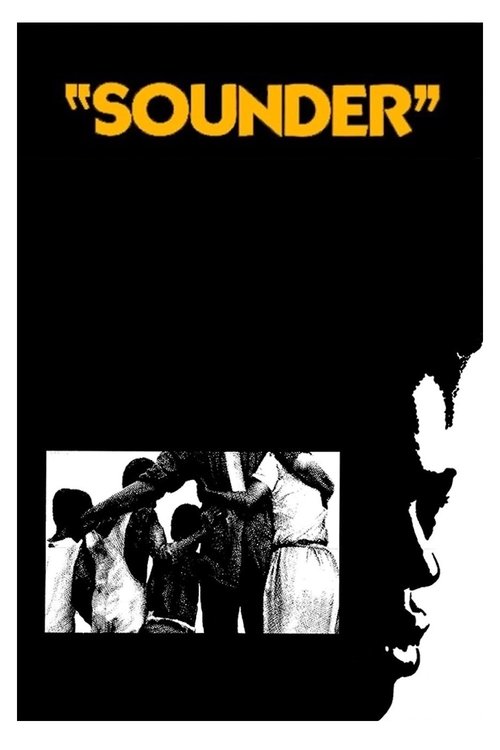
Sounder1972
A quietly dignified portrait of a Black sharecropping family holding together under injustice — the rural Southern setting Hallelujah sketches, given real interior life.
But Understated almost to a fault; if you want music or melodrama, this is far more restrained.
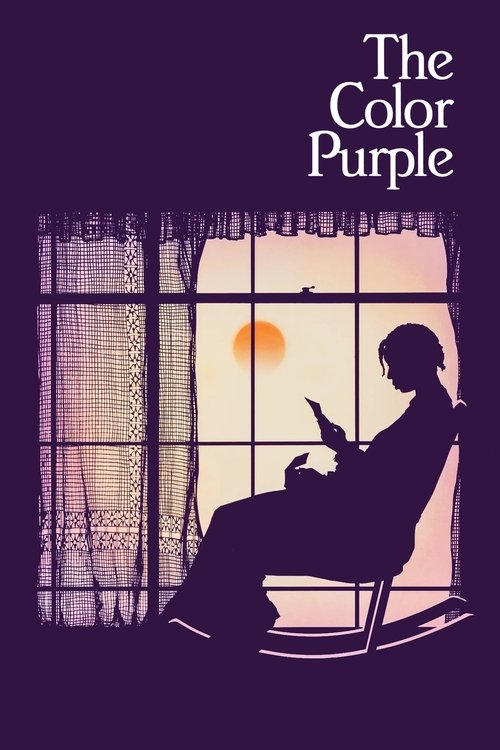
The Color Purple1985
Spielberg's sweeping adaptation carries the same threads of sin, gospel music and redemption through a Black Southern community, but centers women's suffering and survival.
But Criticized for softening Alice Walker's harsher material; its Hollywood gloss can feel at odds with the story's pain.
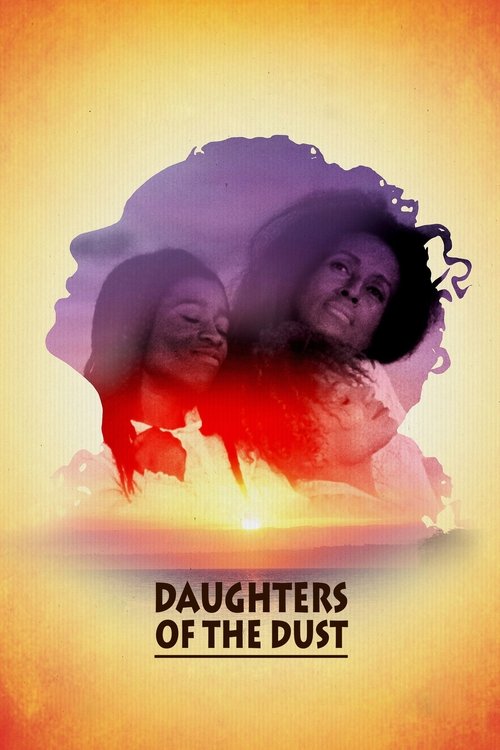
Daughters of the Dust1991
Julie Dash's poetic vision of a Gullah family on the eve of migration north is the arthouse answer to Hallelujah's folk mythology — made by and for the community it depicts.
But Deliberately non-linear and dreamlike; if you want a clear plot, this will frustrate you.
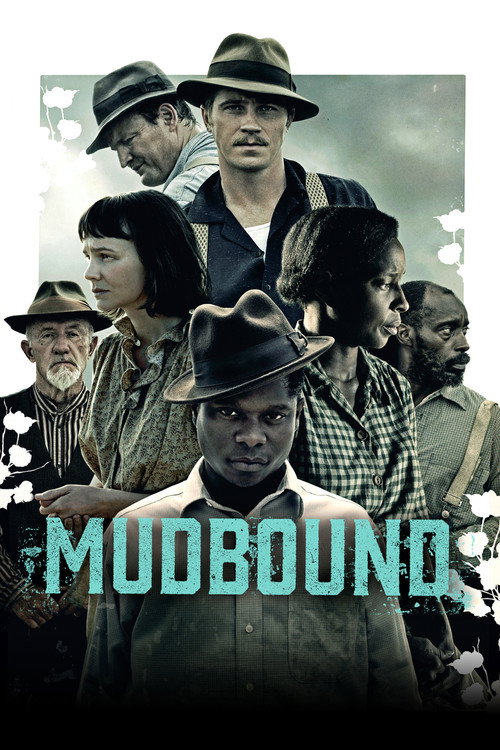
Mudbound2017
Two families, one Black and one white, share a hardscrabble farm in the Jim Crow South — the rural moral universe of Hallelujah recast with modern, unflinching clarity.
But Long and heavy; its violence and racism are depicted with a bluntness Hallelujah never approaches.
Imitation of Life1934no page yet
A contemporaneous Hollywood melodrama wrestling with race, passing and identity — useful company for seeing how the era's cinema handled Black lives, for better and worse.
But Its 'problem' is filtered almost entirely through a white lead's perspective; frustratingly of its time.
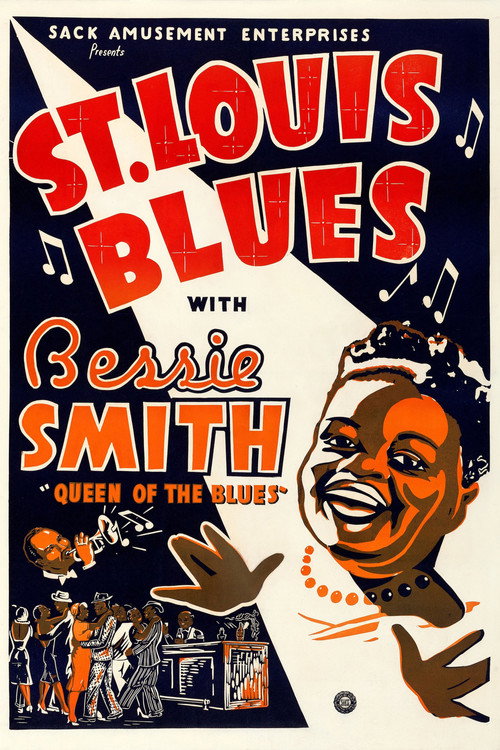
St. Louis Blues1929
Made the same year, it captures Black musical performance on film without Hallelujah's redemption plot or white directorial hand — a rare unfiltered companion piece.
A seventeen-minute short from the very same year, starring Bessie Smith singing the title blues in a smoky boarding house — a rawer, less moralized glimpse of the Black musical performance Hallelujah stages for Hollywood.
But Very short, low-budget, and hard to find in great quality; more a historical artifact than an entertainment.
Rejoice and Shout2011no page yet
Where Hallelujah uses gospel music as backdrop for a morality tale, this documentary tells you where that music actually came from and what it meant.
A documentary tracing two centuries of Black gospel music, from spirituals to modern choirs — the real history behind every hymn Hallelujah borrows for its melodrama.
But Talking-heads structure and archival focus; no story, just history — a different kind of watching altogether.
People
Cast
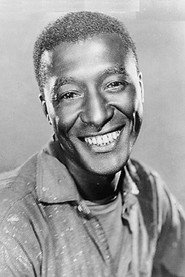 Daniel L. HaynesZeke
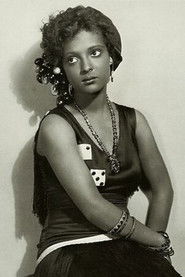 Nina Mae McKinneyChick
 William FountaineHot Shot
- Harry GrayPappy "Parson" Johnson
- Fanny Belle DeKnightMammy
- Everett McGarritySpunk
- Victoria SpiveyMissy Rose
- Milton DickersonJohnson Kid
- Robert CouchJohnson Kid
- Walter TaitJohnson Kid
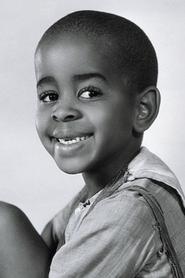 Matthew BeardChild (uncredited)
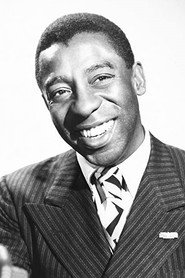 Clarence MuseChurch Member (uncredited)
Directing
- King VidorDirector
Writing
- Ransom RideoutDialogue
- Wanda TuchockScenario Writer
- Wanda TuchockScreenplay
- King VidorStory
Production
- Irving ThalbergProducer